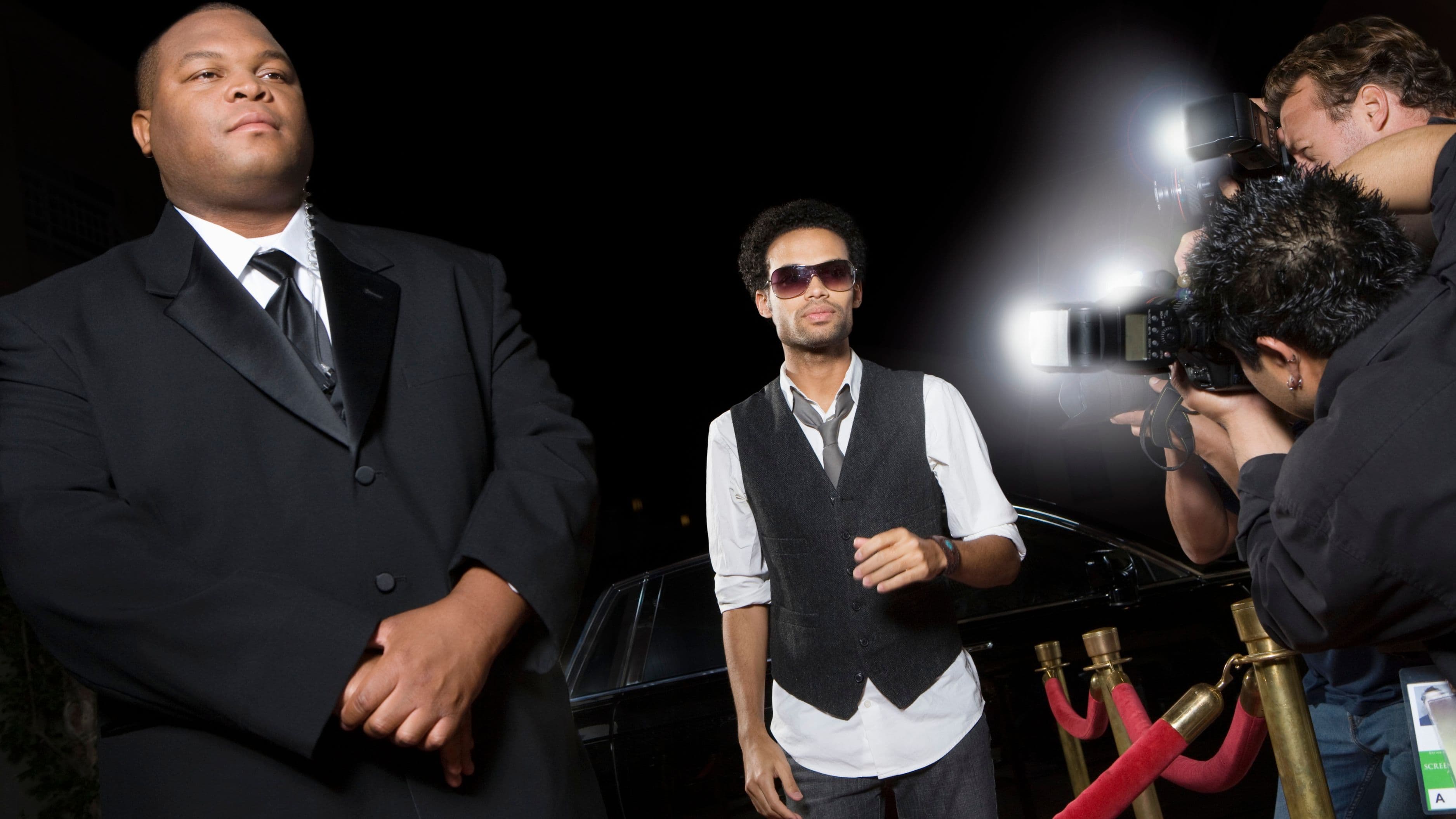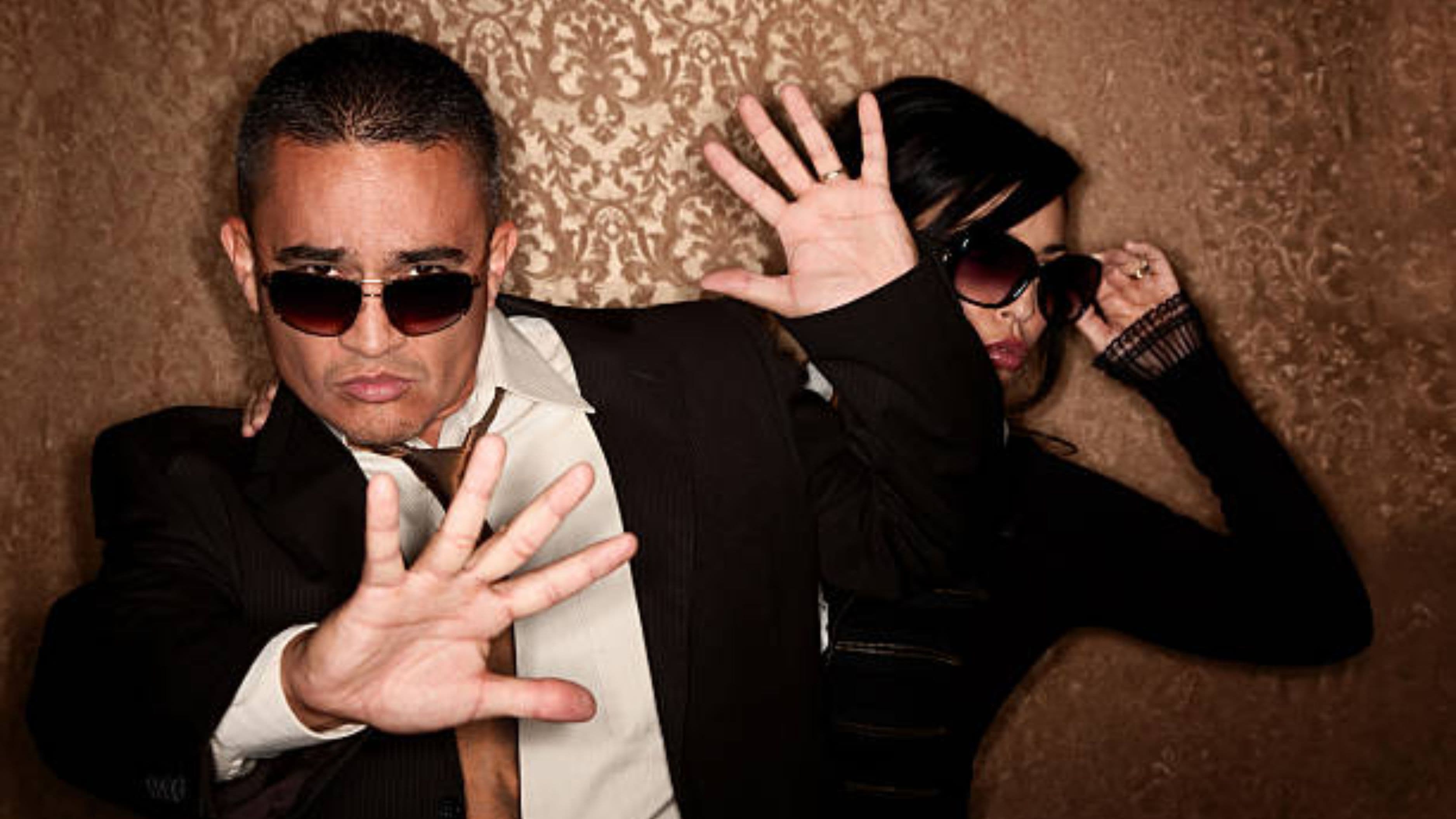
Memes have become one of the most powerful forces in celebrity reputation management, and not because they're always cruel or unfair. It's because they're fast, they're funny, they stick, and they spread to audiences that no traditional press cycle ever could. A late-night interview quote that would have faded from news cycles in a day can become a defining moment for a celebrity's public image when the internet gets hold of it and turns it into a format.
How a Meme Goes From Funny to Crisis
The mechanics of a celebrity meme going viral follow a recognizable pattern, and once you see it, you can't unsee it. Something happens – an awkward red carpet moment, an unguarded social media comment, a candid video that catches a star in the wrong light – and someone clips it, formats it, and posts it with a caption that recontextualizes the original moment. The humor is the hook. The virality is the problem.
What makes the meme era uniquely challenging for celebrity PR is the speed of interpretation. In the old media environment, a celebrity had time to respond through official channels before public opinion formed. A statement, an interview, a clarification could shape how the story was received. In the meme environment, interpretation happens in seconds and at scale. By the time a publicist drafts a response, millions of people have already decided how they feel about the moment, and those feelings have been reinforced by thousands of likes, shares, and comment-section pile-ons. You can't walk back a meme by issuing a statement. You can only hope the next cycle moves fast enough to bury it.
The celebrities who handle this best are the ones who understand that the meme is the story now, not the original incident. Engaging with it directly – posting the meme yourself, laughing at yourself before the internet can do it for you, or making a self-aware reference that shows you get the joke – can flip a PR problem into a relatability moment. Several stars have actually boosted their public image by leaning into viral moments that started as embarrassments. The ones who go into corporate damage control mode, issuing stiff statements about being "taken out of context," tend to extend the news cycle rather than end it.
Why Celebrity Teams Are Always Playing Catch-Up
There's a structural reason why PR teams are almost always reactive in the meme era rather than proactive. Social media moves at a speed that no traditional media operation was built to match. A celebrity's team might include a publicist, a social media manager, a lawyer, and sometimes a dedicated crisis communications consultant – and getting all of those people aligned on a response strategy takes time that the internet does not give you.
The other problem is that memes don't need to be based on something real or significant to do damage. A celebrity can post a photo with an unusual caption and wake up the next morning to find the image has been made into a format used to mock a completely unrelated concept. The original post becomes the meme's raw material, stripped of all context, repurposed for whatever the collective mood of the internet decides. Suddenly the celebrity is associated with something they never said or meant, and the association is sticky precisely because it's funny.
Fan bases add another layer of complexity. The most passionate fan communities are extraordinarily fast at creating and spreading content – protective memes defending their favorite celebrities, or attack memes targeting those they see as threats or rivals. This fan-driven meme ecosystem operates outside any PR team's control and can either amplify a crisis or come to a celebrity's defense faster than any official statement could. Managing a fan base's meme output is essentially impossible, which is why smart celebrity teams focus on shaping culture rather than controlling it.
The Celebrities Who've Turned It Around
Not every viral meme becomes a crisis. Some become career-defining moments that a savvy celebrity can ride rather than run from. The examples that get studied in entertainment PR are the ones where a star acknowledged the meme, embraced it, and turned the energy into engagement with their actual work.
The pattern looks something like this: a moment goes viral, the celebrity reacts by joining the conversation rather than fleeing it, and the meme's reach – which was previously just embarrassing – becomes a driver of attention toward something the celebrity actually wants to promote. It sounds simple, but it requires a specific kind of self-awareness and timing that not everyone in the industry has. The instinct for many celebrities is to control the narrative. The internet rewards the ones who let go of control and find humor in the situation instead.
There's also a generational dimension to this. Celebrities who grew up with social media and genuinely live on it tend to respond faster and more naturally than those whose online presence is managed entirely by a team. The ones who post their own content, who respond to comments directly, who use the platforms the way regular people do – they have a natural rhythm with internet culture that's almost impossible to fake from behind a press release. When a meme hits, they have a genuine voice to respond with. Their audience trusts that response because they've earned that trust through consistent authentic presence.
What the Damage Control Era Says About Celebrity Culture
The fact that entire PR strategies now revolve around meme management is a genuine shift in what it means to be a public figure. For most of entertainment history, celebrities had professional gatekeepers – studios, labels, publicists, editors – who controlled the flow of information and shaped public image over time. The narrative was something you built deliberately over years. Now it can shift overnight based on a 15-second clip and a well-crafted caption.
This has made celebrity culture simultaneously more accessible and more chaotic. Fans feel closer to celebrities than ever because they see them in unguarded moments that once would have been invisible. At the same time, the loss of that gatekeeper layer means there's no filter on what reaches the public and no guaranteed opportunity to provide context before interpretation runs ahead of the story. The relationship between celebrity and fan has gotten more intimate and more volatile at the same time.
What's interesting is that audiences generally know when they're watching a PR strategy and when they're watching something genuine. The accounts that respond to viral moments with slick, obviously-managed content tend to get dragged harder than the ones that made the mistake in the first place. Authenticity has become the actual defense. It's not that celebrities never need professional communications support – they absolutely do – it's that the support that works looks less like control and more like someone helping a real person find their genuine voice quickly enough to matter.
Why This Won't Slow Down
If anything, the meme-to-damage-control cycle is accelerating. Platform algorithms reward engagement, and nothing drives engagement like a celebrity moment that the internet is actively interpreting. Every platform has financial incentives to surface content that sparks reaction and discussion. A celebrity meme is essentially free content that millions of accounts will amplify, comment on, and remix – which is exactly the kind of activity that algorithms were designed to spread.
For celebrities and their teams, the only long-term answer is building the kind of genuine relationship with audiences that creates goodwill as a buffer when the inevitable viral moment comes. The celebrities who survive the meme era intact are the ones whose fans trust them enough to give them the benefit of the doubt, and who are responsive enough to address the conversation before it becomes the only conversation. Damage control starts long before the meme – it starts with the kind of ongoing presence that makes people want to defend you when the internet turns its attention your way.
Frequently Asked Questions
What does "damage control" actually involve when a meme goes viral? In practice it usually includes social monitoring to track how widely the meme is spreading and where, a decision process about whether to respond or wait it out, consultation between the celebrity's publicist and legal team if any statements are involved, and sometimes a coordinated counter-narrative through interviews or social posts. For smaller memes, the answer is often to do nothing and let the cycle move on. For larger crises, some form of response is typically necessary.
Why do some celebrities' responses to memes make things worse? The biggest mistake is responding in a way that signals the celebrity didn't find it funny – formal statements, legal threats, or obvious PR-speak tend to extend the meme's life by adding fuel to the fire. The internet reads defensiveness as confirmation that the original moment meant something, which drives more content. Humor, self-awareness, and speed are more effective than control.
Are celebrity PR teams getting better at handling this? Generally, yes. The industry has been operating in the meme era long enough that most established teams have developed some playbook for viral moments. The bigger shift is that celebrities themselves are being coached on how to respond rather than having their teams respond entirely on their behalf, because first-person authenticity is more credible than third-party statements in this environment.
The meme era isn't going anywhere. If anything, the tools for creating and spreading viral content are becoming more powerful and more accessible every year. For celebrities, the choice isn't whether to be in this environment – it's whether to engage with it on their own terms or be defined by it without their participation. The ones who figure that out are the ones who stay relevant. The ones who don't find themselves in permanent damage control, forever chasing a cycle that never slows down long enough to be managed.
📚 Sources
The Atlantic – The PR Lessons Celebrities Learn From Going Viral: https://www.theatlantic.com/entertainment/archive/2023/03/celebrity-pr-social-media-memes/673402
Vox – How Meme Culture Changed Celebrity Crisis Management: https://www.vox.com/culture/2022/11/14/23456372/celebrity-memes-internet-viral-moments
Wired – The Algorithm That Made Celebrity Culture Impossible to Control: https://www.wired.com/story/social-media-algorithms-celebrity-culture
Rolling Stone – Inside the Business of Celebrity Damage Control: https://www.rollingstone.com/culture/culture-features/celebrity-pr-crisis-management-social-media-1234567890
Business Insider – How Celebrities Are Rebuilding Their PR Strategy for the Meme Era: https://www.businessinsider.com/celebrity-pr-meme-era-social-media-damage-control-2023
The Guardian – Social Media, Memes, and the New Rules of Celebrity Reputation: https://www.theguardian.com/culture/2023/jan/10/social-media-celebrity-reputation-memes