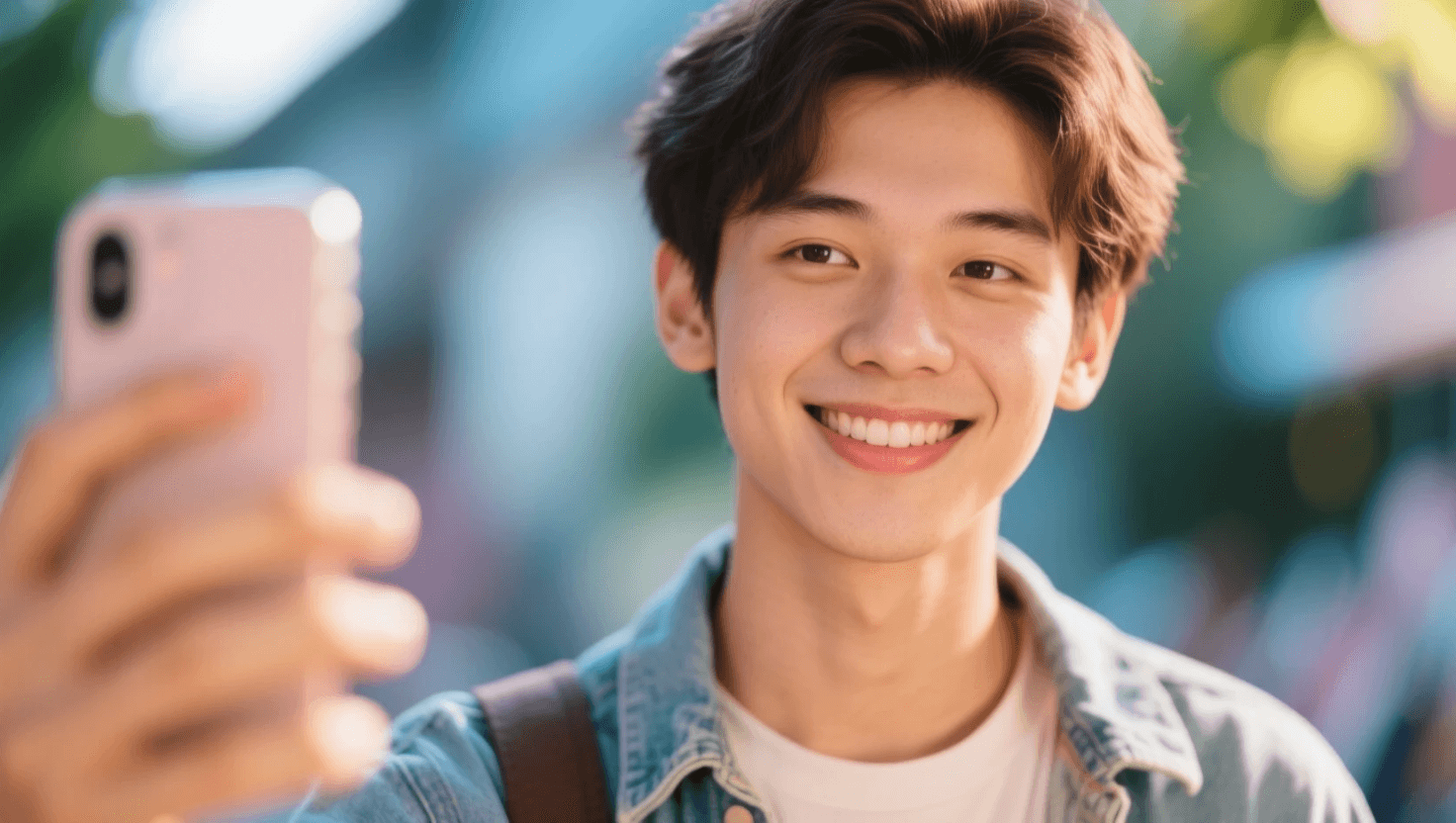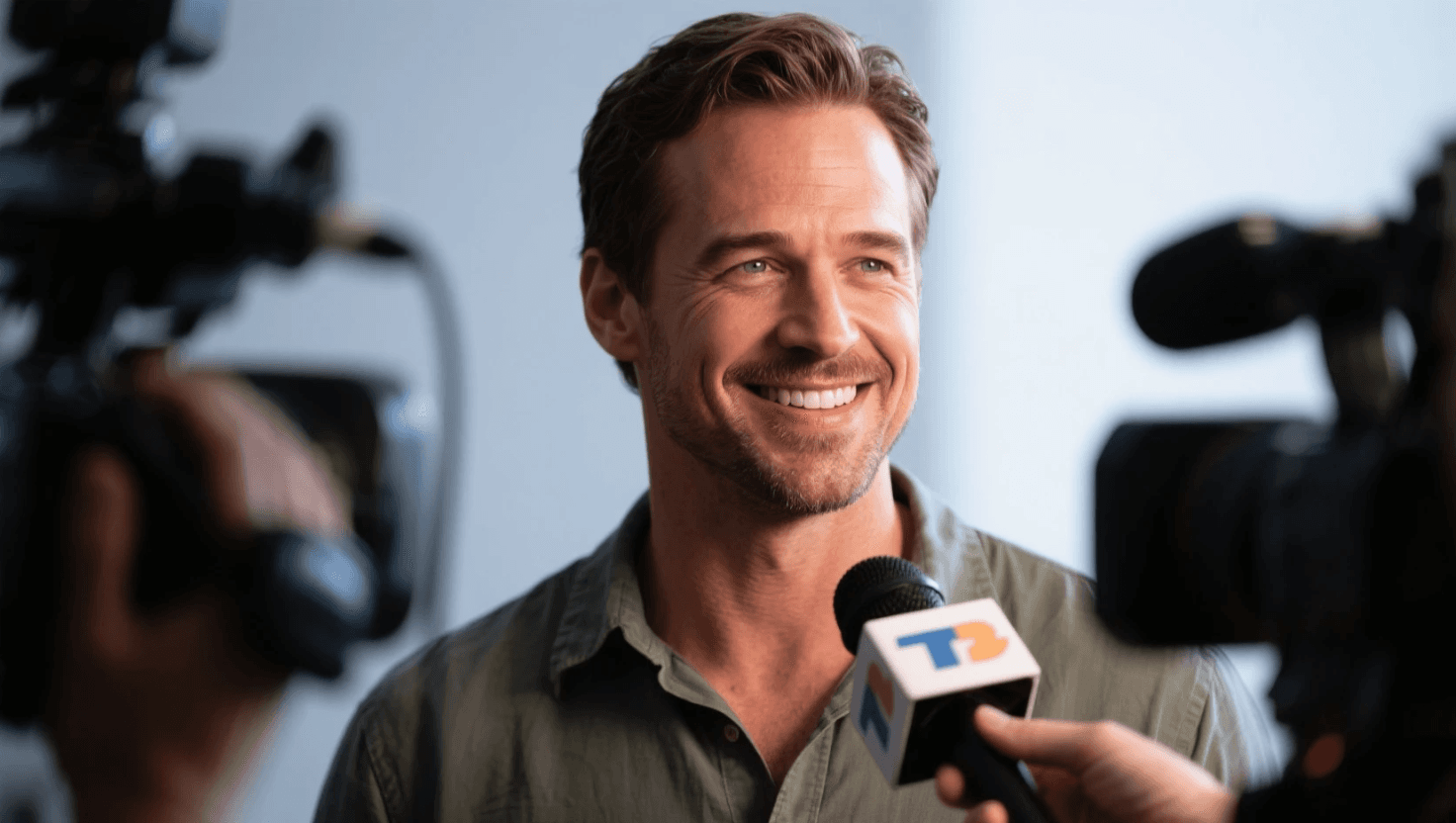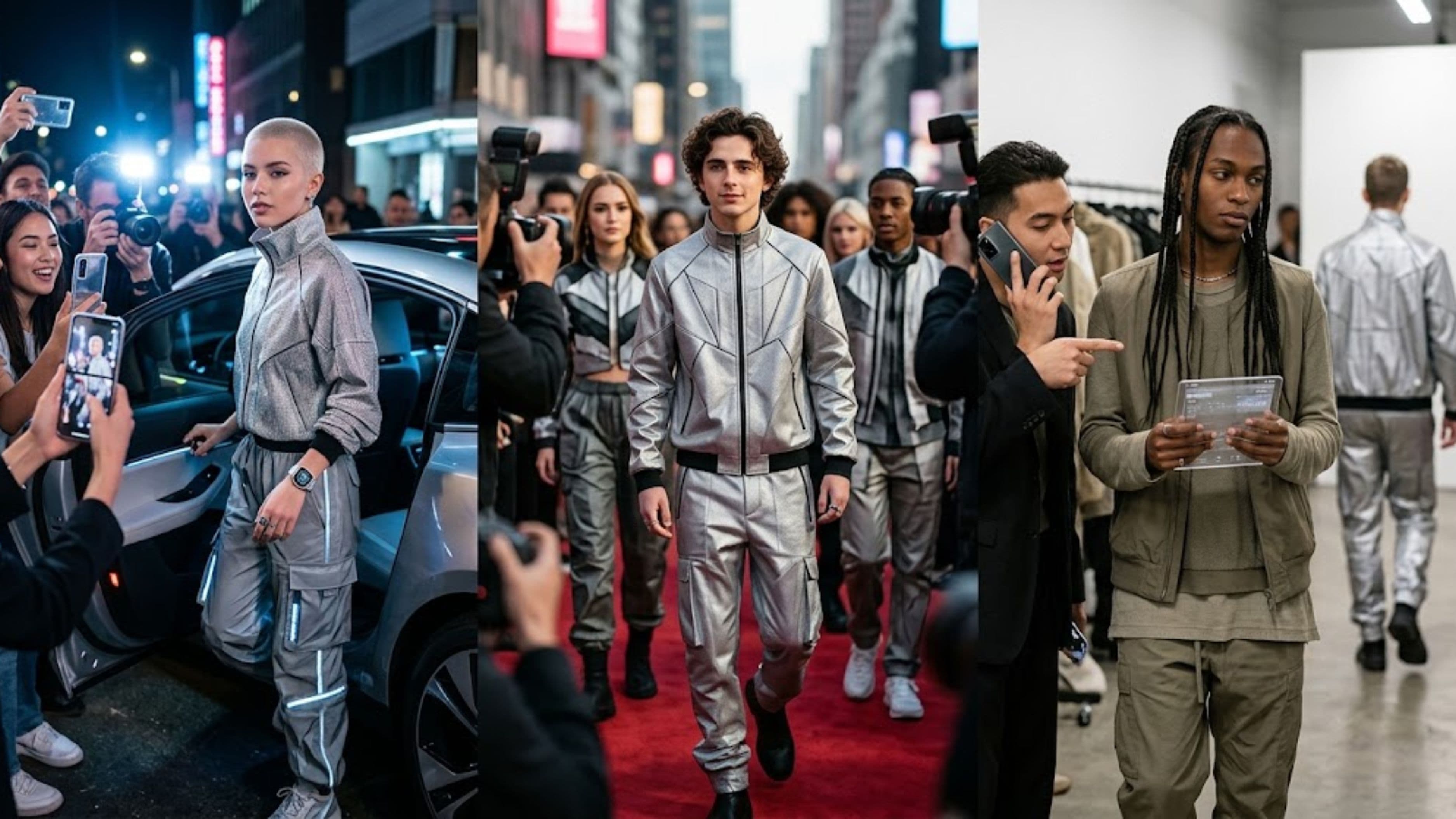
The Pattern: Fake Images, Real Engagement
One of the best-known early examples came in 2023, when an AI-generated image of Pope Francis wearing a stylish white puffer coat spread across social media. Many viewers believed it was real, and it became one of the most talked-about images of the year before being widely identified as fake.
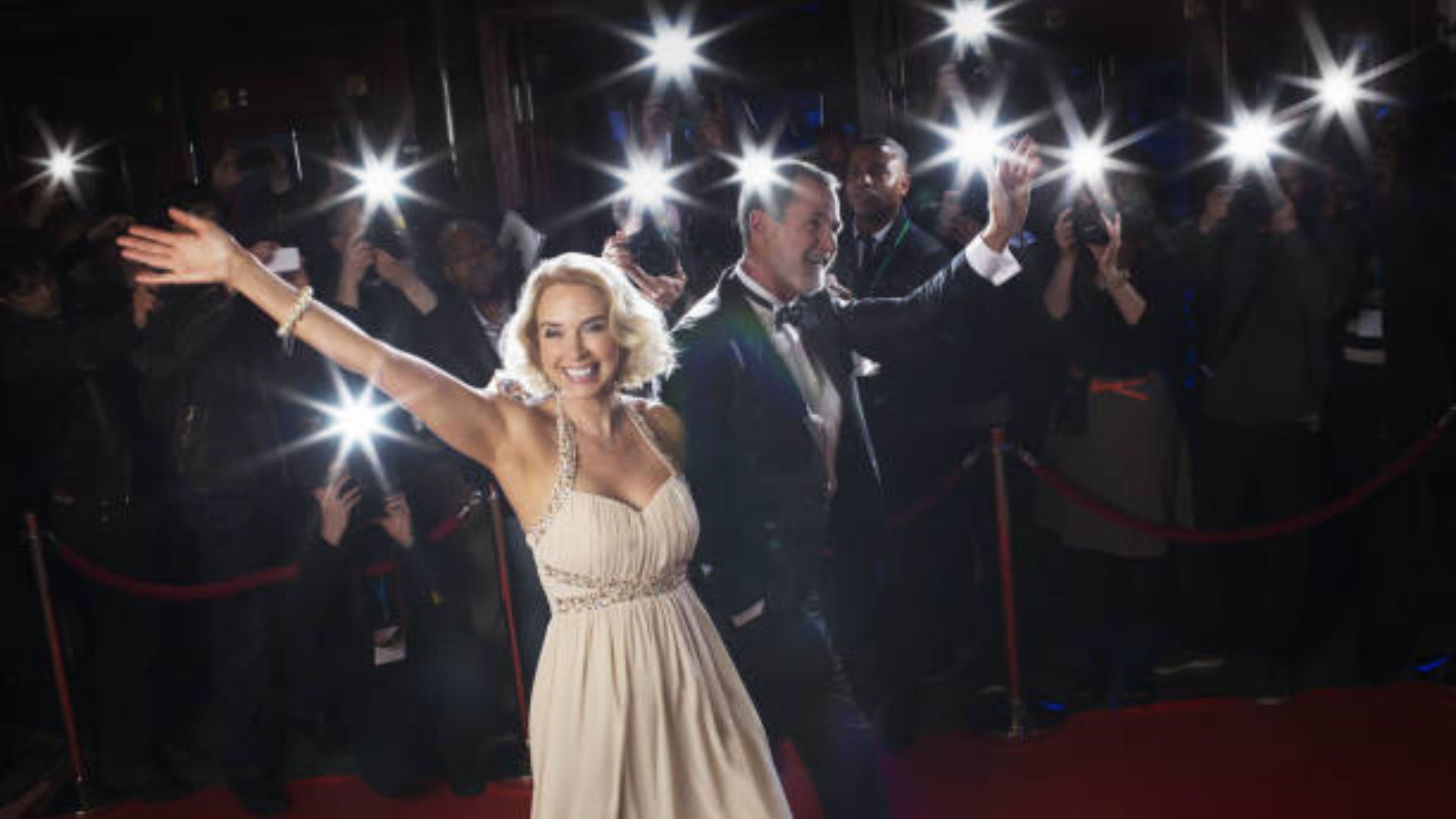
In 2024, AI-generated images appeared to show Katy Perry at the Met Gala, even though she didn't attend. The images spread widely, and Perry herself posted about it, sharing that even her mom had been fooled. That moment captured the pattern perfectly: the fake version generated a huge conversation about an event the star wasn't even at.
Why AI-Generated Posts Can Outperform the Real Thing
They're Designed to Be Striking
Real celebrity photos are often polished but predictable. AI-generated images, on the other hand, are frequently made to be surprising, dramatic, or visually perfect. A fake image can show a star in an unexpected outfit or scenario, which naturally grabs attention in a crowded feed.
Surprise Drives Sharing
People are more likely to share content that feels novel or shocking. When a post makes someone stop and ask "Is this real?", it invites comments, debates, and shares. That interaction signals the algorithm to show the post to even more people.
The Debate Becomes the Engagement
Ironically, the conversation about whether something is fake often drives more engagement than the image itself. Comment sections fill with people pointing out odd details, arguing about authenticity, or tagging friends. Every one of those actions counts as engagement.
Real Posts Compete With Their Own Context
A real photo usually comes with a clear setting – an event, a caption, a known context. A fake image can float free of all that, allowing viewers to fill in the story themselves. That ambiguity keeps people talking longer.
Algorithms Don't Always Know the Difference
Recommendation systems reward attention. If a fake image generates strong engagement, it can be distributed widely before fact-checks or labels catch up. Platforms have introduced AI labeling policies, but enforcement varies and doesn't always keep pace with how quickly content spreads.
Why It Matters
For fans, the biggest issue is trust. When convincing fakes circulate alongside real posts, it becomes harder to know what actually happened. That confusion can spread misinformation quickly, especially when fake images show celebrities at events they didn't attend or saying things they never said.
For celebrities, the risks are more serious. AI-generated content has been used in fake endorsements and scams. Tom Hanks, for example, warned fans in 2023 that a video promoting a dental plan used an AI version of him without permission. Some celebrities have also been targeted with harmful, non-consensual deepfakes, which has pushed lawmakers and platforms to respond with new rules and policies.
Fan and Industry Reactions
Reactions tend to fall into a few camps. Some fans treat obvious AI images as harmless fun, like fan art. Others worry about the loss of trust and the potential for harm. Many celebrities and industry groups have called for stronger protections around the use of a person's likeness, including their face and voice.
Platforms have responded with labeling tools and policies requiring disclosure of realistic AI-generated content in some cases. These efforts are still evolving, and detection isn't perfect.
How to Spot an AI-Generated Celebrity Post
Look closely at hands, jewelry, text, and backgrounds, which often contain strange details. Check whether the celebrity or a reputable news outlet has shared the same image. If a photo claims to be from a major event, look at official coverage or the celebrity's verified accounts.
When in doubt, pause before sharing. A few seconds of checking can stop a fake from spreading further.
Final Thoughts
AI-generated celebrity posts often outperform real ones because they're built to surprise, they spark debates, and algorithms reward attention. It's a fascinating pop culture phenomenon – but also a reminder that engagement doesn't equal truth.
The next time a celebrity image seems almost too perfect or too wild to believe, trust that instinct and check before you share.
📚 Sources
CBS News – Pope Francis in a puffer jacket? The viral image was generated by AI: https://www.cbsnews.com/news/pope-francis-puffer-jacket-fake-photos-deepfake-power-peril-of-ai/
NBC News – AI-generated images of Katy Perry at the Met Gala fool fans: https://www.nbcnews.com/tech/tech-news/katy-perry-met-gala-ai-image-rcna150986
BBC News – Tom Hanks warns of dental ad using AI version of him: https://www.bbc.com/news/technology-66969816
Meta – Labeling AI-Generated Images on Facebook, Instagram and Threads: https://about.fb.com/news/2024/02/labeling-ai-generated-images-on-facebook-instagram-and-threads/