Why the "Perfect Casting" Story Rarely Starts That Way
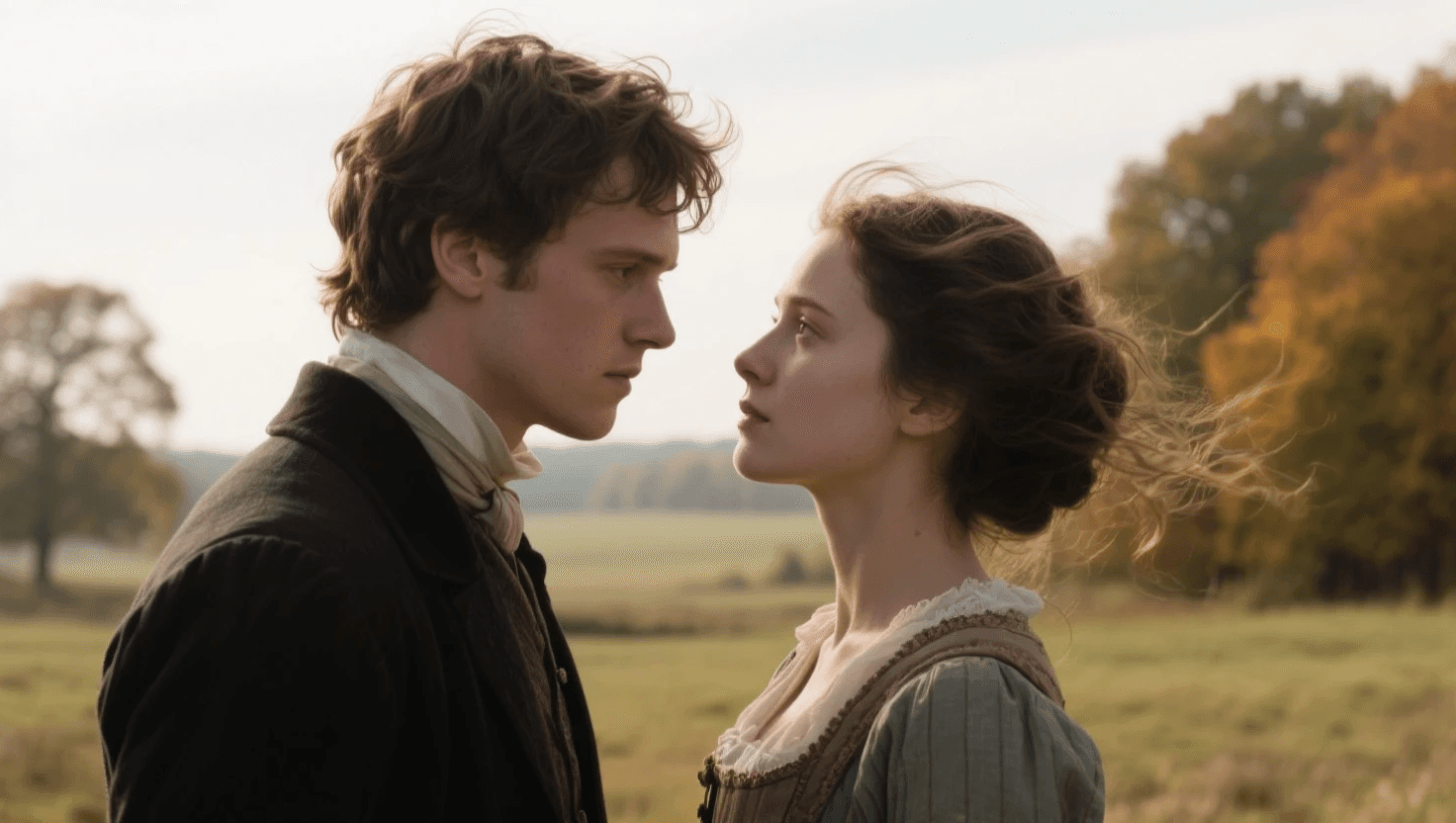
Casting directors and producers work through a process that involves testing multiple actors for a role, often over months, before a final decision is made. Chemistry reads, where two actors are tested together to see how their dynamic plays on camera, frequently reshuffle a casting decision entirely, since a technically strong individual audition doesn't always translate into believable on-screen chemistry with a scene partner.
Studio and financing pressures play a role too. A production may need a recognizable name attached to secure funding or distribution, which can override a director's initial casting preference, leading to negotiations, and sometimes genuine creative disagreement, before a final actor is locked in.
The Common Patterns Behind Iconic Castings
A recurring pattern in entertainment industry casting history involves an actor who wasn't the studio's first choice, sometimes not even the second or third, being cast only after another actor turned down the role or became unavailable due to scheduling conflicts with another project. This has happened often enough across decades of film and television that it's become a genuinely common industry pattern rather than an exception.
Another common thread involves relatively unknown actors landing a breakout role specifically because a production was working with a limited budget and couldn't afford an established star, leading to a casting decision driven partly by financial necessity that later became celebrated as an inspired creative choice once the project succeeded.
Typecasting risk is a factor too. Actors sometimes turn down roles specifically because they're concerned about being permanently associated with a particular character type, only for another actor to accept the role and have it become the defining performance of their career, a dynamic that plays out repeatedly across different eras of film and television.
Why This Matters to Fans
Understanding the messier, more uncertain reality behind famous castings adds genuine context to how the entertainment industry actually functions, rather than reinforcing a mythologized version where an iconic performance was inevitable from the start. It also highlights just how much of a role's eventual cultural impact depends on factors well beyond the actor's control, timing, availability, studio politics, that fans rarely see reflected in the polished narrative that gets told once a film becomes a hit.
What This Means for How Fans Read Casting News
Next time a casting announcement generates buzz or controversy, whether fans feel an actor is a perfect fit or an unexpected choice, it's worth remembering that the visible announcement represents the end of a much longer, more uncertain process involving other actors, negotiations, and creative disagreements that rarely make it into public reporting until much later, if at all.
FAQ
Why do so many actors admit they weren't the first choice for a now-iconic role? Casting is a genuinely uncertain, multi-stage process involving scheduling conflicts, chemistry testing, and studio negotiations, meaning the eventual actor cast is often determined by circumstances beyond simply being the single best fit on paper.
Do chemistry reads really change casting decisions that much? Yes, casting directors and producers widely cite chemistry reads as a genuinely decisive factor, since two technically strong actors don't always produce a believable or compelling on-screen dynamic together.
Is it common for actors to turn down roles that later become iconic? It happens often enough throughout entertainment history that it's considered a well-documented industry pattern, generally due to scheduling conflicts, typecasting concerns, or simply differing creative instincts at the time.
Outro
The clean, "meant to be" version of how an actor landed a legendary role almost always simplifies a longer, messier process involving negotiation, circumstance, and a fair amount of uncertainty. That messiness is part of what makes the entertainment industry's history genuinely interesting once you look past the polished retelling.
📚 Sources
"How Casting Directors Choose Actors" – Casting Society of America, castingsociety.com
"The Role of Chemistry Reads in Film Casting" – Variety, variety.com
"Behind the Scenes of Hollywood Casting Decisions" – The Hollywood Reporter, hollywoodreporter.com