Here's how the machine actually runs.
It Starts With a Pitch
Every show begins with someone who has an idea and the nerve to pitch it. That someone might be a writer with a personal story they want to tell, a showrunner with a high concept, a production company sitting on the rights to a book or true crime story, or occasionally a celebrity with enough clout to get a meeting and enough of an idea to fill one. The pitch is exactly what it sounds like – a presentation of the concept, the tone, the potential cast, and why this story needs to exist right now.
For network and cable television, pitches typically go to development executives at the studio or network. For streaming platforms like Netflix, HBO Max, or Apple TV+, the development process works slightly differently – there's often more emphasis on the creative team's track record and the showrunner's specific vision. A successful pitch doesn't mean a show gets made. It means the network is interested enough to order a script, and often that script is the next round of the pitch in a different form.
The Script Phase: Where Most Shows Actually Die
If the pitch works, someone writes a pilot script – or a full season bible, depending on the platform and the deal. This is the stage where the vast majority of TV ideas quietly disappear. Development executives give notes, the writer rewrites, more notes come, more rewrites happen. A script can go through a dozen drafts before anyone decides whether to move forward.
This process is worth understanding because it explains why so many shows take years from concept to screen. A show that premieres this fall might have had its original pitch greenlit three or four years ago. The writing process alone – particularly for premium cable and streaming dramas where season arcs are plotted in detail before a single frame is shot – can take most of a year just for the first season.
Writers' rooms, where they exist, are a collaborative space where multiple writers work together to break story – a term for the process of mapping out episode plots, character arcs, and season-long narrative structure. The showrunner leads this room and has final creative authority, but the story that ends up on screen is genuinely the product of many people's thinking. This is one of the things that makes television structurally different from film, where a single director typically has more singular creative control.
Casting: The Decision That Shapes Everything
Once a project gets a greenlight – which means the network or streamer has officially ordered the show and committed budget – casting begins. Casting directors work with the showrunner and producers to find actors for every role, from the leads down to day players who appear in a single scene. For the main cast of a major series, this process is extensive. Actors audition, sometimes multiple times, and major roles might be tested with chemistry reads where potential co-stars perform scenes together to see how they work opposite each other.
Casting decisions have enormous downstream consequences. The wrong lead can sink a show that has great writing; the right one can make a mediocre script feel like something special. When a show seems to fire on all cylinders from the first episode, it's often because the casting was exceptional – which is itself the result of months of work that no viewer ever sees.
Celebrity casting changes the dynamic entirely. When a major film actor signs on to lead a television series, the casting process is less about auditions and more about negotiation and scheduling. The star's attachment becomes part of what gets the show greenlit in the first place, particularly in the current era where streaming platforms use talent deals to generate buzz before a single episode is in the can.
Pre-Production: Building the World
Before any filming starts, an enormous amount of work happens in pre-production. Production designers and their teams design and build sets, or scout real locations that match the show's visual requirements. Costume designers develop the look for every character. Directors of photography plan how the show will be lit and shot – decisions that give a series its visual identity. Department heads in makeup, hair, props, and special effects are hired and begin their own planning processes.
For a prestige drama series, pre-production for a season of television can take anywhere from three to six months. For a show with significant period detail, elaborate practical effects, or large-scale set construction – think something like Shogun's feudal Japanese villages or The Crown's recreation of Buckingham Palace interiors – the prep time is even longer and the cost is staggering. This is also the phase where VFX (visual effects) work begins to be planned and contracted, since many effects require months of production time and need to be scoped well before the cameras roll.
Production: The Part Everyone Imagines
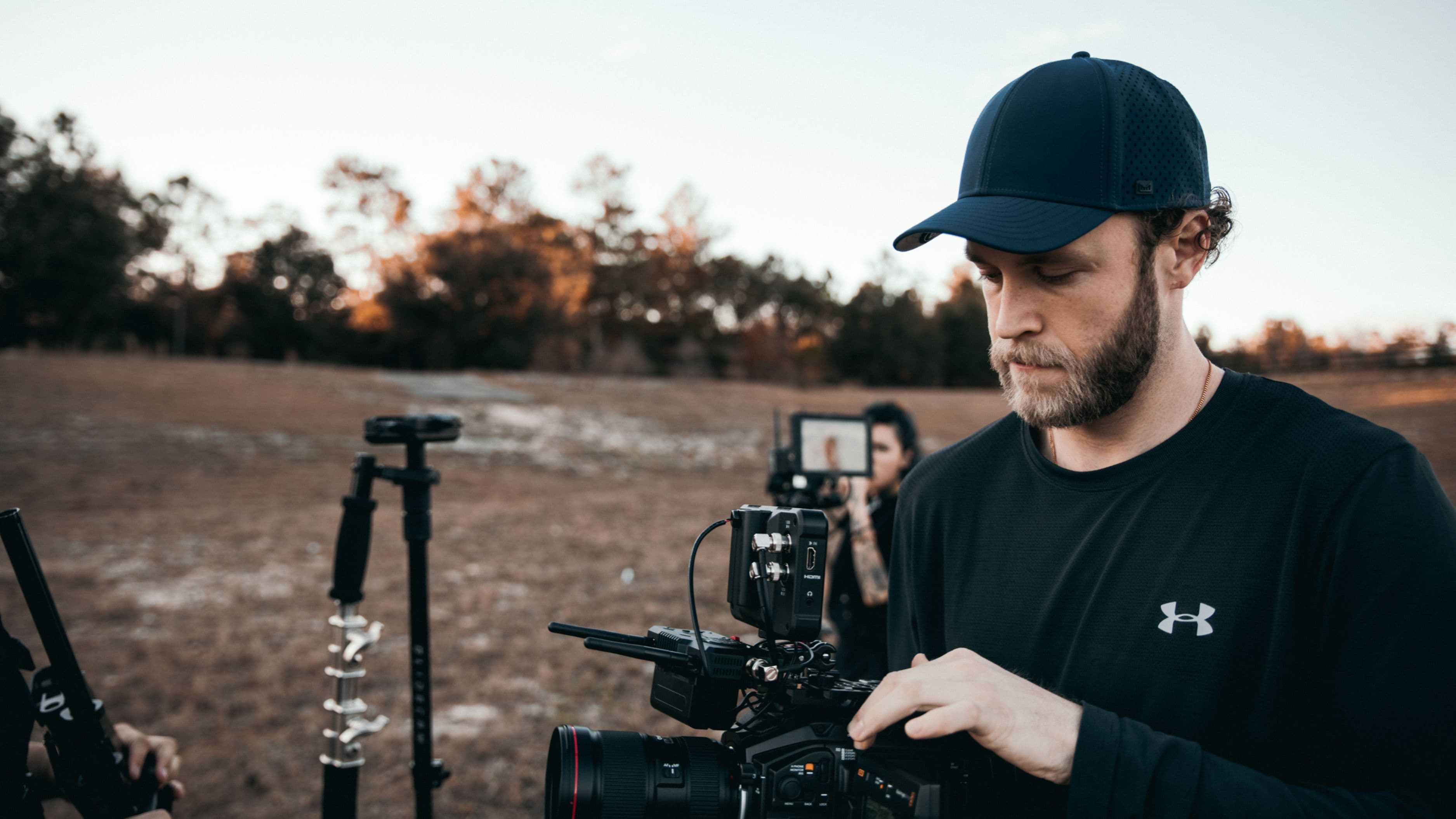
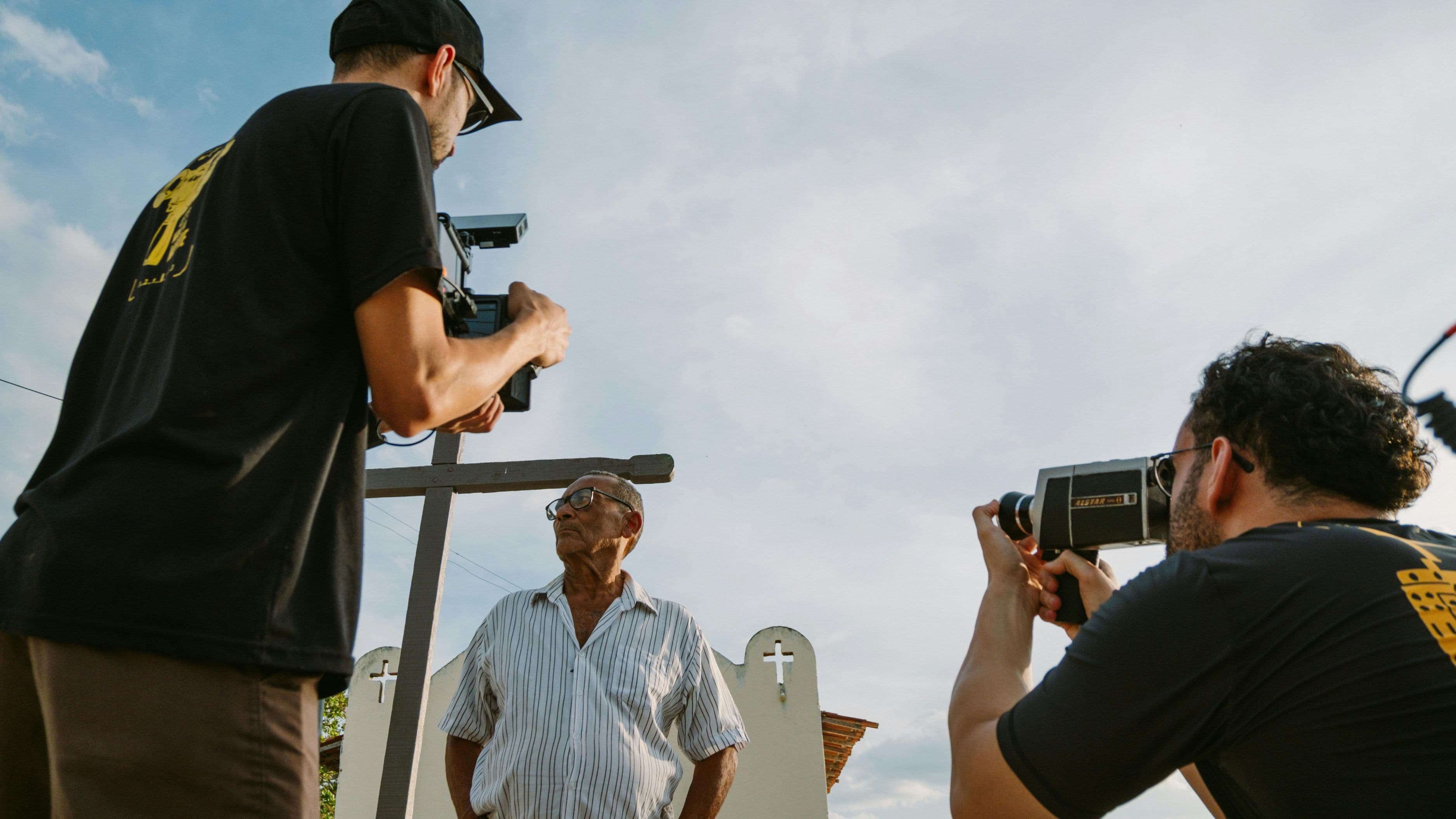
Actual filming – what most people picture when they think about making a TV show – is in many ways the most visible and also the most logistically intense phase. A typical episode of a drama series takes anywhere from eight to twelve days to shoot, which means a ten-episode season requires roughly 80 to 120 shoot days. That's a grueling schedule that runs six days a week, often with 14-hour days, across months of production.
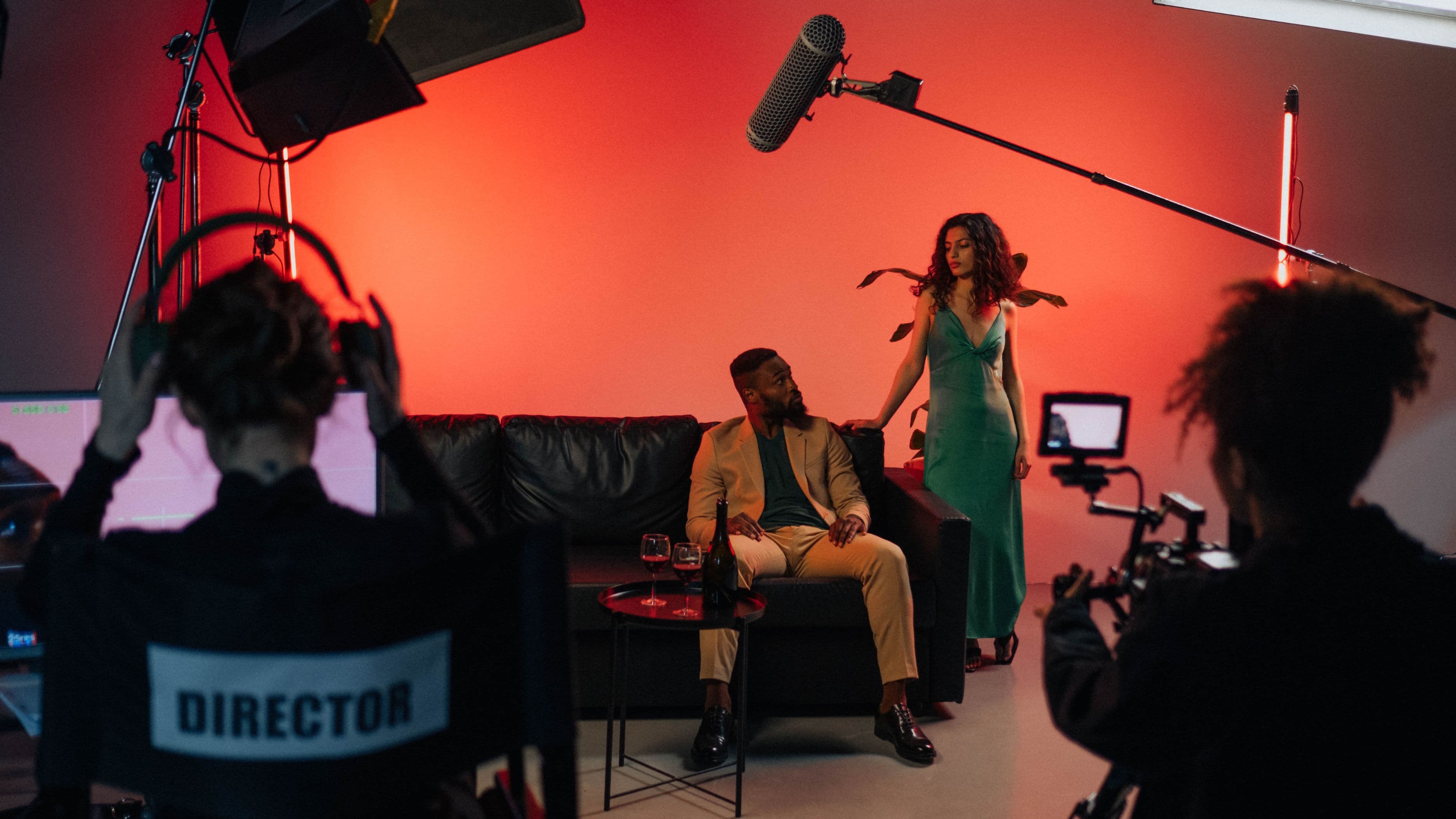
On set, the director leads the crew through each scene, working with the director of photography and the actors to capture what's needed. But here's something many viewers don't realize: for most TV shows, there's a different director for each episode or pair of episodes, while the showrunner is the consistent creative voice across the whole season. The showrunner is typically on set during production and has the final word when creative decisions need to be made – but they're also simultaneously in post-production on earlier episodes and sometimes in the writers' room breaking the next season.
The crew that makes this happen is enormous. A full production crew on a major drama series can include over a hundred people on any given day – camera operators, sound mixers, lighting technicians, grips, set decorators, script supervisors, location managers, stunt coordinators, and dozens of others whose job titles would take a paragraph to explain. The credits you scroll past at the end of an episode represent real people who spent months working long days to put the show together.
Post-Production: Where the Show Comes Together
After filming wraps on an episode, it moves into post-production – which is where the raw footage becomes the thing you actually watch. Editors cut the footage into a coherent episode, working closely with the director and showrunner through multiple cuts. Sound designers add or refine every audio element that wasn't captured cleanly on set. Colorists grade the footage to give the show its final visual look. Composers score the music. VFX artists complete any visual effects that were left for post.
This process takes weeks to months per episode, and it happens while production on later episodes is still ongoing. A show's post-production pipeline is essentially a conveyor belt running in parallel with filming – multiple episodes in different stages of completion at once, all moving toward delivery deadlines set by the network or streamer.
The final step before a show reaches you is the network or platform delivery – submitting finished episodes in the required technical formats, sometimes with different audio mixes for different markets, subtitles, and accessibility versions. For major shows, this happens on a tight schedule coordinated with the marketing department, which has its own parallel machine running trailers, press junkets, critic screenings, and social media campaigns timed to the premiere date.
Why Any of This Matters to You as a Viewer
Knowing the scale of what goes into making television doesn't just make you appreciate it more – it also explains some of the things that puzzle viewers about how the industry works. Why do shows get cancelled after one season when they seemed promising? Because the economics of production are brutal and a show that doesn't grow its audience fast enough can cost more to make than it generates. Why do beloved shows sometimes feel like they rushed the ending? Because production schedules, contract negotiations, and network decisions don't always align with creative ambition. Why does it sometimes take two or three years between seasons? Because the same people who made your favorite season are already deep into the next one before it even airs.
Television at its best is the result of hundreds of people doing their jobs really well under significant time and resource pressure. The fact that it works as often as it does is genuinely impressive when you know what it took to get there.
📚 Sources
Writers Guild of America – How Television is Made: https://www.wga.org/the-guild/about-us/what-is-the-wga
The Hollywood Reporter – Inside the Showrunner's Role: https://www.hollywoodreporter.com/tv/tv-news/showrunner-role-explained-tv-production-1235189129/
Variety – How TV Production Schedules Work: https://variety.com/2023/tv/news/tv-production-schedule-explained
Screen Actors Guild – Casting and Production Overview: https://www.sagaftra.org/production-center/contract/1/overview
Directors Guild of America – Television Director's Role: https://www.dga.org/The-DGA/About-Us.aspx