What Happened
In the mid-1990s, Foreman lent his name and image to a countertop electric grill designed to cook food while draining excess fat, marketed as the "George Foreman Lean Mean Fat-Reducing Grilling Machine." The product itself wasn't Foreman's invention or design, it came from Salton, Inc., which was looking for a recognizable spokesperson to help sell a fairly novel kitchen appliance concept at the time.
The partnership turned into one of the most successful celebrity product endorsements in modern retail history. The grill reportedly sold well over 100 million units globally in the years following its release, according to reporting at the time of Salton's later acquisition activity, becoming a fixture in dorm rooms, first apartments, and family kitchens across the country, often referred to simply as "the George Foreman" rather than by any specific model name.
Why It Matters
What makes this case stand out isn't just that the product sold well, plenty of celebrity-endorsed products do. It's that the product's cultural footprint arguably surpassed general public familiarity with the specific details of Foreman's boxing career for an entire generation of consumers who grew up with the grill as a kitchen staple long before, or entirely without, learning about his championship history. The financial dimension reinforced this shift too. Foreman has spoken publicly in interviews over the years about earning far more from the endorsement deal and the eventual buyout of his stake in the branding rights than he earned across his entire boxing career, a detail that has itself become part of the story's enduring appeal.
Public and Industry Reaction
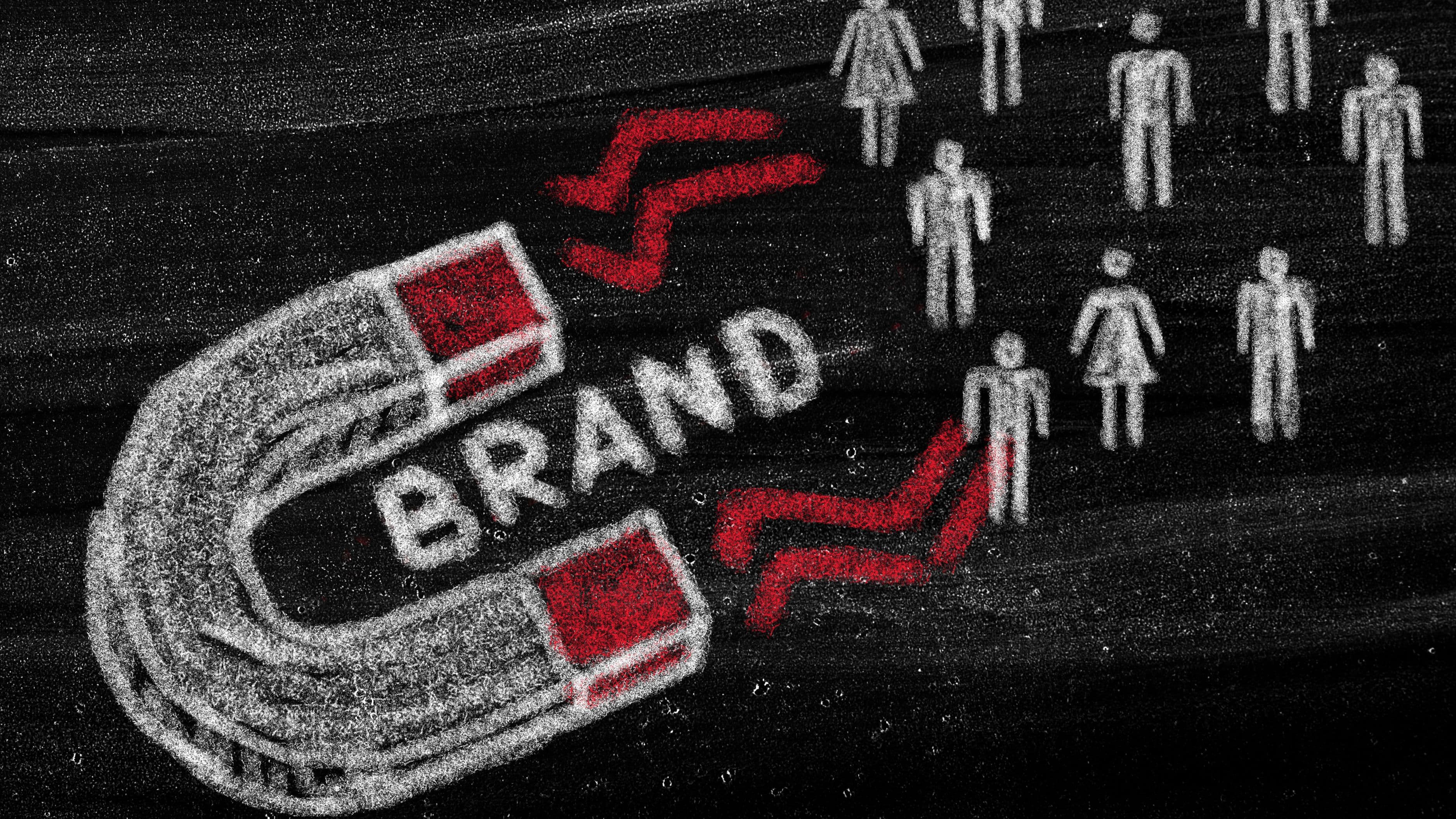
Business commentators and marketing analysts have repeatedly cited the George Foreman Grill as a textbook case study in celebrity brand licensing done right, frequently taught in business school marketing courses specifically because of how cleanly it demonstrates a celebrity endorsement transcending the person's original claim to fame. Foreman himself has embraced the association rather than resisting it, frequently referencing the grill in interviews and public appearances with visible good humor about a kitchen appliance becoming as central to his public identity as his championship belts.
Background Context
Celebrity product licensing existed well before the Foreman grill, but the deal is frequently pointed to as a turning point in how brands thought about celebrity partnerships, shifting from simple advertising endorsements toward the celebrity's name becoming genuinely synonymous with the product category itself. Few subsequent celebrity-branded products have replicated that same level of product-name fusion, where the product functionally became a generic term for an entire category of countertop grills in everyday conversation.
Outro
The George Foreman Grill remains one of the clearest examples of a celebrity partnership creating a product identity that took on a life entirely its own, to the point that for many people, the grill introduced them to Foreman rather than the other way around. It's a reminder that in the right circumstances, a well-placed name on the right product can end up carrying further than the fame that made the deal possible in the first place.
📚 Sources
Smithsonian Magazine – The Improbable Story of the George Foreman Grill. https://www.smithsonianmag.com/
Forbes – George Foreman on His Grill Fortune. https://www.forbes.com/