Why "Off-Duty" Looks Resonate More Than Red Carpet Ones
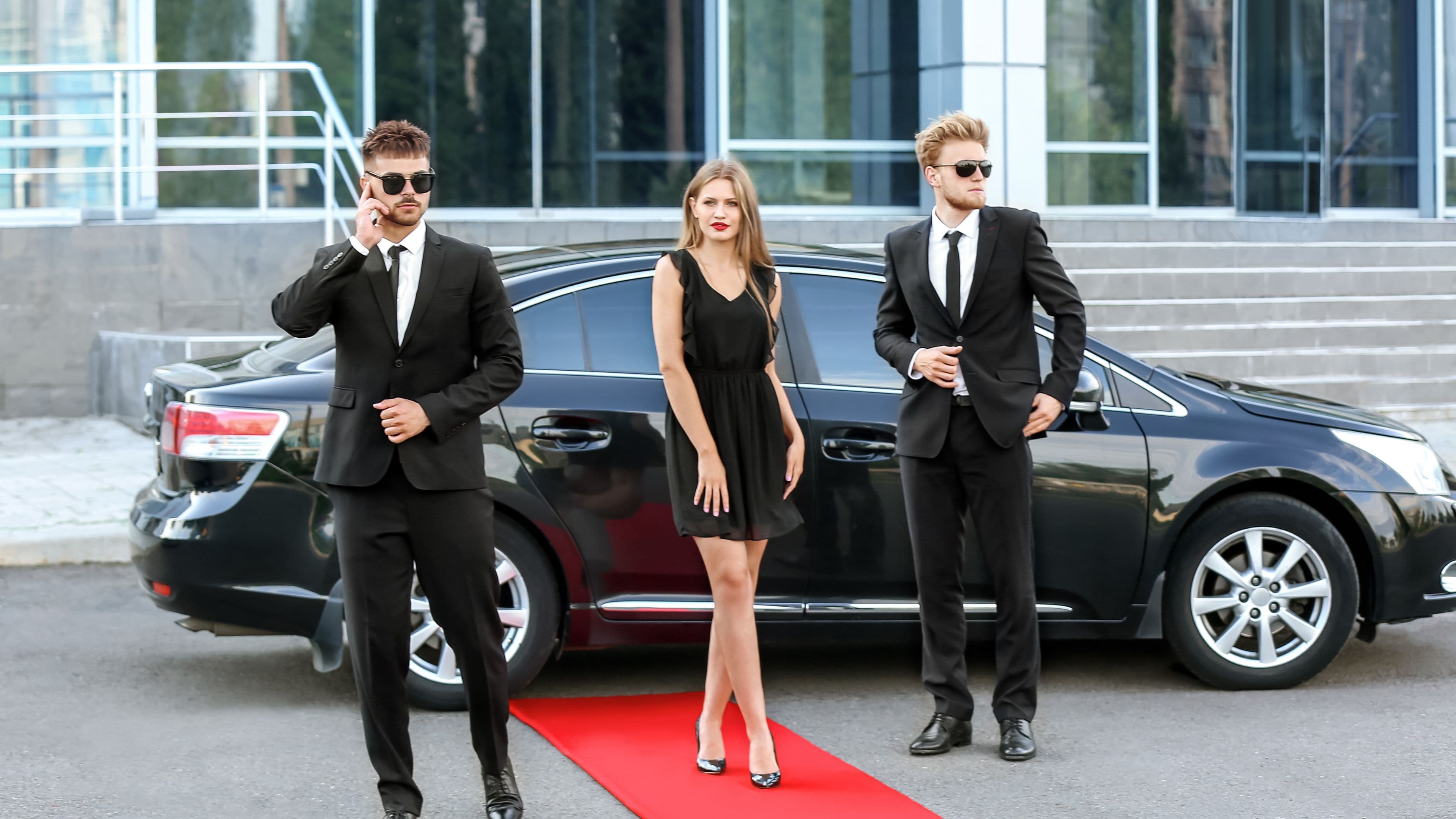
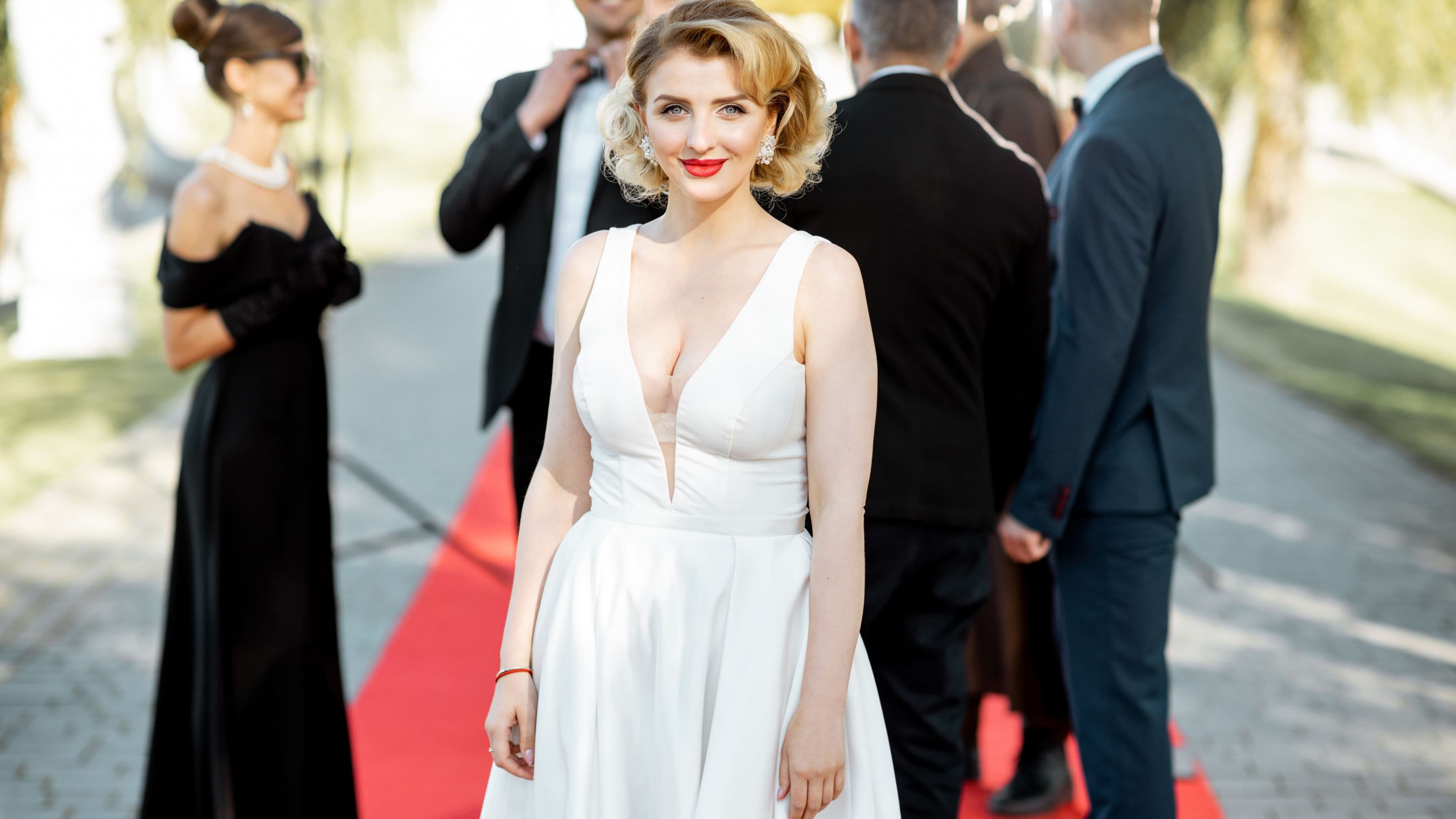
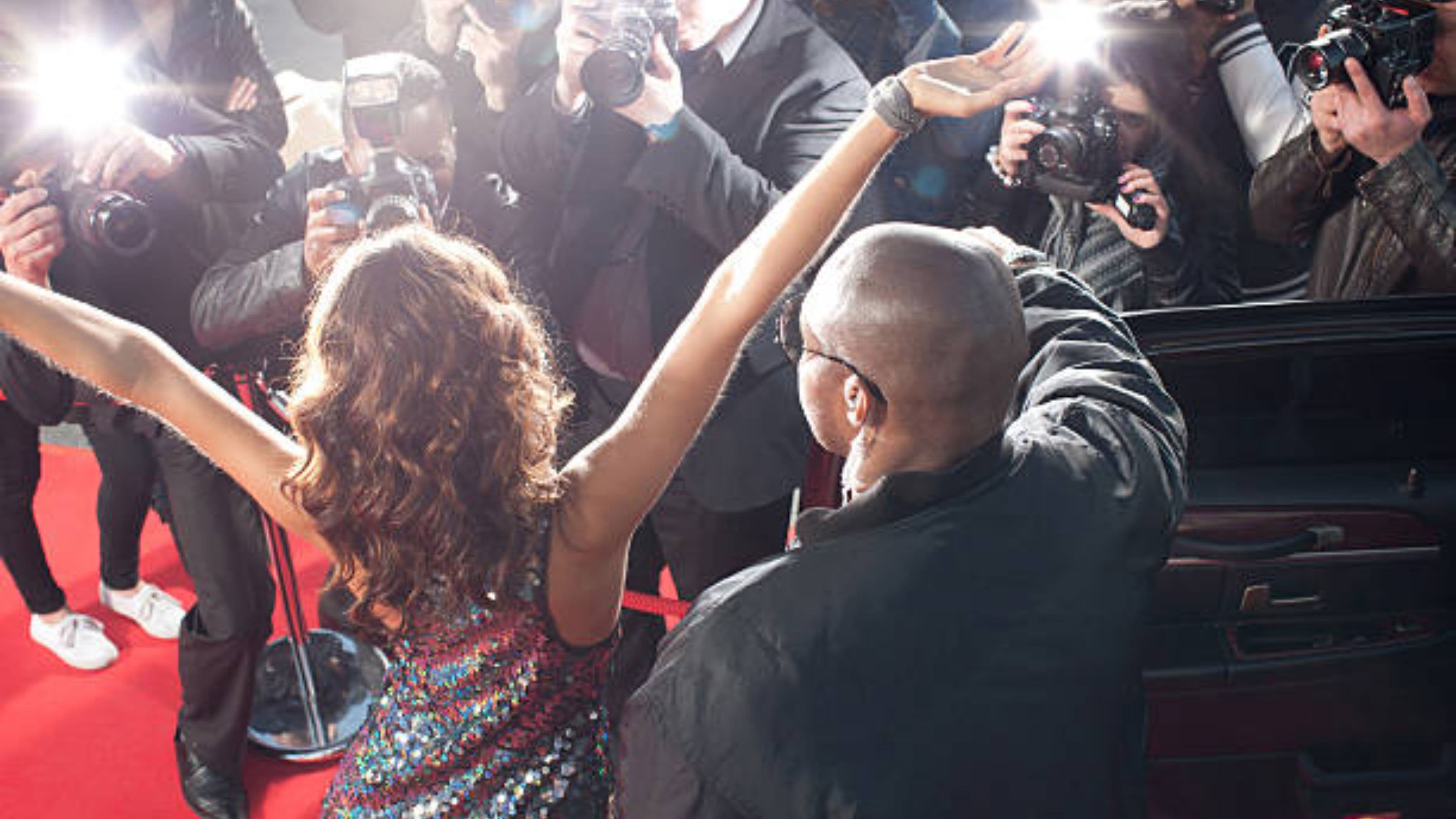
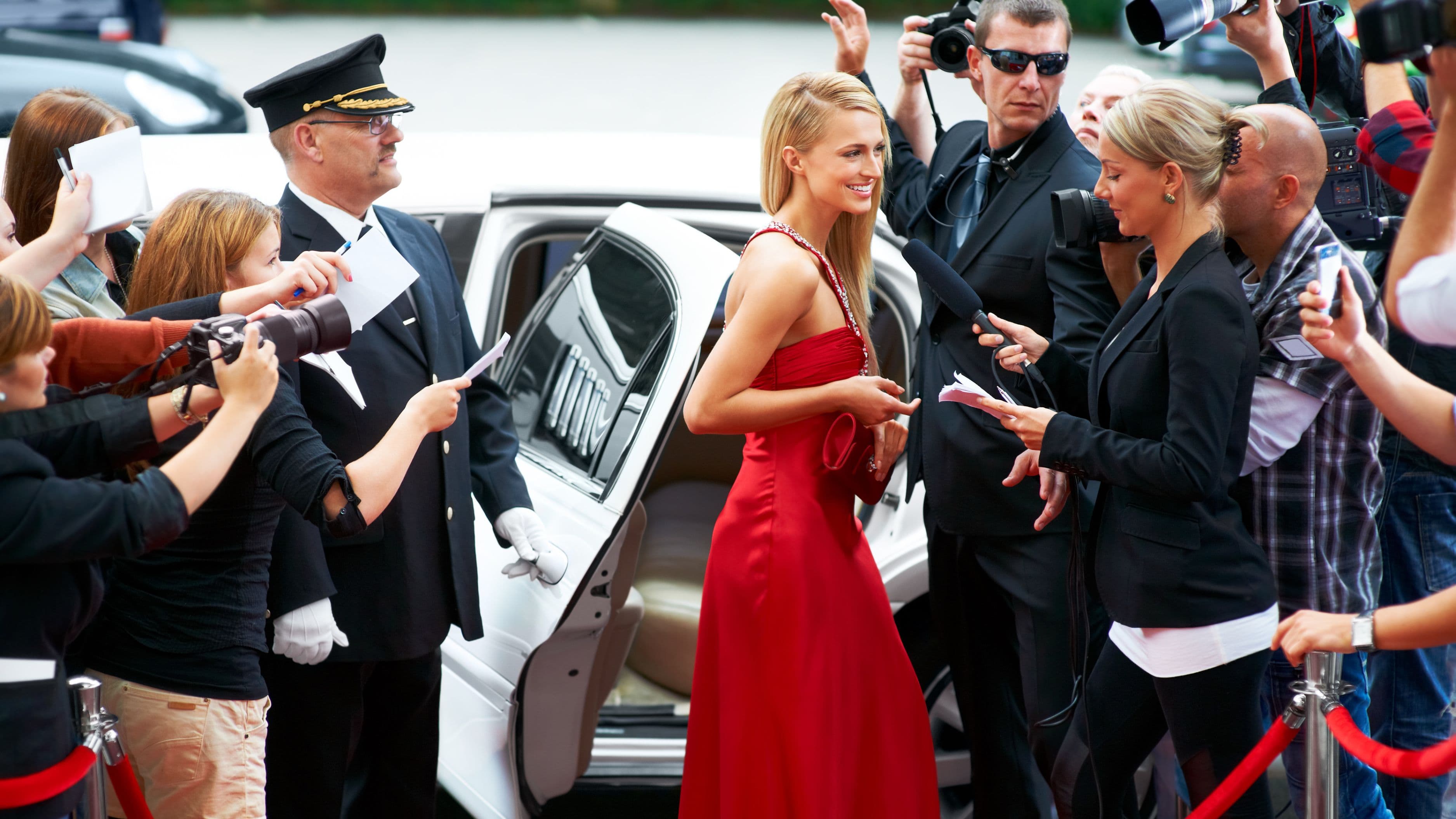
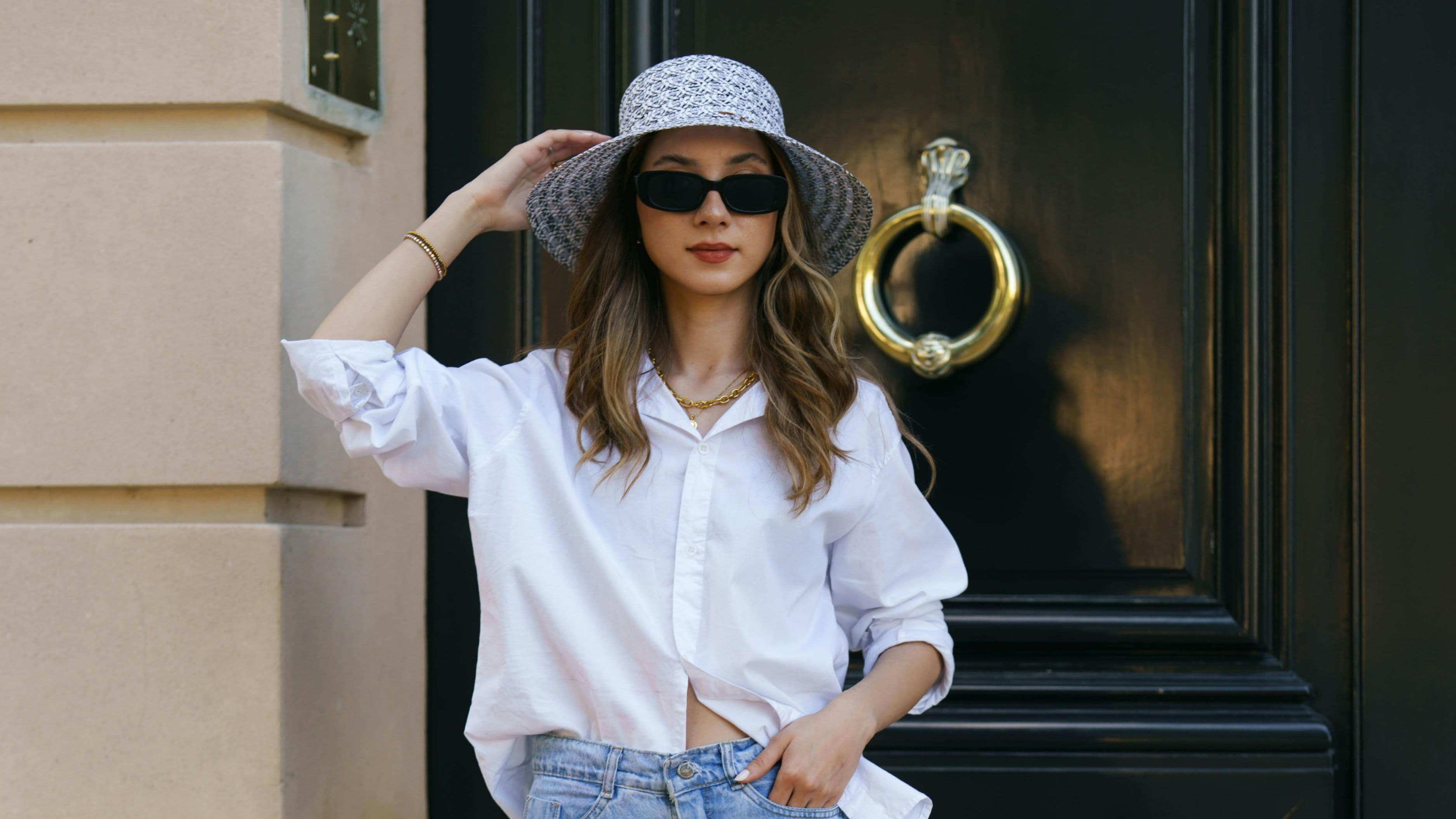
Red carpet fashion is aspirational in a way most people can't realistically replicate – custom gowns, styling teams, and price points far outside an average budget. Off-duty style works differently. It's built from pieces that look attainable – jeans, a plain jacket, sneakers – which makes it feel copyable in a way couture never does. That accessibility is the actual engine behind how a casual look becomes a broader aesthetic rather than just a single outfit photo.
The Pattern Behind How This Usually Unfolds
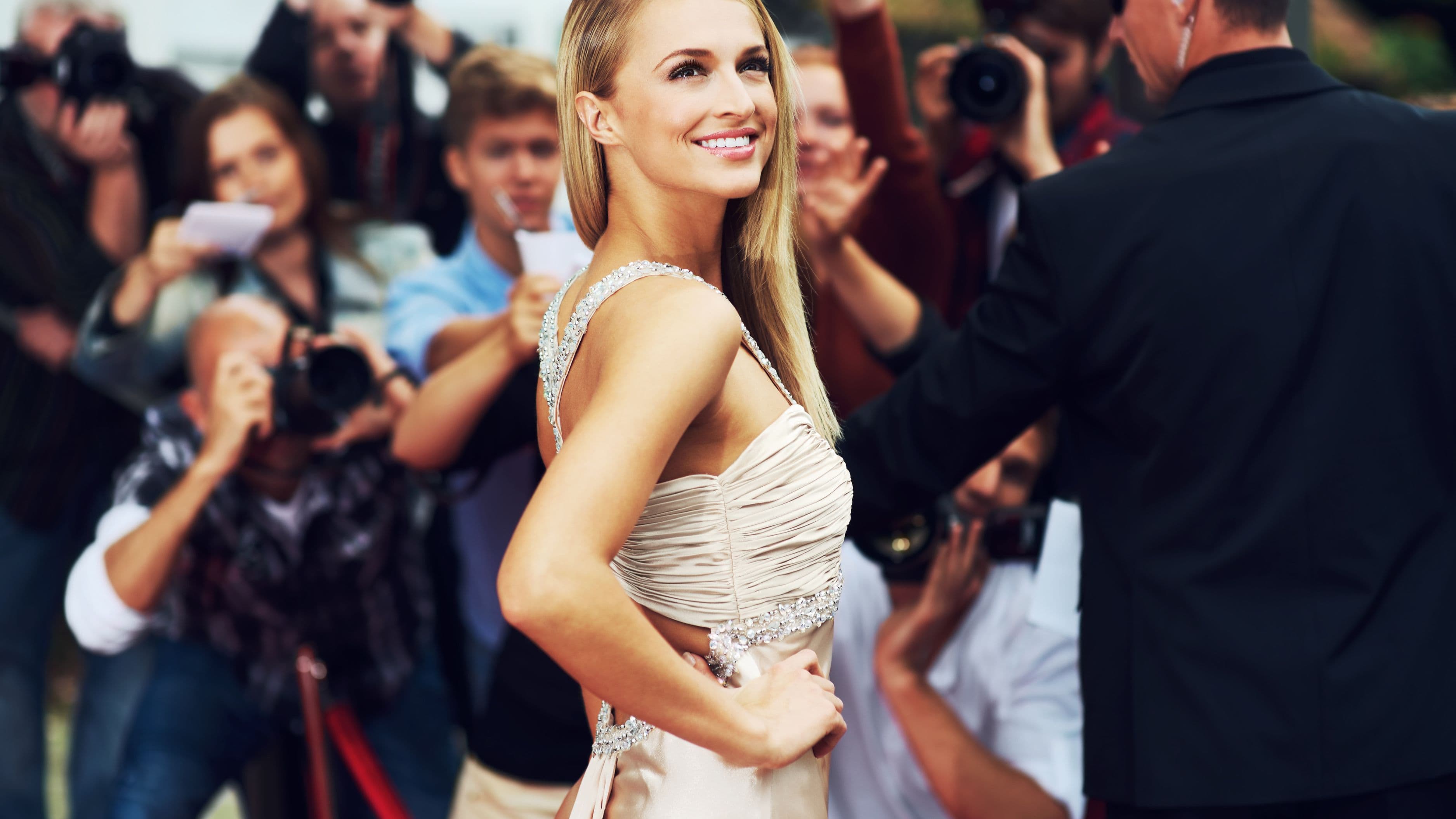
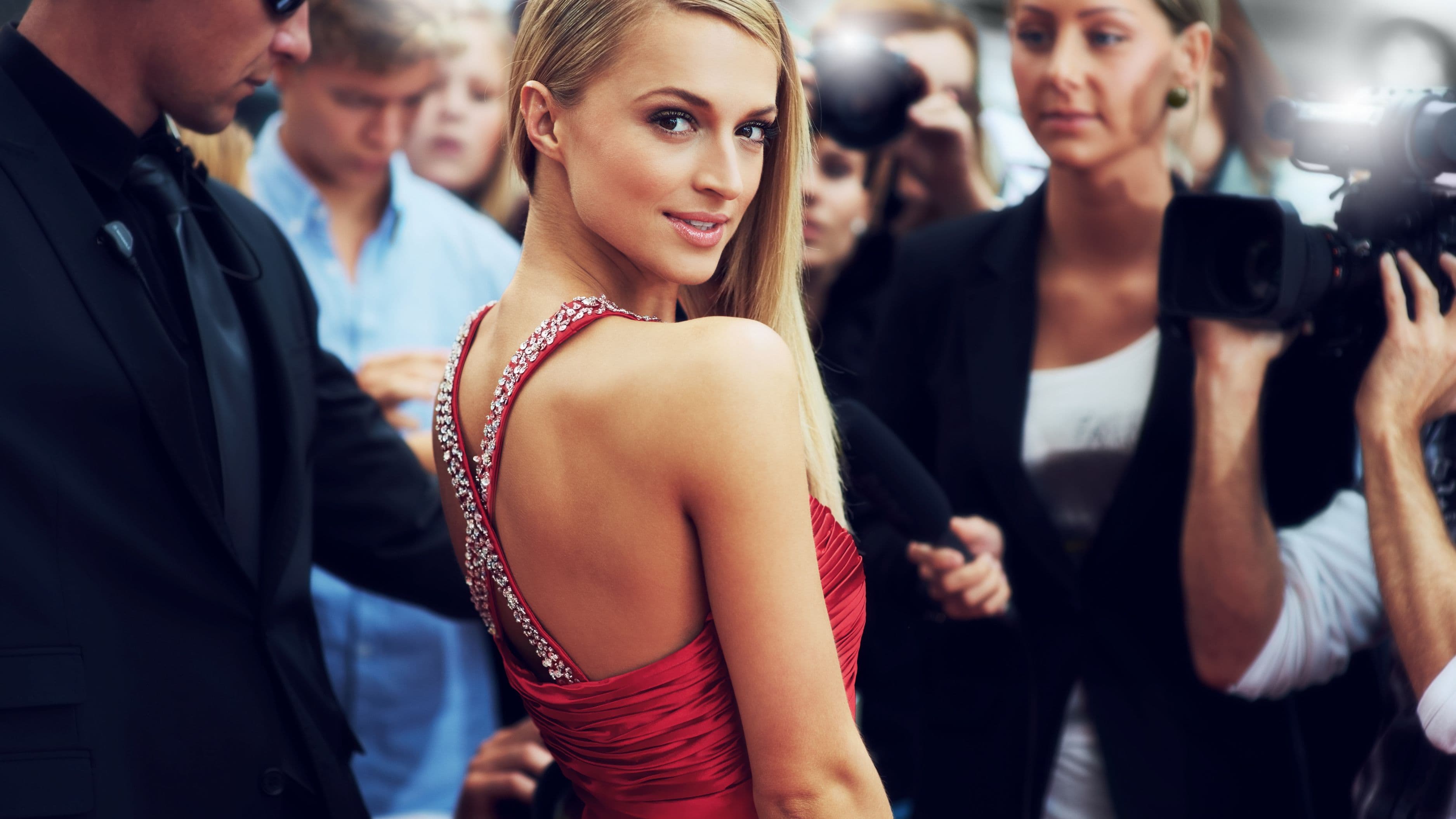
Step one: a candid photo goes viral for being unexpectedly cohesive. Paparazzi or fan photos capture a look that reads as effortlessly stylish rather than performed, and that "effortless" quality is almost always the trigger – audiences respond to looks that feel real rather than styled for a specific event.
Step two: style publications and social accounts start naming the aesthetic. Once a look catches attention, fashion media and style-focused social accounts typically coin a name or category for it, which gives the trend a shareable identity beyond just "that one outfit."
Step three: retailers and influencers create "get the look" content. Affordable versions of the key pieces start circulating, often within days, making the aesthetic accessible to a much wider audience than the original outfit's actual price point.
Step four: the aesthetic outlives the original outfit. Once it has a name and a recognizable formula, the trend becomes untethered from the specific celebrity who wore it first, evolving into a broader style category that other people – celebrities and everyday dressers alike – adopt and adapt.
What Makes an Off-Duty Look "Aesthetic-Worthy"
Not every casual outfit turns into a trend, and the ones that do tend to share a few traits: a clear, repeatable formula (a specific silhouette or color pairing that's easy to describe and replicate), a sense of internal consistency (the pieces clearly belong together rather than looking randomly assembled), and – critically – a hint of personality or context that makes the look feel like an intentional identity rather than just clothes.
Why This Matters Beyond Fashion
This pattern says as much about audience psychology as it does about clothing. People are generally more drawn to aspiration that feels reachable than aspiration that feels distant, and off-duty celebrity style occupies exactly that middle ground – recognizable enough to associate with someone famous, but simple enough to feel personally achievable.
How to Actually "Get the Look" Without Overthinking It
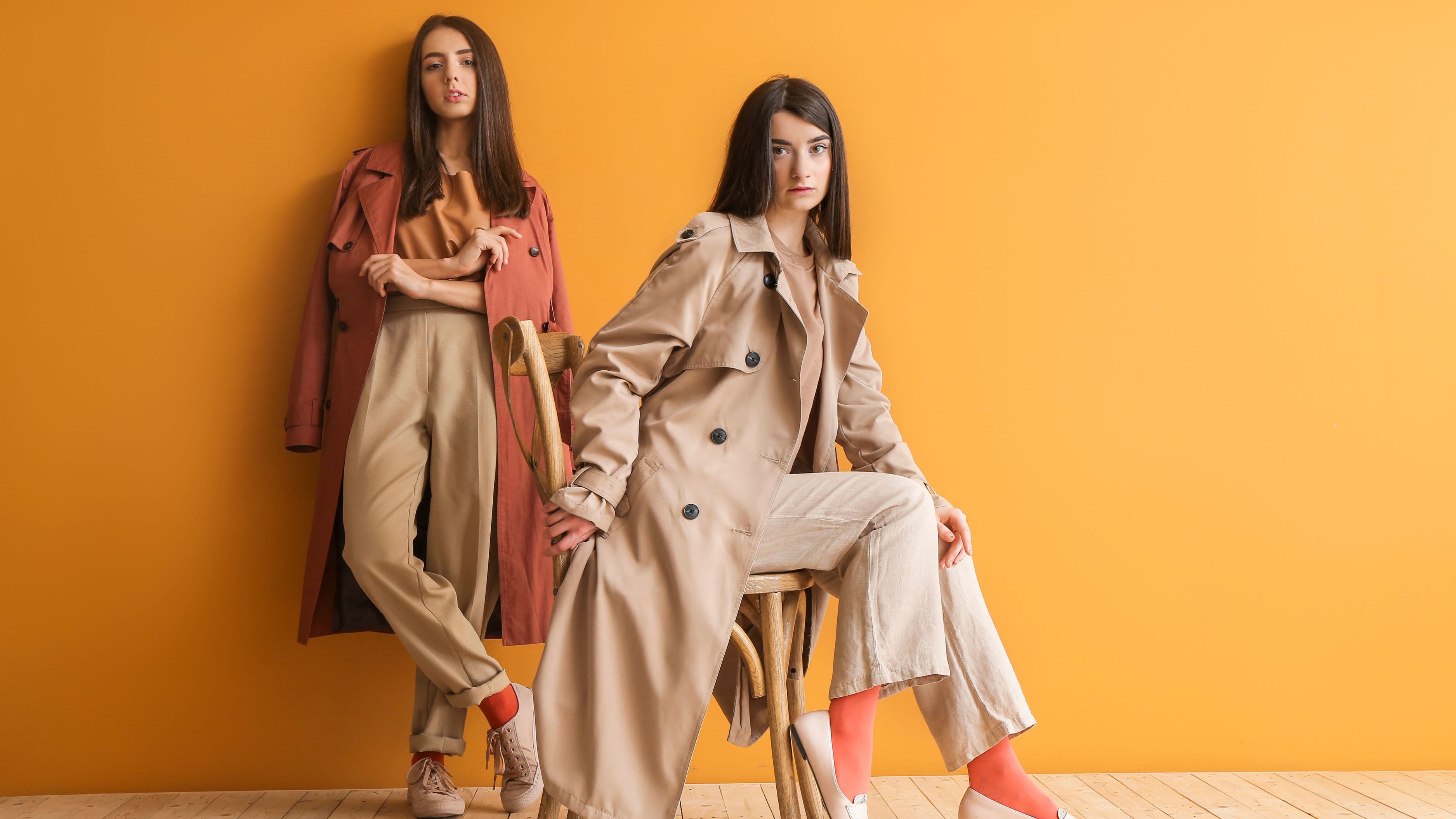
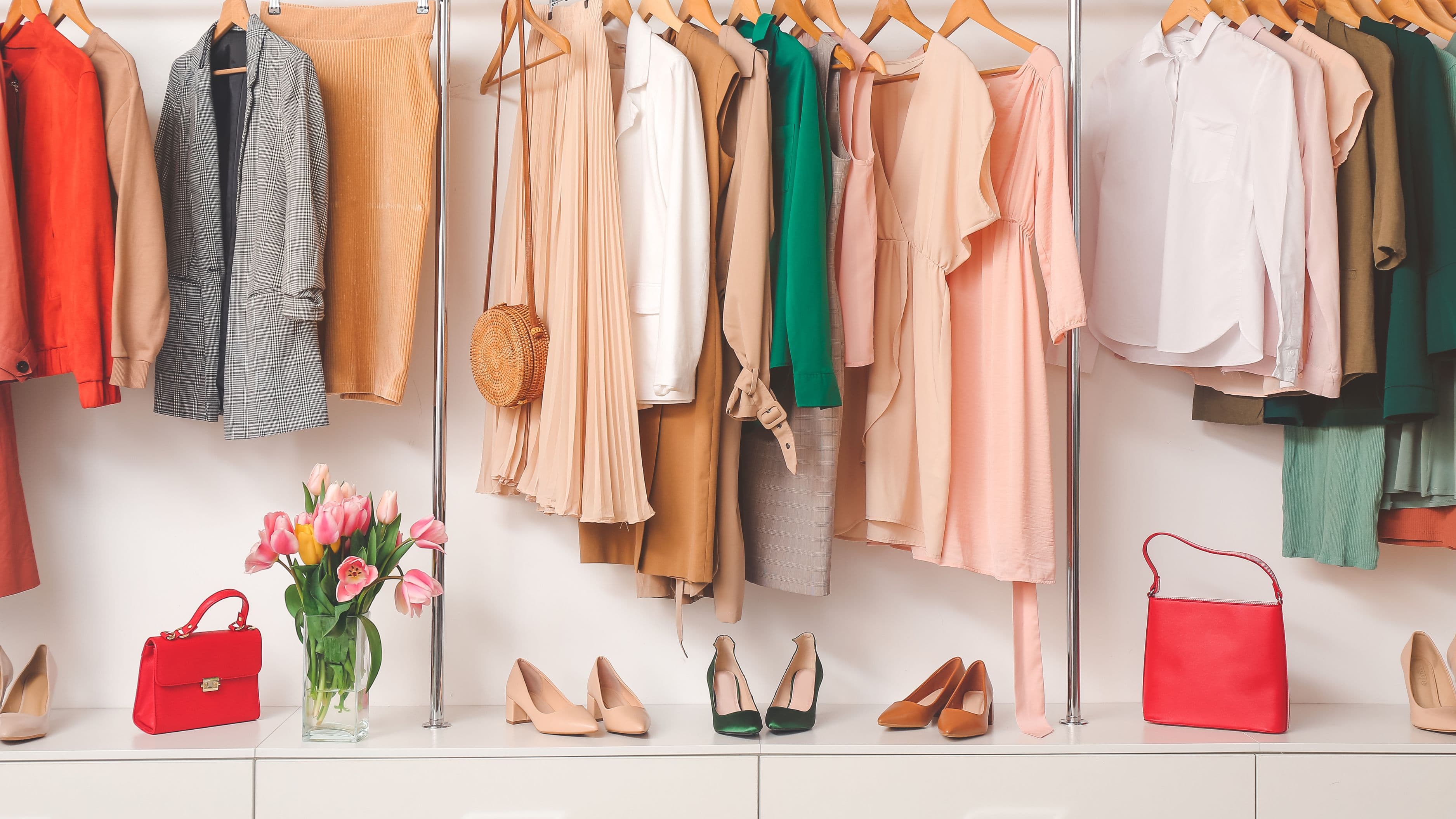
If you're trying to recreate a trending off-duty aesthetic, focus on the formula rather than the exact items – the specific silhouette, color palette, and how pieces are layered together matter more than tracking down an identical brand or product. A trend built around, say, relaxed denim, a structured jacket, and minimal accessories can be recreated at nearly any budget once you understand the actual formula driving it, rather than chasing a single exact item.
What to Avoid
Don't assume every viral "celebrity style" is a spontaneous, unstyled moment – some off-duty looks are more deliberately curated than they appear, even when marketed as effortless. Avoid overspending trying to match an exact item when the broader silhouette and color formula will achieve a nearly identical visual effect at a fraction of the cost. And be cautious about outlets attributing specific styling intentions or quotes to a celebrity without a verified, direct source – speculation about "why" someone wore something is common in entertainment coverage and isn't always confirmed.
FAQ
Are these viral off-duty looks usually genuinely spontaneous? It varies – some are unstyled candid moments, while others involve deliberate styling even when presented as casual, and it's not always possible to know which from the outside.
Why do some celebrity looks become named aesthetics while others don't? Looks with a clear, easily describable formula and a sense of relatable accessibility tend to catch on more than one-off outfits that are harder to categorize or replicate.
Is it accurate to say an aesthetic "belongs" to the celebrity who wore it first? Not entirely – once a look is named and adopted more broadly, it typically evolves beyond its original wearer into a general style category anyone can interpret.