What's Happening
AI is reshaping celebrity endorsements in two major directions at once. On one side, brands are using AI tools to personalize and scale endorsement content, generating multiple versions of an ad featuring a celebrity's likeness tailored to different markets or audiences without requiring the star to film each version individually. On the other side, AI-generated deepfakes and voice cloning have created a growing problem of unauthorized use, with scammers and even some brands using a celebrity's likeness without permission, sometimes for fraudulent products or investment scams that have nothing to do with the real person.
This tension came to a head publicly during the 2023 SAG-AFTRA strike, when actor and performer compensation tied to AI use of likeness and voice became one of the central negotiating points. The resulting agreement included new protections requiring informed consent and compensation for the use of a performer's digitally created or altered likeness, signaling that AI's role in endorsements and media generally had moved from a future concern to an immediate, contractually relevant issue.
Why It Matters
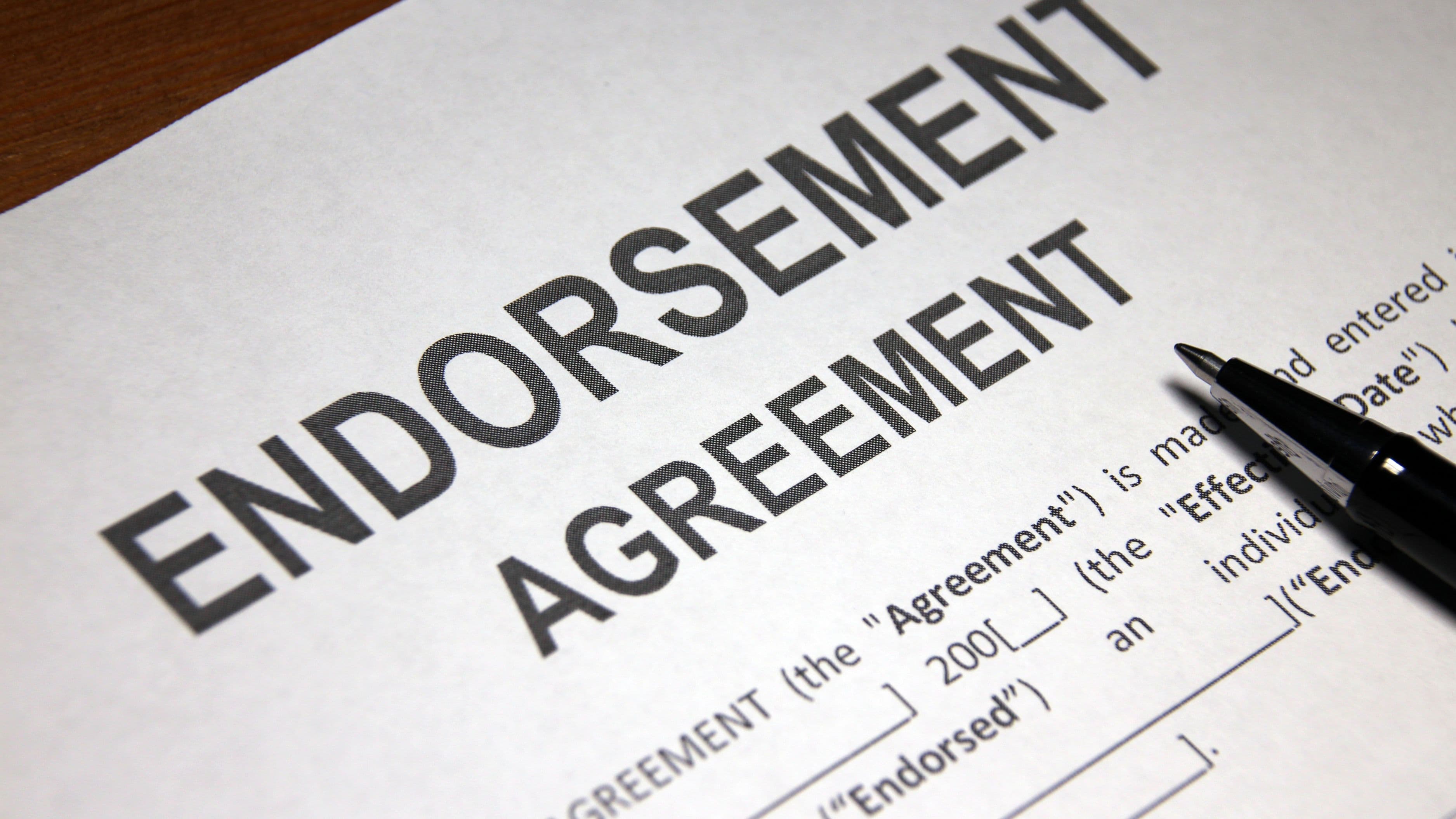
For celebrities, this shift means their likeness has effectively become a more complex, separately negotiable asset than it used to be. A star's image can now theoretically be licensed for AI-generated content, used to create localized versions of an ad in markets they've never visited, or even synthesized to "appear" in content without new filming, which opens new revenue opportunities but also new risks if those rights aren't carefully defined and protected in a contract.
Brands, meanwhile, are drawn to AI-driven endorsements for the efficiency and scale it offers. Generating multiple ad variations, translating campaigns into different languages using a synthesized version of a celebrity's voice, or producing rapid social content tied to a trending moment can all happen faster and cheaper with AI tools than traditional production methods allow. This efficiency is part of why AI-assisted endorsement deals are becoming more common across the industry, even as the legal and ethical framework around them is still being worked out.
The flip side is a growing trust problem for audiences. As AI-generated content featuring real or AI-generated celebrity likenesses becomes more common and more convincing, distinguishing an authentic endorsement from a fabricated or unauthorized one is getting harder for the average consumer. This has fueled a wave of scam advertisements using deepfaked celebrity videos to promote fraudulent products, a problem multiple public figures have had to publicly address and warn fans about.
What It Means for Fans and the Industry
For fans, this means approaching celebrity endorsements online with a bit more scrutiny than before, particularly for ads that seem to appear suddenly across social platforms featuring a celebrity in a context that doesn't match their usual public presence. Verifying endorsements through a celebrity's official, verified accounts or confirmed brand partnerships has become a more relevant habit than it used to be, given how convincing unauthorized AI-generated content has become.
For the industry, expect contracts between celebrities, agents, and brands to keep evolving with more specific language around AI use, licensing terms for likeness and voice, and clearer compensation structures tied specifically to AI-generated content rather than traditional appearances. The SAG-AFTRA agreement set an early template, and similar conversations are increasingly showing up across modeling, music, and influencer contracts as the same underlying technology touches those industries too.
What to Watch Next
Keep an eye on how platforms and regulators respond to the deepfake scam problem specifically, since public pressure on this issue has been building, and clearer rules around disclosure and liability for unauthorized AI-generated endorsements are a likely next development. It's also worth watching how major brands position AI-assisted endorsement deals publicly going forward, since transparency about when and how AI was used in a campaign is becoming a more visible part of how some companies are choosing to differentiate themselves.
FAQ
Are celebrities being paid for AI use of their likeness now? Following the 2023 SAG-AFTRA agreement, performers covered under that contract have specific protections requiring consent and compensation for AI use of their digital likeness, and similar terms are increasingly being negotiated industry-wide beyond that specific agreement.
How can I tell if a celebrity endorsement is real or AI-generated without permission? Checking a celebrity's official verified social accounts for confirmation of a partnership, and being cautious of ads that seem to appear out of nowhere promoting unfamiliar products, are practical ways to spot potentially unauthorized AI-generated content.
Is AI use in endorsements always unauthorized or scammy? No – many AI-assisted endorsement campaigns are legitimate, properly licensed partnerships where the celebrity has consented to and been compensated for the use of their likeness in AI-generated content; the concern specifically involves unauthorized use, like deepfake scam ads.
Will AI eventually replace traditional celebrity endorsements entirely? It's more likely to change how endorsements are produced and scaled rather than replace the underlying value of celebrity association itself, since audience trust and authentic connection to a public figure remain central to why endorsements work in the first place.
The relationship between celebrities and brands isn't disappearing, but the technology behind how that relationship gets monetized and protected is shifting quickly. Expect more public conversations, clearer contracts, and continued tension between innovation and unauthorized use as this trend keeps developing.
📚 Sources
SAG-AFTRA – 2023 TV/Theatrical Contract Agreement Summary - https://www.sagaftra.org/contracts-industry-resources/contracts/2023-tvtheatrical-contracts
Federal Trade Commission – AI and Deepfake Scam Warnings - https://consumer.ftc.gov/consumer-alerts/2023/03/scammers-use-ai-enhance-their-family-emergency-schemes