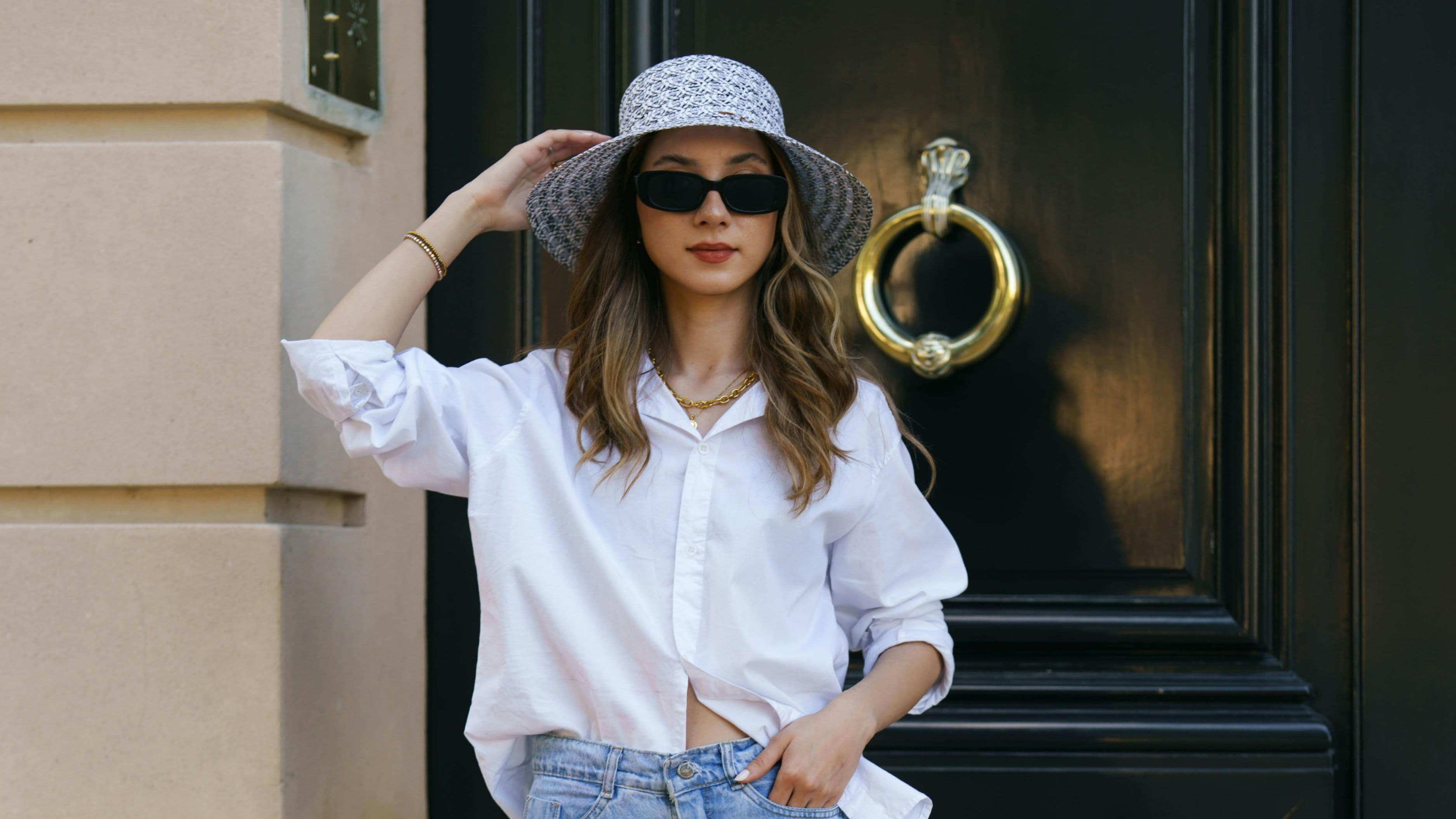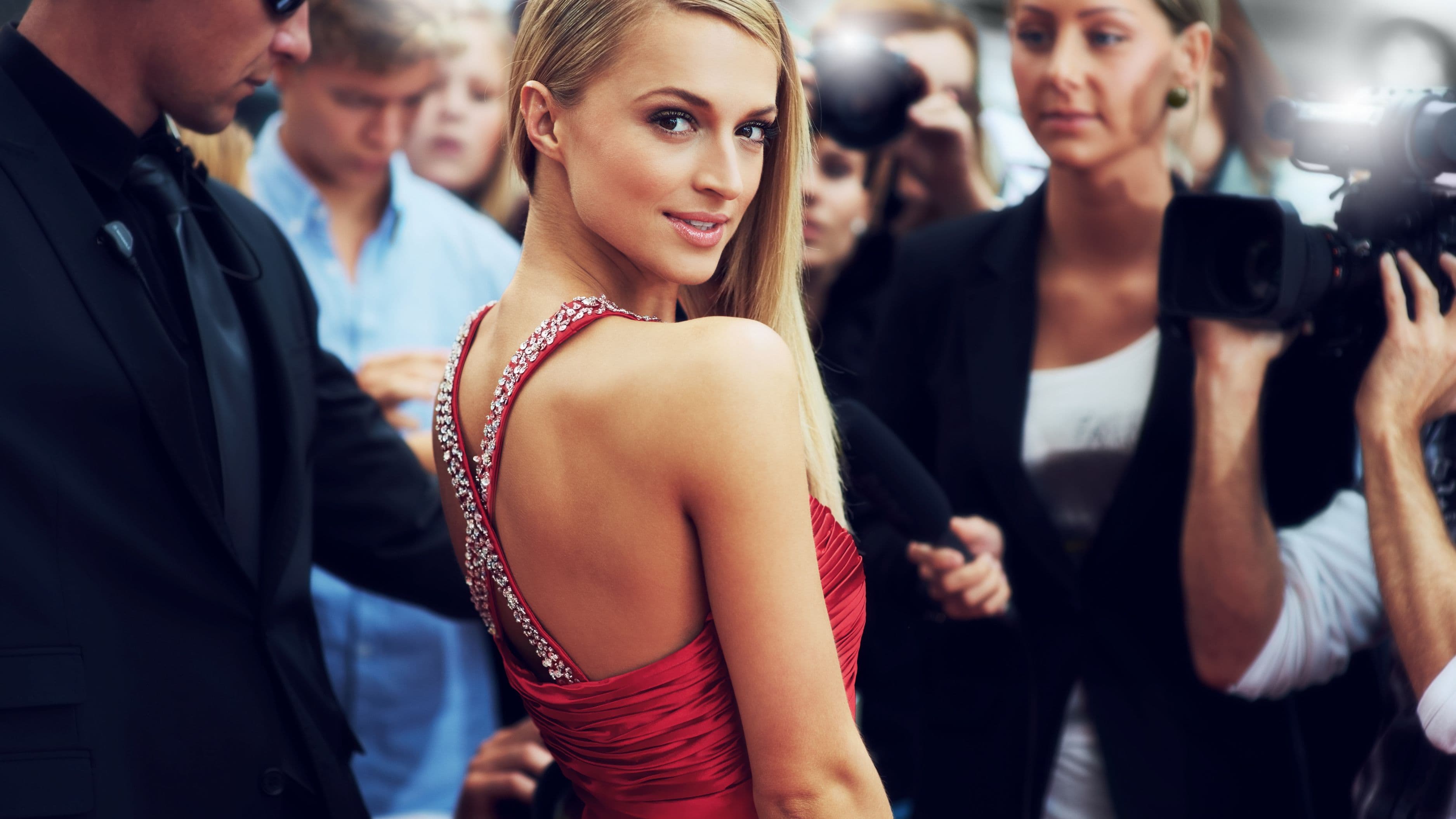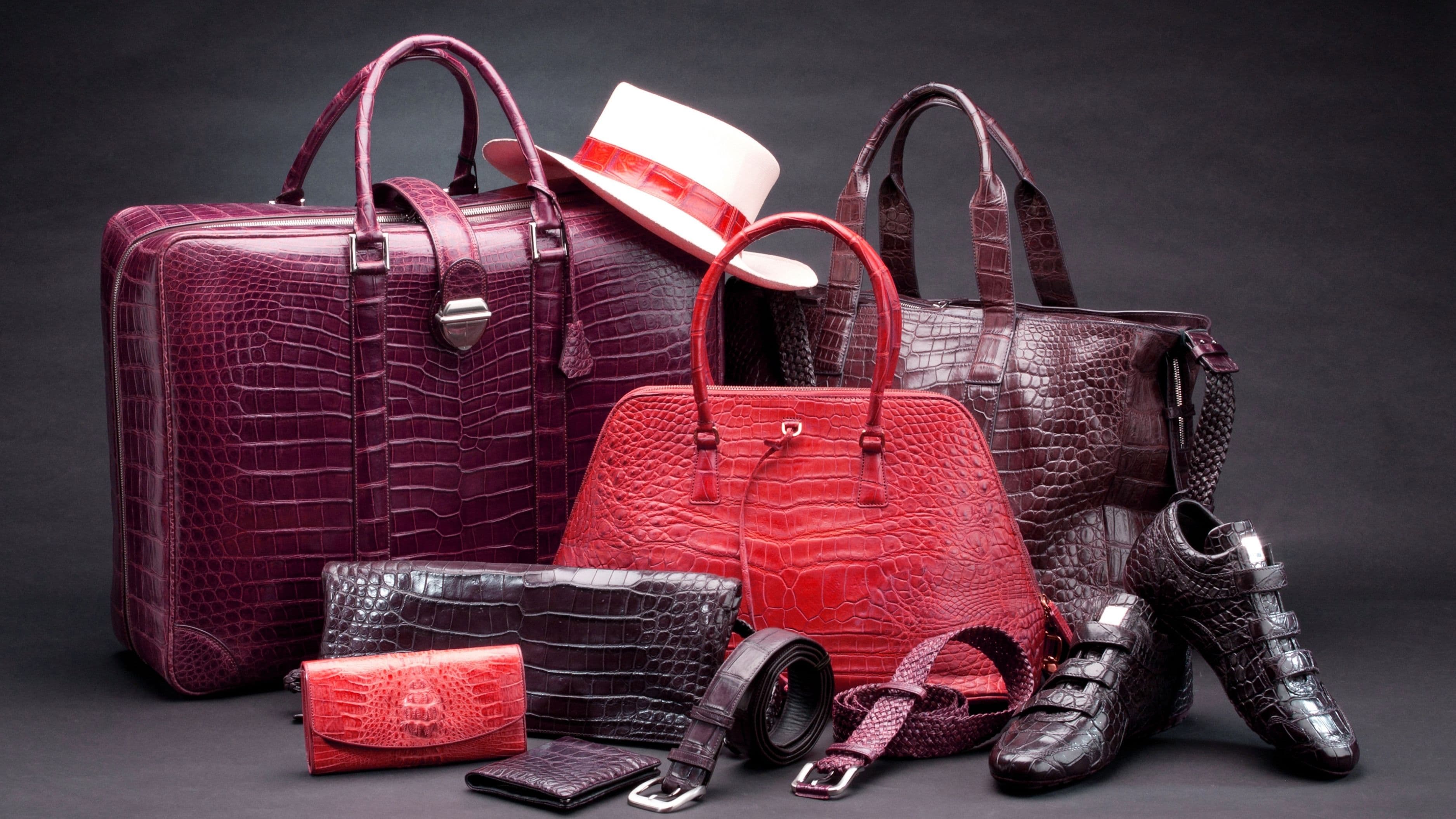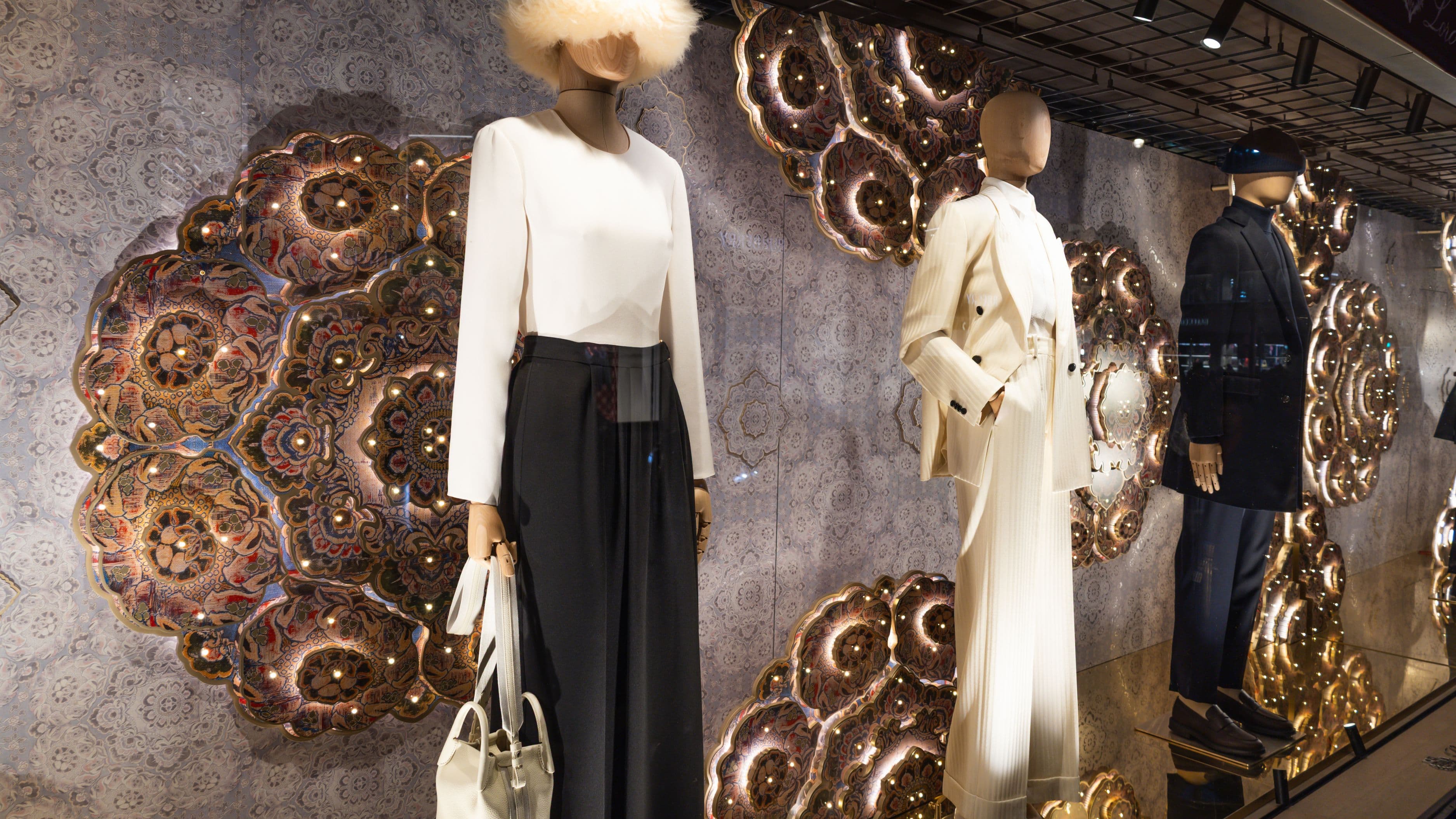
From off-duty street style to casual event appearances, the minimalist approach has become one of the defining celebrity aesthetics of the 2020s. And the best part about it? The core pieces are more achievable than most celebrity looks, because the whole philosophy is built around versatility, quality, and restraint.
What Celebrity Minimalism Actually Is
Celebrity minimalism isn't just wearing neutral colors or ditching patterns – though that's often part of it. At its core, it's a wardrobe philosophy built around a small number of very good pieces that work together in multiple combinations. The goal is maximum outfit-to-wardrobe-size ratio: fewer items, more looks, no visual noise.
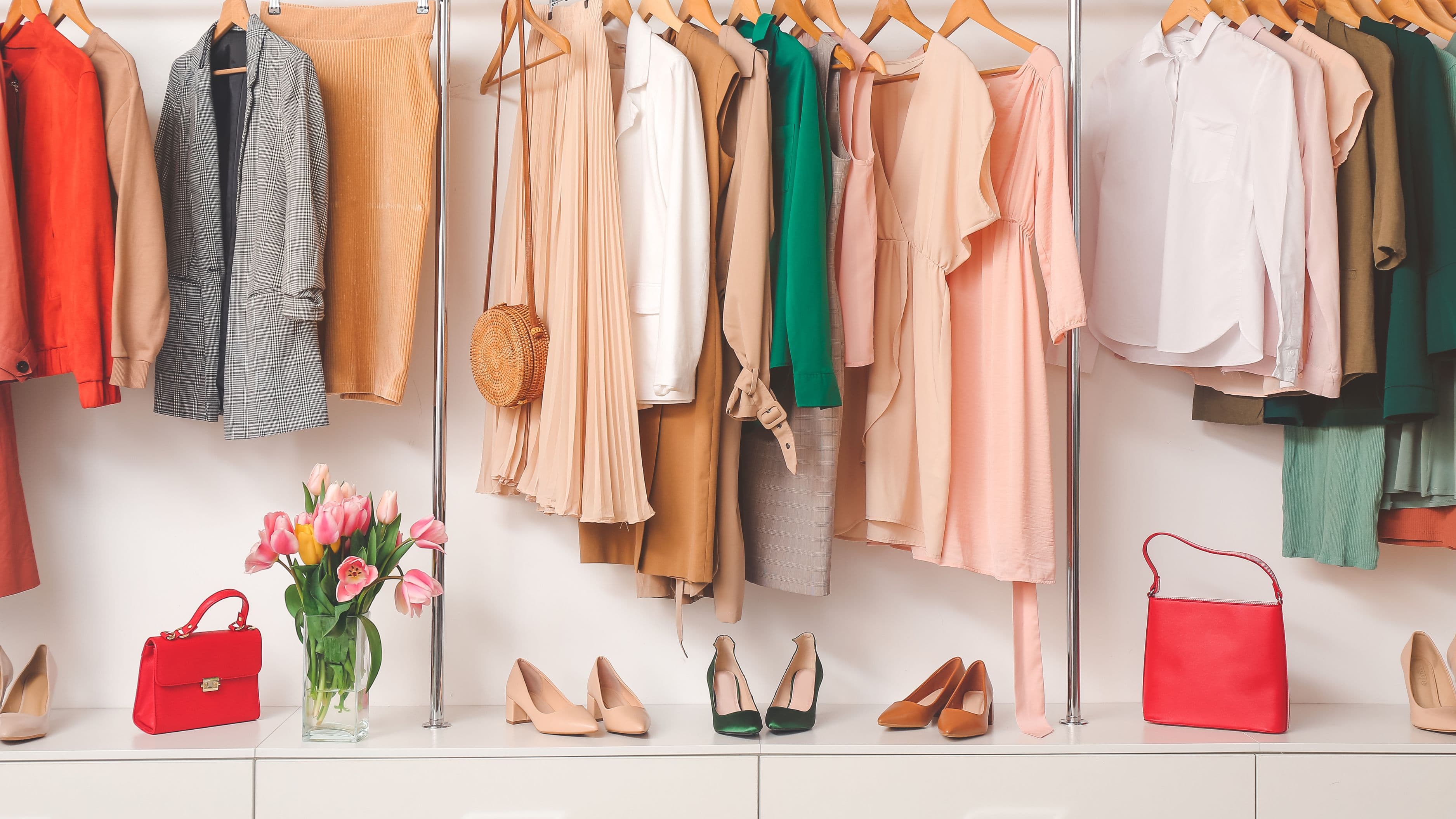
The aesthetic leans heavily on neutral tones – cream, off-white, camel, grey, navy, chocolate brown, and black – with clean lines, high-quality fabrics, and intentional fits. What you won't find in a true celebrity minimalist wardrobe: loud logos plastered across everything, fast fashion rotation, or pieces bought specifically for a single occasion. Everything earns its place by working with at least three other things already in the closet.
This look has been associated with a specific generation of celebrities and public figures who've built their style identity around understated precision rather than spectacle. Think of the kind of person who steps off a plane in a white tee, dark trousers, and clean sneakers – and somehow looks like they tried exactly the right amount. Not effortless in the way that looks accidental. Effortless in the way that looks considered.
The Foundation Pieces
Every celebrity minimalist wardrobe is built on the same core architecture, even if the specific brands and price points vary.
The perfect white tee. This is the piece that reveals the most about the approach, because quality is immediately apparent in a plain white tee. The right one has a slightly weighty fabric that holds its shape, a neckline that stays put, and a fit that's neither boxy nor too fitted. It works under a blazer, with tailored trousers, tucked into a high-waisted skirt, or worn alone with straight-leg jeans. Celebrities tend to reach for brands known for fabric weight and longevity over novelty. A white tee in this price bracket is an investment that pays back in cost-per-wear over years.
Tailored trousers in a neutral. Not the kind that sit on the waist, but the kind that sit just right – a slightly high rise, a clean break at the ankle, a straight or slightly wide leg that photographs well and feels structured without being stiff. Camel, charcoal, black, and ivory are the go-to colorways. These trousers anchor the entire look and elevate everything they're paired with. The secret is in the fit: celebrity minimalism's trousers always look like they were cut specifically for the person wearing them, whether or not they were.
A well-cut blazer. Oversized enough to feel intentional, structured enough to still read as a blazer rather than a shapeless jacket. Worn over the white tee, over a slip dress, draped over shoulders at dinner, or belted with nothing underneath – the blazer is the single most versatile piece in the minimalist wardrobe and the one that does the most visual work per dollar spent. Oatmeal, charcoal, cream, and classic black are the versions that appear most frequently in the celebrity minimalist rotation.
Clean, simple footwear. Minimalist footwear choices fall into two categories: extremely clean sneakers (white leather, simple silhouette, no bold colorway) and equally clean heeled options (a pointed-toe mule, a low block heel, a simple strappy sandal). The brand on the shoe matters less than the silhouette – a clean, unadorned shoe that doesn't compete with the outfit. No chunky dad shoes, no logo-heavy athletic silhouettes. The footwear exists to finish the look, not to be the look.
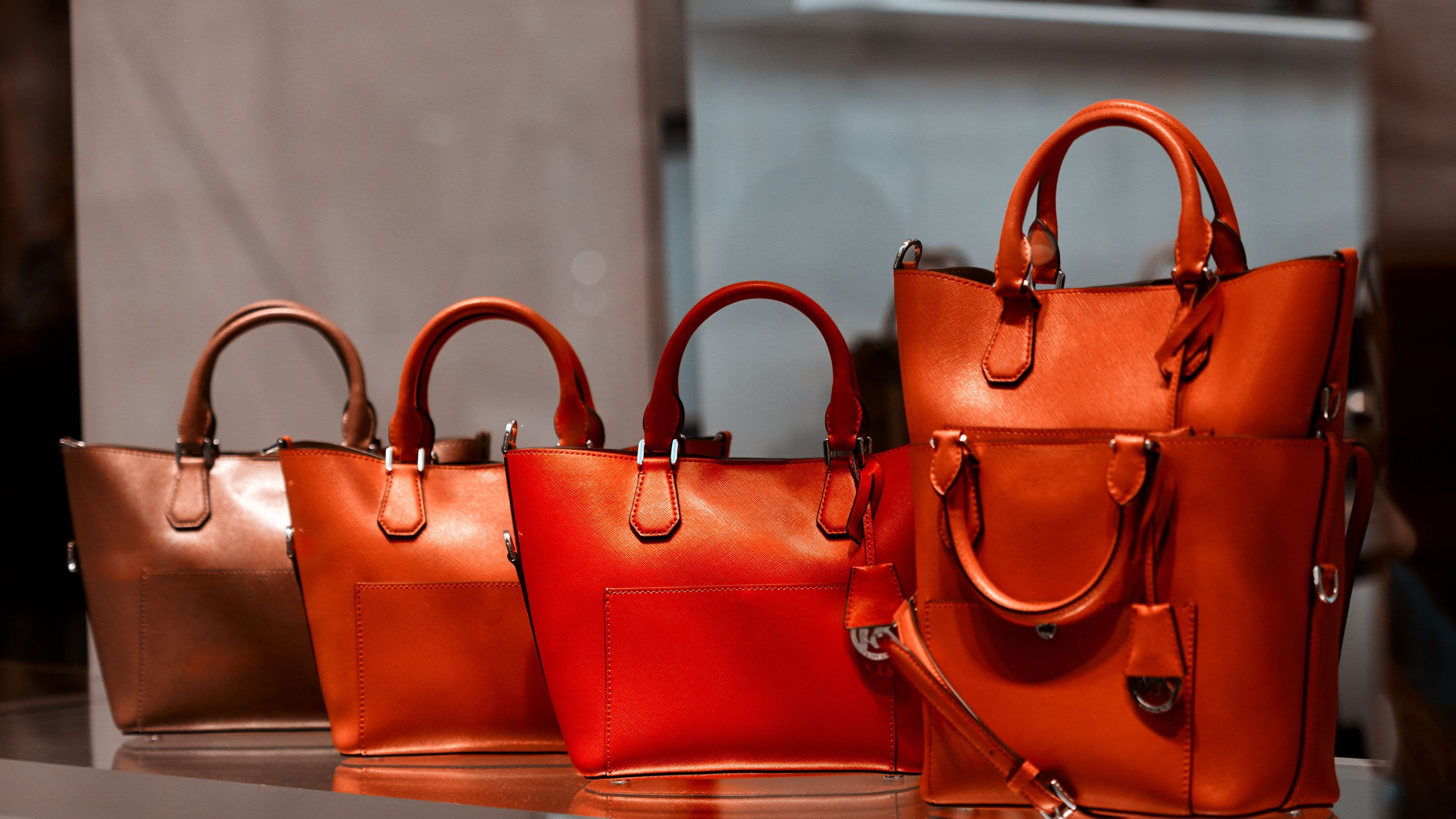
The investment bag. This is often the one place in a celebrity minimalist wardrobe where significant money is spent and visible. A structured leather bag in a neutral colorway – often in a classic style from a house with genuine heritage – reads as the anchor of the outfit. It's carried season after season, which means the cost-per-use calculation actually works out, even at luxury price points. The specific choices vary: a structured top-handle, a thoughtful shoulder bag, an understated bucket style. What they share is that they're immediately recognizable as quality without being immediately recognizable as status signaling.
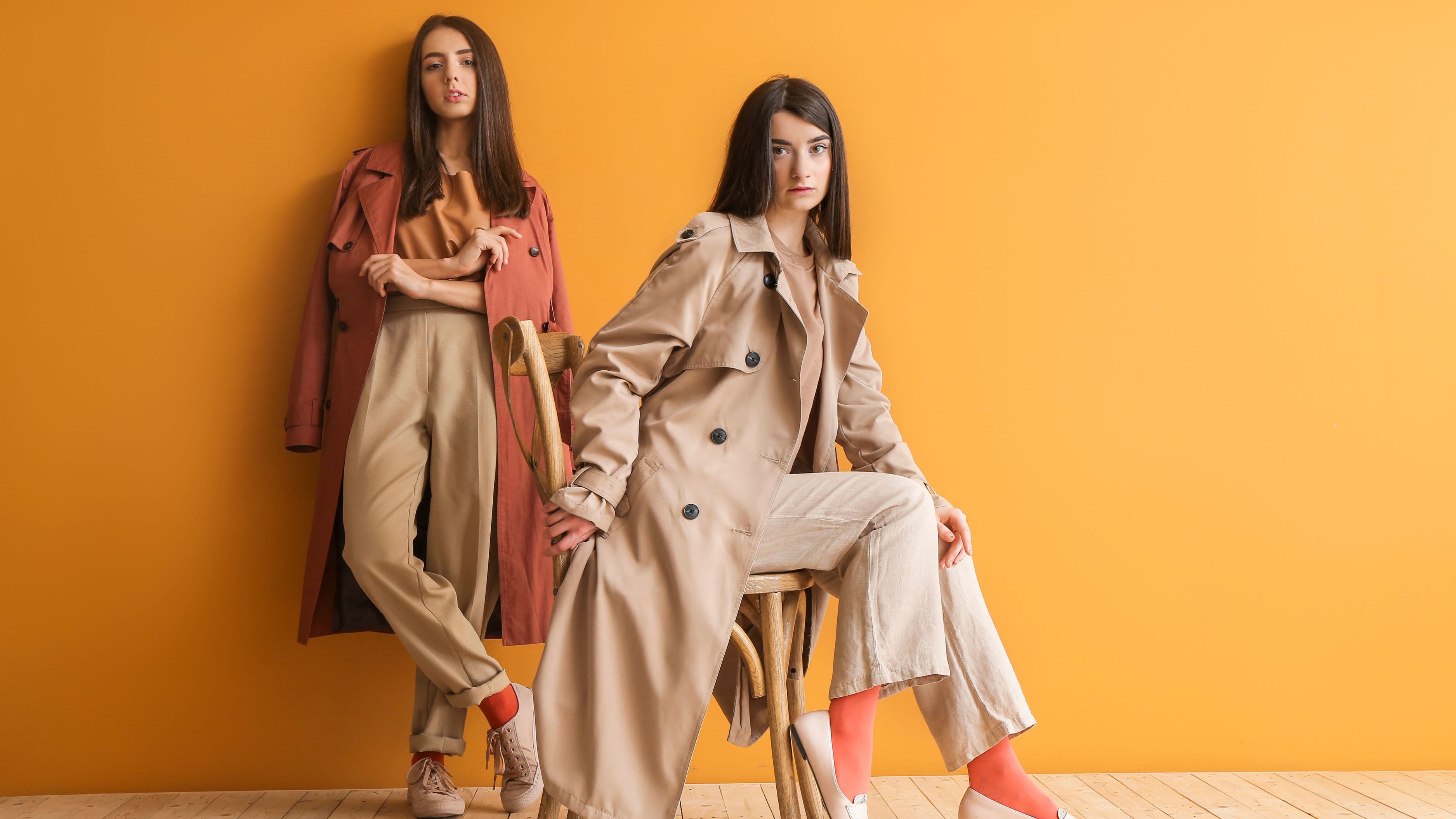
Quality outerwear. A camel coat or a well-tailored trench in a neutral that works over everything else in the wardrobe. This piece appears in paparazzi shots, airport photos, and casual event appearances because it's the layer that ties the whole outfit together and communicates the whole wardrobe philosophy in a single glance.
The Color Rule
Celebrity minimalism runs on a very specific color logic: neutrals that work together, with occasional deliberate deviation. The palette is cream, white, ivory, camel, tan, greige, brown, charcoal, black, and navy. Within that range, pieces mix and match freely because the tones sit in the same family.
The occasional pop of color that shows up in a minimalist wardrobe is typically muted – an olive green, a dusty rose, a deep burgundy – rather than anything saturated or bright. When a print appears, it's usually a subtle one: a small stripe, a very fine check, a tone-on-tone pattern that reads as texture rather than print from a distance.
This color discipline is what makes the wardrobe feel cohesive rather than mismatched, and it's what allows fewer pieces to generate more combinations. When everything works with everything else, you never open the closet and feel like you have nothing to wear.
The Fabric Factor
Fabric is where celebrity minimalism distinguishes itself from budget minimalism, and it's worth being honest about this. A cotton tee in a neutral colorway from a fast fashion retailer and a cotton tee from a quality basics brand look different on the body and photograph differently, and that gap is visible. The minimalist aesthetic relies on fabric quality to do visual work that pattern, color, and embellishment don't do.
The fabrics that appear most consistently in this aesthetic are heavyweight cotton for basics, wool and wool-blend for tailoring and outerwear, natural linen for relaxed summer pieces, and leather or quality-adjacent materials for bags and footwear. Synthetics appear sparingly and mostly in performance or activewear contexts.
This doesn't mean the wardrobe has to be expensive across the board. Strategic investment in the pieces that are most visible – a blazer, a bag, outerwear – combined with smart choices in the foundation pieces (good basics from brands that prioritize fabric quality over novelty) is how most people actually build this look in real life, even if the celebrity version involves significantly larger budgets.
How to Start Building It
The most common mistake people make when attempting a minimalist wardrobe is trying to do it all at once – donating everything and replacing it overnight. That approach is both wasteful and counterproductive, because you end up buying quickly and buying wrong.
The better approach is editing first. Go through what you already own and identify what fits the neutral, clean-line, versatile criteria – these stay. What doesn't work in this palette or doesn't connect to anything else – these go. Most people are surprised by how much of what they already own is usable within a minimalist framework once the pieces that create visual noise are removed.
Then fill the gaps slowly, with intention. Identify the two or three specific pieces that would give you the most combinatorial flexibility from what you already have. Buy those first, buy them well, and live with them for a few months before buying anything else. The patience is the practice.
The other piece of the celebrity minimalist equation that doesn't get discussed enough is fit. Tailoring inexpensive pieces to fit properly consistently produces results that beat expensive pieces in the wrong size. A $60 blazer tailored to your proportions looks more expensive than a $300 blazer that doesn't fit. When you're building a wardrobe around clean lines and simplicity, fit is doing most of the work.
The Minimalist Mindset Behind the Look
What makes the celebrity minimalist aesthetic compelling beyond the aesthetics is the philosophy underneath it. The people who genuinely embody this look aren't just following a style trend – they've made a decision about how they want to move through the world. They want to spend less mental energy on getting dressed. They want to look consistent and intentional. They want to invest in things that last rather than chasing what's new each season.
That mindset is accessible at any budget. The specific price points of the pieces change, but the logic doesn't: fewer things, better things, things that work together, things that last. That's it. That's the whole wardrobe. And once you build it, getting dressed stops being a daily negotiation and starts being a reliable system.
Which is exactly why it looks so effortless on the people who've actually done it.
📚 Sources
Vogue – The Case for a Capsule Wardrobe: https://www.vogue.com/article/capsule-wardrobe-guide-minimalist-style
Who What Wear – Celebrity Minimalist Style Breakdown: https://www.whowhatwear.com/celebrity-minimalist-style
Harper's Bazaar – How to Build a Minimalist Wardrobe: https://www.harpersbazaar.com/fashion/trends/a25861946/how-to-build-a-minimalist-wardrobe/
The Zoe Report – Quiet Luxury Style Guide: https://www.thezoereport.com/fashion/quiet-luxury-style-guide
Byrdie – Minimalist Wardrobe Essentials: https://www.byrdie.com/minimalist-wardrobe