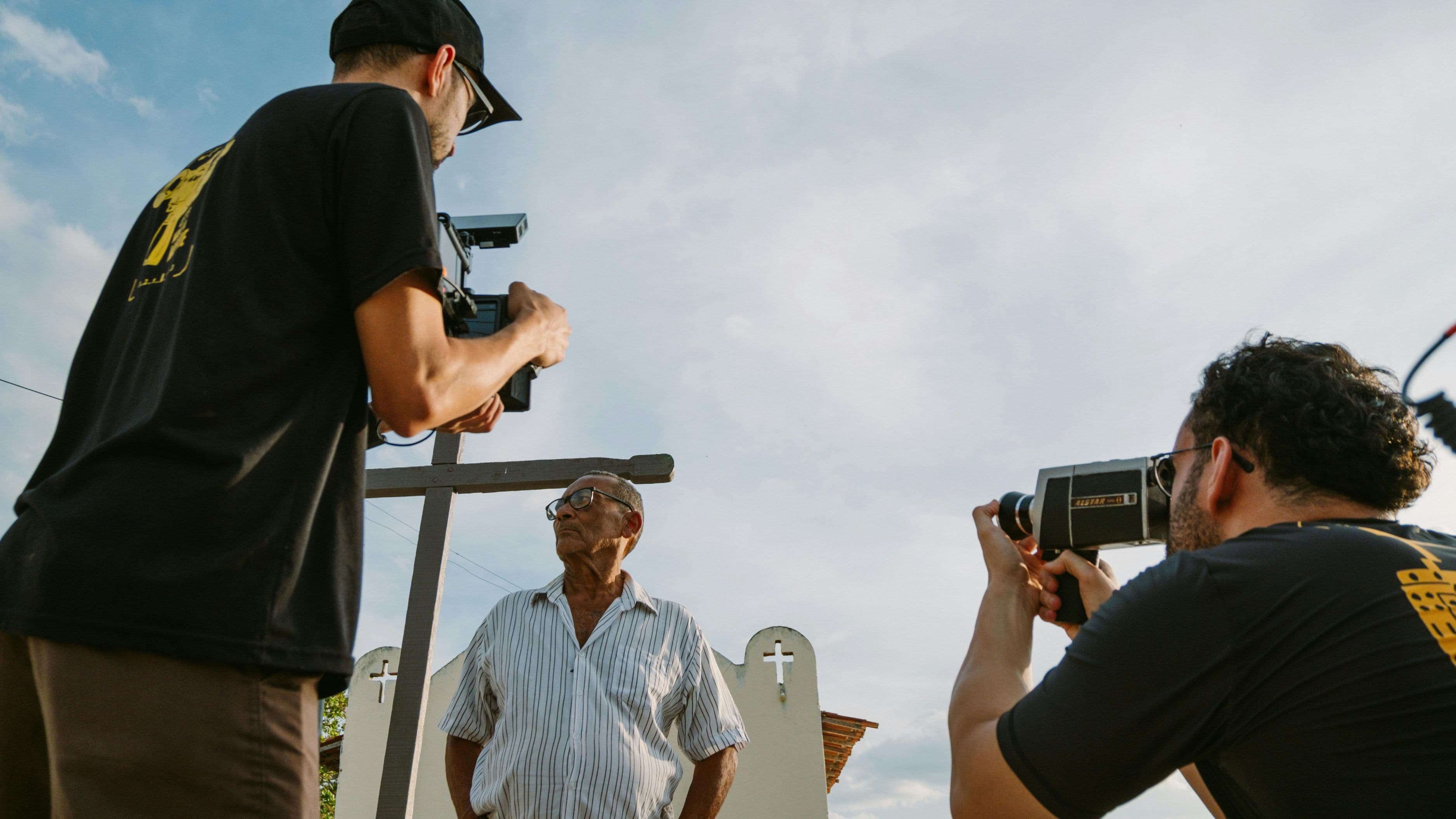
A few titles have broken through in a way that genuinely warrants the attention they're getting. These aren't slow-burn prestige documentaries that reward patient viewing over months. These are the ones people are watching in one or two sittings, immediately texting their friends about, and then spending the next three days reading everything they can find on the subject.
Why Documentary Series Have Become the New Must-Watch TV
Before getting into what's actually dominating right now, it's worth understanding why documentary series – not scripted dramas, not reality shows, but true story series – have become the format that consistently breaks through.
Part of it is the "I can't believe this is real" factor. When a documentary series reveals something genuinely surprising about a subject you thought you understood – a company, a crime, a cultural moment, a person – it creates a specific kind of engagement that scripted content can't replicate. You're not just watching a story. You're recalibrating your understanding of something real. That recalibration is compelling in a way that's hard to resist, and the multi-episode format means the revelation keeps building rather than landing all at once.
The other factor is the social element. Documentary series that cover subjects with an existing cultural profile – a famous brand, a public figure, a crime case that was already in the news – arrive with built-in conversation. People who watched the first episode want to know if others have seen it. People who haven't watched it feel mild social pressure to understand the reference. That dynamic generates the kind of organic word-of-mouth that platforms dream about and audiences actually respond to.
The True Crime Format Keeps Evolving
True crime documentary series are no longer just cold case revisits and courtroom footage. The format has matured significantly in the last two years, and the shows generating the most genuine buzz right now are doing something more interesting than a standard crime narrative.
The most-watched true crime documentary series right now tend to share a specific quality: they're not really about the crime itself – they're about the systems, industries, or institutions that allowed the crime to happen. A financial fraud case becomes a story about the culture of a specific industry. A violent crime becomes a story about institutional failure in a community. A corporate scandal becomes a story about how ambition and accountability interact at the highest levels. This kind of structural storytelling is why people who don't consider themselves true crime fans end up watching. It's not about violence or morbid curiosity – it's about understanding how the world actually works.
Baby Reindeer (Netflix) was technically a scripted miniseries, but its impact on documentary-style viewing habits was significant – it blurred the line between docudrama and fiction in a way that changed what audiences expect from "true story" content. In its wake, several documentary series have leaned harder into the personal narrative format, making a single subject's perspective the emotional anchor for a broader story.
The Madoff Tapes (HBO) remains one of the most-discussed financial crime documentaries of recent years, featuring never-before-heard audio from Bernie Madoff's own voice. The format – letting the subject essentially indict himself in his own words – set a template that newer documentary series have been working from.
Nature and Science Documentaries Are Having a Moment
Away from true crime, a quieter but equally significant trend is happening in nature and science documentary series. These have always had a dedicated audience, but the production quality and narrative ambition of recent entries has elevated them into genuine mainstream conversation.
Our Planet II (Netflix) proved that nature documentary series can break into the cultural mainstream in a way that even David Attenborough's earlier work didn't fully achieve in the streaming era. The combination of impossible-looking footage, emotionally resonant narration, and direct climate context gave viewers something to share and discuss beyond just the spectacular visuals.
Science-based documentary series exploring psychology, human behaviour, and the biology of everyday experiences have been particularly strong performers. Shows that answer the question "why do humans do the things they do?" generate enormous engagement because the subject matter is simultaneously universal and personally relevant to every viewer.
The Celebrity and Culture Documentary
Celebrity documentary series occupy a complicated space. At their worst, they're polished PR exercises that tell you nothing you didn't already know. At their best, they're genuinely revealing portraits of people at the intersection of massive fame and private struggle – and the best ones right now are firmly in the second category.
Thank You, Goodnight: The Bon Jovi Story (Hulu) is a recent example of a celebrity documentary series that generated more genuine surprise than most people expected going in. The level of access – particularly around Jon Bon Jovi's vocal cord surgery and its impact on the band's future – went further than typical authorised documentary territory, and the response reflected that.
Taylor Swift: The Eras Tour film broke records as a theatrical release before migrating to streaming, demonstrating that the appetite for well-made music documentary content is practically unlimited when the subject has a sufficiently devoted fanbase. The template it established – a documentary that functions as both a concert experience and a narrative portrait – has influenced how several subsequent music documentary series have been structured.
The documentary series that consistently perform best in the celebrity category are those where the subject appears genuinely willing to be complicated on camera. Audiences have become sophisticated enough to recognise when a documentary is protecting its subject rather than revealing them, and that recognition kills the word-of-mouth dynamic that makes a documentary a cultural event.
The Streaming Platform Documentary Wars
One dynamic that's reshaping the documentary series landscape right now is the competition between platforms for documentary content. Netflix, HBO/Max, Hulu, Apple TV+, and Disney+ are all investing heavily in documentary series, and the quality variation between them has narrowed considerably.
Netflix continues to dominate raw numbers – it has the subscriber base to generate viewing figures that other platforms can't match – but HBO's documentary output maintains a quality reputation that earns a different kind of critical and awards attention. Apple TV+ has been making quieter but increasingly impressive investments in documentary content, particularly in the nature and science space. Hulu has found a niche in celebrity and music documentary series that reflects its younger demographic skew.
What this competition means for viewers is a volume of excellent documentary content that would have been impossible five years ago, and a resulting navigation problem – there's simply too much to keep up with, which means word-of-mouth recommendation has become the primary way most people decide what to watch next. A documentary series that breaks into group chat conversation – the way Making a Murderer did in 2015 or Tiger King did in 2020 – now has enormous advantages over equally good content that launches without that organic momentum.
What to Watch Right Now: The Short List
If you're looking for a documentary series to start tonight, here are the ones generating the most genuine conversation across social platforms and in actual discussions as of right now.
Beckham (Netflix) remains a surprising standout – surprising because most viewers went in expecting a polished PR documentary and came out genuinely moved by the portrait of ambition, marriage, and identity under extreme public pressure. The Victoria Beckham interview segments alone justify the watch.
Wild Wild Country (Netflix) isn't new, but it keeps cycling back into conversation as new viewers discover it and immediately need to tell someone else about it. If you haven't seen it, the Rajneesh movement story remains one of the most genuinely unbelievable true stories ever captured on film.
The Jinx: Part Two (HBO Max) landed in 2024 and picked up the Robert Durst story where the original left off, with additional evidence and interviews that pushed the original's shocking conclusion even further. For anyone who watched the first series, Part Two is unmissable.
Unprecedented and other political documentary series tracking the 2024 election cycle are generating significant discussion, though political documentaries tend to reach partisan audiences more than genuinely broad ones.
Icarus (Netflix) remains the gold standard for "stumbled into something bigger than I expected" documentary filmmaking. Bryan Fogel set out to make a film about doping in cycling and accidentally uncovered one of the biggest international sports scandals in history. It won the Oscar for Best Documentary Feature and fully deserved it.
Why Certain Documentaries Become Cultural Events
Not every excellent documentary series becomes a phenomenon, and understanding the difference helps explain why some shows you've never heard of are genuinely excellent while others you can't escape for three weeks are merely competently made.
The documentaries that become cultural events almost always have one of three qualities: they reveal something significant that contradicts what the audience thought they knew; they tell a story that reflects something the audience is already anxious or curious about; or they provide an unusually intimate look at a person or world that's normally inaccessible.
The best ones do all three simultaneously. When a documentary manages to be surprising, emotionally resonant, and revelatory at the same time, the watching experience is difficult to keep to yourself. You need to know if someone else had the same reaction. That impulse is what turns a streaming series into a conversation, and a conversation into a cultural moment.
FAQ
Why do documentary series spread through word-of-mouth more than scripted shows? Because the "can you believe this is real?" reaction creates an immediate impulse to share. When you watch a fictional show and something shocking happens, you want to discuss the writing or the performances. When a documentary reveals something genuinely surprising about reality, the impulse is to verify it, discuss it, and make sure the people in your life know about it. That's a more urgent social dynamic.
Are Netflix documentaries better than those on other platforms? Not categorically. Netflix has the biggest library and the largest viewership, which means more of its documentaries reach cultural event status simply by virtue of exposure. But HBO's documentary output – including the Jinx franchise, The Vow, and Iceberg Slim: Portrait of a Pimp – maintains a quality standard that's arguably higher on average. Platform loyalty matters less than following the specific recommendations that are generating genuine conversation.
Why do true crime documentary series remain so popular? Because they combine the narrative satisfaction of a mystery (who did it, how, and why) with the added weight of real consequences. The format also tends to reveal systemic failures – in justice systems, in institutions, in communities – that feel directly relevant to how the world works. People watch true crime not just for the crime itself but for what it reveals about broader human and institutional dynamics.
How long do documentary series typically run? Most limited documentary series run between four and eight episodes of 45–60 minutes each. This format is intentional – it's long enough to develop a story with genuine depth and short enough to binge in a weekend. Nature and science documentary series sometimes run longer, with episodes of 60–90 minutes, particularly when they're designed for more deliberate viewing rather than binge consumption.
What's the difference between a documentary series and a docuseries? Essentially nothing – the terms are used interchangeably in the industry. "Docuseries" is a slightly more modern usage that emerged as streaming platforms began commissioning documentary content in multi-episode formats specifically designed for consecutive viewing. The production approach and intent are the same.
📚 Sources
Netflix – Documentary Series Collection: https://www.netflix.com/gb/browse/genre/6839
HBO – Documentary Films and Series: https://www.hbo.com/documentaries
The Hollywood Reporter – Documentary Series Reviews: https://www.hollywoodreporter.com/c/review/documentary
Variety – Documentary Reviews and Coverage: https://variety.com/v/film/documentary/
IndieWire – Documentary Series Criticism: https://www.indiewire.com/category/documentary
Rotten Tomatoes – Top Rated Documentary Series: https://www.rottentomatoes.com/browse/tv_series_browse/genres=documentary~sort=popular