Fan conventions like the big Comic-Cons have grown from niche gatherings into some of the most valuable promotional stages in entertainment, increasingly overshadowing the traditional press circuit. Here's why that's happening, and what it means for the way your favorite stars and shows reach you.
What's Actually Changing
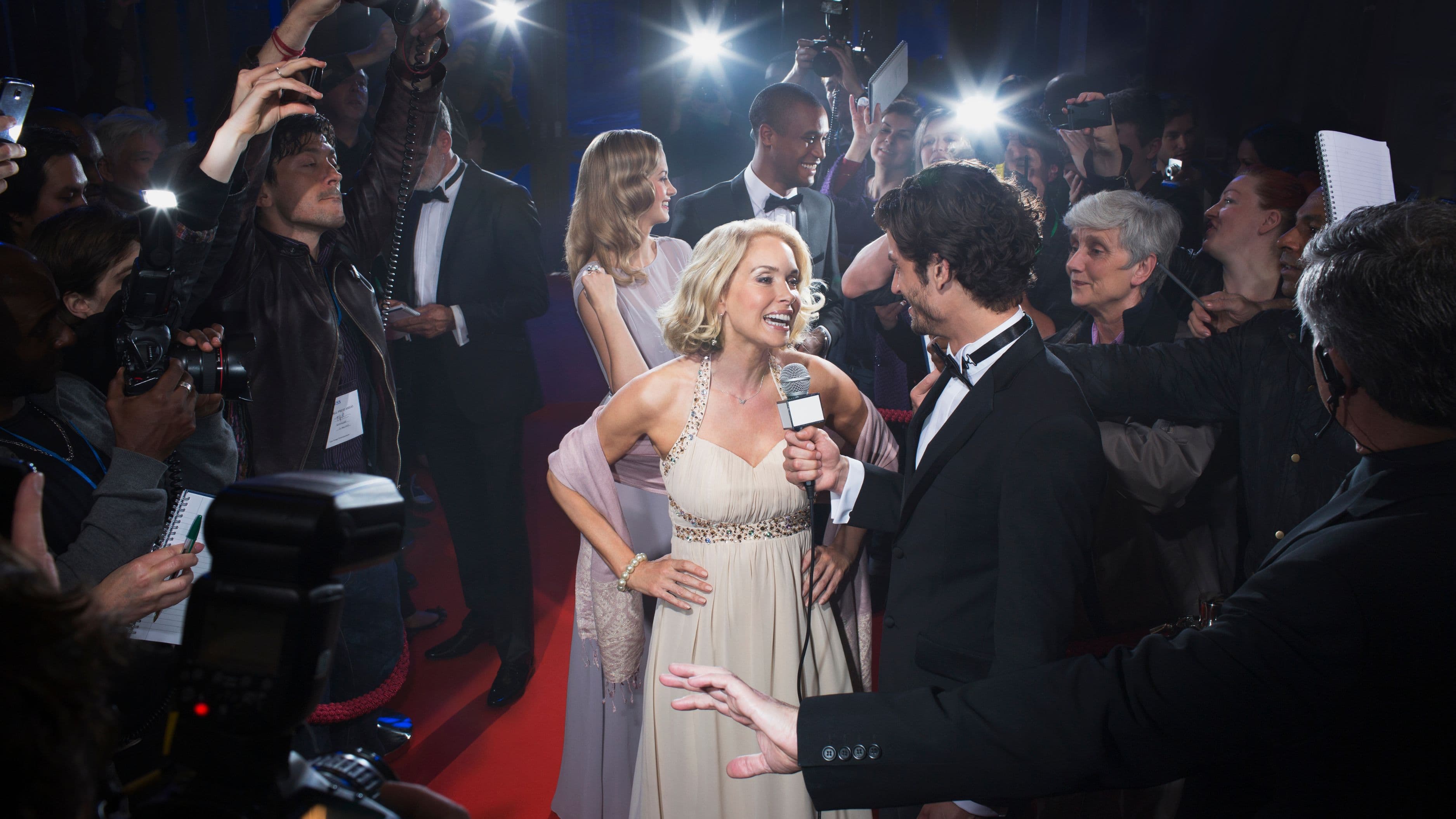
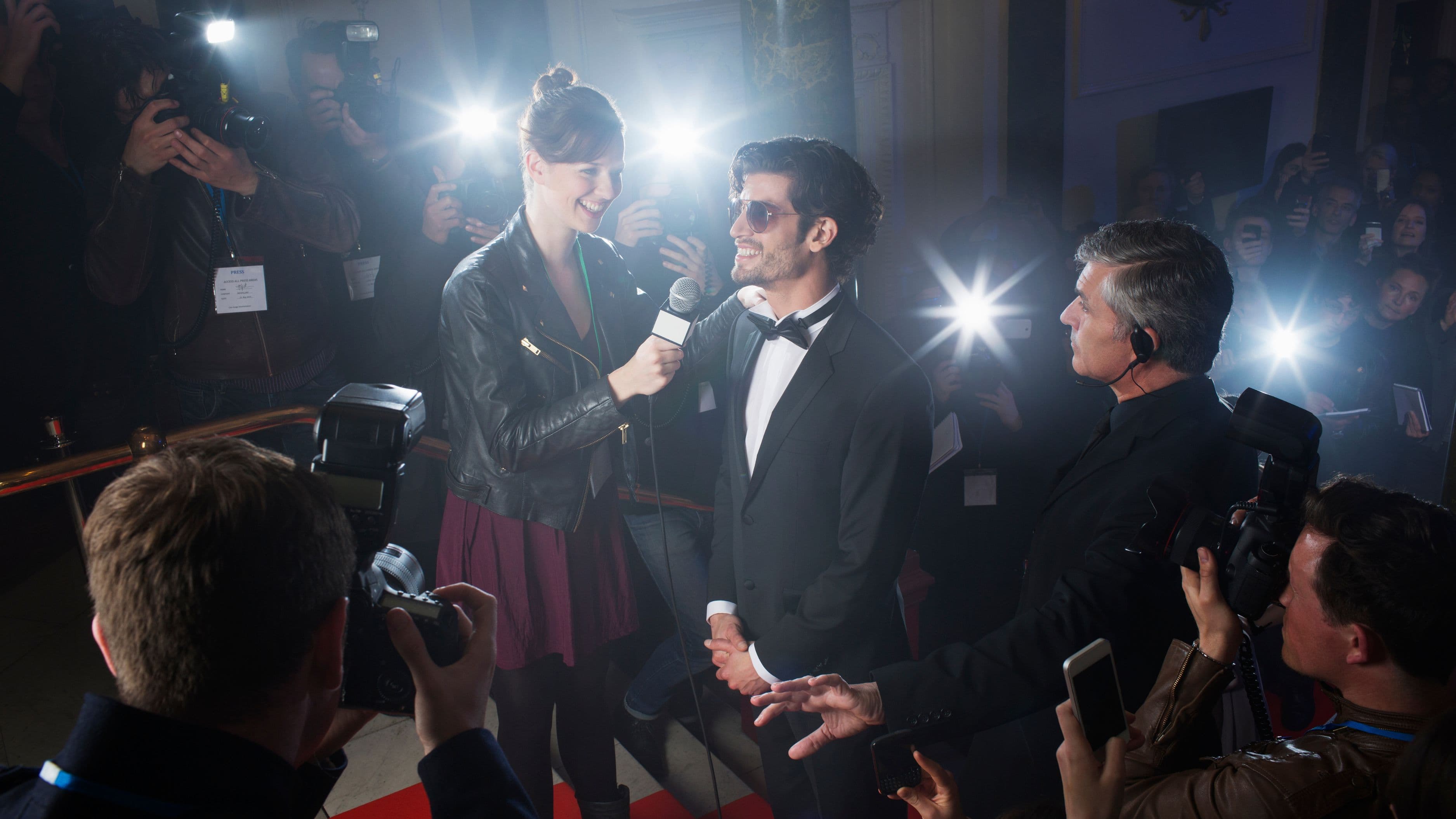
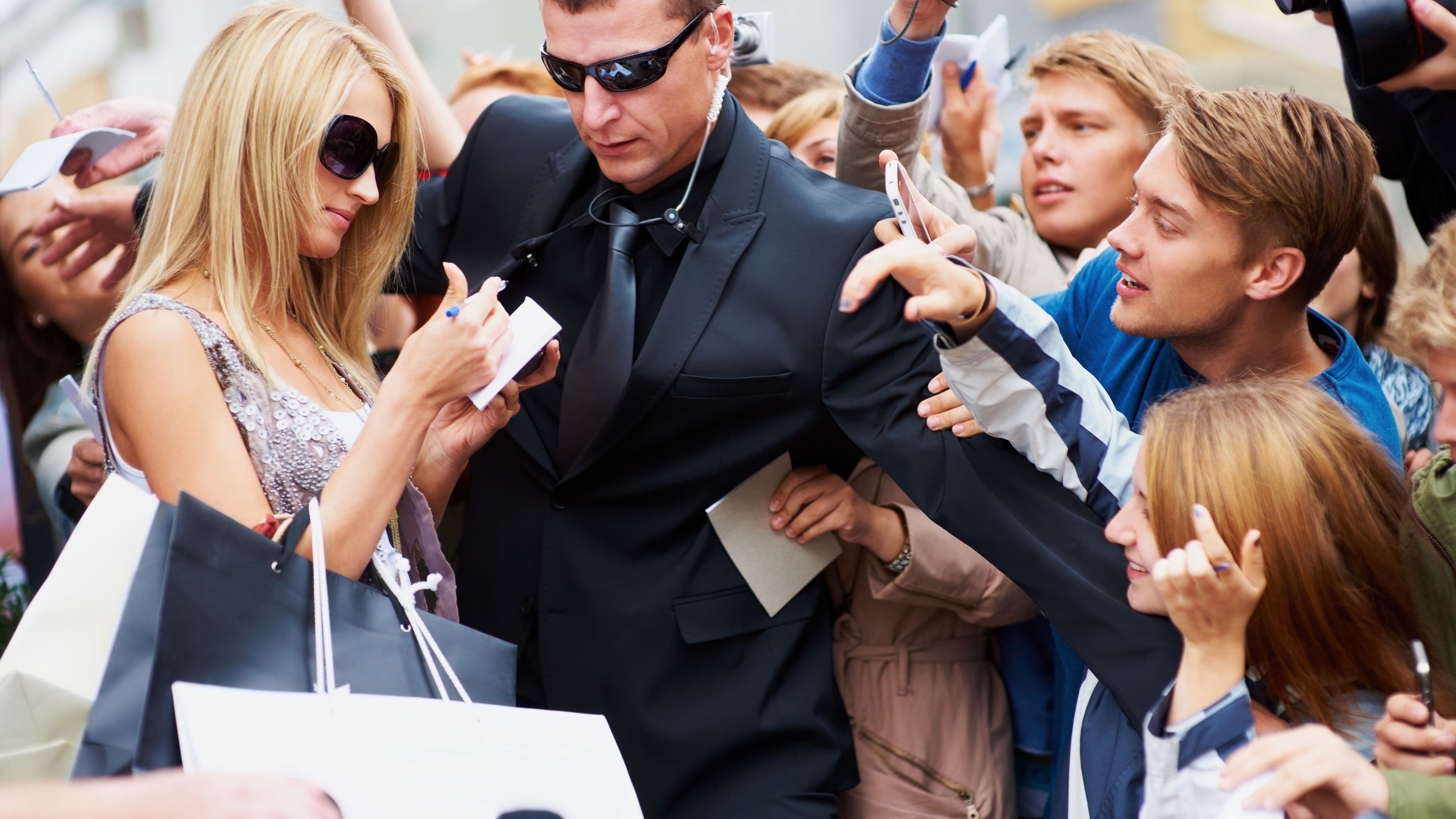
For decades, the press junket was the engine of entertainment promotion. Studios would fly in journalists, line up back-to-back interviews, and feed approved talking points into a machine that distributed them across outlets. It was controlled, predictable, and aimed at the press as the middleman between celebrities and fans.
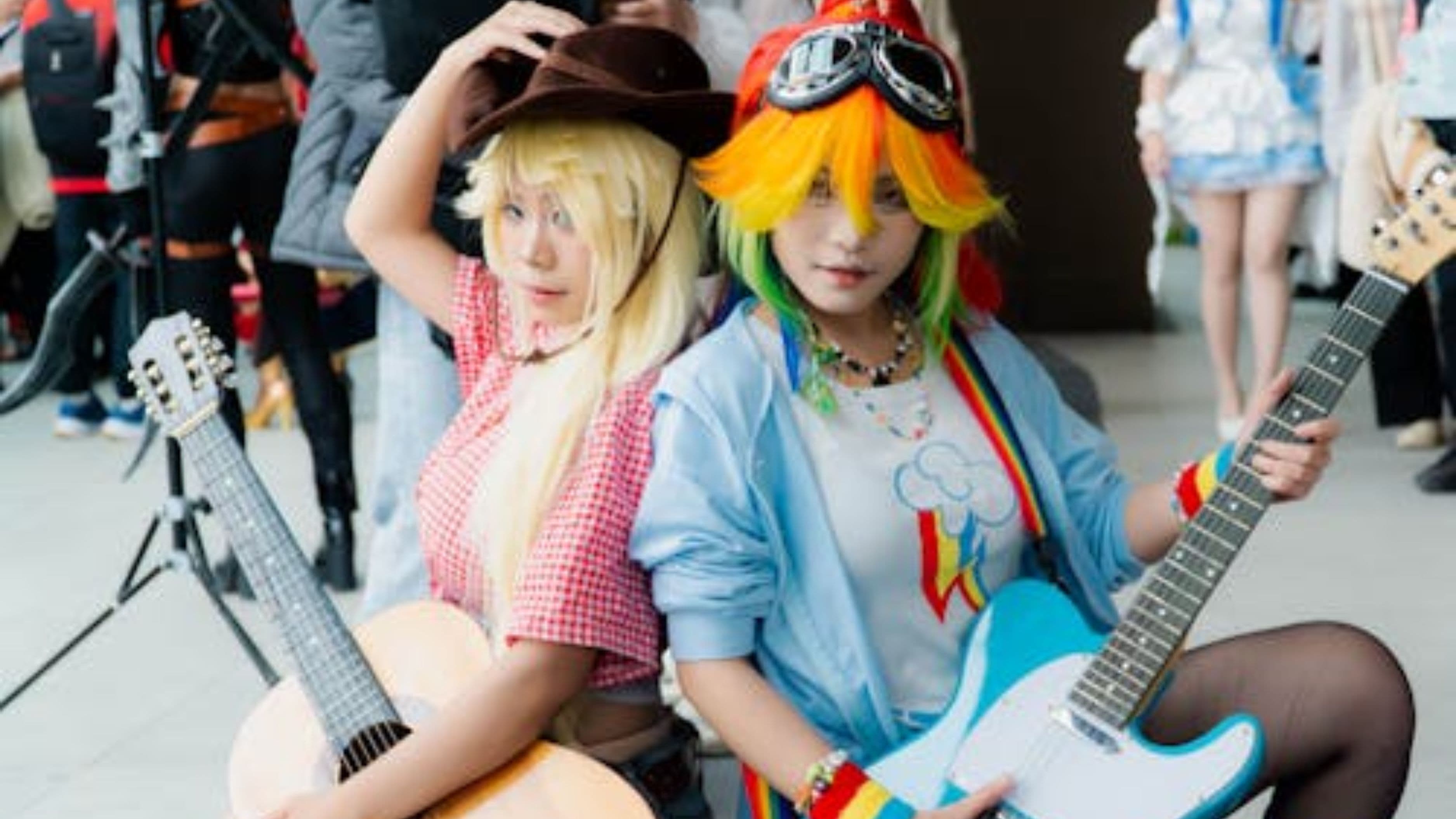
Fan conventions flip that model. Instead of talking to journalists who then talk to you, stars step onto a stage and talk directly to thousands of fans in the room – and millions more watching clips online moments later. The middleman is gone. What used to be a tightly managed message is now a live, unfiltered moment, and those moments travel far faster and feel far more real than a couch interview ever could.
This shift has been building for years as conventions scaled up and social media turned every panel into shareable content. The result is that studios increasingly treat major fan events as marquee promotional opportunities, sometimes prioritizing them over the traditional press push.
Why Conventions Hit Harder
The core reason conventions are gaining power comes down to one thing: authenticity travels. A junket clip feels like an ad, because it basically is one – rehearsed answers in a sterile setting. A convention moment feels human, because the star is reacting in real time to a room full of people who genuinely love their work, and that energy is contagious.
There's also the matter of reach and shareability. When a star says or does something unexpected on a convention panel – an emotional reveal, a funny exchange with a co-star, a surprise announcement – fans in the audience capture it instantly, and it spreads across social platforms within minutes. These organic clips routinely outperform official promotional material, because people share moments that feel real, not press releases dressed up as content.
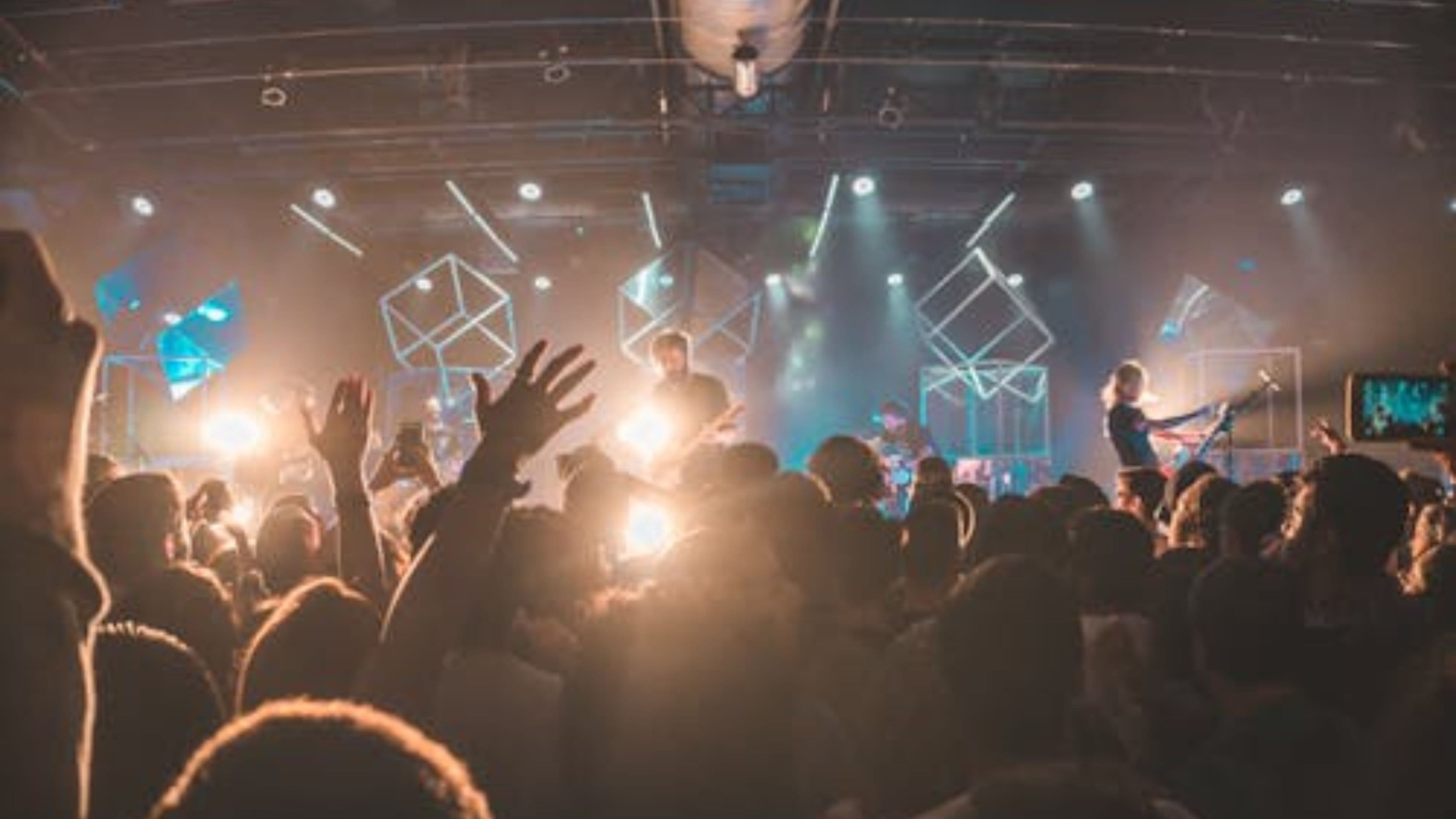
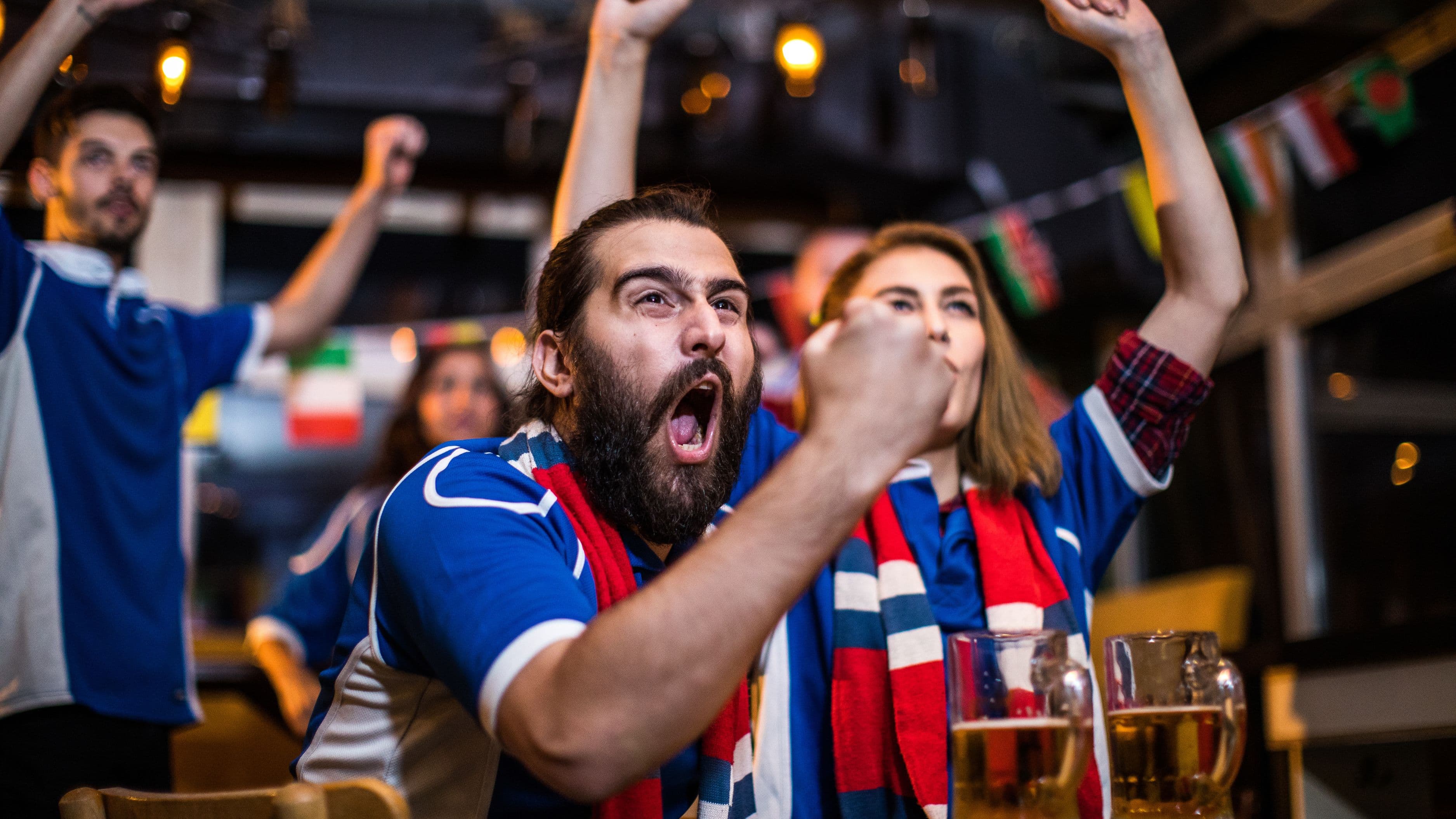
And conventions create something a junket never could: a sense of community and event. Thousands of fans gathered in one place, reacting together, generate a wave of excitement that ripples outward online. That collective enthusiasm becomes its own marketing, turning attendees into a built-in promotional army who do the sharing for free.
The Fan-Power Factor
Underneath all of this is a bigger truth about modern entertainment: fans, not press outlets, are now the main drivers of buzz. Social media handed audiences the megaphone that journalists used to hold, and conventions are where that megaphone gets pointed at the biggest moments.
When fans feel directly spoken to – when a star acknowledges the room, answers a heartfelt question, or reveals something exclusive to the people who showed up – it deepens loyalty in a way a press interview can't. That loyalty translates into the kind of word-of-mouth and online advocacy that studios desperately want. In an era where a passionate fanbase can make or break a release, going straight to the fans simply makes sense.
This is also why the relationship between celebrities and fans has become more central to promotion than the relationship between celebrities and the press. The audience used to be on the receiving end of a message; now they're active participants who amplify it, and conventions are built around that participation.
What This Means for Fans and the Industry
For fans, this shift is mostly good news. It means more direct access to the stars and stories you care about – more candid moments, more exclusives revealed to fans first, and a real sense that the people making your favorite movies and shows are talking to you rather than past you. The convention stage has become a place where fans get treated as the priority audience, not an afterthought.
For the industry, it's a recalibration of where promotional energy goes. Studios are pouring effort into making convention appearances count, knowing a single great panel moment can generate more buzz than an entire day of interviews. The traditional press junket isn't dead – it still has a role in coverage and reviews – but its grip on the promotional cycle has loosened as the live, fan-facing moment takes center stage.
It's worth a small reality check, too: not every convention moment lands, and the same authenticity that makes them powerful also makes them unpredictable. A genuine, unscripted stage means studios give up some control, and occasionally that means an awkward moment travels just as fast as a great one. That trade-off – more impact in exchange for less control – is exactly what makes the convention era feel so different from the carefully managed junket days.
The Bottom Line
The balance of power in entertainment promotion has shifted from the press room to the convention hall, and it comes down to something simple: fans now trust real moments more than rehearsed ones, and conventions deliver those moments at scale. By cutting out the middleman and speaking straight to the people who care most, stars and studios tap into authentic excitement that spreads faster and hits harder than any junket soundbite. The press junket helped define an earlier era of Hollywood promotion, but the convention stage – loud, live, and fan-first – increasingly belongs to this one. For fans, that means a louder voice and a closer seat than ever before, and that's a shift worth cheering for.
📚 Sources
San Diego Comic-Con (official) – About Comic-Con International and its scale: https://www.comic-con.org/about/
The Hollywood Reporter – Coverage of Comic-Con's role in film and TV promotion: https://www.hollywoodreporter.com/t/comic-con/
Variety – Reporting on fan conventions and entertainment marketing: https://variety.com/t/comic-con/
Nielsen – Insights on social media, fan engagement, and entertainment audiences: https://www.nielsen.com/insights/
Pew Research Center – Social media's role in how people share and consume news and content: https://www.pewresearch.org/internet/fact-sheet/social-media/