The Parasocial Relationship Is the Foundation Now
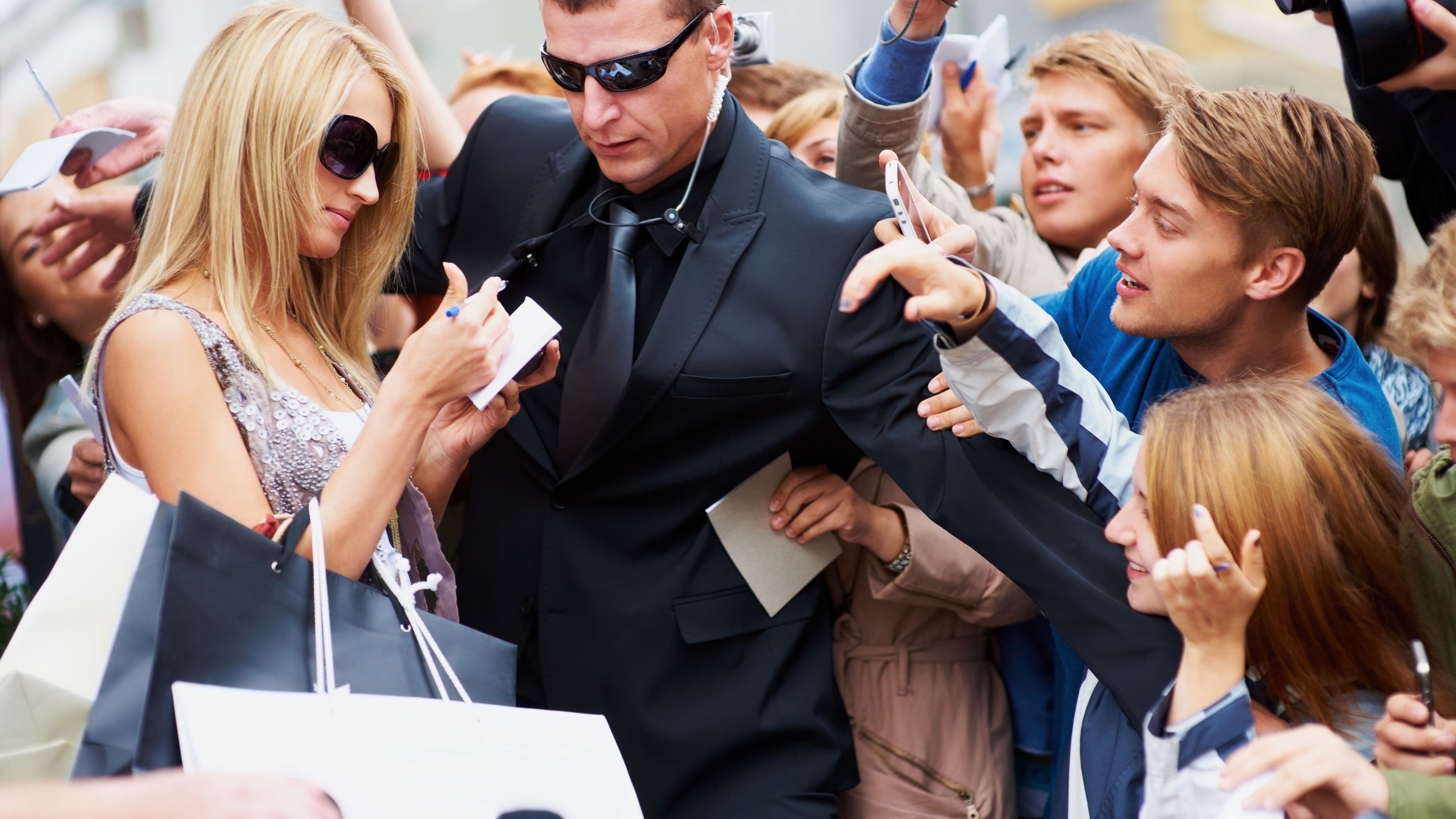
The biggest shift driving modern fandoms isn't a specific platform or a specific celebrity – it's the parasocial relationship, and how much more intense it's gotten. A parasocial relationship is the one-sided connection people feel with someone they watch or follow regularly. You feel like you know them, their habits, their opinions, their personality. They don't know you exist, but the emotional investment feels mutual.
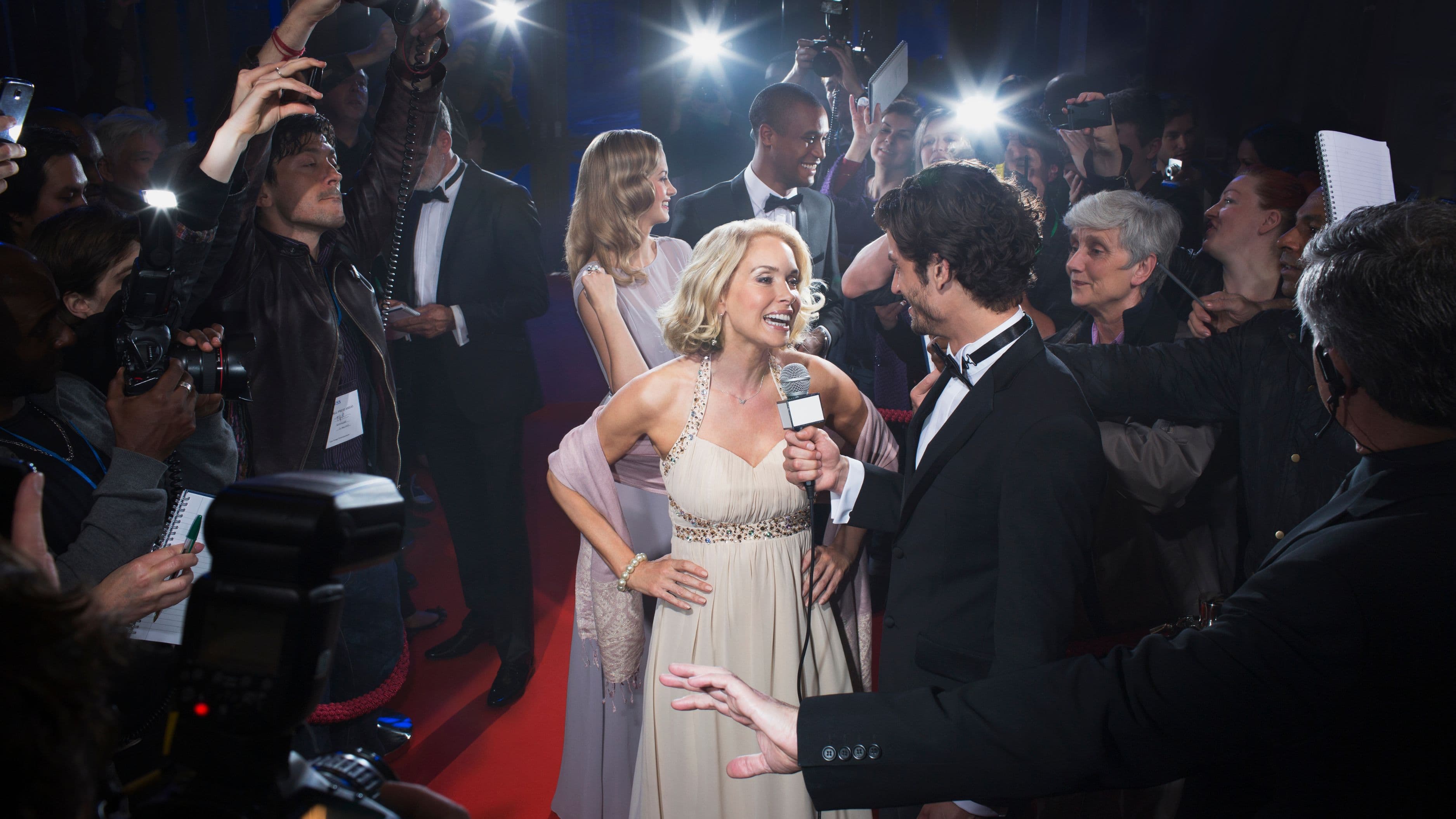
Social media, reality TV, and long-form content have all amplified this to a level that wasn't possible before. When a celebrity posts daily Instagram stories, does a TikTok live from their kitchen, gives interviews where they talk about mental health and personal struggles, and responds to comments occasionally – the sense of genuine connection a fan feels is qualitatively different from what a movie poster or a magazine profile could ever create. The access feels real, even when it's curated.
This closeness is the engine behind how intensely modern fans organize. When you feel like you genuinely know someone, their wins feel personal and the attacks on them feel personal too. That's not new human psychology – but the infrastructure to act on those feelings collectively, instantly, and at global scale is entirely new.
Fandoms Have Become Communities With Real Social Structure
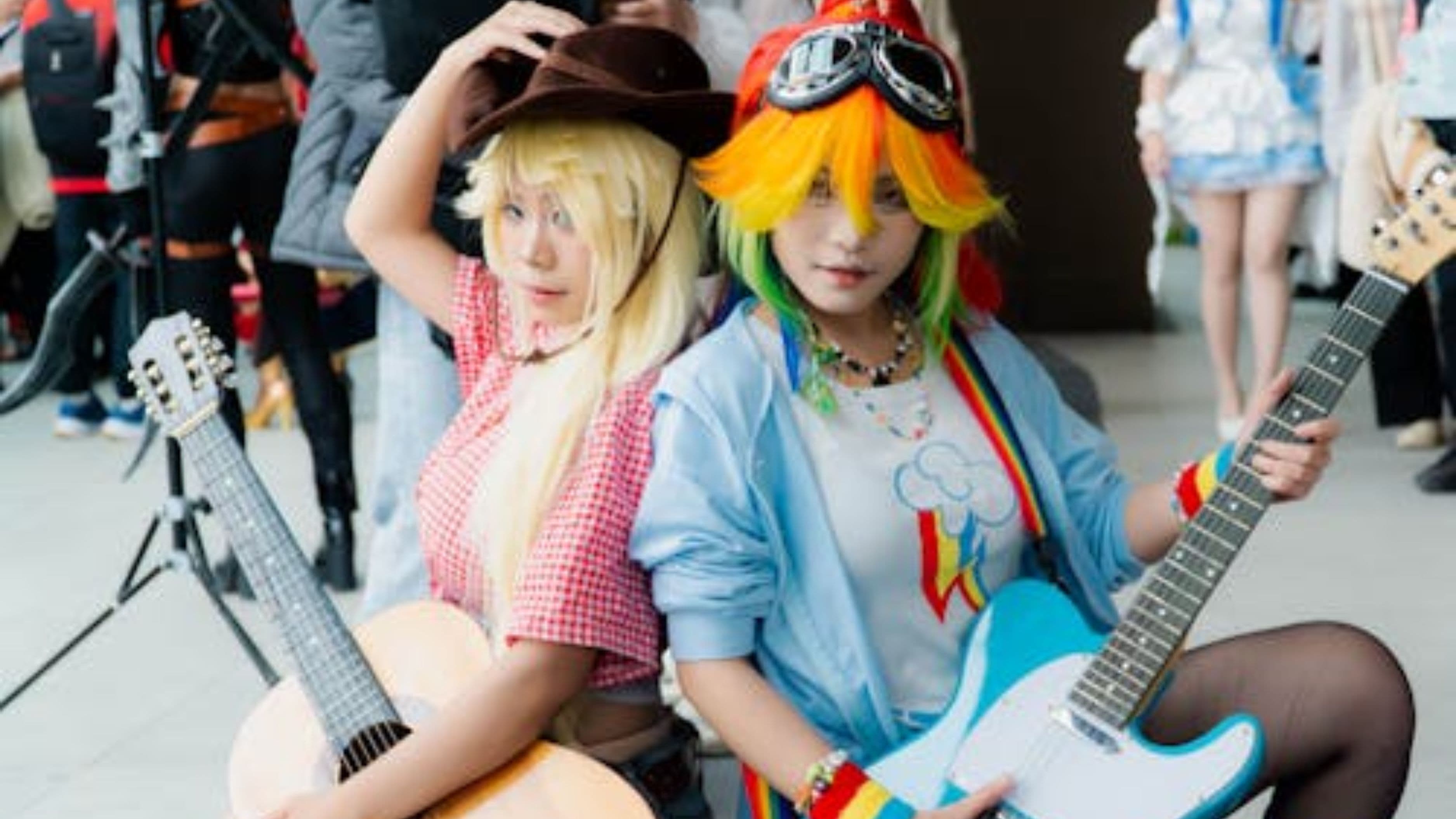
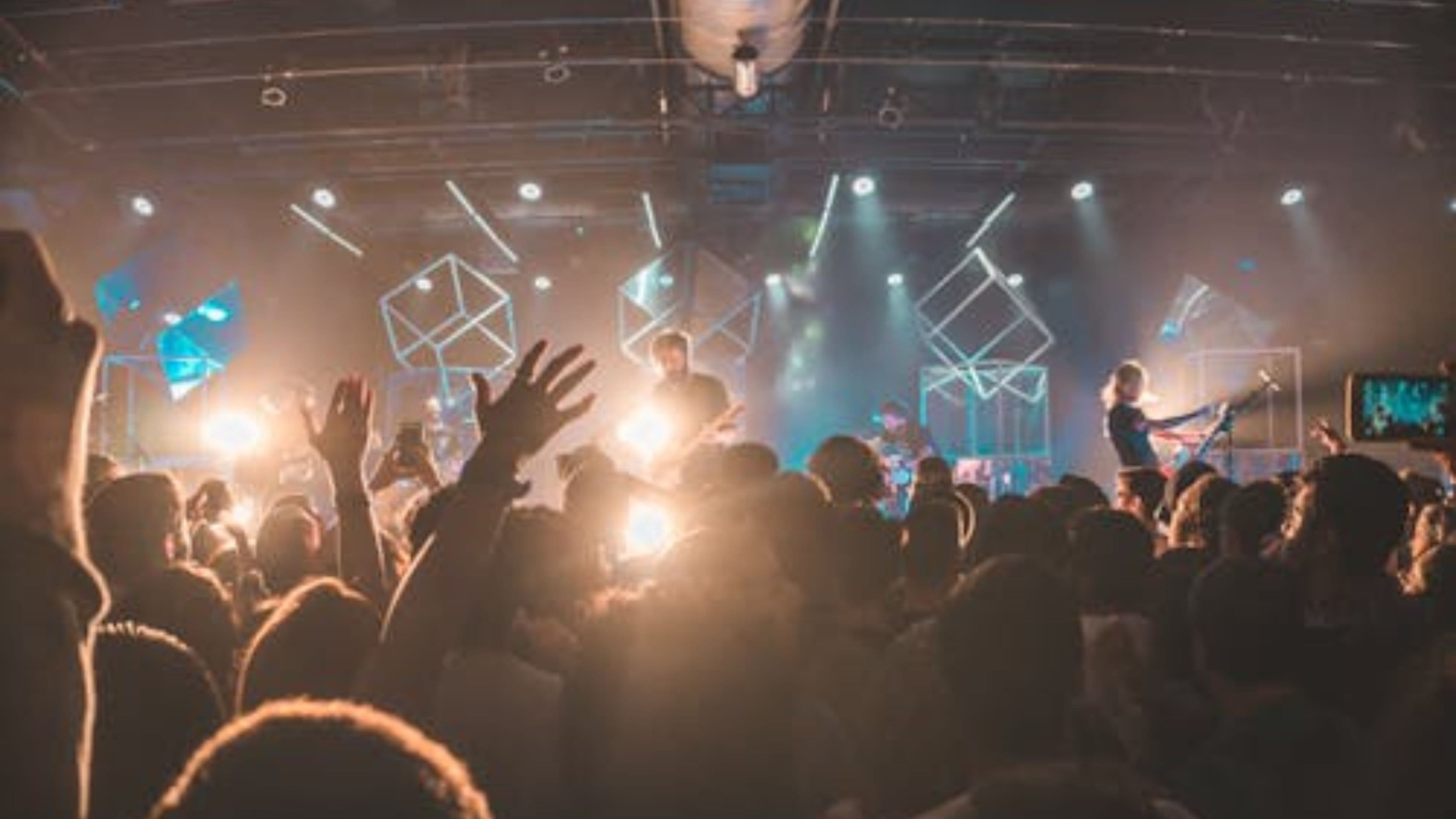
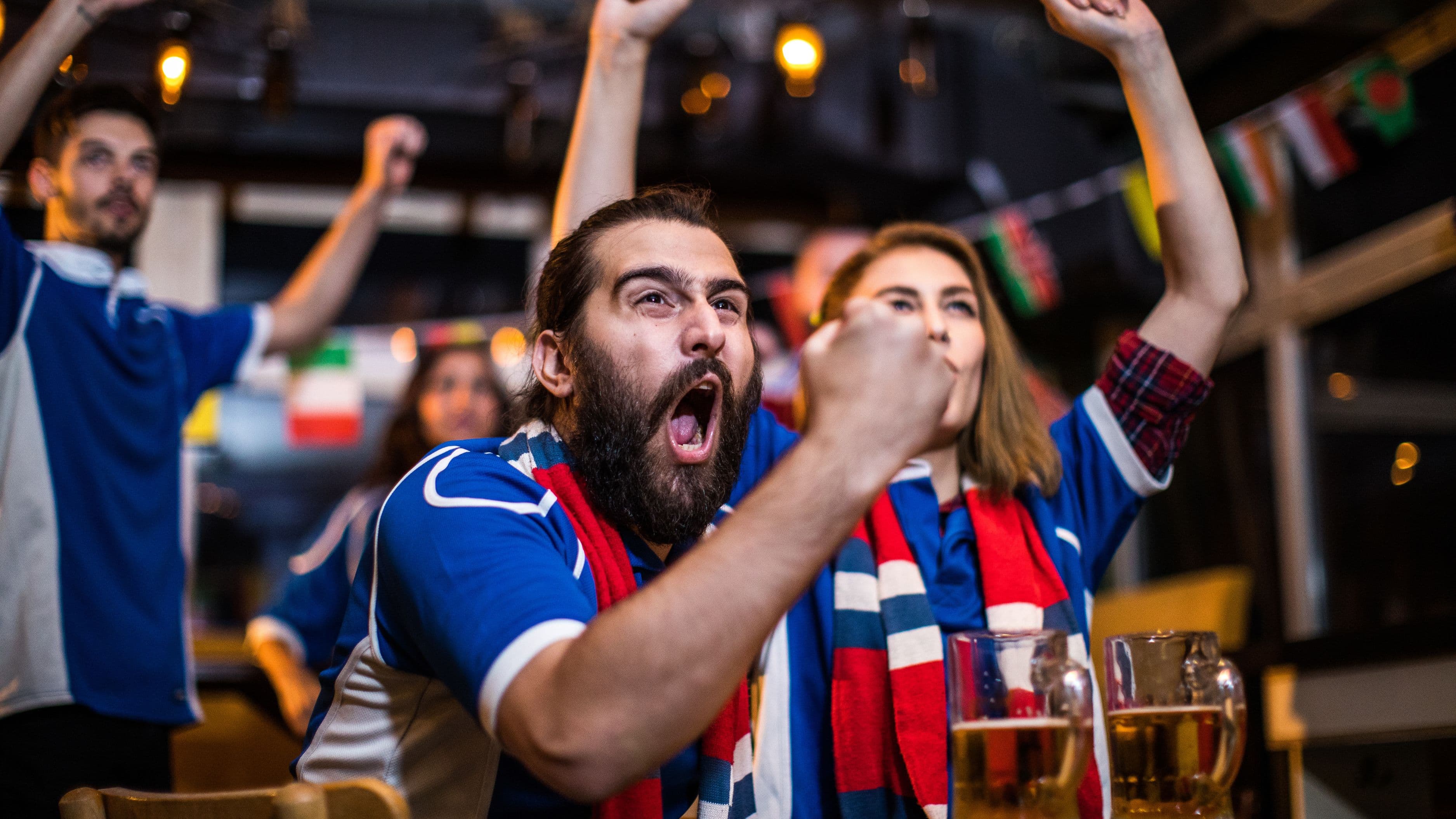
Modern fandoms aren't passive – they're organized. The BeyHive, the Swifties, the BTS Army, the Little Monsters – these aren't just names people call themselves. They're functioning communities with subcommunities, unofficial leadership structures, internal debates, collective projects, and shared vocabulary that signals membership to insiders and sounds like noise to outsiders.
The organizational capacity of large fandoms has real-world reach that media coverage still tends to underestimate. BTS fans coordinated to register for Trump rally tickets in 2020 with no intention of attending, contributing to an inflated registration count that made national headlines. Taylor Swift fans organized mass reporting campaigns against paparazzi photos and media publications they deemed intrusive. K-pop fandoms have developed sophisticated systems for streaming music to boost chart positions, buying album variants in bulk, and coordinating social media amplification around release dates.
This isn't fringe behavior – it's mainstream fan participation at a scale that was structurally impossible before the infrastructure of social media, fan forums, and group messaging existed. The community provides the organization; the celebrity provides the focus.
The Platform Shapes the Fandom
Where a fandom lives shapes what it looks and feels like. Twitter – now X – has historically been the primary battleground for fandom defense and offense: stan Twitter is fast, reactive, combative, and driven by quote-tweet callout culture. Reddit fandoms tend to be more analytical and community-moderated, with deep thread discussions and subreddit-specific norms. Discord fandoms are more intimate and sustained, operating more like a clubhouse than a public square.
TikTok has introduced a new dynamic. Short-form video rewards content that can be re-edited, remixed, and used as a format by other creators – and fan communities have become content machines that generate enormous volumes of clips, edits, reaction videos, and meme formats from their favorite celebrities' footage. The fandom content often reaches more people than the original content it's based on, creating a feedback loop where the celebrity's image is partly manufactured by their fans in real time.
Instagram and YouTube created the architecture for celebrity parasocial relationships; TikTok accelerated it and made the fans themselves into content creators within the ecosystem. That's a meaningful shift in the power dynamic. The fandom is no longer just reactive – it's generative.
Celebrities Are Engaging Fandoms Differently
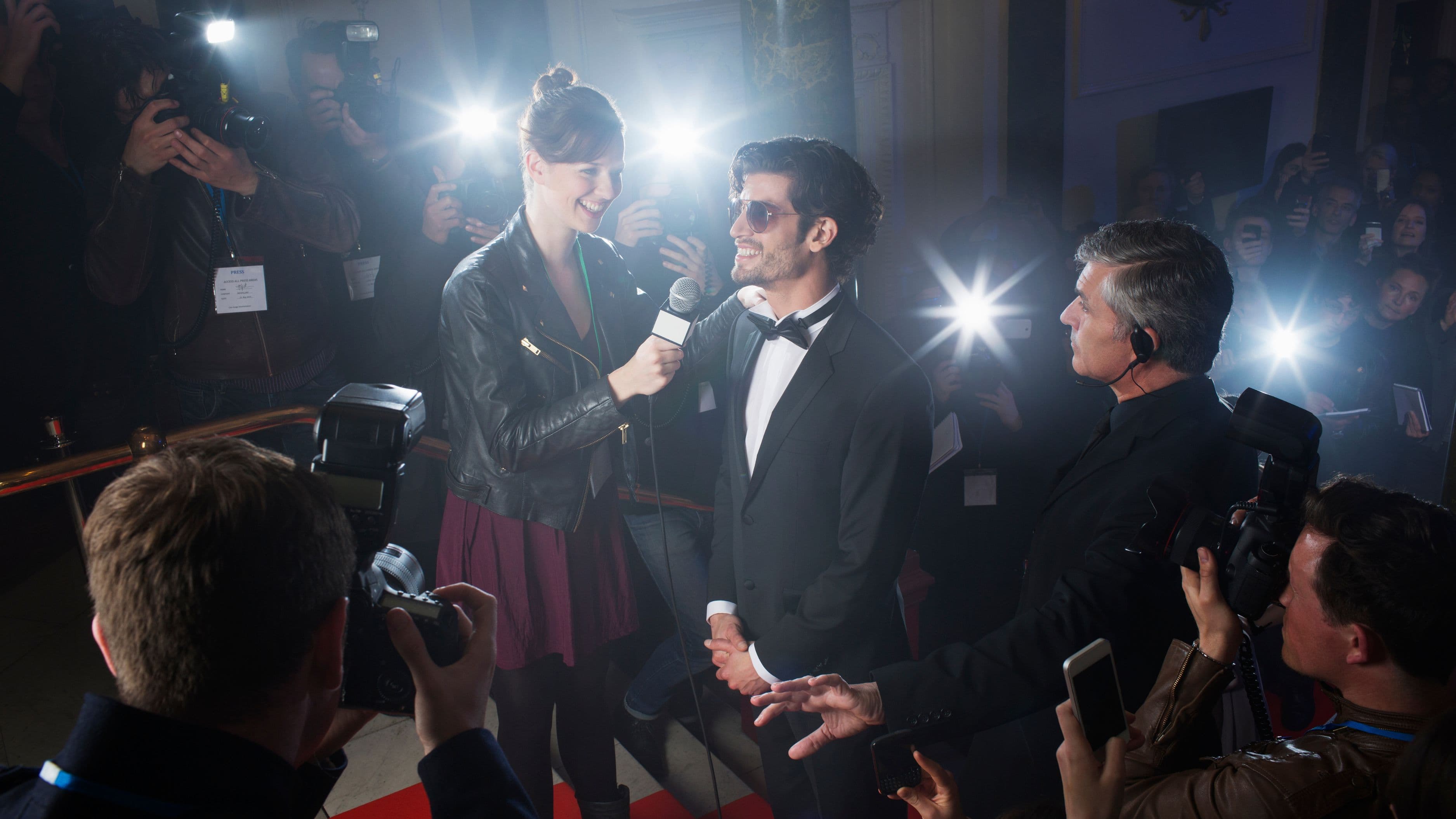
The most successful celebrities of the current era aren't passive recipients of fan attention – they actively cultivate and manage their fan community as part of their public strategy. Taylor Swift is the most frequently cited example because the execution has been so deliberate and so effective. The practice of "Easter eggs" – hiding clues about upcoming music in photos, videos, interviews, and even nail polish colors – turns the fandom into an active puzzle-solving community. The engagement isn't just consumption; it's participation. And participation creates investment at a level that passive fandom simply doesn't.
Beyoncé's approach works differently but with equal intentionality. Limited direct social media presence, surprise releases, and carefully controlled access create a scarcity dynamic that makes every public moment feel significant. The fandom does the interpretive and promotional work because the absence of direct communication makes everything feel meaningful. It's the same parasocial mechanism operating in reverse – less access creating more obsession rather than less.
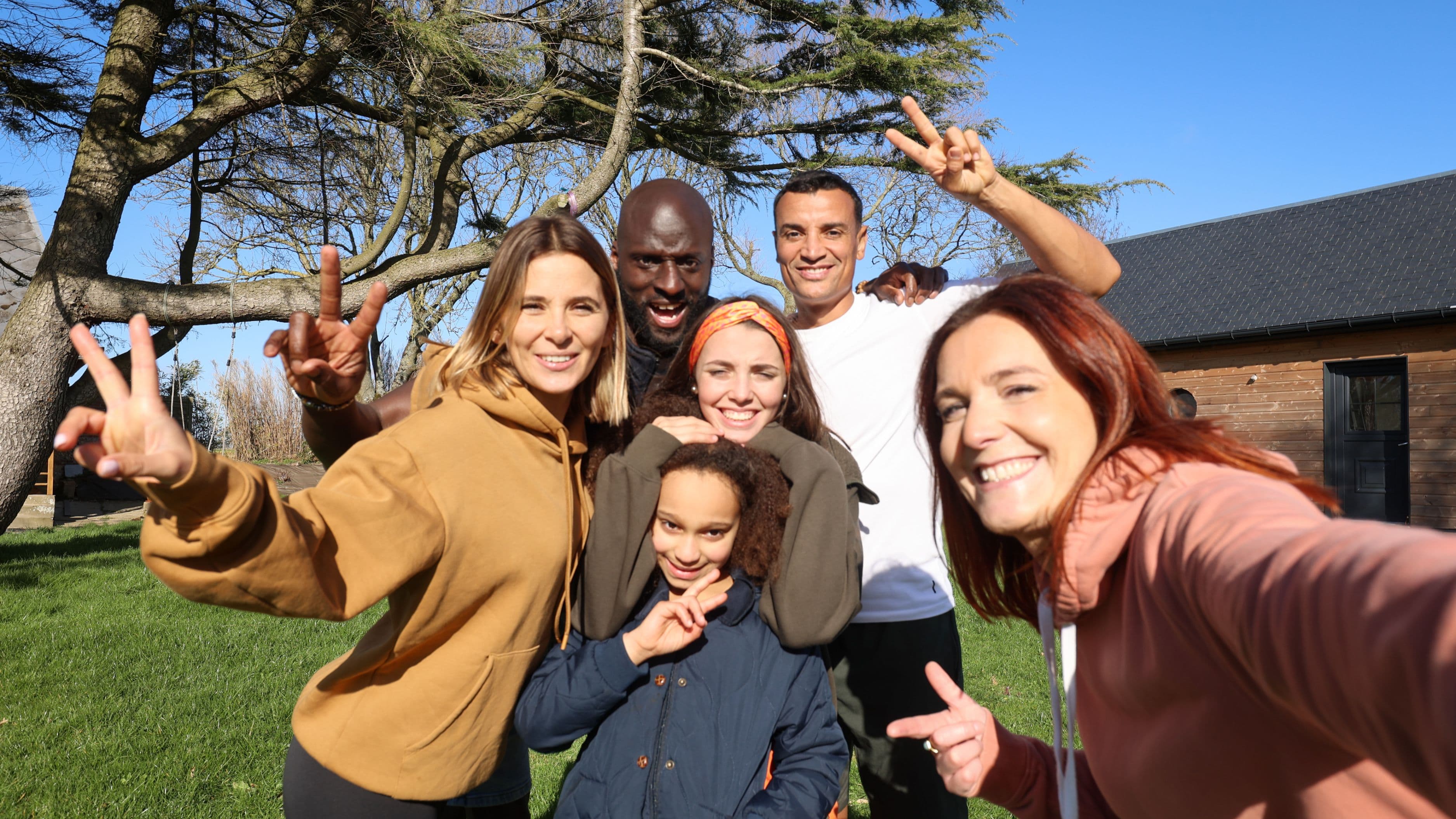
Smaller-scale celebrities – YouTubers, Twitch streamers, podcasters, mid-tier pop stars – often manage their fandoms even more directly, doing Q&As, responding to comments, acknowledging longtime fans by name, and being transparent about their personal lives in ways that blur the line between fan and friend almost entirely. At this scale, the parasocial relationship is thin enough that fans reasonably wonder if it's truly one-sided at all.
The Fan-To-Creator Pipeline Is Real
Something genuinely new in the current era of celebrity culture is how directly fandom has become a pathway to creative careers. Fanfiction, fan art, fan video edits, and fan analysis all used to be things people made for each other in the community. Now they're portfolios. The skills developed in fan communities – writing, graphic design, video editing, social media management, copywriting – are the same skills that professional creative careers run on.
Entire careers have started with fan content that caught wider attention. Fan fiction platforms have produced published novelists. Fan video editors have gotten industry jobs. Fan accounts with large audiences have converted to independent media brands. The celebrity is the context; the community develops the talent; the talent eventually finds a commercial audience. This pipeline is informal and unpredictable, but it's real and it's producing a generation of creators who learned their craft in the context of fandom.
When Fandoms Go Too Far
The intensity that makes modern fandoms so economically and culturally powerful also produces real problems. Harassment, doxxing, death threats, and mass coordinated pile-ons against people perceived as threats to or critics of a beloved celebrity have become regular features of large fandom behavior. This isn't an occasional edge case – it's systematic enough that multiple celebrities have publicly asked their own fans to stop harassing people on their behalf.
The targets are varied: journalists who write critical pieces, other celebrities involved in feuds, ex-partners, internet critics, and ordinary people who say the wrong thing in a viral post. The damage can be significant – coordinated harassment campaigns have ended careers, forced people offline, and caused documented psychological harm. The fandom itself usually doesn't acknowledge this as a problem because the internal community norms treat it as protection rather than aggression.
Celebrities navigate this with varying degrees of honesty. Some actively benefit from the protective function of their fandom and stay quiet when it goes too far. Others make public statements against it that their fandoms largely ignore. A few have directly called out specific incidents with enough force to change behavior. There's no clean solution to the problem of a community that defines itself partly by opposition to perceived enemies – that's a structural feature of identity-based fandom, not a software bug someone can patch.
Celebrity Culture Is Producing a New Kind of Fame
The old architecture of fame was: talent or look gets you noticed, industry machine packages and distributes you, public consumes you. Modern celebrity culture has added a loop at the end: public actively participates in constructing you. Fans co-create celebrity personas by deciding what to amplify, what narrative to push, what to defend and what to accept. The celebrity provides the raw material; the community does significant interpretive work on top of it.
This makes celebrity more democratic in some ways and more volatile in others. An independent artist or creator can build genuine fame through a dedicated community without label or studio backing. But that same community can also turn quickly, and the person at the center of it has much less control over their public image than celebrities of previous eras did – because the image is being constructed in real time by millions of people simultaneously, many of whom have conflicting ideas about what that person represents.
What fandoms look like is changing because what celebrity looks like is changing. And what celebrity looks like is changing because the relationship between public figures and their audiences has become something more participatory, more intense, and more structurally complex than it's ever been before.
FAQ
Are modern fandoms a new phenomenon or just an evolution of older ones? Both. Fan clubs, fan mail, and devoted celebrity followings have existed for over a century – Beatlemania is the standard historical reference point. What's new is the organizational infrastructure, the speed and scale of collective action, the generative content production, and the parasocial intensity made possible by daily digital access. The underlying human impulse is old; the expression of it is genuinely new.
Why do some celebrities seem to cultivate their fandoms more deliberately than others? It's increasingly understood as a strategic decision with real business implications. An engaged, organized fandom drives streaming numbers, ticket sales, chart performance, and social media reach in ways that passive audiences don't. Celebrities and their teams who understand this invest in fandom cultivation as part of their overall career strategy. It's the difference between having an audience and having a community.
Is the parasocial relationship healthy for fans? The research on this is nuanced. Parasocial relationships with media figures can provide genuine social and emotional benefits, particularly for people who are isolated or who use the community around a celebrity as a social environment. The problems tend to emerge at the extreme end – when the relationship is prioritized over real-world connections, or when the community's norms encourage behavior (harassment, extreme spending, identity investment) that isn't in the fan's interest.
Do celebrities have any responsibility for how their fandoms behave? This is genuinely contested. Celebrities don't control the actions of their fans, and holding them legally responsible for community behavior would be difficult and likely inappropriate. But the question of moral responsibility – particularly when celebrities benefit from fandom protection and stay silent when it crosses into harassment – is a fair one that doesn't have a clean answer.
What happens when a fandom "turns" on a celebrity they previously supported? It can be rapid and intense. When a celebrity does something that violates the community's values or narrative, the same organizational capacity that made the fandom powerful as a support mechanism turns in the other direction. The language of betrayal, the mass unfollowing campaigns, the archival of past comments to support a case against the celebrity – these are the mirror image of the same behaviors that drive fan support. It's the flip side of the intensity.
📚 Sources
The Atlantic – The Psychology of Fan Obsession: https://www.theatlantic.com/health/archive/2014/07/the-psychology-of-fan-obsession/374215/
Rolling Stone – How Stan Culture Took Over the Internet: https://www.rollingstone.com/music/music-features/stan-culture-internet-bts-taylor-swift-1234567890/
Variety – The Business of Fandom: How Stars Build Communities: https://variety.com/2023/music/features/taylor-swift-fandom-business-model-1235612345/
Wired – Inside the World of K-Pop Fandom Organizing: https://www.wired.com/story/kpop-fans-activism-politics/
The Guardian – Parasocial Relationships and the Modern Celebrity: https://www.theguardian.com/culture/2021/jun/12/parasocial-relationships-celebrity-youtube