Getting inspired by red carpet style doesn't mean buying a $6,000 dress. It means understanding what actually makes the look work and finding smarter ways to capture the same energy. Here's how to break down some of the most iconic recent red carpet moments and get genuinely close to the look for real life.
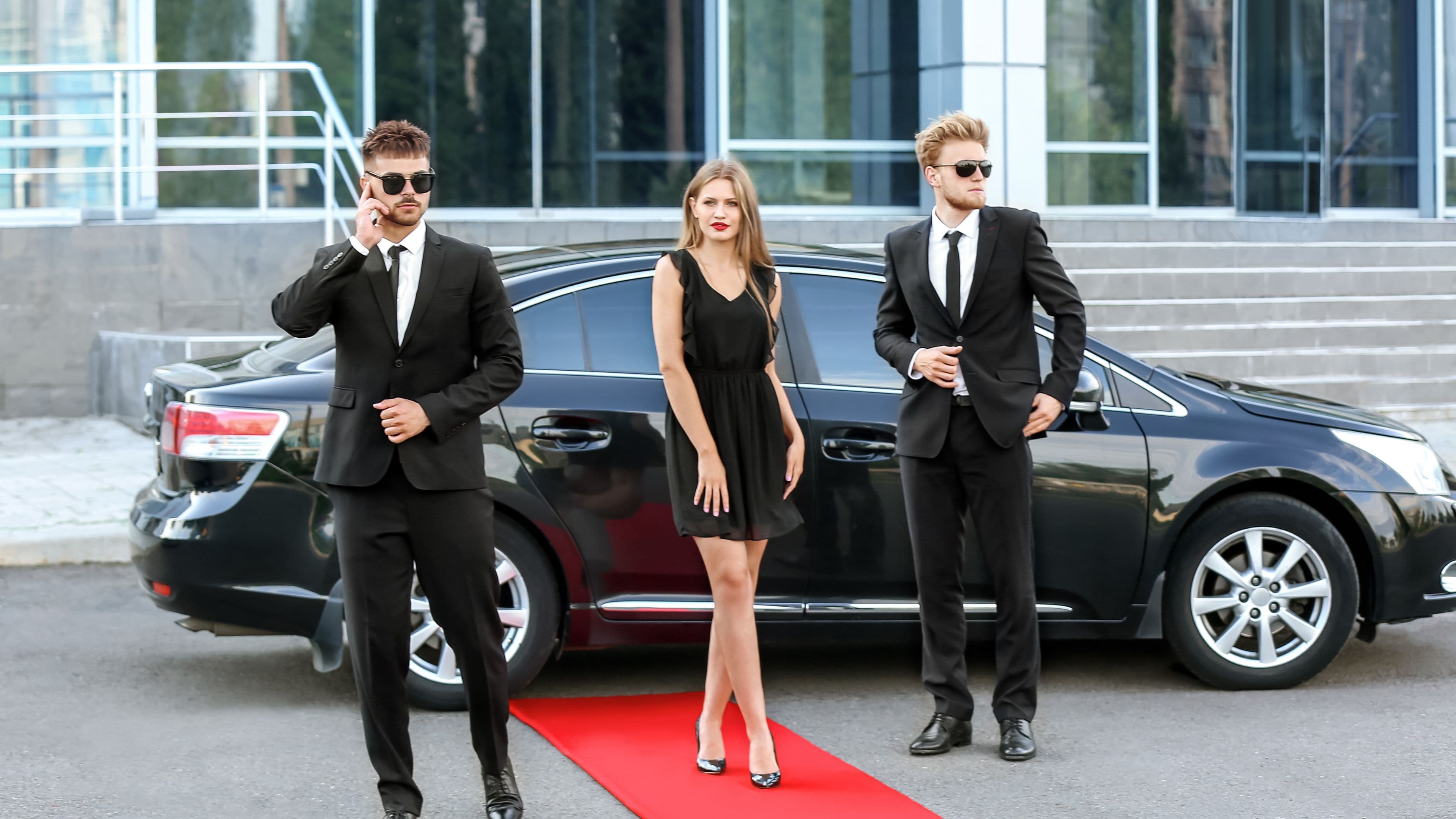
The Classic All-Black Power Look
The inspiration: Zendaya has made the all-black formal look her signature on multiple occasions – structured, precise, and delivered with the kind of composed confidence that turns a simple colour palette into a statement. Think fitted blazer silhouettes, sharp tailoring, and minimal but intentional accessories.
Why it works: All-black reads as powerful and put-together without trying too hard. The key is fit and fabric. Cheap black fabrics look flat and shapeless. Black pieces with visible structure – a clean seam line, a defined waist, a collar that sits well – immediately elevate the whole look.
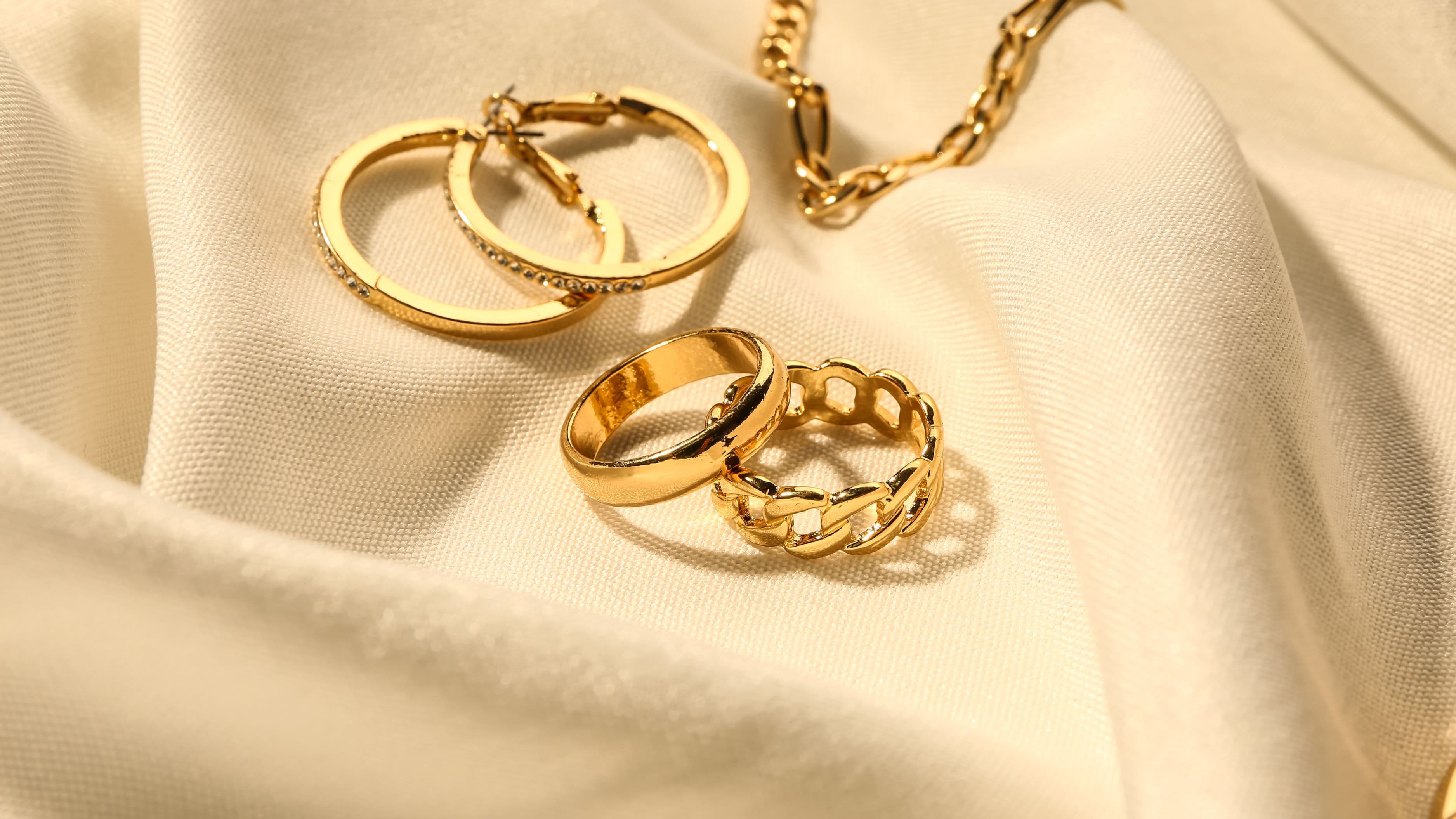
How to recreate it: Start with a well-fitted black blazer as the anchor piece. Pair it with high-waisted black trousers or a straight-cut midi skirt. The blazer doesn't need to be designer – it needs to fit across the shoulders and sit flat against the chest. If it gaps or pulls, try a different size or brand. Add a barely-there heel or a pointed-toe flat for length. Keep accessories clean: one ring, a small ear cuff or simple stud, nothing competing. Hair pulled back or sleek and down – no messy bun. The power of this look is in its restraint.
Key item to invest in: A well-structured black blazer. Look for medium-weight fabric with a clean shoulder seam. ZARA, & Other Stories, and COS consistently deliver on this at a reasonable price point.
The Bold Monochrome Moment
The inspiration: Cardi B, Lizzo, and Doja Cat have all delivered unforgettable monochrome red carpet moments where a single saturated colour takes over from head to toe – shoes, dress, accessories, sometimes even a matching lip. The effect is visually arresting in a way that multi-colour combinations rarely are.
Why it works: Monochrome dressing creates an elongated, cohesive silhouette that makes the wearer look taller and more deliberate. When every element is the same colour family, the eye reads the outfit as one intentional choice rather than a series of separate pieces. That reads as confidence and control.
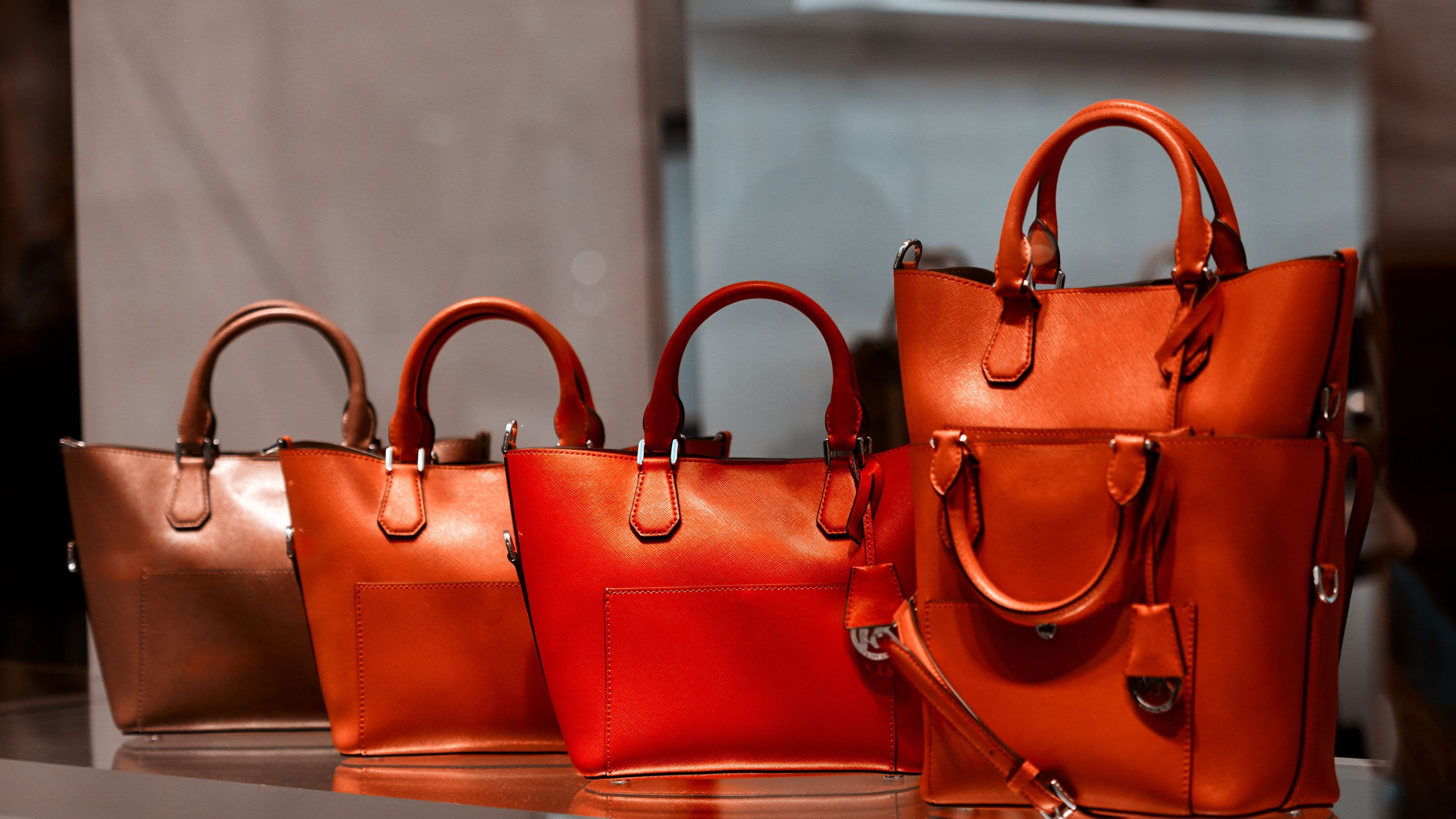
How to recreate it: Pick a colour that genuinely works with your complexion – not just a colour you love in the abstract. Warm olive and caramel tones work beautifully on warm skin tones; cool cobalt, berry, and emerald tend to pop on cooler complexions. Once you have the colour, commit. Match your shoes as closely as possible to the dress or outfit. Match your bag if you're carrying one. Use a lip in the same colour family. The imperfection in the shades matching exactly isn't the issue – the totality of the palette is.
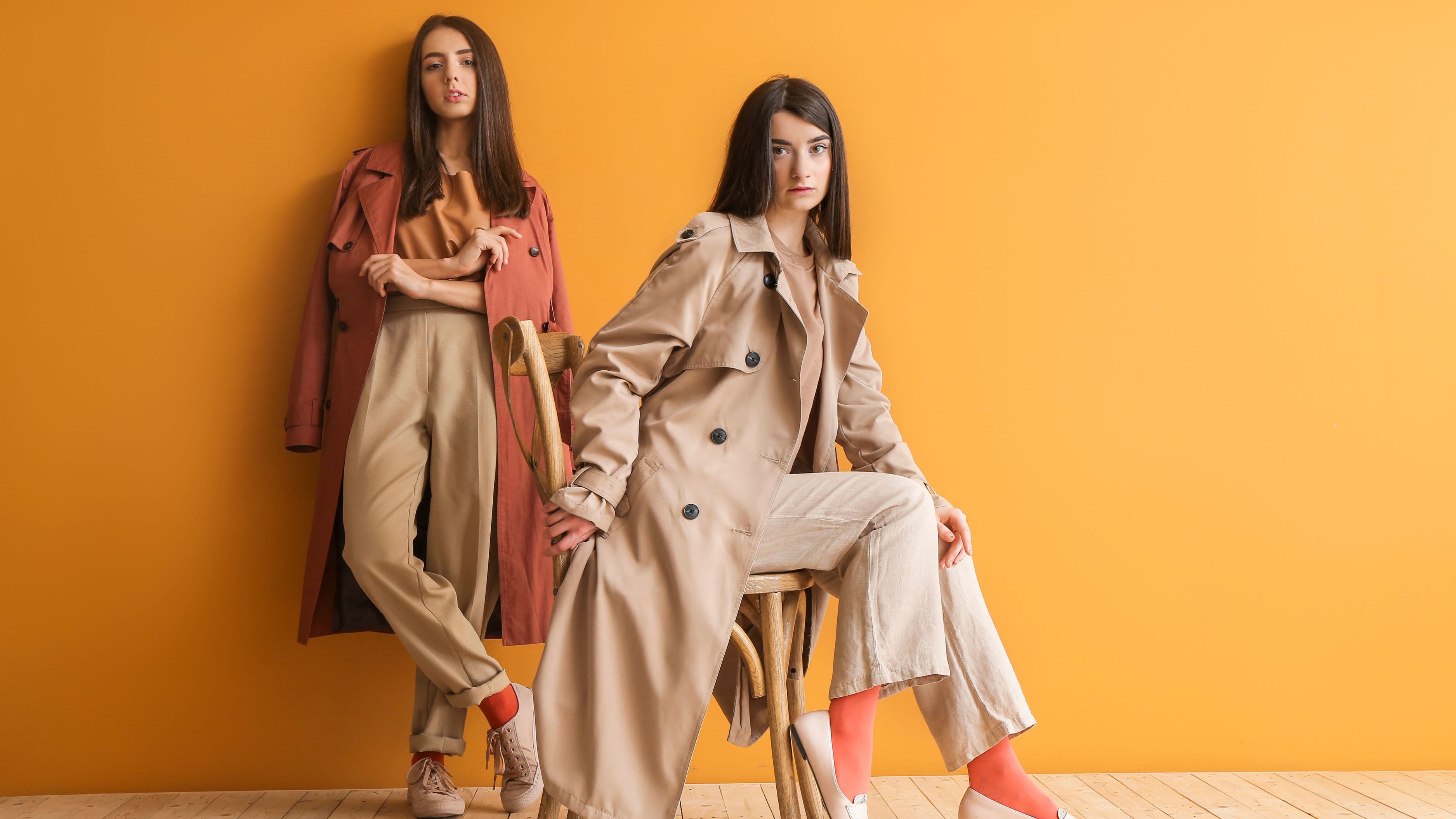
This look works for a cocktail dress, a suit, or even separates. A rust-coloured blazer with rust wide-leg trousers and rust-toned mules is a monochrome look. It doesn't require a floor-length gown.
Key item to invest in: Matching shoes, or a shoes-and-bag pairing in the same tone. This single detail is what sells the monochrome effect more than anything else.
The Sculptural Neckline Dress
The inspiration: Lupita Nyong'o and Cate Blanchett both repeatedly choose dresses where the neckline or structure is the entire story – dramatic cowl necks, deep V-cuts, asymmetric one-shoulder constructions, or architectural halter ties that turn the upper body into sculpture. The dress says everything. The accessories say very little.
Why it works: A dramatic neckline frames the face and draws attention upward. It creates visual interest without requiring embellishment, colour, or pattern. It's one of the most effective tricks in formalwear because it works across body types and skin tones.
How to recreate it: Find a dress or top with a neckline that genuinely does something interesting – a draped silk cowl, a clean deep V, a structured asymmetric strap. Then stop adding. No statement necklace. No layered chains. No scarf. A dramatic neckline is self-contained and every accessory you add fights with it rather than completing it. A small ear piece – a single elegant drop earring on the exposed side for an asymmetric neckline, or a small stud for a V or cowl – and nothing else. Bare collarbone, clean skin.
ASOS, Reiss, and Reformation all carry pieces with genuine neckline interest at non-designer prices. The fabric matters more here than in most categories – a sculptural cowl in cheap jersey looks unintentional. Look for silk, satin, or structured crepe.
Key item to invest in: Fabric quality. A simple silhouette in the right fabric is always more impressive than a complicated silhouette in the wrong one.
The Sequin-Everything After-Dark Look
The inspiration: Harry Styles at the Grammys. Taylor Swift in her Eras era. Doja Cat on essentially any evening occasion. Full sequin looks – top to bottom, catching every light in the room – have had a significant cultural moment over the past few years, and the red carpet has been full of them.
Why it works: Sequins are inherently celebratory. They move with the body, reflect light constantly, and have a built-in joy to them that most other fabrics don't. When a sequin look is done with intention – fitted properly, in a colour that works, styled simply – it transcends novelty and becomes genuinely striking.
How to recreate it: The most important rule with sequins is fit. A baggy sequin dress reads as costume. A fitted or intentionally structured sequin piece reads as fashion. If you're going full head-to-toe, keep the silhouette simple – a shift, a column, a straight trouser. Let the fabric do the work. If you're mixing, a full sequin skirt with a matte black or white top is clean and modern.
Keep shoes neutral or matching. Hair simple – a sleek updo or a low ponytail. Makeup focused on one element: a red lip or a strong liner, not both. The sequins are the look. Don't compete with them.
Sequin pieces hit ZARA, H&M, and ASOS seasonally and they're often genuinely well-made for the price. The one quality flag to check: make sure the sequins are sewn evenly and the garment lies flat when worn. Uneven sequin distribution or visible stretch pulling is what makes a sequin piece look cheap.
Key item to invest in: A neutral or clear strap heel that disappears under the hem. It lets the dress extend visually to the floor without a competing colour breaking the line.
The Romantic Floral Maximalism Look
The inspiration: Florence Pugh and Zendaya have both delivered red carpet floral moments that managed to feel editorial and genuine rather than predictable. Large-scale floral prints, 3D floral embellishments, and layered floral textures have had serious runway and red carpet presence in recent seasons.
Why it works: Florals done at scale – bold prints, oversized blooms, sculptural embellishments – feel powerful rather than sweet. The key is intentionality. One large statement print, not multiple competing ones. A structured silhouette, not a flowing slip. Florals as architecture, not wallpaper.
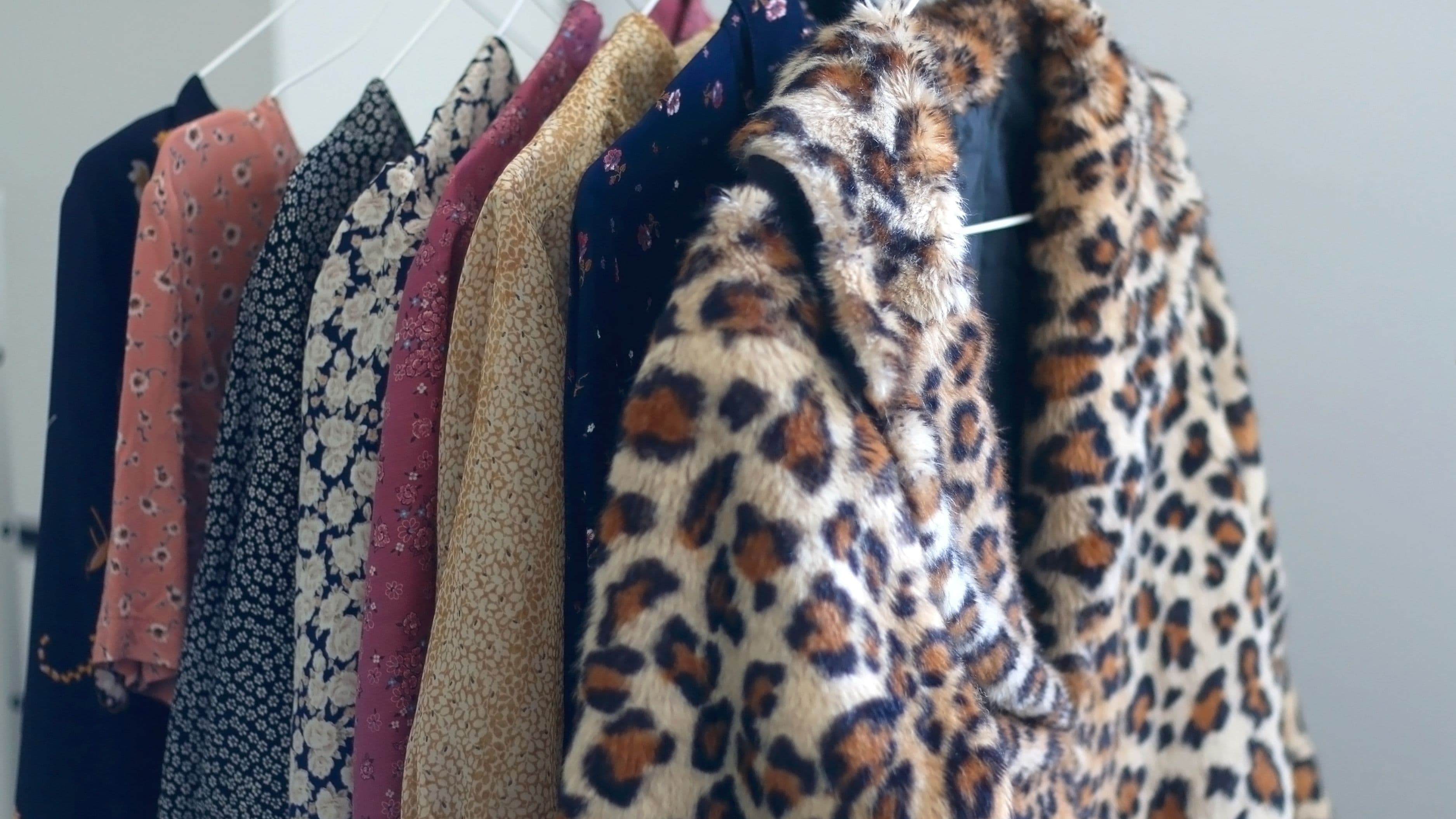
How to recreate it: Look for one piece with a large-scale, clearly legible floral pattern or embellishment rather than an all-over small print. Large florals on a clean background read modern and editorial. Small all-over floral prints read more casual and are harder to elevate. Pair with clean, simple accessories – neutral or tonal to the background colour of the print. Let the print lead.
For 3D floral embellishments – fabric flowers, petal details, sculptural ruffles – the same rule applies. One statement element, everything else simple. A black dress with a large flower at the shoulder, clean shoes, and a small earring is a red carpet moment. The same dress with a floral bag, a floral scarf, and pattern-clashing tights is something else entirely.
Key item to invest in: The piece itself. With florals, the print quality shows. Better fabric, better print.
The Effortless Suit Moment
The inspiration: Cate Blanchett has made the tailored suit one of her signature red carpet formats. So has Billy Porter, Janelle Monáe, and Olivia Colman. The celebrity suit moment is distinct from everyday office dressing because of the precision of the tailoring and the decisiveness of how it's worn.
Why it works: A well-tailored suit on the red carpet communicates something specific: that the wearer is in complete control of their image and not relying on a dramatic gown to do the work. It's a confident choice that reads as fashion-literate rather than playing it safe.
How to recreate it: The fit is everything. Trousers should break cleanly at the shoe – no pooling, no flood. The jacket should button without pulling at the waist and sit flat across the back. Shoulders should hit exactly at the shoulder joint. If a suit doesn't fit well off the rack, a tailor makes all the difference – trouser hemming and jacket sleeve shortening are cheap alterations.
Style it with a barely-there heel, a pointed flat, or a loafer depending on the formality level. No tie required unless it's genuinely part of the look. A crisp white shirt or a silk camisole underneath are both correct. Hair and makeup should match the precision of the suit – polished and considered, not casual or deliberately undone.
Key item to invest in: Tailoring. Buy the suit that fits in the shoulders and tailor everything else. This single habit is what separates suits that look expensive from suits that look average.
The One Rule That Applies to Every Look
Every red carpet moment that actually works has one thing in common: the person wearing it looks like they decided. The outfit wasn't an accident. They committed to a direction, understood what the look required, and showed up without the visible anxiety of someone hoping they got it right.
You can apply that to every outfit, not just the ones in this article. Once you've built your version of the look, wear it. Don't second-guess it at the door, don't add one last thing to feel safer, and don't spend the evening adjusting it. Decision and commitment are the most underrated styling tools available – and they're free.
FAQ
Do I need designer pieces to nail a red carpet-inspired look? No. What you need is fit, fabric quality, and restraint. Designer pieces tend to tick these boxes because of quality control and construction, but high-street pieces in good fabrics, properly fitted, achieve the same visual result. Spend on tailoring before you spend on labels.
What's the single most impactful change most people can make to look more polished? Getting clothes altered to fit properly. More than any individual piece, the fit of what you're wearing communicates whether an outfit is working. A $40 dress tailored to fit will look better than a $400 dress worn slightly off.
How do I avoid looking like I'm in costume rather than dressed up? Restraint. Every element you add to an outfit after the main piece is a risk. Add only what genuinely improves the look. A bold dress usually needs simple accessories and simple hair. Competing elements – statement earrings, statement bag, statement shoes, dramatic makeup – cancel each other out and create visual chaos rather than a coherent look.
Are trends worth following when trying to dress in a red carpet-inspired way? Selectively. Trend awareness is useful for understanding what reads as current versus dated. But the red carpet looks that get remembered aren't usually the most trend-forward – they're the most coherent, the most personally specific, or the most technically accomplished. Focus on what flatters and fits your aesthetic before thinking about what's current.
📚 Sources
Vogue – Red Carpet Fashion Coverage: https://www.vogue.com/fashion/red-carpet
Harper's Bazaar – "The Best Red Carpet Looks of 2024": https://www.harpersbazaar.com/celebrity/red-carpet-dresses
Who What Wear – "How to Recreate Celebrity Style on a Budget": https://www.whowhatwear.com/celebrity-style-on-a-budget
The Cut – "What Actually Makes a Red Carpet Look Work": https://www.thecut.com/fashion/red-carpet-style
InStyle – "Celebrity Style Inspiration and Breakdowns": https://www.instyle.com/celebrity/style