Some of these moments became cultural turning points. Others became the kind of shared memory that bonds entire fan communities across decades. Here are the most iconic ones – and why they still matter.
The Dark Knight Panel (2007): The Joker Arrives
The 2007 Hall H presentation for Christopher Nolan's The Dark Knight is widely credited as the moment that established SDCC as the defining event for blockbuster film culture. Heath Ledger's casting as the Joker had divided opinion online, and the audience in Hall H was going to be his first major public test.
What they got was a viral marketing campaign that had been running for months suddenly paying off in the room – clues, ciphers, Joker playing cards distributed through the crowd, and then the first real look at Ledger in character. The reaction was immediate and overwhelming. By the time The Dark Knight arrived the following summer and Ledger's performance became one of the most acclaimed in comic book film history, the SDCC moment felt like a prophecy. It established the template that studios have chased ever since: don't just announce your film, make the announcement an event.
Twilight's Hall H Surprise (2008): A Fandom Announces Itself
The year after The Dark Knight took over Hall H, a different kind of moment happened in the same room. Twilight wasn't expected to generate significant buzz at Comic-Con. The books had a devoted following but the film was still an unknown quantity, and the franchise wasn't the kind of property that traditionally dominated the convention.
Then the cast walked in. The audience – packed with fans who had traveled specifically to see them – erupted in a way that reportedly shocked the cast members themselves. Robert Pattinson, Kristen Stewart, and Taylor Lautner encountered a level of fandom intensity that felt new in that context. The footage that came out of that Hall H appearance, including the crowd's reaction, helped turn a mid-budget vampire film into a cultural phenomenon. It was also one of the first viral moments in the modern social media sense – documented and spread by attendees before any official outlet had published anything.
It mattered because it showed the industry that Comic-Con wasn't just for superhero and sci-fi properties. Any franchise with a passionate enough following could own Hall H, regardless of genre.
Marvel's Phase One Announcement (2010): The MCU Blueprint
When Marvel Studios walked into Hall H in 2010 and introduced the then-assembled cast of The Avengers on stage together – Robert Downey Jr., Chris Evans, Chris Hemsworth, Mark Ruffalo, Jeremy Renner, Scarlett Johansson, and Samuel L. Jackson – the audience reaction has been described by people who were in the room as something beyond typical fan enthusiasm. It was the unveiling of a plan that had been building since Iron Man in 2008, and seeing every piece of it standing together on one stage made the Marvel Cinematic Universe feel real in a way that individual film announcements hadn't.
The moment has been widely cited as one of the most significant marketing events in modern film history. It wasn't just a panel – it was a proof of concept for a new model of franchise storytelling, delivered live to the most attentive film audience in the world. The standing ovation lasted long enough that footage of it circulated widely, and the image of that cast assembled together became one of the defining visuals of the MCU's early era.
The Breaking Bad Reunion (2013): A Show at Its Peak
Television has had its own iconic Comic-Con moments, and Breaking Bad's 2013 Hall H panel during the show's final season stands among the best of them. The show was at the absolute height of its cultural relevance – the final episodes hadn't aired yet, speculation was at a fever pitch, and Bryan Cranston, Aaron Paul, and the rest of the cast arrived to an audience that had spent five years investing deeply in these characters.
What made the panel memorable wasn't a reveal or a trailer – it was the emotional weight of a roomful of fans saying goodbye to something they loved. The panel was funny, genuine, and moving in ways that polished marketing events rarely manage to be. Cranston and Paul's chemistry in conversation was as compelling as anything on screen. It became a model for how a television panel could feel like an event even without spectacular announcements – through the sheer power of the audience's relationship with the material.
Game of Thrones' Hall H Era (2014–2019): Appointment Television, Live
For several consecutive years, Game of Thrones' SDCC presence was among the most anticipated events at the convention. The show's scale, its willingness to kill beloved characters without warning, and the genuine uncertainty about where the story was going created the conditions for Hall H appearances that felt like therapy sessions, celebrations, and war councils simultaneously.
The 2017 panel in particular, arriving after the season six finale had resurrected Jon Snow and delivered the Battle of the Bastards, captured the show at a peak of both quality and audience emotional investment. Cast members who had been killed off returned to panels, creating reunion energy that generated some of the most shared footage in SDCC's social media history. The Game of Thrones era helped establish the convention as essential viewing for television fans, not just film fans.
The Avengers: Endgame Footage (2019): The End of an Era
By 2019, the MCU had been building toward Avengers: Endgame for over a decade, and the film had already become the highest-grossing movie in history. When the cast and filmmakers appeared at SDCC in July of that year, the convention had the unusual experience of celebrating a film that audiences had already seen rather than anticipating one that was coming.
The panel became something closer to a memorial and a celebration of the journey than a typical film promotion. Kevin Feige announced the future of the MCU, new phases and new films, while the existing cast received standing ovations for work that had already been seen and loved. The footage shown included behind-the-scenes material that put the scale of the production into context in ways the finished film hadn't fully communicated. It was one of the rare SDCC moments that felt like a conclusion rather than a beginning.
What Makes a Moment Iconic
Looking across these events, the ones that last in collective memory share a few qualities that have nothing to do with marketing budgets or star power.
Genuine surprise matters enormously. The moments that cut through – a cast assembled for the first time, an announcement nobody saw coming, a crowd reaction that exceeds what anyone expected – generate emotional responses that translate directly into the shared storytelling that fandom runs on. The moments where everything goes according to a carefully managed plan rarely produce the same electricity.
Authenticity registers differently in a live room than it does through a screen. The Breaking Bad panel worked because it felt like real people talking about something they cared about. The Twilight moment worked because the cast seemed genuinely surprised by the response they received. When the performance slips and the actual human experience becomes visible, the audience responds to it in a way that no amount of production value can manufacture.
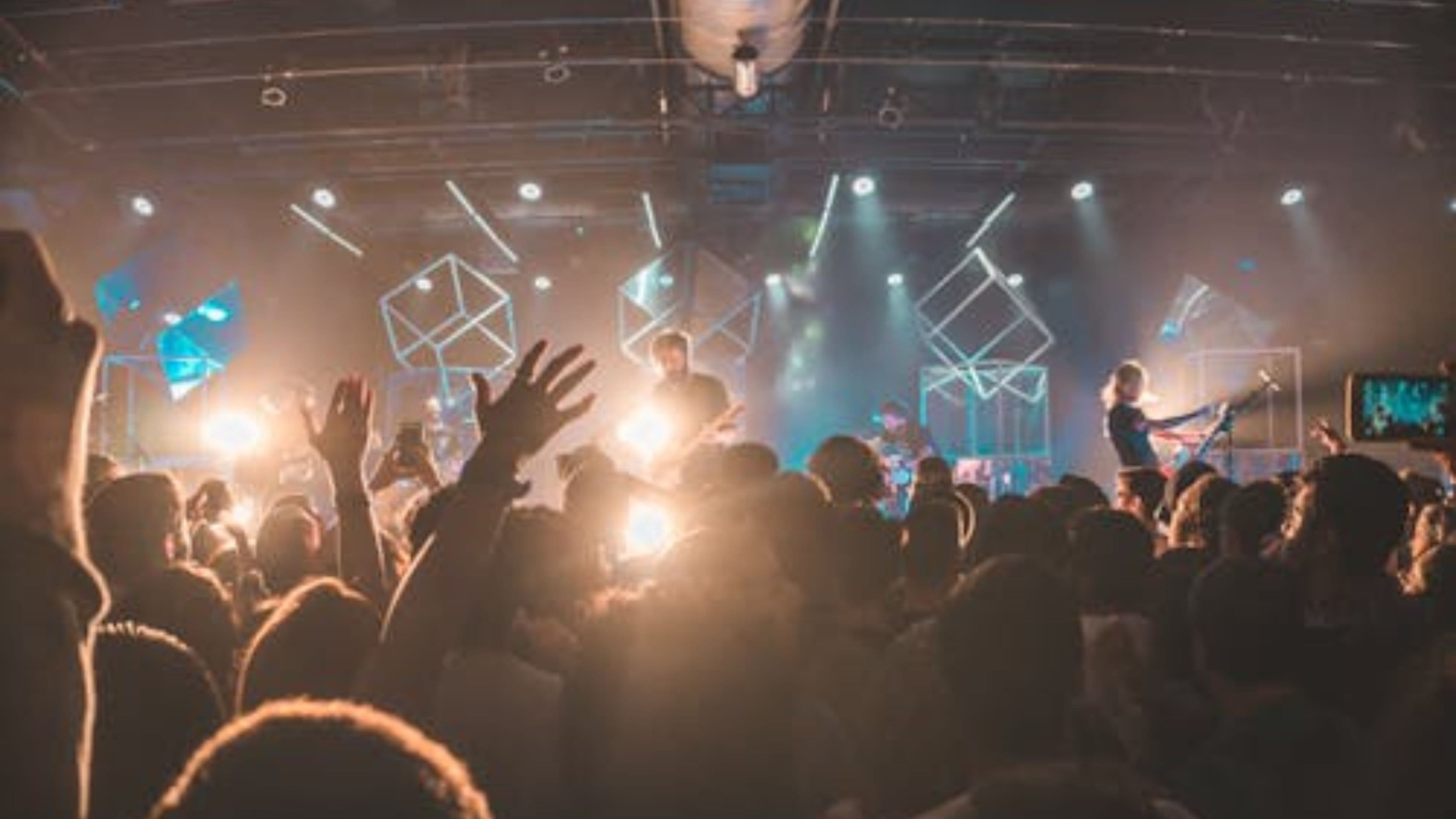
And scale produces something that purely digital events cannot replicate. Hall H holds approximately 6,500 people, and the energy of that many fans unified in a single experience creates a kind of amplification that gets transmitted through everyone who leaves the room and tells someone else what happened. Comic-Con's iconic moments don't just live in the convention center – they radiate outward through every account, every video, every conversation that follows, and that's what makes them last.
Outro
San Diego Comic-Con has been running since 1970, and in that time it has evolved from a small gathering of comics enthusiasts into one of the most culturally influential events in the entertainment calendar. The moments that have come out of it – the surprise reveals, the emotional reunions, the announcements that change the direction of franchises – have become part of how pop culture measures itself. The next iconic moment is always being built somewhere in a Hall H panel, waiting for the right combination of anticipation, authenticity, and surprise to make it the one everyone remembers.
📚 Sources
The Hollywood Reporter – How San Diego Comic-Con Became Hollywood's Most Important Event: https://www.hollywoodreporter.com/movies/movie-news/comic-con-history-hollywood-1235170482
Variety – The Most Memorable Comic-Con Moments Ever: https://variety.com/lists/best-comic-con-moments
Entertainment Weekly – Comic-Con Hall H: A History of Epic Moments: https://ew.com/comic-con/comic-con-hall-h-history
San Diego Comic-Con – Official Event History: https://www.comic-con.org/about