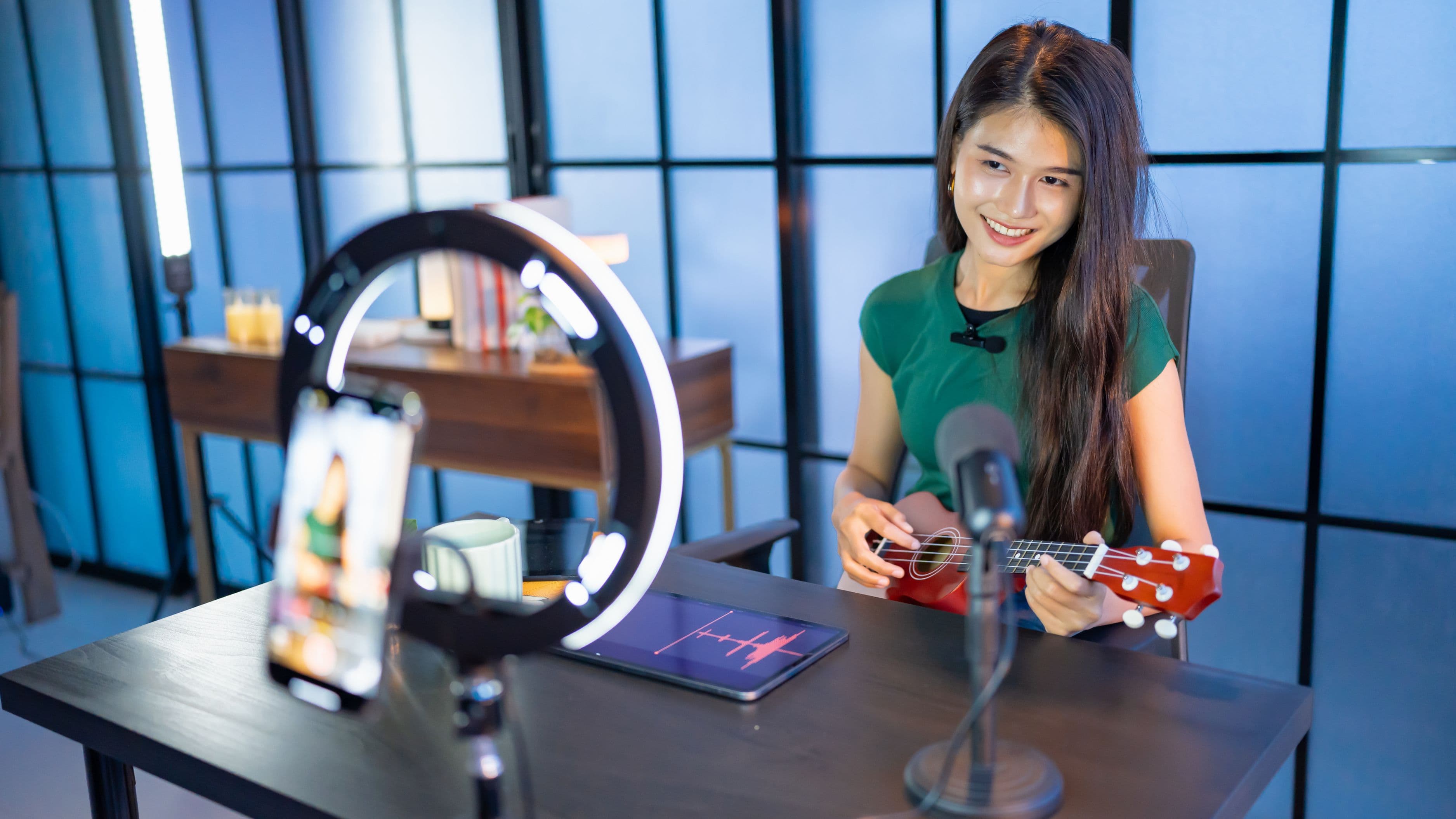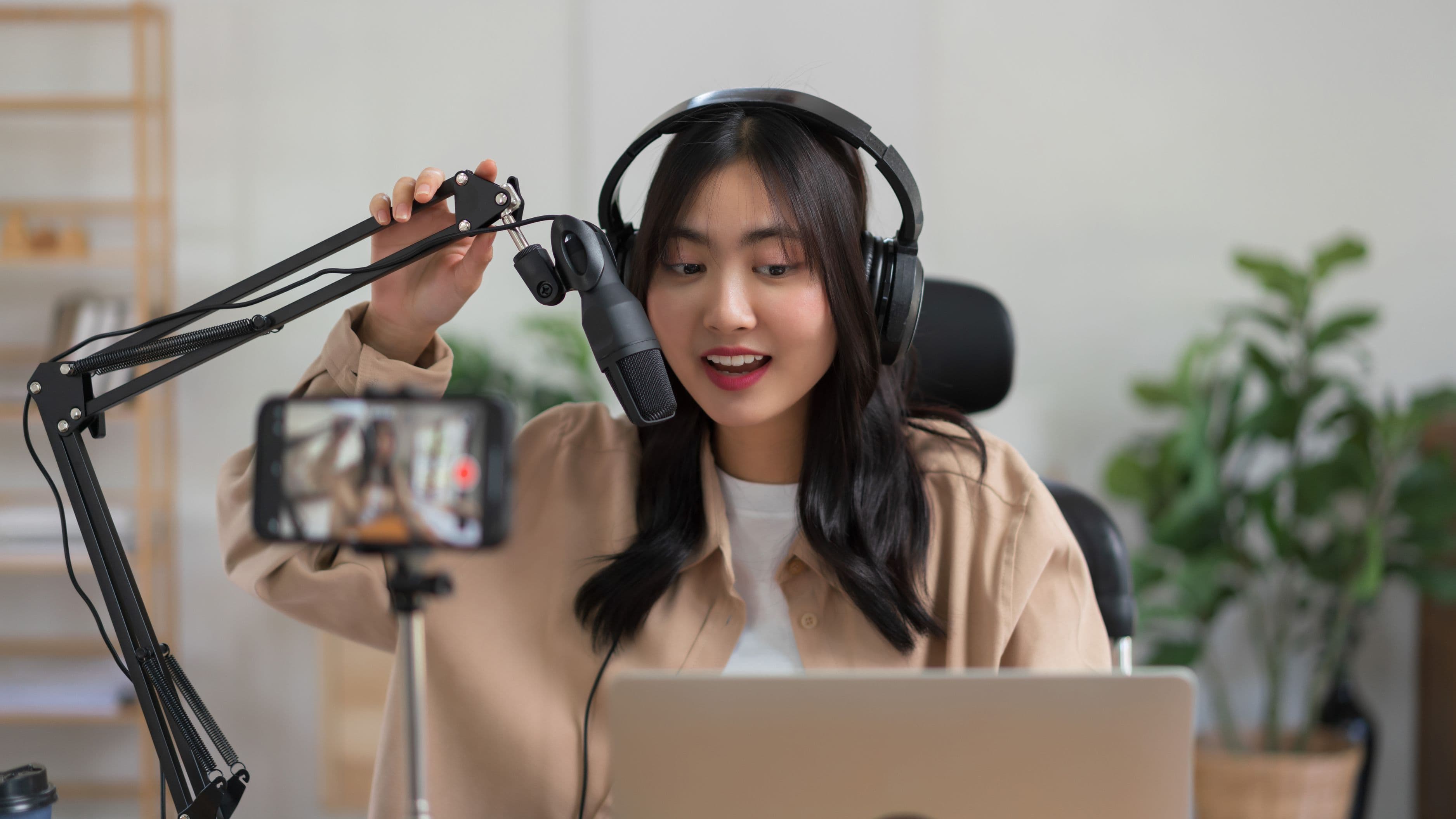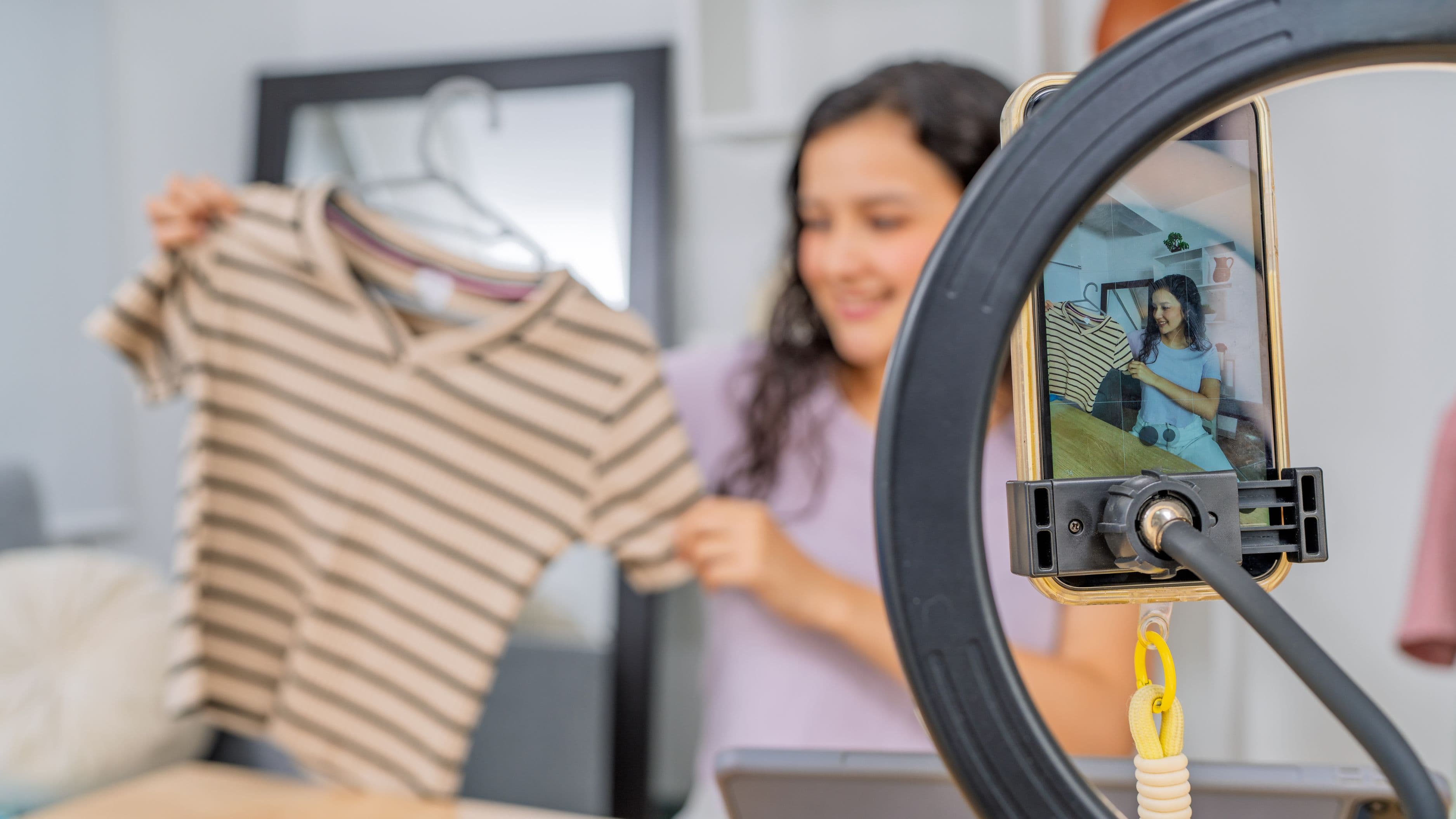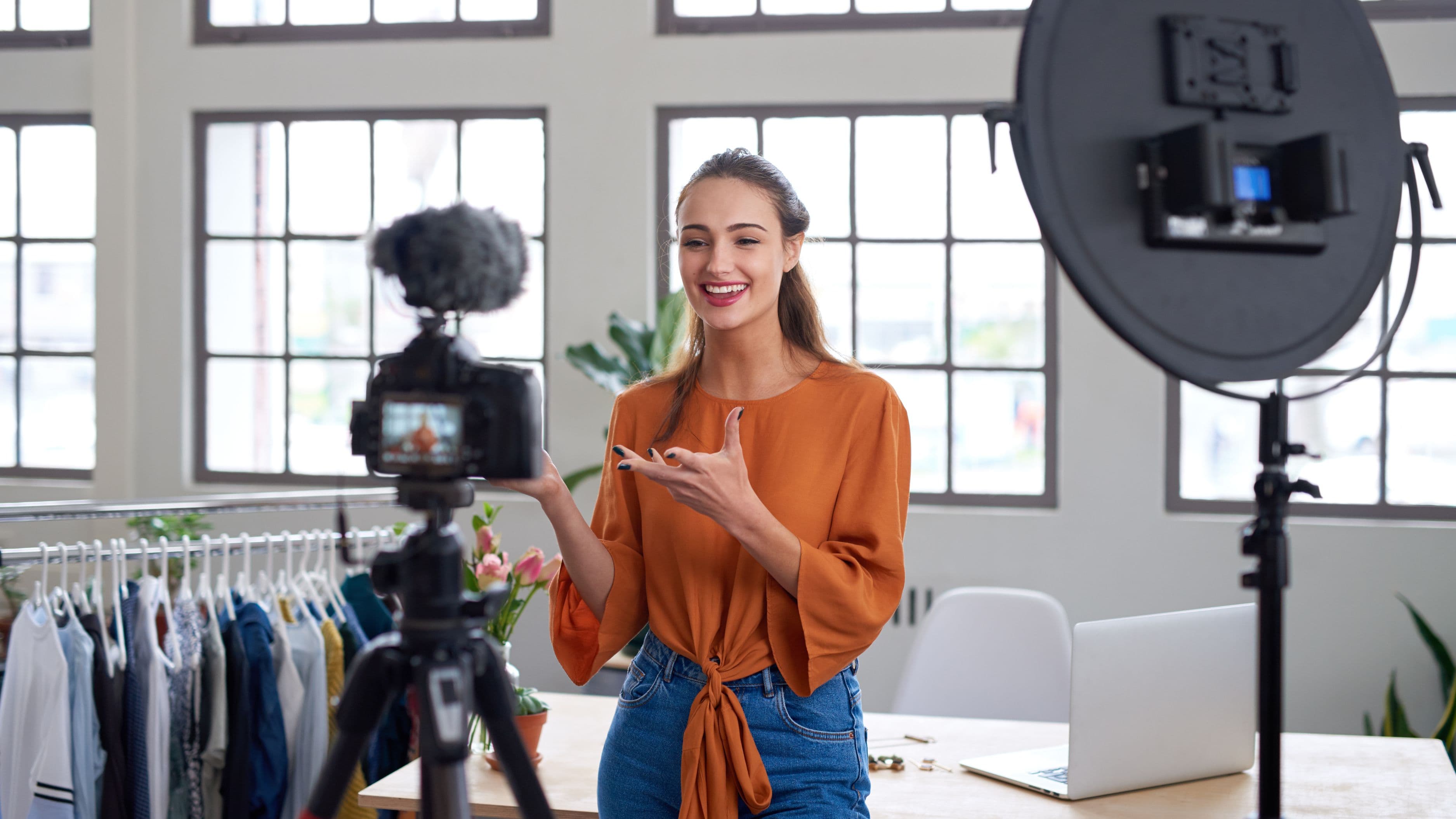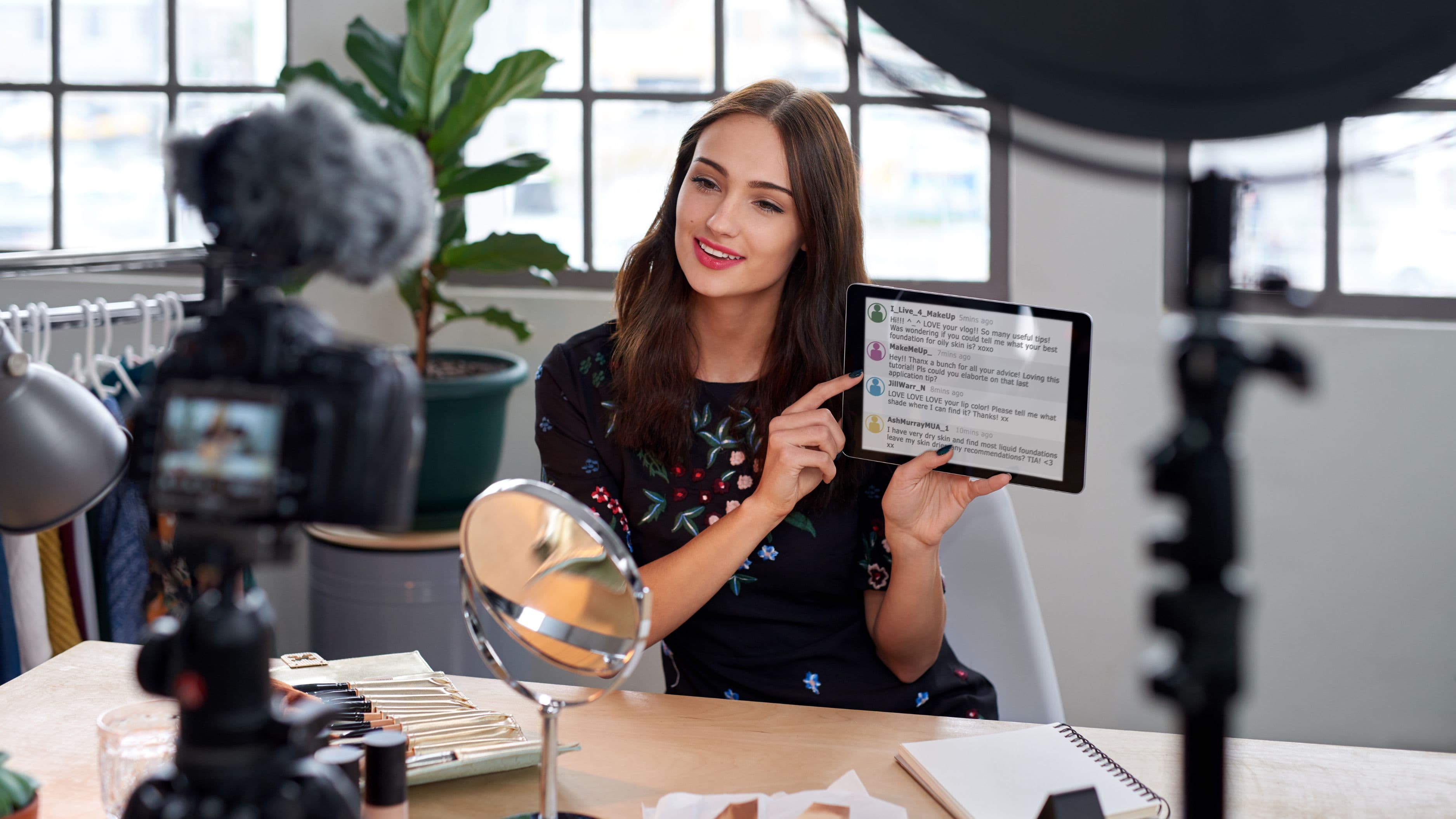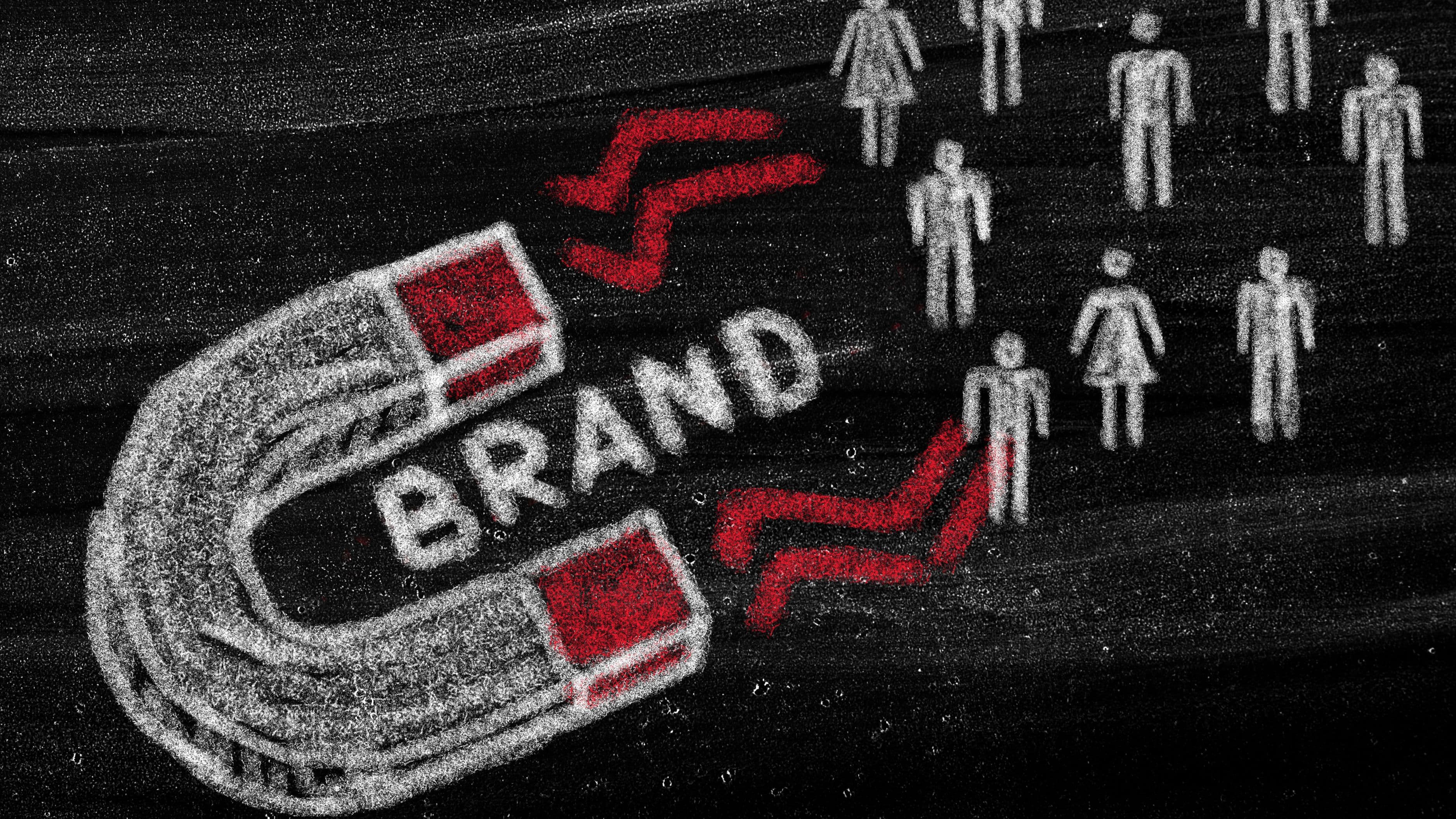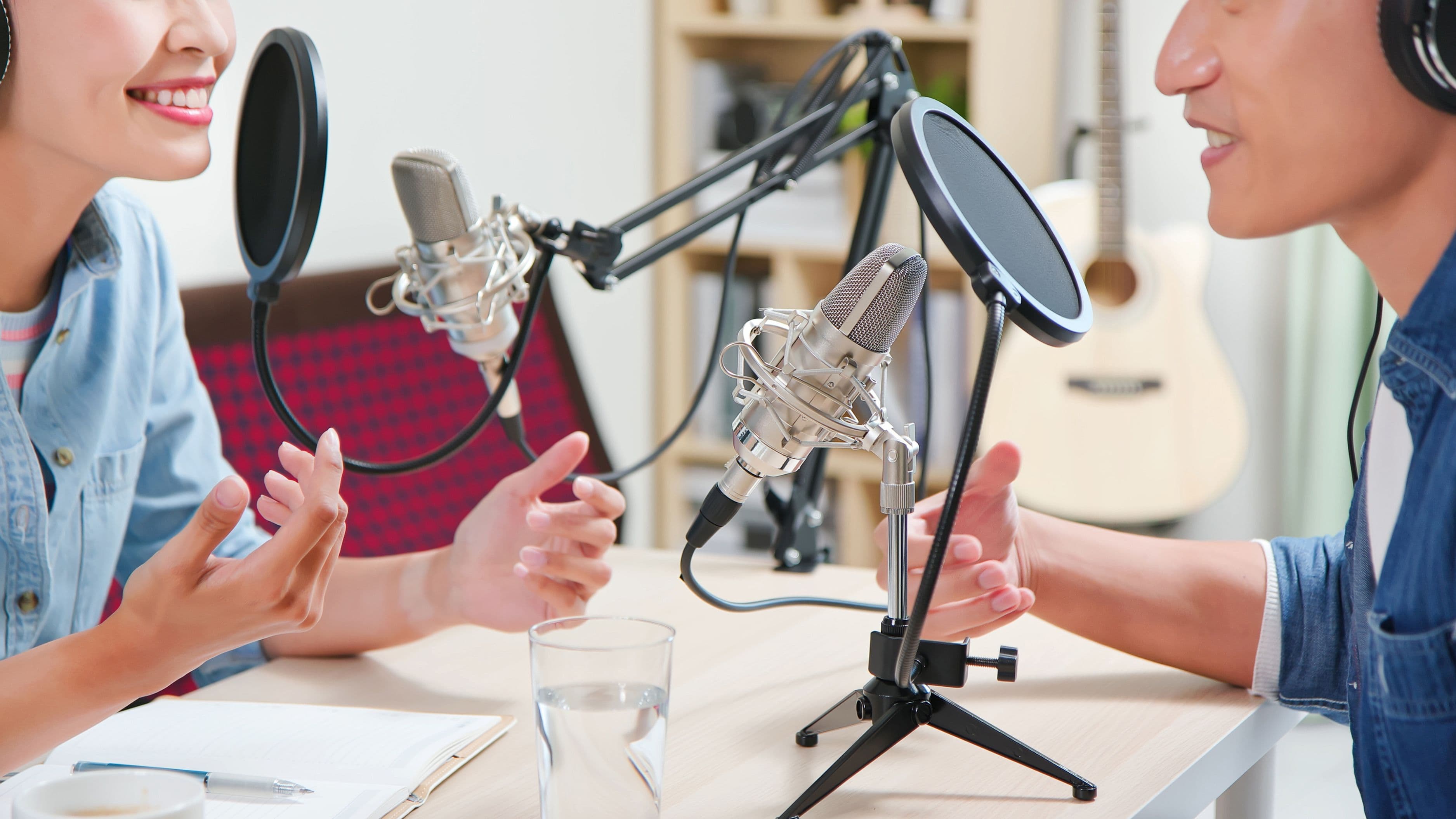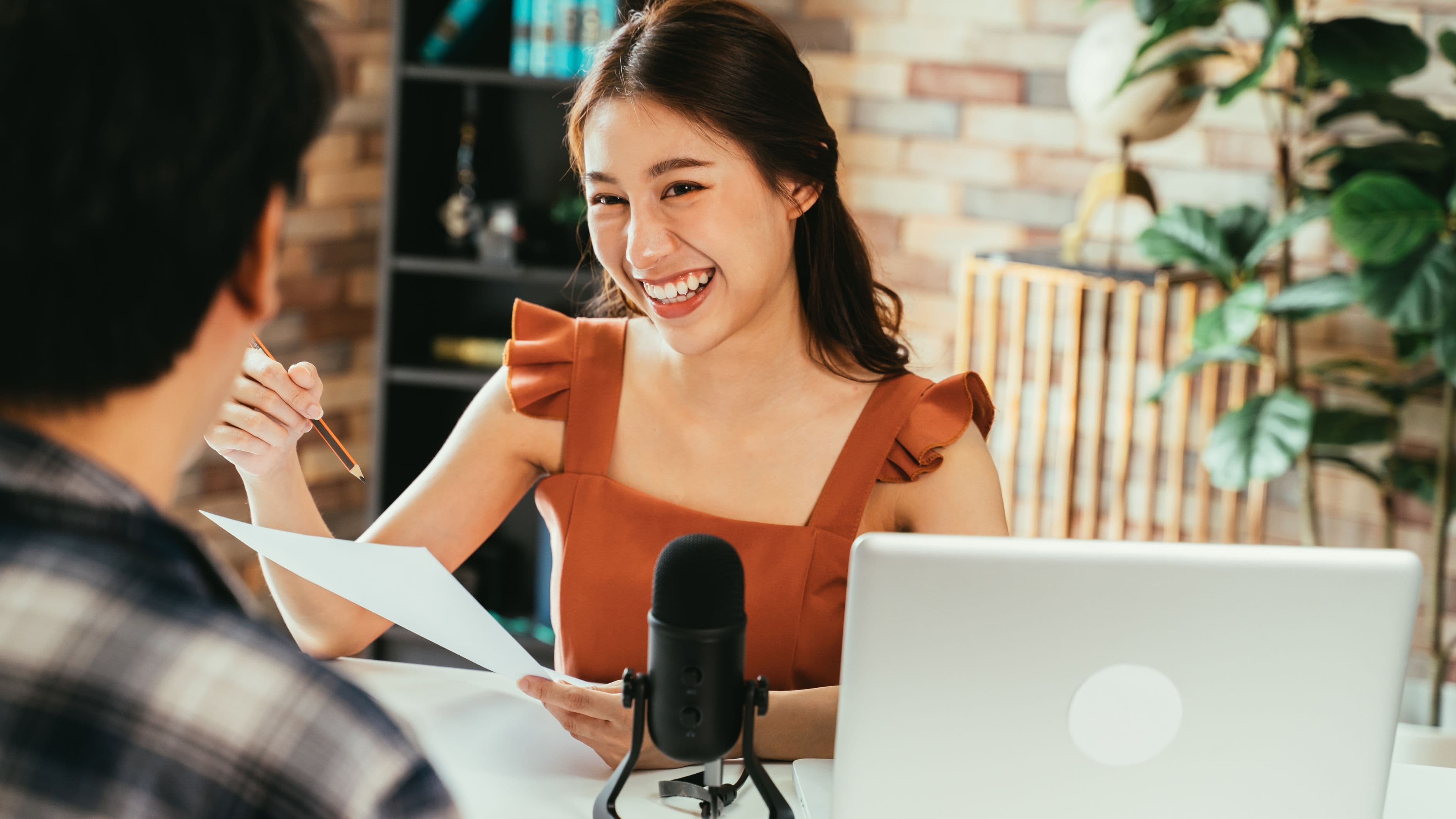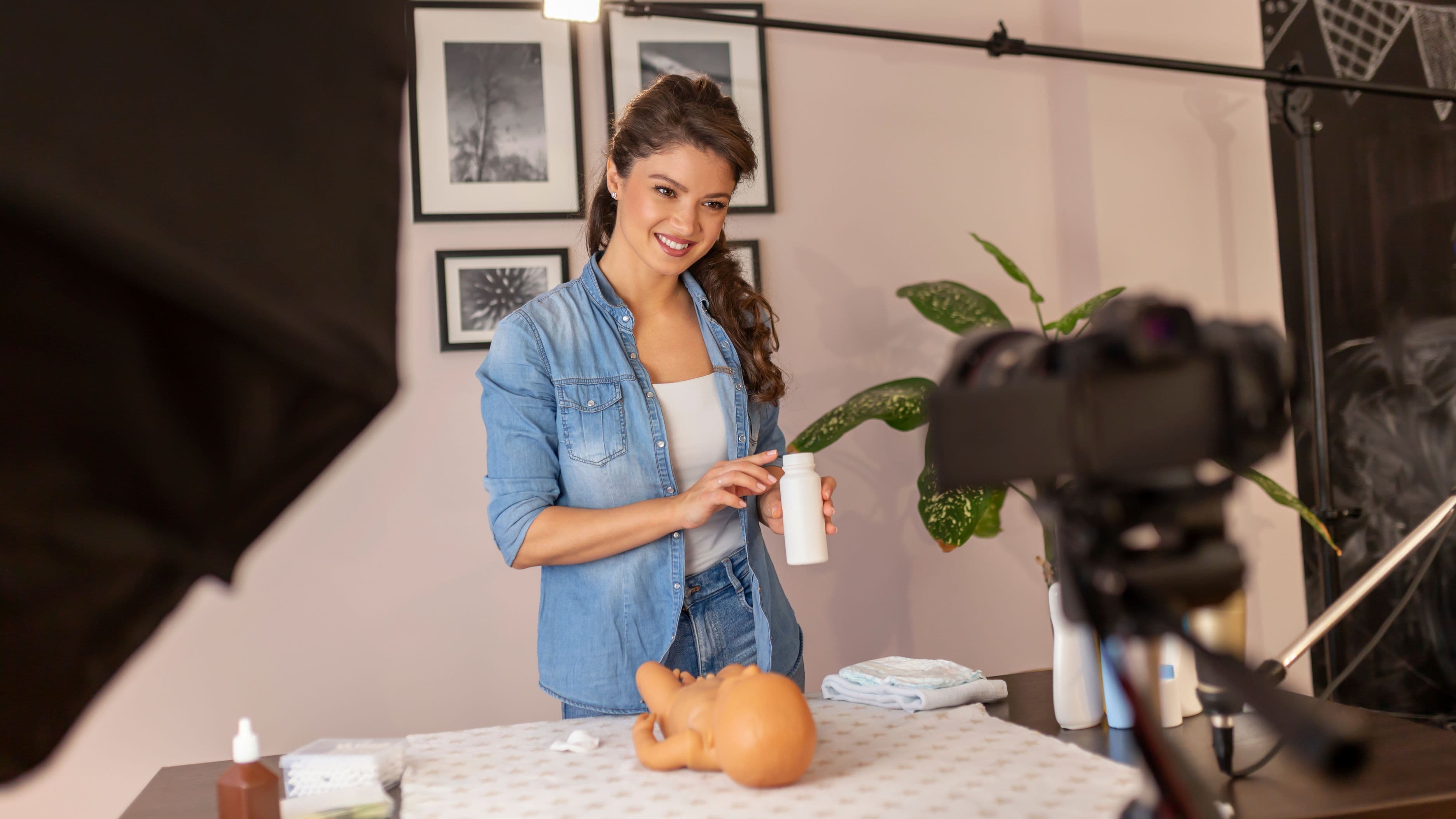
Influencer brand reviews have become one of the most watched – and most feared – formats on the internet right now. When a creator with a loyal following sits down to genuinely test a product from a celebrity or influencer-owned brand, the results can go either way fast.
Glowing reviews send products flying off shelves. Critical ones can spark full-blown brand crises within 48 hours. And the comment sections? Practically a sport of their own.
So why is this moment happening now, and why does everyone seem to have an opinion about it?
The New Power Dynamic Between Creators and Brands
For years, the influencer economy ran largely on endorsements and sponsorships – creators promoting products in exchange for payment or gifted items, with disclosure buried in the caption or rattled off at the end of a video. Audiences played along for a while. Then they stopped.
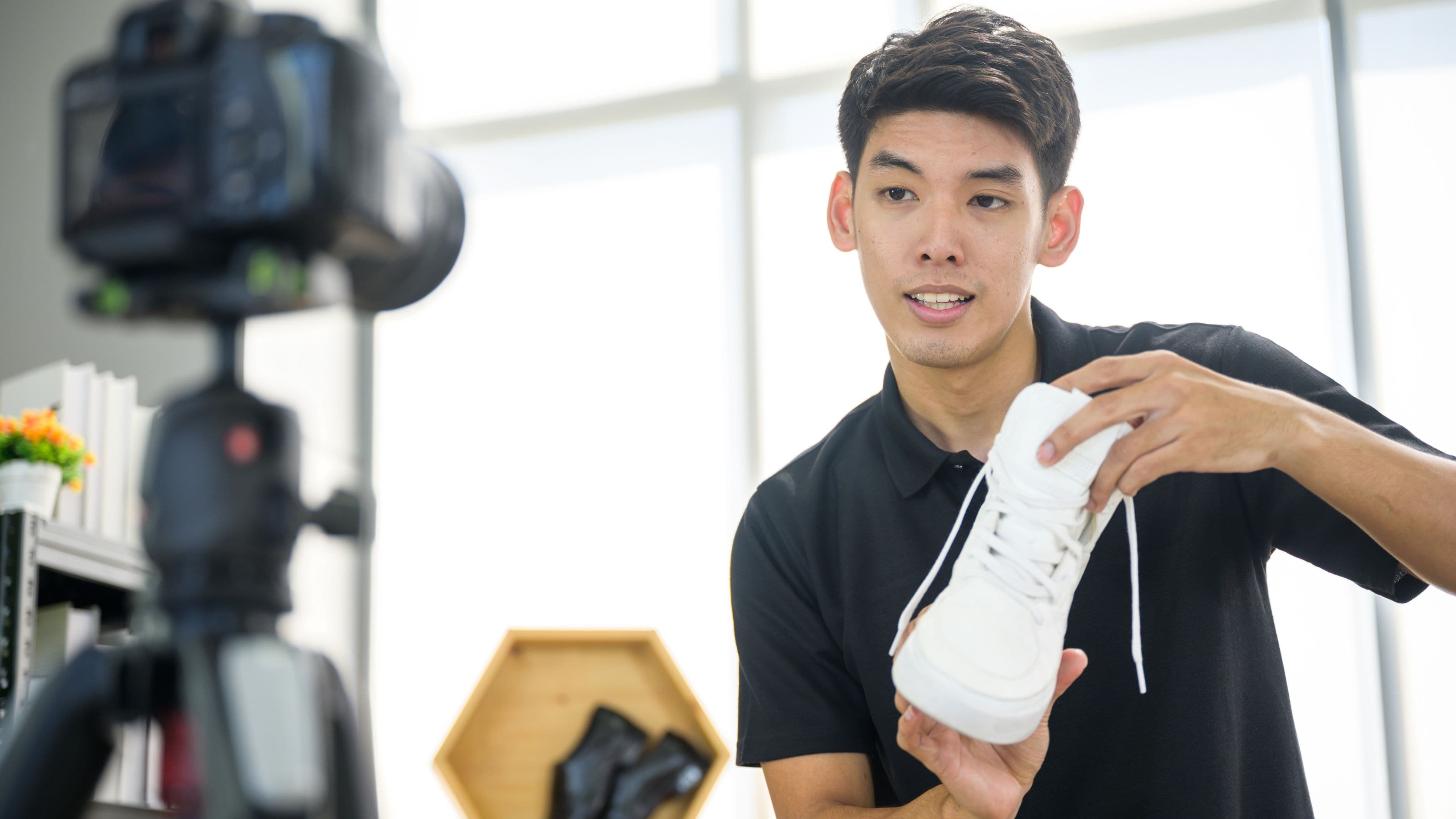
Today's viewers – particularly on TikTok and YouTube – have developed a finely tuned radar for inauthenticity. They know when a review is paid for. They notice when a creator seems suspiciously enthusiastic about a product they never would have touched otherwise. And they've learned to seek out the reviewers who will actually tell them the truth, even when the truth isn't flattering. This shift in viewer expectation has elevated a specific type of creator: the independent reviewer who has no financial relationship with the brand they're testing and nothing to lose by being honest.
When that kind of creator turns their attention to an influencer-owned brand – a beauty line, a snack company, a clothing label, a wellness product – the stakes are unusually high. Because the brand being reviewed isn't just a product. It's someone's personal image, their business, and often a significant chunk of their income.
Why Influencer Brands Are Under the Microscope
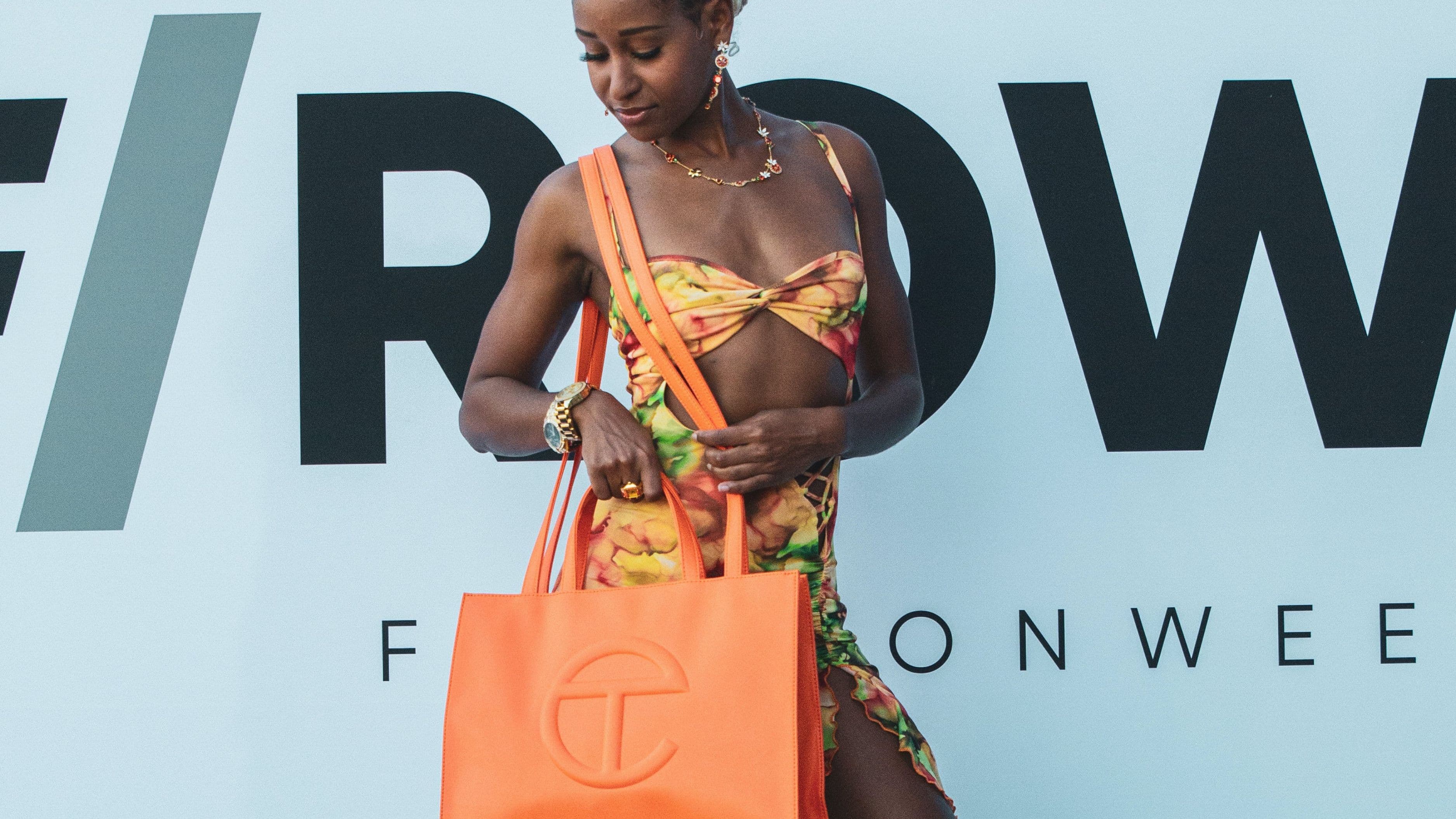
The past few years have seen an explosion of celebrities and influencers launching their own product lines. Beauty is the most crowded space – skincare, makeup, and hair care brands launched by creators with large followings have become almost a rite of passage in certain corners of the internet. Food and beverage brands, fitness supplements, lifestyle products, and apparel labels have followed. Some of these businesses are genuinely well-made and successful. Others have faced serious questions about quality, pricing, and whether the brand is delivering on the promises made to fans.
The problem is that influencer brands often come pre-loaded with a level of trust that traditional brands have to earn over years. Fans buy from creators they love, which means disappointment hits differently when a product doesn't live up to the hype. It's not just a bad purchase – it can feel like a personal let-down. That emotional dimension is part of what makes brand review content so compelling to watch and so easy to share.
What Makes a Review Go Viral
Not every critical review blows up. The ones that do tend to share a few characteristics. They're specific – not vague criticism but documented evidence, side-by-side comparisons, texture close-ups, ingredient breakdowns, or receipts showing what was paid versus what arrived. They're calm, which paradoxically makes them more credible than angry rants. And they're made by creators whose audience already trusts their judgment because they've been honest in the past.
The response from the brand or the influencer being reviewed also plays a huge role in how far a story travels. A thoughtful, accountable response can actually turn a critical review into a net positive – proof that the brand listens and takes quality seriously. A defensive response, a legal threat, or complete silence tends to have the opposite effect, drawing more attention to the original review and convincing even more people to watch it. The internet has a long memory for how brands handle criticism, and it rewards transparency more often than it rewards spin.
The Audience Side: Why People Watch So Many of These
There's an obvious practical reason to watch influencer brand reviews – you want to know if a product is worth buying before you spend money on it. But that doesn't fully explain why these videos regularly rack up millions of views even among people who had no intention of buying the product in the first place.
Part of it is accountability culture. There's a genuine appetite right now for seeing whether influencer-owned brands actually hold up when someone with no stake in the outcome takes a real look at them. It satisfies something that feels a lot like fairness. Part of it is also pure entertainment – the drama of a review that goes unexpectedly wrong, the community speculation in the comments, the follow-up videos and response chains that can turn a single review into a multi-episode arc that plays out over weeks.
And part of it is simply that people care about authenticity in a space that has historically had very little of it. When a creator has clearly done the research, spent their own money, and delivered a genuinely useful verdict, it stands out sharply against the endless scroll of sponsored content that surrounds it.
What Brands Are Learning from All of This
The most commercially successful influencer brands in recent years share a pattern: they were built on quality first and marketing second. They can withstand an honest review because the product actually does what it says. These brands tend to welcome scrutiny rather than avoid it, sometimes even engaging with critical reviewers directly to address concerns or make improvements.
The brands that struggle are the ones that leaned too hard on a creator's existing fanbase without investing in what's inside the packaging. Loyalty will get an initial sales spike, but it won't survive a wave of disappointed reviews from people who actually tried the product. The creator economy has a way of correcting for this relatively quickly – and the corrections tend to be very public.
For independent reviewers, this moment represents real leverage. A well-made, honest review of an influencer brand can do substantial numbers, drive serious engagement, and cement a creator's reputation as someone worth listening to. There's both an audience and an incentive for this type of content that didn't exist in quite the same way even three or four years ago.
The Bigger Picture
Influencer brand review culture is ultimately a reflection of how much the relationship between creators and their audiences has matured. Fans aren't passive consumers of whatever their favorite influencer sells them. They're engaged, skeptical, and quick to share when something doesn't add up. That's a good thing for the overall ecosystem, even if it makes the landscape more difficult for brands that aren't delivering.
The reviews that keep going viral aren't going viral because people enjoy tearing things down. They go viral because honesty is genuinely rare in this space, and when someone finds it, they share it. That dynamic isn't going anywhere – if anything, it's getting stronger. Influencer brands that understand this and build accordingly are the ones that will still be around in five years. The ones that don't are probably one review away from finding out.
📚 Sources
Forbes – The Creator Economy Explained (2024): https://www.forbes.com/advisor/business/creator-economy
Business of Fashion – The Rise and Risks of Celebrity Beauty Brands: https://www.businessoffashion.com/articles/beauty/the-rise-and-risks-of-celebrity-beauty-brands
The Atlantic – Do We Still Trust Influencers?: https://www.theatlantic.com/technology/archive/2023/03/influencer-marketing-trust-crisis/673398
Glossy – Why influencer-founded brands are under more scrutiny than ever: https://www.glossy.co/beauty/why-influencer-founded-brands-are-under-more-scrutiny-than-ever
Pew Research Center – Influencer Marketing and Consumer Trust (2023): https://www.pewresearch.org/internet/2023/11/15/how-teens-navigate-influencers-and-advertising