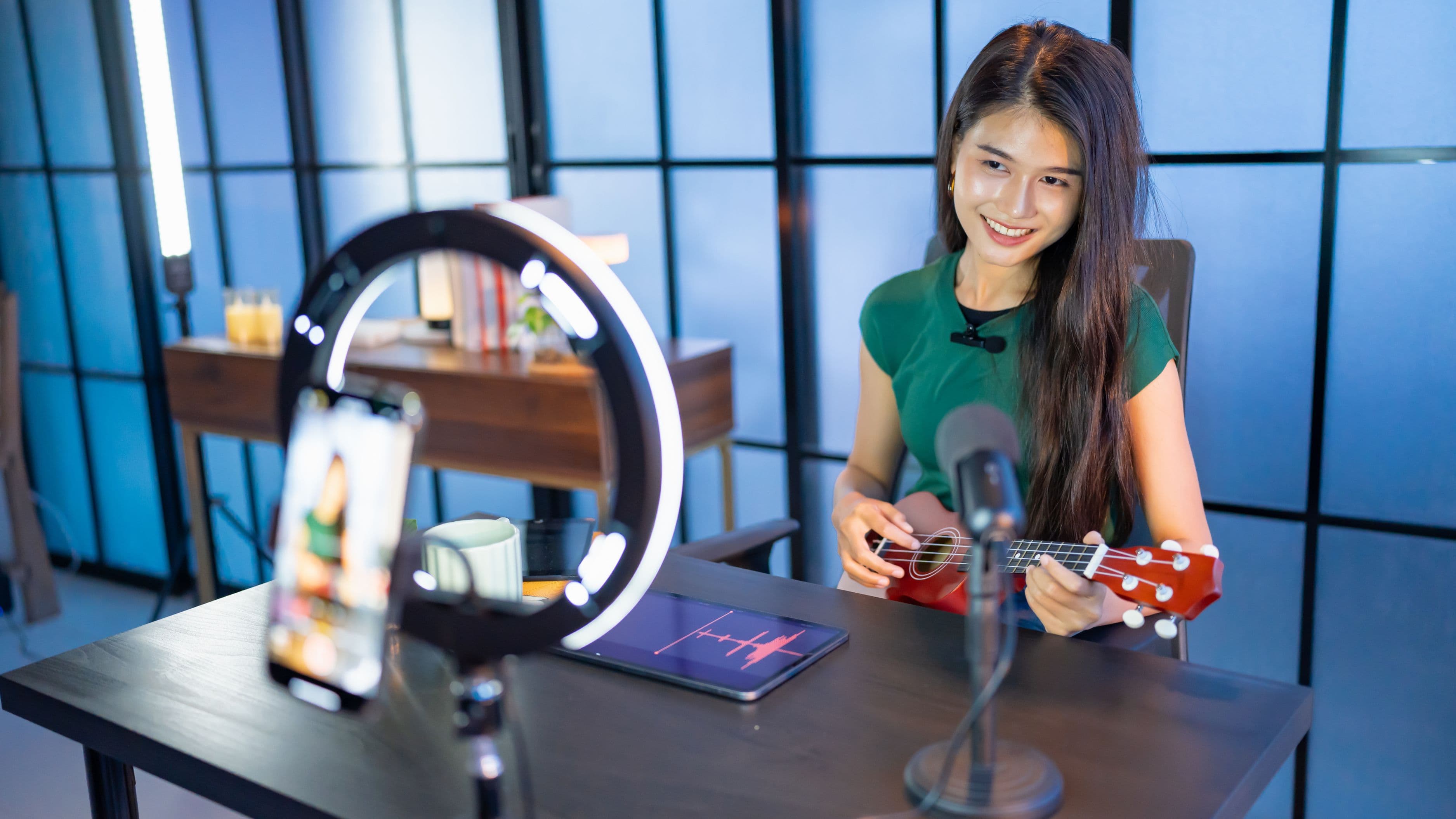
The question worth asking is: why? What is it about certain reviews that makes the internet stop scrolling and start talking?
The Mechanics of a Viral Review
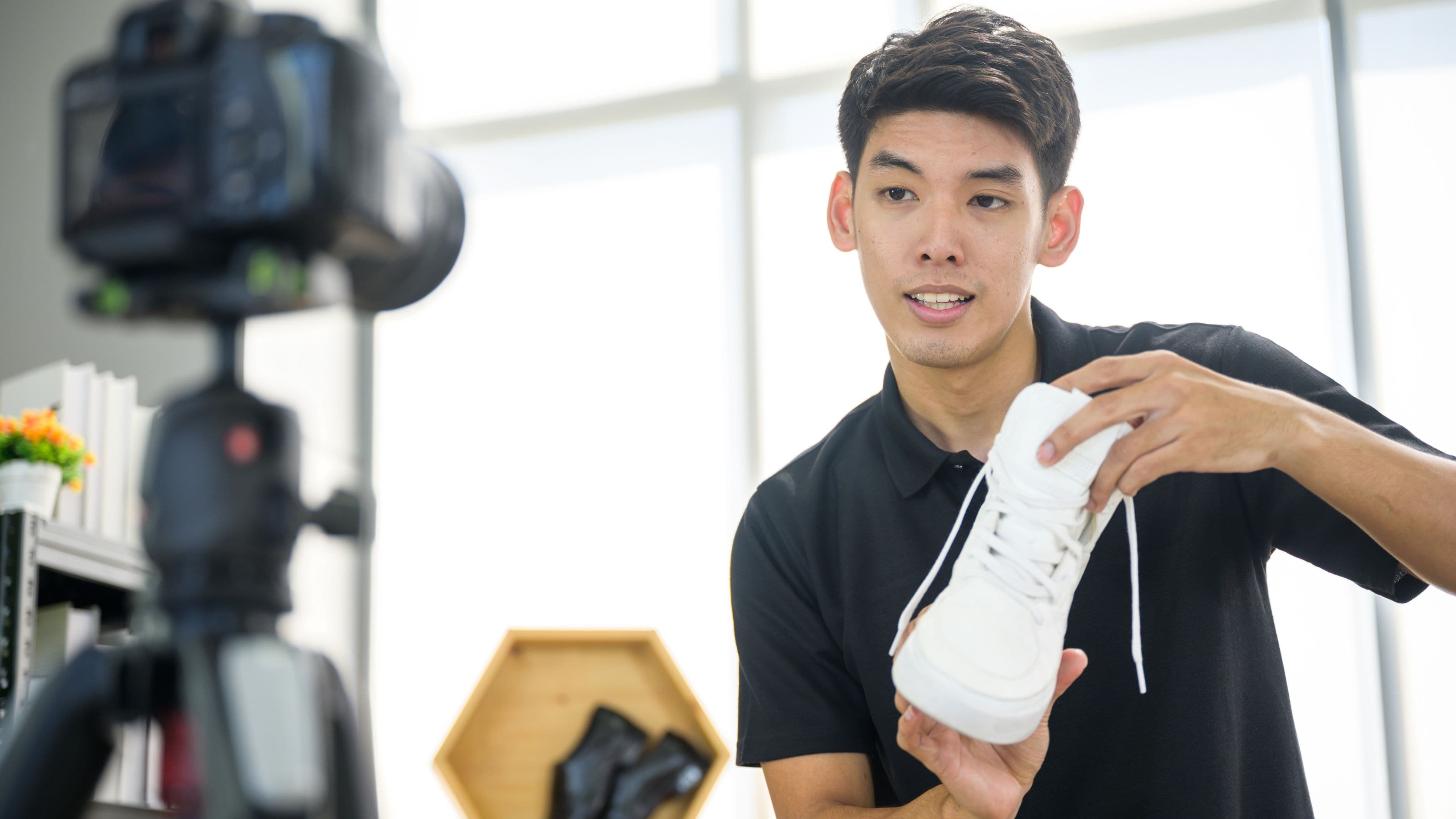
Not all influencer reviews are created equal, and the ones that go viral almost never go viral for the reasons brands hope when they send out a PR package. The reviews that spread tend to share a few characteristics: they feel unscripted, they contain a moment of genuine reaction (positive or negative), and they say something that people recognize as true even if they've never used the product.
That last part is the critical element. Viral reviews don't just inform – they validate. When a beauty influencer tries a mascara on camera and the result doesn't match the advertised effect, millions of viewers who've had similar experiences share the video because it confirms something they suspected but couldn't prove. The video becomes a proxy for their own frustration. Conversely, when a reviewer's reaction is genuinely, visibly delighted by something they didn't expect to like, that authenticity is contagious in a way that any amount of polished advertising can't replicate.
TikTok's architecture accelerates this dynamic. The algorithm is agnostic about follower counts – a video from a creator with 10,000 followers can reach millions if the engagement signals are strong enough in the first few hours. That means a review doesn't need to come from a mega-influencer to blow up. It just needs to hit the right nerve at the right moment.
When the Review Is Negative
Negative reviews going viral is the scenario that keeps brand PR teams up at night, and it's happening more frequently as consumers become more vocal and platforms more willing to amplify critical content. The most damaging viral negative reviews tend to share a specific quality: they're calm, detailed, and visually demonstrable. A creator who calmly shows, on camera, that a product doesn't do what the packaging claims is harder to dismiss than an angry rant. The matter-of-fact tone reads as credible, and credible content spreads further than content that looks like a grievance.
The Mikayla Nogueira mascara controversy in early 2023 became a case study in how quickly a product review can turn. Nogueira, a beauty influencer with tens of millions of followers, posted a sponsored video for a L'Oréal mascara that viewers accused of using false lashes to demonstrate the product's effect. The video went viral not for being a negative review but for prompting a massive community response questioning whether the advertised result was achievable without enhancement. The resulting conversation – which spread across TikTok, Twitter, and mainstream entertainment media – became as much about influencer transparency and disclosure as about the mascara itself. L'Oréal found itself in the middle of a credibility debate it hadn't planned to have.
What made that situation so difficult to manage is what makes most viral negative reviews difficult to manage: the community does most of the spreading, and the conversation evolves faster than any PR response can keep up with.
When the Review Is Unexpectedly Positive
Viral positive reviews are less dramatic but often more commercially significant, and they follow their own logic. The Stanley Cup tumbler is probably the cleanest recent example of organic positive review content generating commercial results that a paid campaign couldn't have produced. The cups had been around for over a century, but when the Stanley Quencher became a fixture of TikTok's "WaterTok" and lifestyle communities in 2022 and 2023, driven almost entirely by organic creator content rather than paid promotion, the brand went from struggling division to one of the most talked-about consumer products in North America. Sales figures cited in media reports at the time showed dramatic year-over-year growth that mapped directly to the period of viral content activity.
The interesting thing about that example is that Stanley didn't engineer the viral moment – they responded to it intelligently once it was already happening. They leaned into the communities that had adopted the product, collaborated with creators who were already making content about it, and kept up with demand. The lesson for brands isn't that you can manufacture an organic viral moment. It's that when one happens, how you respond determines whether it becomes a sustained commercial advantage or a flash in the pan.
The Role of Community in Amplifying Reviews
One thing that distinguishes influencer review virality from traditional word-of-mouth is the role of organized communities. On TikTok, in particular, niche communities around beauty, skincare, food, tech, and lifestyle function as highly engaged audiences who are primed to respond to content in their category. A review that lands well in one of these communities doesn't just get views – it gets duet responses, response videos, and comment threads that can themselves generate significant reach.
This community amplification is why a review from a mid-size creator in a niche community can sometimes outperform sponsored content from a major influencer. The mid-size creator is speaking to an audience that's deeply interested in the category and already trusts their perspective. When that creator's review resonates, the community does the distribution work. The major influencer has reach but often less of that concentrated engagement.
For brands watching this dynamic, the practical implication is that seeding product with niche community creators – not just top-tier influencers – is a more efficient way to reach engaged, purchase-ready audiences. But it also means relinquishing control over the narrative, because authentic community reviews aren't scripted.
Why Brands Often Handle Viral Reviews Badly
The default brand response to a viral negative review is damage control: issue a statement, emphasize quality testing and standards, and hope the news cycle moves on. This approach works less often than brands think, for a simple reason. The internet is skeptical of corporate statements, and a defensive response to a viral review tends to generate more coverage than the review itself would have had without it.
The brands that navigate viral review moments best tend to respond with transparency rather than defensiveness. Acknowledging what went wrong, committing to specific improvements, and engaging directly with the community that raised the issue produces better outcomes than a standard PR statement. It also converts a crisis into something closer to a credibility moment – the kind of authentic brand behavior that influencer communities actually want to see and will sometimes share approvingly.
The harder lesson is about prevention rather than response. Brands that maintain genuine product quality, that don't overpromise in advertising, and that have real relationships with the influencer communities in their category are structurally less vulnerable to viral negative moments. A review that contradicts exaggerated claims is devastating. A review that confirms reasonable ones is much easier to manage.
What Makes Someone Trust an Influencer's Review
Parasocial trust is the engine underneath all of this. Regular viewers of a creator develop a sense of that person's tastes, standards, and honesty over time. When a creator whose standards they know reviews a product, viewers apply that prior relationship to the review. If the creator has been consistently honest – praising things they genuinely liked, pushing back on things that didn't work – the review carries real weight. If the creator's feed is predominantly sponsored content that's uniformly positive, the trust is lower and the review carries less.
This is why disclosure matters more than many brands seem to understand. A review that's clearly marked as sponsored can still go viral and still be trusted – but only if the creator has established a pattern of honest sponsored content. Viewers have become sophisticated enough to distinguish between a creator who takes sponsorships selectively and delivers honest assessments within those partnerships, and one who posts whatever they're paid to post. The former can make sponsored content go viral in the brand's favor. The latter struggles to generate engagement even on unsponsored posts.
The Bigger Picture
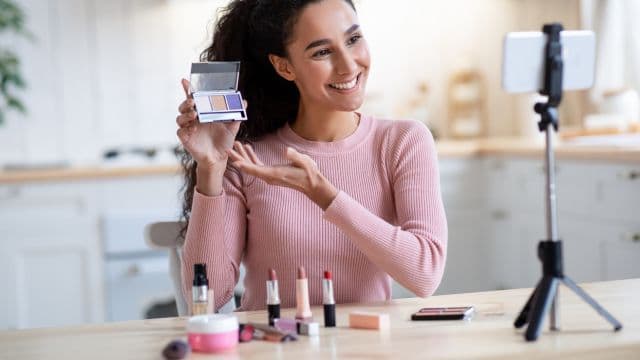
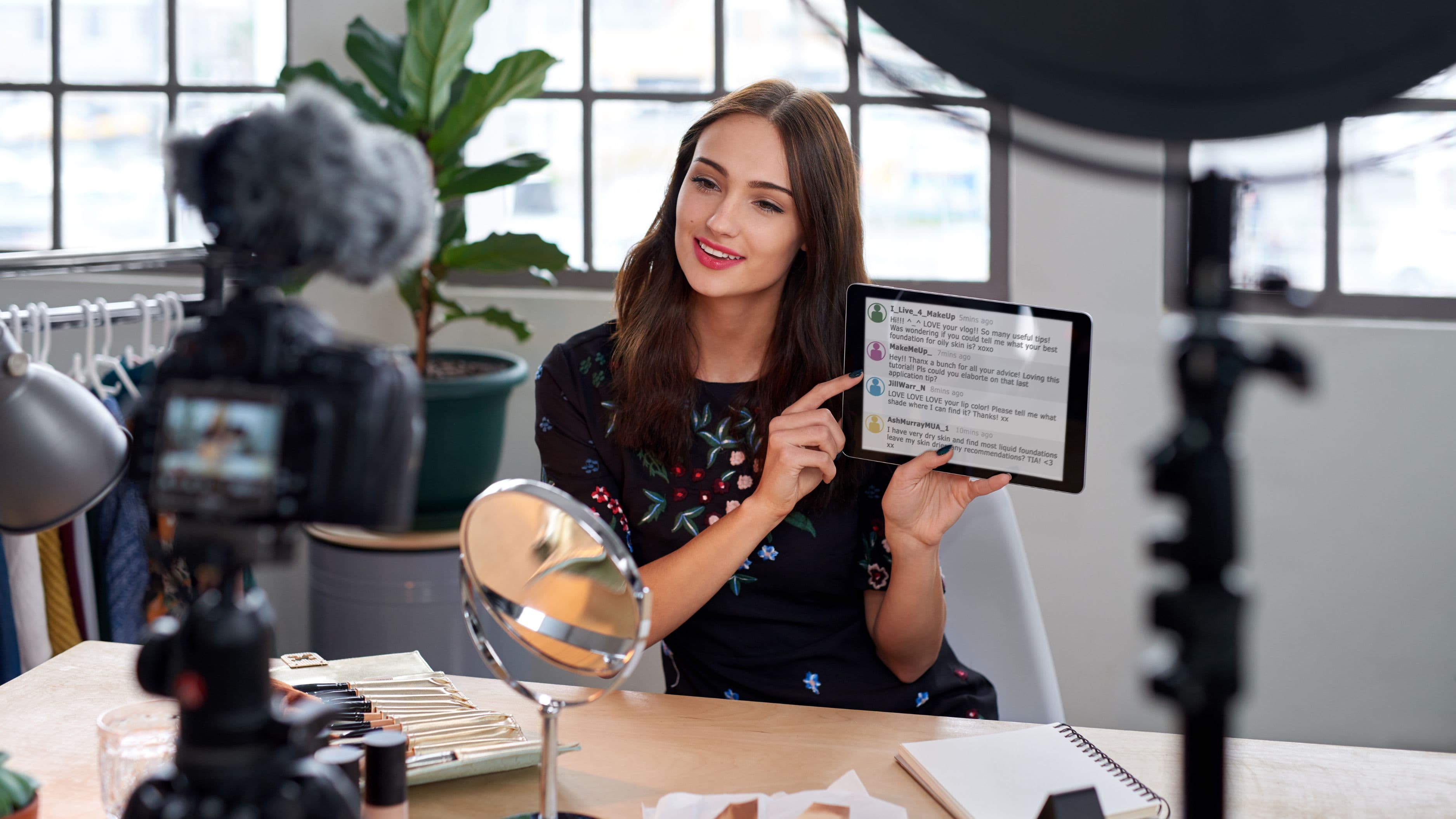
The reason influencer brand reviews keep going viral is ultimately the same reason social media in general has disrupted traditional advertising: authenticity, or the convincing appearance of it, travels further and faster than produced content. A person in their bathroom holding a mascara wand and reacting genuinely to what they see in the mirror is a more powerful piece of communication than a studio ad – and audiences know it.
For brands, the age of the unscripted review is genuinely uncomfortable because it involves real loss of control. The upside is that authentic community-driven endorsement, when it happens, is worth more than any paid campaign. The brands learning to earn that endorsement – through product quality, honest marketing, and real relationships with creator communities – are the ones getting the better end of that deal.
FAQ
Can brands actually make a product review go viral intentionally? Not reliably. The factors that make a review go viral – a moment of genuine reaction, community resonance, a sense of authenticity – are difficult to manufacture. Brands can create conditions that make organic virality more likely, such as making genuinely good products, seeding with engaged niche creators, and allowing creators to review honestly rather than scripting the content. But attempts to engineer viral moments often produce content that reads as manufactured and generates less engagement than organic reviews.
What's the FTC's stance on influencer product reviews? The FTC requires influencers to clearly disclose when they've received payment or free products in exchange for content. The disclosure needs to be clear and prominent – not buried in a caption or hidden in hashtags. The FTC has updated its guidelines multiple times as influencer marketing has evolved, and enforcement actions against both brands and influencers for inadequate disclosure have increased. For both creators and brands, following the disclosure rules consistently is both legally required and increasingly expected by audiences.
Does a negative viral review always hurt a brand? Not always. Some brands have seen increased awareness and even sales following negative viral moments, particularly when the controversy was about something minor or when the brand responded in a way that impressed the community. The impact depends heavily on what the review is about, how widespread the negative impression is, and how the brand responds. A viral review about a genuinely harmful product issue is categorically different from one about a stylistic preference or a single bad batch.
Why do some massive influencers generate less viral review content than smaller creators? Audience size and audience engagement don't always correlate. Mega-influencers often have broad, diverse audiences that don't share the concentrated interest in a specific category that makes community amplification happen. Mid-size creators in niche communities tend to have audiences that are deeply invested in the category and more likely to respond, share, and participate. That community engagement is what drives virality, not the raw follower count.
How should brands prepare for a potentially viral negative review? The preparation that matters most happens before any review is posted: building genuine product quality, avoiding overclaiming in marketing materials, maintaining real relationships with creator communities, and having a response process that's capable of moving quickly with transparency rather than defaulting to defensive PR language. Brands that have done that work are structurally more resilient when a negative review does land.
📚 Sources
The New York Times – The Stanley Cup's Viral Moment and What It Means for Brands: https://www.nytimes.com/2024/01/10/business/stanley-cup-tumbler-popularity.html
Insider – Mikayla Nogueira Mascara Controversy Explained: https://www.businessinsider.com/mikayla-nogueira-loreal-mascara-controversy-false-lashes-tiktok-2023-1
Federal Trade Commission – Endorsement Guides and Influencer Disclosure Requirements: https://www.ftc.gov/business-guidance/resources/ftcs-endorsement-guides-what-people-are-asking
Adweek – How Viral TikTok Reviews Are Reshaping Consumer Brands: https://www.adweek.com/brand-marketing/tiktok-reviews-viral-brand-impact/
Forbes – The Business of Influencer Marketing in 2024: https://www.forbes.com/advisor/business/influencer-marketing-statistics/
Vox – How TikTok's Algorithm Decides What Goes Viral: https://www.vox.com/culture/23425463/tiktok-algorithm-for-you-page-explained
Marketing Week – What Brands Get Wrong About Viral Moments: https://www.marketingweek.com/brands-viral-moments/
Glossy – The Influence of Niche TikTok Communities on Beauty Brands: https://www.glossy.co/beauty/how-tiktok-beauty-communities-drive-sales/
Harvard Business Review – Managing Brand Crisis in the Social Media Age: https://hbr.org/2011/09/a-guide-to-managing-social-me
Social Media Today – Why Influencer Trust Is the New Brand Currency: https://www.socialmediatoday.com/news/why-influencer-trust-matters-more-than-reach/640251/