Why the Traditional Sponsorship Model Has Real Limits
Relying primarily on brand sponsorships means a creator's income is directly dependent on ongoing deals with outside companies, which can dry up if a brand's marketing budget shifts, if the creator's audience or engagement declines, or simply if a particular partnership ends and isn't immediately replaced. This creates real income instability for creators whose entire business model depends on continuously securing new sponsorship deals, no matter how large their following becomes.
There's also a ceiling effect with sponsorships – a creator can only take on so many brand deals before audience trust and engagement start to suffer from an oversaturated feed of paid content, meaning sponsorship revenue doesn't scale indefinitely just because a following grows larger.
What "Building a Media Empire" Actually Means in Practice
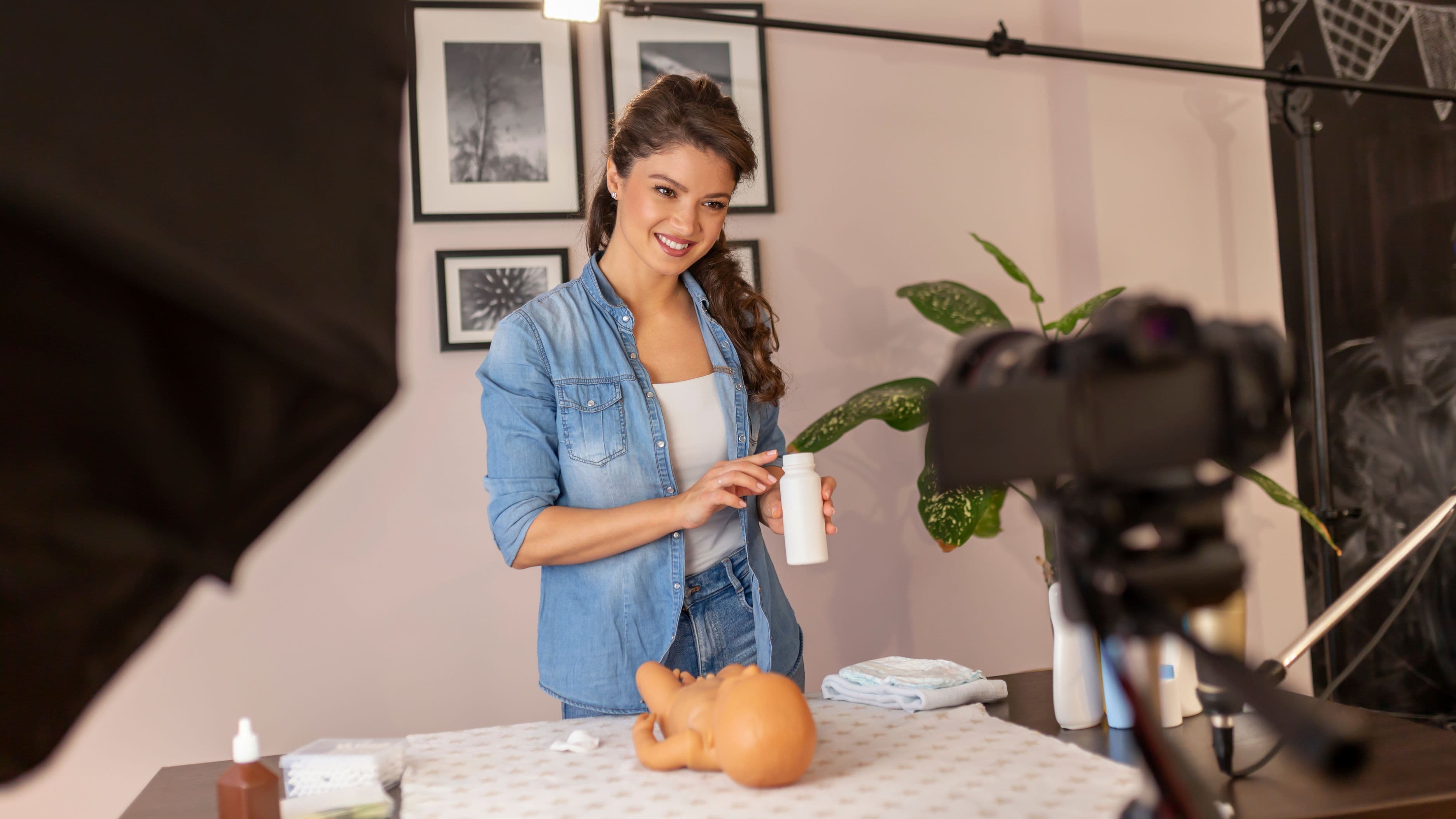
Rather than earning primarily through sponsored posts, creators pursuing this model build owned products, platforms, or media properties that generate revenue directly, independent of any single brand relationship. This can include launching an owned product line, building a subscription-based media platform or newsletter, producing original shows or podcasts monetized through advertising the creator controls directly, or building a company entirely separate from their personal content that operates as its own independent business.
Why this matters practically: the core distinction is ownership – a creator earning primarily from sponsorships is essentially rented influence, generating revenue for as long as brands keep choosing to pay for access to that audience, while a creator with owned products or platforms controls the revenue relationship directly, without needing continuous external validation from advertisers.
Why This Shift Is Happening Now
Platforms have made it increasingly feasible for creators to build owned products directly – e-commerce integrations, subscription tools, and simplified platforms for launching a product line have lowered the barrier to entry for creators wanting to build something beyond sponsored content. There's also a growing recognition among creators themselves that sponsorship-dependent income carries real long-term risk, prompting more established creators specifically to diversify deliberately into owned revenue streams as their following and resources grow.
The Real Advantages of This Approach
Revenue diversification is the most significant benefit, since a creator with multiple owned revenue streams isn't as vulnerable to a single brand relationship ending or an algorithm change reducing their reach on any one platform. Creative control also increases meaningfully, since a creator building their own product or media property answers primarily to their own audience and vision, rather than needing to satisfy a sponsoring brand's specific messaging requirements on every piece of content.
Longer-term business value is another genuine advantage – an owned product line or media platform can be a genuinely sellable, scalable asset in a way that a personal sponsorship-based following, however large, generally isn't.
The Real Challenges of This Approach
Building an owned product or platform requires significantly more upfront investment, whether that's capital, time, or specialized expertise the creator may need to hire for or learn themselves, compared to accepting sponsorship deals that require primarily just content creation the creator is likely already doing. Not every creator's audience translates naturally into paying customers for an owned product either – the skills and audience trust that make someone effective at sponsored content don't automatically guarantee success running an actual product-based business.
There's also a genuine risk of overextension, since managing an owned business alongside an already demanding content creation schedule requires either significant personal capacity or resources to hire additional support, which not every creator has access to, particularly earlier in their career.
What This Means for the Broader Creator Economy
This shift suggests a maturing creator economy where the most successful and durable careers increasingly resemble small, genuinely diversified media businesses rather than a single personal brand dependent entirely on external sponsorship relationships. It's worth being clear that this path isn't accessible or realistic for every creator at every stage – it generally requires an already-established audience, meaningful upfront resources, and often a level of business expertise beyond content creation alone, meaning sponsorship-based income remains a completely legitimate and often necessary model for creators earlier in their careers.
FAQ
Does building owned products mean a creator stops taking brand sponsorships entirely? Not necessarily – many creators pursuing this model maintain some sponsorship relationships alongside owned revenue streams, using diversification as a strategy rather than eliminating sponsorships altogether.
Is this approach realistic for smaller or newer creators? It's generally more accessible for creators with an already-established, engaged audience and some available capital or resources, though smaller-scale owned products, like a simple digital product or membership tier, can be a reasonable starting point even for creators earlier in their growth.
What's the biggest risk of moving away from sponsorship-based income? The most significant risk is the upfront investment and uncertainty of building something new without the more immediate, predictable income that established sponsorship relationships can provide, particularly during the transition period.
The move toward creator-owned media businesses reflects a genuine structural shift in how influence gets monetized, driven by real limitations in the traditional sponsorship model and improved tools that make owned products more achievable than in the past. It's not a universal replacement for sponsorship income, but for creators with the resources and audience to pursue it, it represents a meaningfully more durable long-term business model.
📚 Sources
Digiday: How Creators Are Diversifying Beyond Brand Deals – https://digiday.com/
Forbes: The Creator Economy's Shift Toward Owned Media – https://www.forbes.com/
Harvard Business Review: The Business of Influence – https://hbr.org/topic/entrepreneurship