Why Loyalty Has Become More Valuable Than Reach
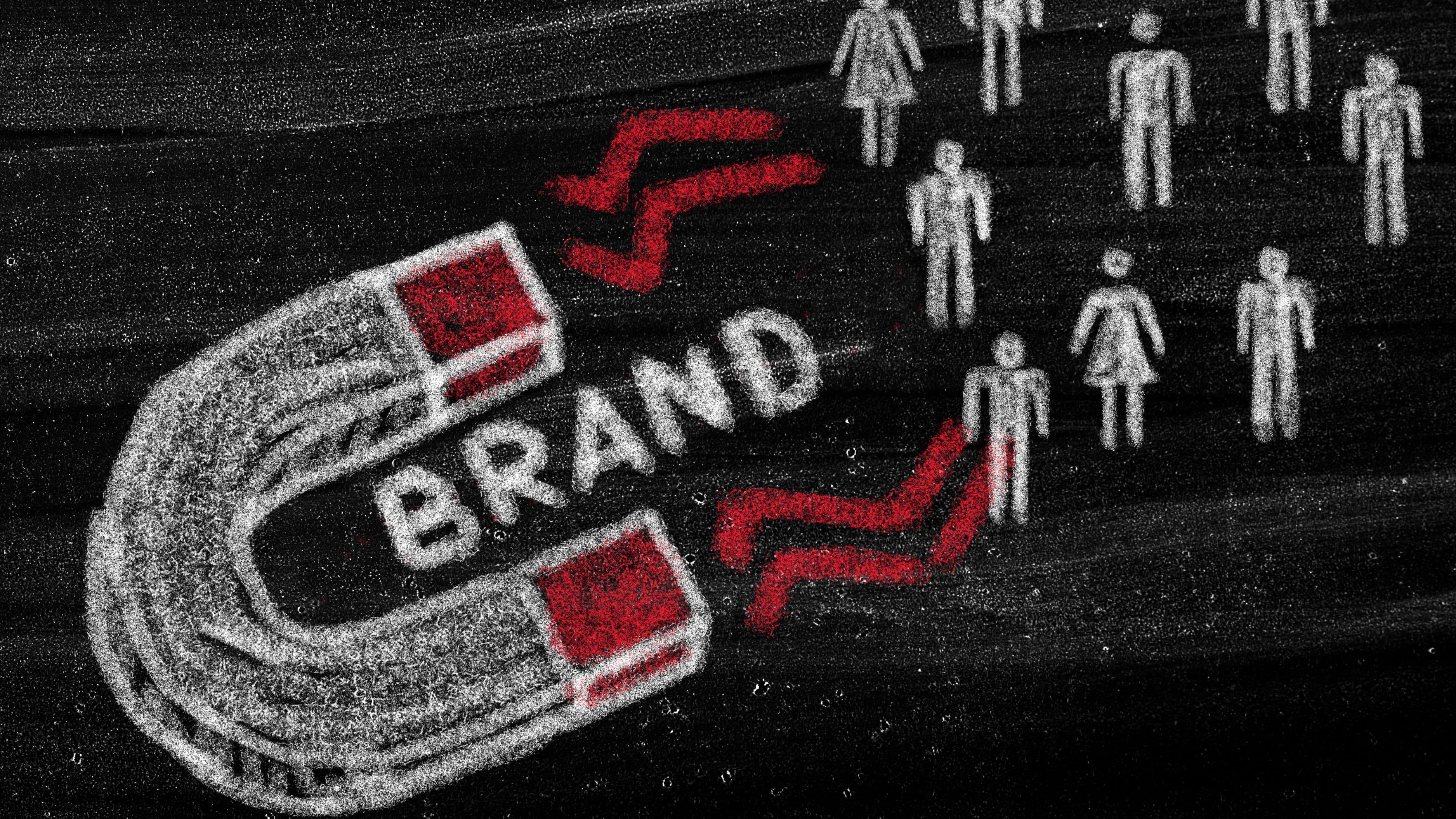
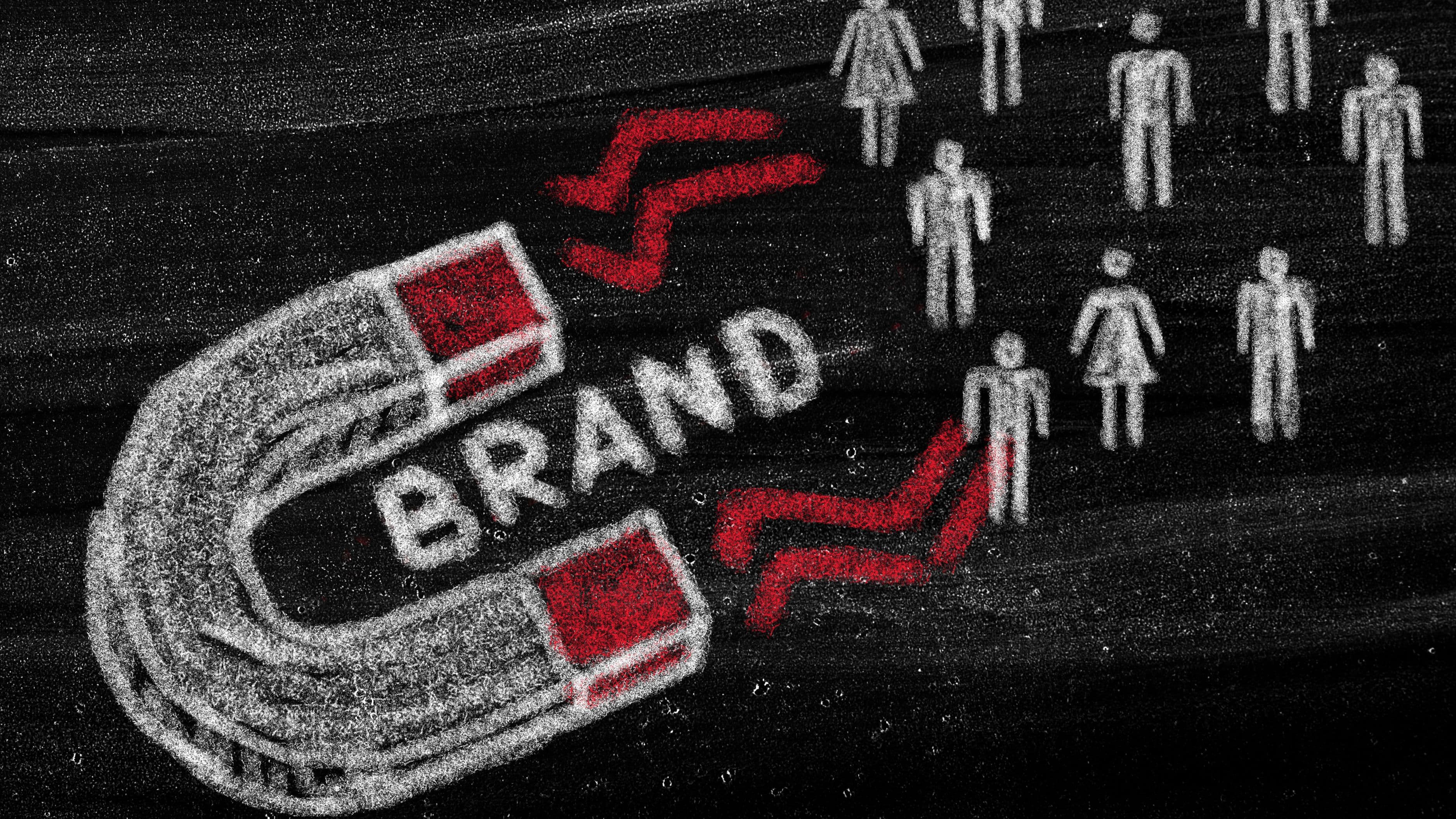
For years, follower count was the primary metric brands and platforms cared about. That's shifted meaningfully toward engagement and loyalty as the more predictive measure of actual value, since a smaller, deeply invested audience consistently outperforms a larger but passive one when it comes to actually converting attention into revenue. An influencer with 50,000 devoted followers who regularly buy products, attend events, and engage with content often generates more sustainable income than one with ten times that following but comparatively low engagement.
This shift has pushed influencers toward building direct relationships with their audiences rather than relying purely on platform algorithms and brand partnerships, since a loyal, directly reachable audience represents something a creator actually owns and controls, rather than something dependent entirely on a platform's changing rules.
The Main Ways Influencers Are Monetizing Fandom Today
Merchandise and product lines have moved well beyond generic branded t-shirts into genuinely developed product lines, from beauty and skincare to food and beverage brands, launched by influencers who've built enough trust with their audience that fans treat a product launch as a genuine event rather than just another sponsored post.
Subscription and membership platforms, like Patreon and various platform-specific membership tiers, let creators monetize their most dedicated fans directly through recurring monthly support in exchange for exclusive content, community access, or early releases.
Paid communities and courses have become particularly popular among influencers in more educational or skills-based niches, turning expertise built through content into structured, paid learning experiences for the audience members most invested in going deeper.
Live events and meet-and-greets give the most devoted fans a chance to pay for real-world access and connection, often commanding premium pricing precisely because they offer something scarce that can't be replicated through digital content alone.
Why This Model Works So Well
The psychology behind fandom-based monetization comes down to a sense of genuine relationship and identity, fans who feel like they know a creator personally, and who see supporting them as an extension of their own identity or values, are considerably more willing to spend money directly rather than waiting for a discount or feeling like they're just being advertised to. This dynamic mirrors long-standing patterns in traditional fandom, from sports team merchandise to music fan clubs, just applied to individual creators rather than institutions or bands.
Direct monetization also tends to feel less transactional to fans than traditional advertising, since buying a product or joining a membership feels more like supporting someone you genuinely follow and admire rather than being targeted by an ad campaign, even though the underlying business mechanics are ultimately similar.
Risks and Challenges Worth Understanding
Building a business this directly tied to personal brand and loyalty carries real risk if that trust is damaged, whether through controversy, a product that disappoints fans, or simply changing public sentiment, since the entire monetization model depends on maintaining that relationship over time. Unlike a traditional company with a more distributed reputation across multiple products or executives, an influencer-led business is often deeply tied to a single person's ongoing public image.
There's also a genuine tension between authenticity and commercialization that many successful influencers have to navigate carefully. Fans who feel like every piece of content has become a sales pitch tend to disengage, which means creators walk a fine line between building sustainable monetization and preserving the genuine connection that made their audience loyal in the first place.
What This Means for the Creator Economy Going Forward
This shift reflects a broader move toward creators building genuine, owned businesses rather than functioning purely as advertising vehicles for other companies' products. Expect continued growth in tools and platforms specifically designed to help creators manage direct-to-fan relationships, from membership infrastructure to e-commerce tools built specifically for creator-led brands, as more influencers recognize that a loyal audience represents a genuinely valuable long-term asset rather than just a numbers game measured in follower counts.
Frequently Asked Questions
Do influencers need a massive following to successfully monetize through fandom? Not necessarily. Many creators with relatively modest but highly engaged audiences build sustainable income through memberships, merchandise, or paid communities, since deep loyalty often matters more than sheer audience size for these particular monetization models.
Is launching a product line risky for influencers? Yes, it carries real financial and reputational risk, since a poorly received product can damage the trust that took years to build, which is why many successful influencer product launches involve significant testing and gradual rollout rather than rushing to market.
How do fans benefit from these monetization models, beyond just spending money? Many fans genuinely value the deeper access, exclusive content, or sense of community that comes with these models, viewing their spending as a meaningful way to support and connect with a creator they already value, not simply a transaction.
The shift from pure advertising to direct fandom monetization reflects a genuine change in how influence gets converted into income, one that rewards authentic, sustained connection over sheer reach. For creators willing to build and protect that trust carefully, it represents one of the more durable paths available in an otherwise unpredictable creator economy.
📚 Sources
Forbes, The Creator Economy and Direct-to-Fan Monetization – https://www.forbes.com
Harvard Business Review, The Economics of Fan Loyalty – https://hbr.org