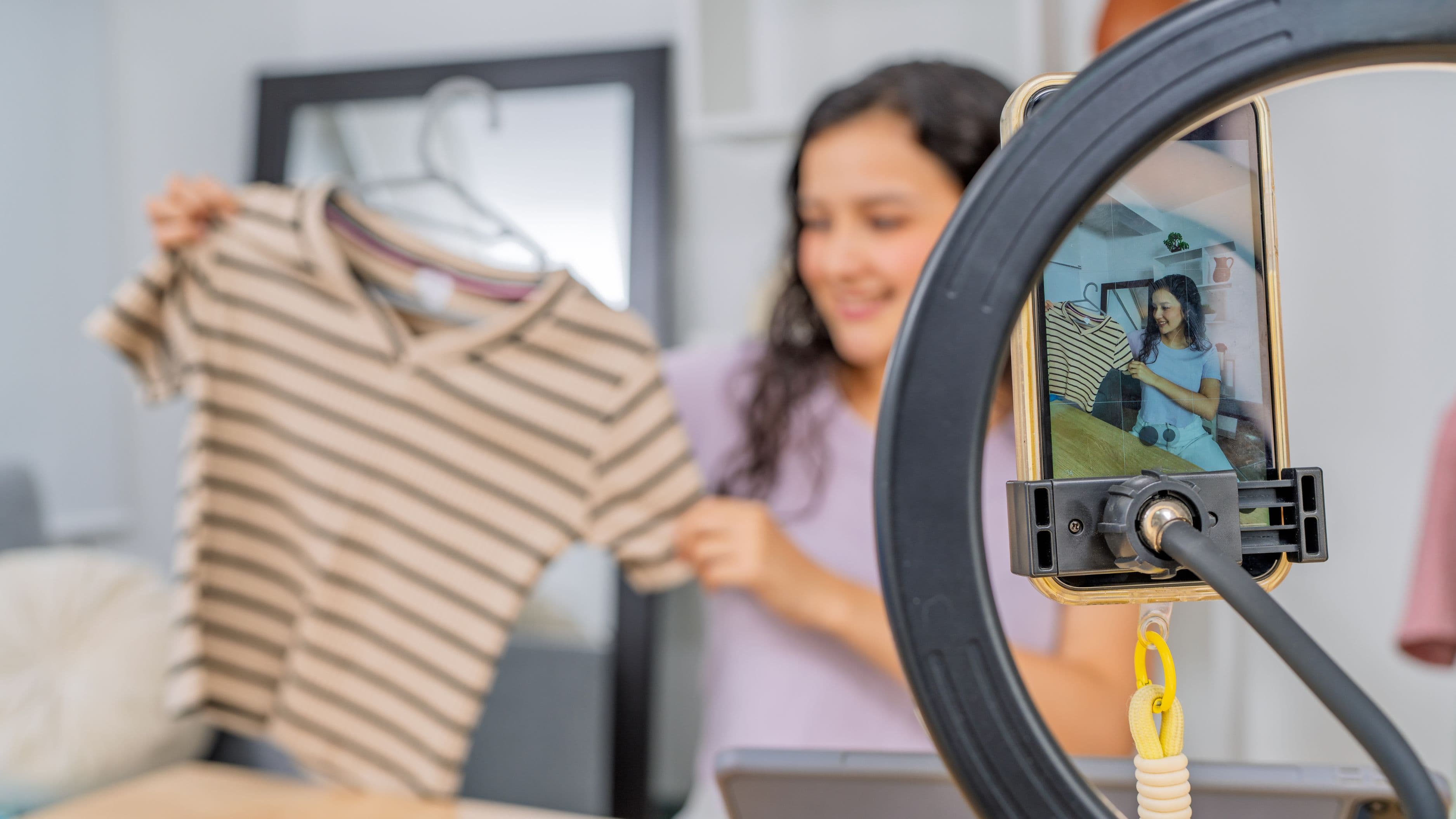
Influencer reviews have become one of the most reliably viral formats on the internet, and it's not an accident. The combination of personal trust, parasocial relationships, high-stakes brand involvement, and social media's reward structures has turned the humble product review into one of the most combustible pieces of content online.
Why Reviews Hit Different Coming From Influencers
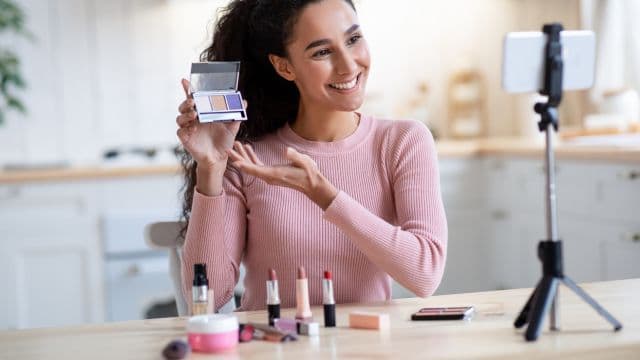
There's a reason influencer reviews generate more heat than a professional critic's piece in a magazine. The relationship is different. When a journalist reviews something, readers treat it as expertise from a distance — informative, but not personal. When an influencer reviews something, their audience treats it as a recommendation from someone they know and trust. The parasocial bond built through years of casual, personality-driven content means followers genuinely feel like they understand the person's taste, values, and judgment. A negative review feels like a friend warning you. A positive one feels like an endorsement from someone who wouldn't steer you wrong.
That trust dynamic is what makes influencer reviews so powerful commercially — and so explosive when they go negative. A critical review from an influencer with a loyal, engaged audience doesn't just register as one person's opinion. It gets treated as a verdict by a community.
The Anatomy of a Review That Goes Viral
Not every influencer review blows up, but the ones that do tend to share some recognizable ingredients. First, there's usually a contrast between expectation and reality — the product was expensive, hyped, or associated with a beloved brand, and the influencer found it fell significantly short. That gap between anticipation and delivery is inherently shareable because it's validating for anyone who had doubts or bought the same thing.
Second, the influencer's reaction tends to be visceral and unfiltered. Polished, diplomatic reviews rarely trend. The ones that break through are the ones where the creator is visibly disappointed, frustrated, or genuinely shocked — authentic emotional reactions that feel unrehearsed. Audiences are extremely good at detecting performance, and a genuine reaction is what gets clipped, shared, and reacted to.
Third, there's often a David vs. Goliath dimension. When the subject of the review is a large brand, a premium product, or a famous name, the review carries an implicit challenge to power. Audiences tend to root for the candid outsider over the corporate entity, which means a critical review of a high-status target gets amplified by cultural dynamics beyond just the content itself.
The Brand Side: Nightmare and Opportunity
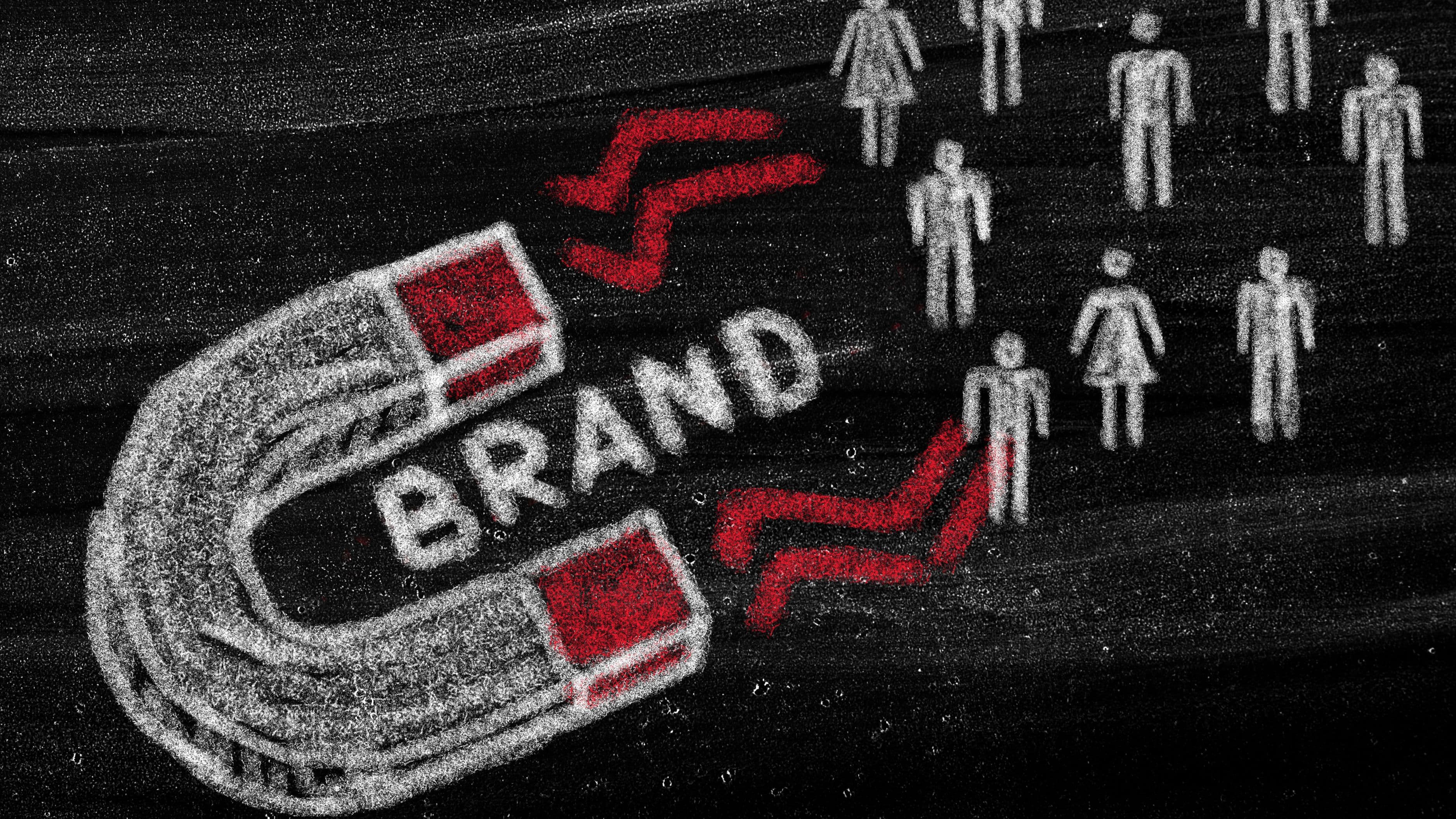
From a brand's perspective, a viral negative review is one of the scariest things that can happen in the modern media environment. A single well-placed critical video from a trusted voice can undo months of marketing spend and shift consumer perception overnight. Unlike a bad press review that lives in one outlet, an influencer video generates clips, responses, reaction videos, and comment threads that spread independently across platforms. The original audience reach is just the starting point.
But the brand response matters enormously, and the brands that handle it well often come out better than they went in. Acknowledging the criticism directly, offering to make it right, and doing so without defensiveness tends to generate its own positive coverage — especially if the original creator responds favorably. The public wants to see accountability, and brands that demonstrate it can convert a PR crisis into a trust-building moment.
The worst responses — aggressive legal threats, social media blocking of critics, or dismissive official statements — almost always make things worse. Audiences already have a built-in sympathy for the creator over the corporation, and a heavy-handed response confirms the power dynamic they're rooting against.
The Creator Side: Risk and Reward
For influencers, a genuinely viral review is a double-edged moment. The follower growth and view counts that come with it are significant. The attention opens doors — brand deals, media appearances, speaking opportunities — in ways that regular content often doesn't. But going viral for a negative review also puts a creator in the crosshairs of brand legal teams, fan communities of the reviewed subject, and the general internet tendency to scrutinize viral figures more aggressively once they have a larger audience.
The creators who've handled viral review moments best are usually the ones who were scrupulously honest and careful — documenting their experience thoroughly, keeping the criticism factual rather than personal, and engaging with the response without escalating it. The ones who got burned tended to either exaggerate claims beyond what they could document, or picked targets whose fanbases responded with coordinated harassment.
The other risk is the monetization paradox: a creator who builds a reputation for brutal reviews becomes a trusted source, which makes them valuable to brands — but also puts them in constant tension with the commercial relationships that make content creation financially viable. The credibility is the asset, and it's harder to maintain once paid partnerships become part of the picture.
Famous Review Moments That Changed Things
The influencer review format has produced some genuinely consequential cultural moments in recent years. The backlash against various food and beverage brands — particularly in the coffee and fast food space — has been driven significantly by creator reviews that exposed the gap between a product's marketing presentation and the reality customers experience. Several brands have reformulated products or changed packaging in direct response to viral creator criticism.
In beauty and skincare, influencer reviews have launched brands from zero to sellout status almost overnight, and the reverse has happened with equal speed — products that were quietly declining in quality have been called out by beauty creators whose audiences trust their testing methodology, triggering mass returns and brand statements.
The travel and hospitality sector has felt it acutely. Hotel and resort reviews from creators with large followings have made and unmade reputations in ways that years of traditional travel writing never achieved. A genuinely bad experience at a luxury property, documented in video and shared with a million subscribers, has more commercial impact than a poor review in a travel magazine.
These moments matter beyond the viral cycle because they've changed how brands approach influencer relationships and how consumers use creator content as a purchase signal. The review-as-cultural-event is now part of the marketing landscape in a way that didn't exist a decade ago.
Why This Pattern Keeps Repeating
The cycle of viral influencer reviews isn't slowing down because the conditions that produce it are structural, not coincidental. Audiences trust creators more than brands and in many cases more than traditional media. Social media algorithms reward emotional engagement, and reactions to reviews — outrage, validation, surprise — generate exactly the engagement signals that platforms amplify. Brands keep releasing products and experiences that don't match expectations, providing an endless supply of review material. And creators know that honest, emotionally resonant reviews are among the most reliable formats for organic growth.
What makes each new iteration feel fresh is the specific combination — the product, the creator, the community reaction, the brand response. The formula is familiar but the cast changes, and the specific story of each viral review is always unique enough to generate genuine interest.
FAQ
Why do negative reviews tend to go more viral than positive ones? Negative reviews carry more dramatic tension and validate the skepticism that most audiences hold toward brand marketing. Positive reviews are useful but less emotionally activating — surprise, disappointment, and vindication are the emotions that drive sharing behavior, and negative reviews typically trigger them more reliably.
Can a brand recover from a viral negative influencer review? Usually yes, and sometimes stronger than before. The brands that recover fastest acknowledge the specific criticism, take visible action to address it, and engage directly with the creator and community rather than going silent or getting defensive. Audiences are generally forgiving of genuine accountability.
Do influencers face legal risk for negative reviews? In some cases, yes. Defamation risk is real if claims are false and stated as fact. Most creators manage this by clearly framing reviews as personal experience and opinion, documenting their experience with receipts, and keeping criticism focused on the product rather than making personal claims about company leadership. Reviews grounded in documented personal experience are generally well-protected speech in most jurisdictions.
Why do some brands seem to benefit from negative influencer attention? When the criticism is about price, exclusivity, or scarcity rather than quality, negative attention can paradoxically increase demand. Some brands in the luxury and streetwear space have seen viral negative reviews — "this costs $500 for what?" — drive purchases from audiences who want to form their own opinion. It's a specific dynamic and doesn't apply universally.
How do creators maintain credibility once they start taking brand deals? The ones who do it best are transparent about sponsored content, maintain clearly differentiated "honest review" content that they keep free of sponsorship, and demonstrate willingness to publicly criticize categories even when they have relationships within them. Credibility is maintained through consistency and demonstrated independence, not through abstaining from commercial relationships entirely.
📚 Sources
The New York Times – The Influencer Review Economy – https://www.nytimes.com/2023/07/18/business/influencer-reviews-brands-viral.html
Forbes – How Influencer Reviews Are Reshaping Brand Marketing – https://www.forbes.com/sites/forbesbusinesscouncil/2023/09/14/how-influencer-reviews-are-reshaping-consumer-trust/
Vox – When Influencers Go Negative – https://www.vox.com/culture/2023/5/10/23717882/influencer-negative-review-viral-brand-impact
Business Insider – Brands Are Now Terrified of Creator Reviews – https://www.businessinsider.com/influencer-reviews-brands-marketing-viral-crisis-2023-6
Wired – Why Everything Is a Review Now – https://www.wired.com/story/everything-is-a-review-influencer-culture/
Ad Age – The New Power of Influencer Criticism – https://adage.com/article/digital-marketing-ad-tech-news/influencer-negative-reviews-brand-response-crisis/2477116