Why One Review Can Move the Needle So Much
Celebrity brands, whether it's a skincare line, a clothing label, or a food or beverage product, historically leaned almost entirely on the celebrity's existing fame and follower base to drive sales. A famous name attached to a product used to function as its own form of quality signal, at least in terms of getting a purchase decision started, even if the actual product hadn't been independently tested by anyone the buyer trusted.
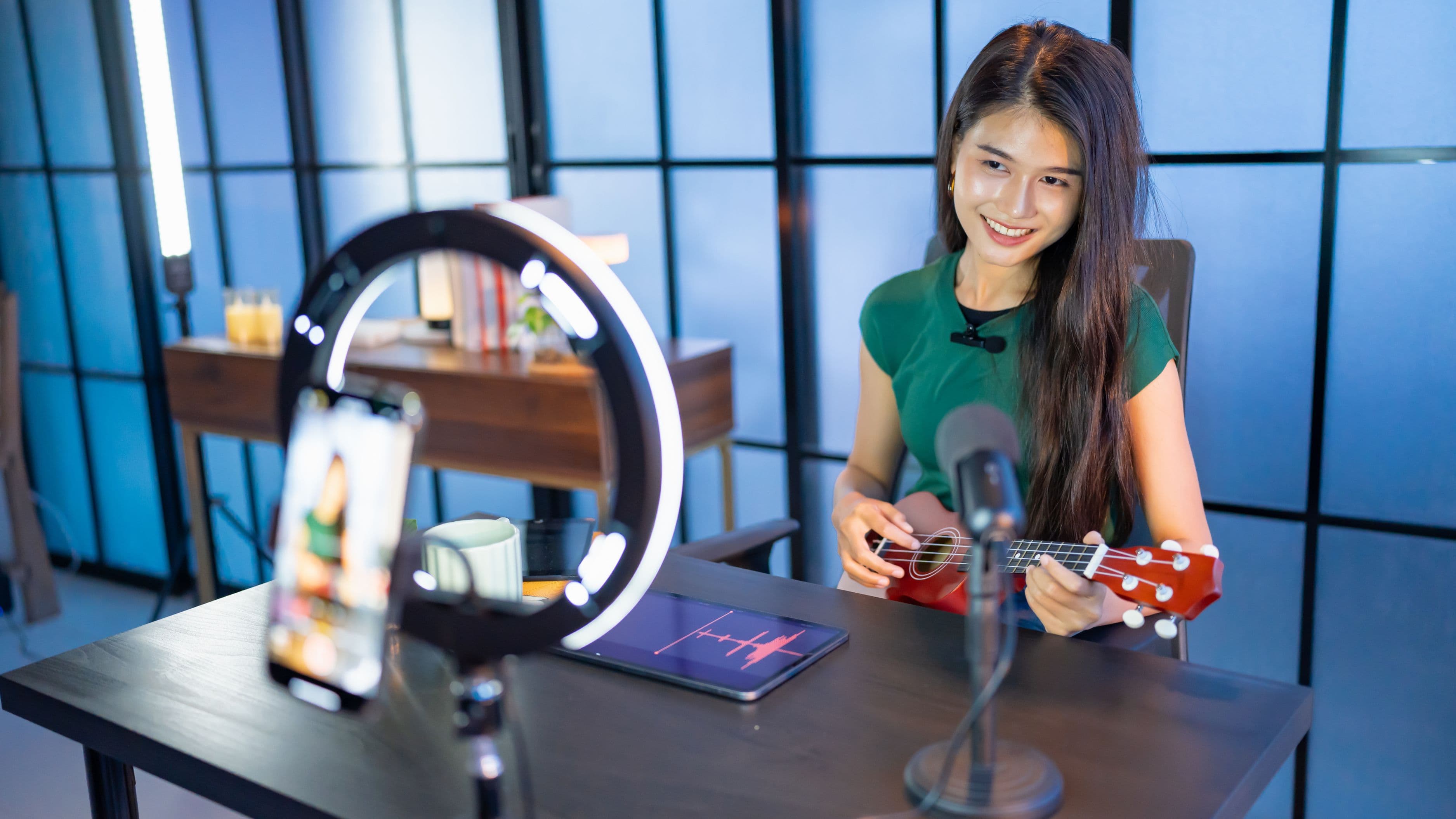
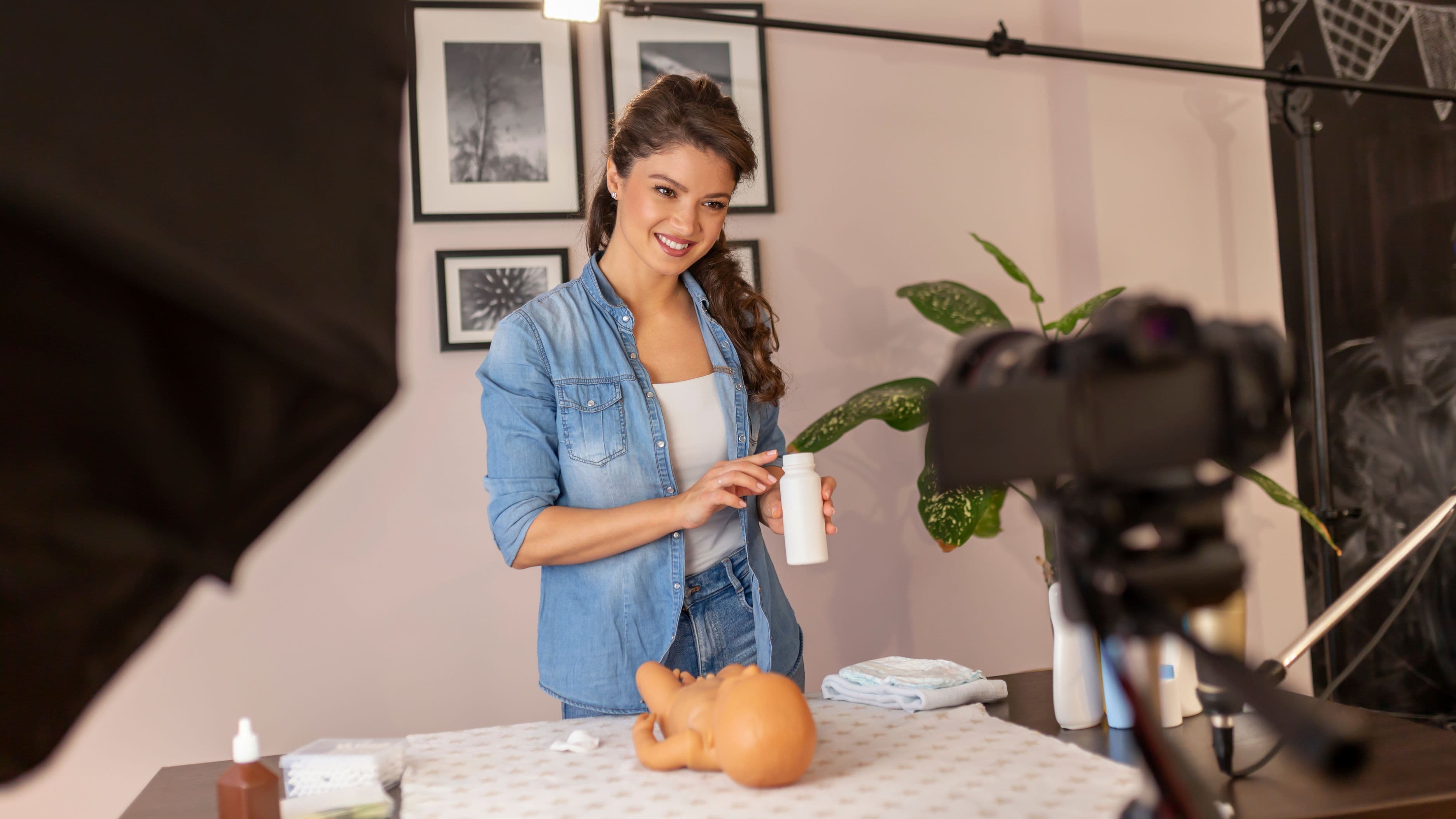
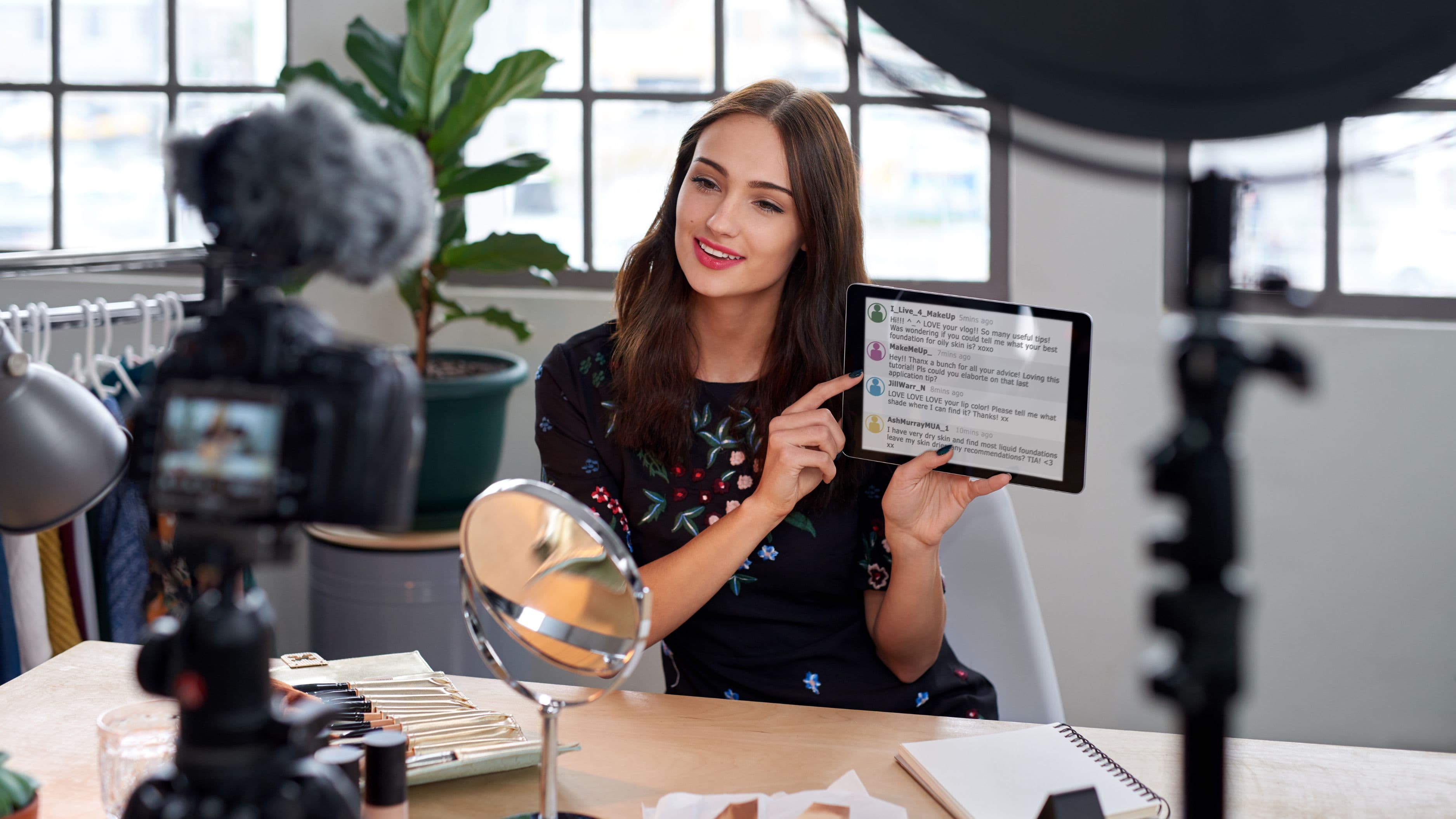
That dynamic has shifted considerably. Audiences, particularly younger ones, increasingly treat a celebrity's involvement in a brand as a starting point for interest rather than a reason to trust the product outright, and turn to independent reviewers, often with far smaller followings than the celebrity themselves, to actually validate whether a product performs as advertised. When a trusted reviewer publishes a detailed, credible breakdown, whether that verdict is positive or critical, it carries disproportionate weight precisely because it comes from someone perceived as having no financial stake in the brand's success.
What Makes These Reviews Go Viral
The reviews that end up reshaping purchasing behavior tend to share a few characteristics. They're usually detailed rather than surface-level, breaking down ingredients, materials, pricing relative to comparable non-celebrity products, or direct side-by-side testing rather than a quick first impression. They also tend to include a specific, quotable finding, a price markup relative to a near-identical product, an ingredient list that doesn't match marketing claims, or a quality issue that's easy to demonstrate visually, all of which make the review easy to share and reference even for people who haven't watched the full thing.
Timing matters too. A critical or highly positive review that lands close to a product launch, while purchase intent is already high and undecided fans are actively looking for more information, tends to have outsized influence compared to the same review published months later.
The Business Response
When one of these reviews does meaningfully shift public perception, celebrity brands and their teams tend to respond in a few predictable ways. Some engage directly, sending products to the reviewer for a follow-up, addressing specific criticisms publicly, or adjusting the product itself if the criticism points to something fixable, like an ingredient or a manufacturing issue. Others go quiet, letting the moment pass without direct engagement, a strategy that can work if the review's impact is short-lived, but that can also read as dismissive if the criticism resonates broadly with the celebrity's own fanbase.
The brands that tend to recover best from a damaging review are generally the ones that treat the criticism as legitimate customer feedback rather than an attack to be managed purely through public relations messaging.
What This Reflects About Celebrity Business Culture More Broadly
This pattern reflects a larger shift in how celebrity influence actually converts into sales. Fame still opens the door and creates initial awareness, but it increasingly isn't enough on its own to sustain a purchase decision the way it once was, particularly for products, like skincare or food, where quality and performance are relatively easy for a third party to independently verify and demonstrate.
For fans and casual shoppers navigating celebrity brands, this shift has arguably been a net positive, since it's added a genuine layer of independent scrutiny to a market that previously ran heavily on name recognition alone. For celebrities and their business teams, it's a reminder that a product now has to hold up under a level of public, independent testing that didn't reliably exist even a decade ago.
📚 Sources
Forbes, "The Business of Celebrity Brands" – https://www.forbes.com/sites/forbes-personal-shopper/
Business of Fashion, coverage of celebrity beauty and fashion brand performance – https://www.businessoffashion.com/
Pew Research Center, "How Americans Navigate News and Information Online" – https://www.pewresearch.org/