But Earle isn't alone in pulling off this kind of conversion. A growing number of creators are moving beyond brand deals and follower counts to build companies that generate revenue independent of any platform's algorithm. The playbook is starting to solidify, and understanding it tells you a lot about where the creator economy is actually heading.
The TikTok Moment That Changes Everything
For most creators-turned-business-builders, there's a specific inflection point where the audience grows faster than they can manage organically – a video goes viral, a collaboration triggers a wave of new followers, or an algorithm shift puts their content in front of millions of people who weren't there before. What separates the creators who convert that moment into lasting business equity from the ones who watch the spike fade is almost entirely what happens in the 60–90 days afterward.
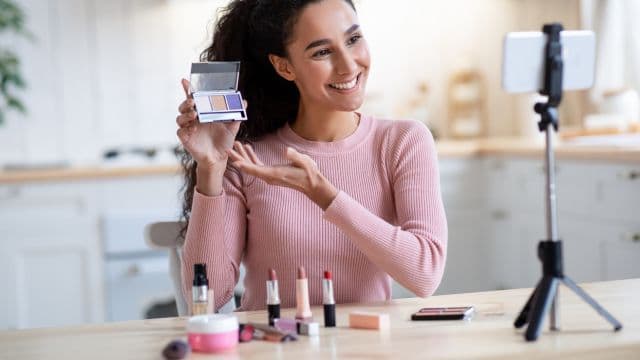
Earle's inflection point came in late 2022 when her GRWM (get ready with me) videos started accumulating millions of views and she became a reference point in cultural conversation about authentic beauty content. She was instantly distinct from the polished, heavily edited beauty influencers who had dominated that space – her appeal was precisely that she talked about breakouts, hung over mornings, and real skin in the same breath as tutorials and product recommendations. That relatability wasn't manufactured. But the business decisions that followed it were very deliberate.
Step One: Locking In the Right Brand Partnerships Early
The first major business move for most creators who transition from viral moments to sustained income is a strategic approach to brand partnerships – not just taking every deal that comes in, but selecting deals that build toward something coherent. Earle's early major partnership with Tarte Cosmetics was meaningful not just because of the fee involved, but because it established her in a specific product category with a brand whose aesthetic matched her audience's expectations. She wasn't doing car insurance ads or protein powder deals that would have diluted her position in beauty and lifestyle.
The creators who build lasting businesses are almost always the ones who treat brand selection as brand-building. Every deal a creator takes tells their audience something about who they are and what they stand for. A creator who takes any deal that pays well eventually stops meaning anything specific, which erodes the trust-based relationship that made them influential in the first place. Earle's deal selection – sticking primarily to beauty, fashion, and lifestyle brands that made intuitive sense for her persona – preserved the authenticity that made those deals worth so much to the brands in the first place.
By 2023, Earle was reportedly commanding brand deal fees in the range of $70,000–$80,000 per post, placing her among the highest-earning TikTok creators. That pricing reflects the conversion power her audience has demonstrated – brands pay a premium when the creator's recommendation actually moves product.
Step Two: Cross-Platform Diversification Before You Need It
One of the most consistent mistakes creators make after a TikTok breakthrough is staying exclusively on TikTok. The platform's regulatory uncertainty in the US – which reached a genuine potential ban moment in early 2025 before being paused – is only the most dramatic version of a risk that has always existed: any single platform can change its algorithm, its creator payment terms, or its relevance to audiences in ways that a creator has no control over.
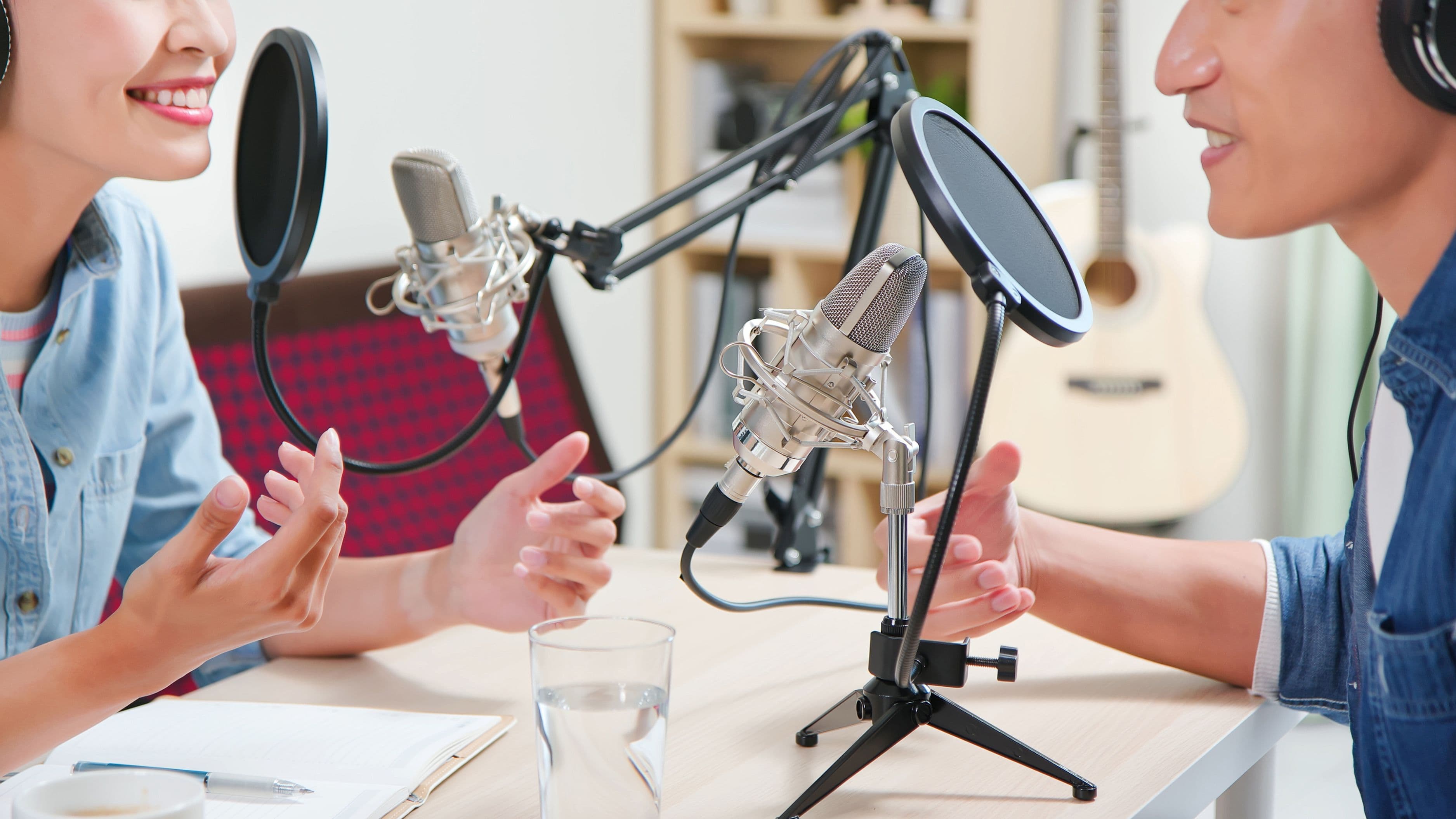
Earle built her Instagram following in parallel with her TikTok growth, which gave her a second platform with significant reach. She launched a podcast (Hot Mess, with iHeartMedia) that created an audio audience less dependent on short-form video algorithms. She expanded to YouTube for longer-format content that her audience could consume differently. Each of these moves was both an audience development strategy and a business risk management strategy.
The iHeartMedia podcast deal is particularly notable because it's a model that more creators are pursuing: a structured media partnership with an established audio company that handles distribution, ad sales, and production infrastructure, while the creator provides the audience and the personality. It's a deal structure that generates revenue without requiring the creator to build a media operation from scratch, and it converts a TikTok audience into a diversified media presence.
Step Three: The Product or IP Move
The highest-leverage transition any creator can make is from promoting other people's products to owning a product themselves. Brand deals are high-margin in the short term but inherently temporary – a brand relationship that generates significant income today can end with a single contract decision. A creator-owned product or IP generates value that accumulates independent of any specific brand relationship.
For Earle, this has meant developing product collaborations that go beyond standard brand deal structures into co-created products that carry her name as a genuine design and marketing partner. The distinction matters because it builds toward eventual brand ownership – the Rihanna-to-Fenty model – rather than just perpetual brand endorsement.
Other creators in similar positions have made this move more explicitly. Emma Chamberlain built Chamberlain Coffee into a standalone company with its own identity, retail presence, and customer base that exists independently of her YouTube channel. MrBeast built Feastables (chocolate bars) and MrBeast Burger into consumer product businesses that generate revenue without requiring him to post a single video. These aren't just side projects – they're the businesses that will generate long-term wealth after the creator's platform relevance naturally diminishes.
Step Four: Building an Audience You Own
Every creator who has successfully built a business from a social media following has at some point made the same decision: to build an audience they own in addition to the followers they rent from platforms. A TikTok following is fundamentally a rented asset – the platform owns the relationship, controls the reach, and can change the terms at any time. An email list, a paid community, or a text subscriber list is an owned asset that the creator controls regardless of what any platform does.
Earle's approach here has included direct fan engagement through merchandise, events, and newsletter-adjacent content. But the clearest example of the "owned audience" strategy in the current creator economy is the move toward subscription platforms. Platforms like Patreon, Substack, and Passes (a creator-focused platform) allow creators to monetize directly from their most engaged fans, generating recurring revenue that doesn't depend on brand deals, algorithmic reach, or platform policy. For creators with a million followers on TikTok, converting even 1% of that audience into paid subscribers at $10/month generates $100,000 in monthly recurring revenue.
What Actually Makes This Work at Scale
Looking at Earle and the broader category of creators who have successfully made the platform-to-business transition, a few things consistently separate the ones who build something lasting from the ones who don't.
The first is authenticity that holds through commercial success. The audience that made these creators valuable in the first place was drawn to something that felt real. The creators who maintain that quality – even as they take major brand deals and launch products – tend to maintain their audience's trust through the transition. The ones who start to feel like a walking advertisement lose the trust-based relationship that made their influence worth anything in the first place.
The second is diversification before it's forced. The creators who end up most exposed are the ones who ignore platform risk until it becomes urgent – and then scramble to rebuild on other platforms after an algorithm shift or regulatory disruption has already hurt their primary income stream. Building multiple platforms, revenue streams, and audience touchpoints while the primary platform is still healthy is the protection strategy that works.
The third is the move toward ownership. Brand deals are income. Owned products and IP are wealth. The creators who convert platform followings into durable financial success are the ones who move toward owning things – products, media properties, intellectual property – rather than perpetually monetizing attention for other people's brands.
Why This Story Matters Beyond the Influencer Bubble
The Alix Earle story and others like it are easy to dismiss as exceptional outcomes from exceptional circumstances. But the business mechanics behind these transitions – diversifying platforms, building owned audiences, converting attention into product equity – apply to creators at every level, not just the ones with millions of followers.
A creator with 50,000 genuinely engaged followers in a specific niche has more real commercial potential than a creator with 2 million disengaged followers in a generic one. The influencer-to-business pipeline works at smaller scales too – the tools are accessible, the playbook is increasingly documented, and the platforms that enable creators to monetize directly from fans don't require celebrity-level reach to be viable.
The creators building something worth paying attention to right now aren't the ones chasing follower counts. They're the ones who understand that attention is the raw material, not the business.
📚 Sources
Forbes – Alix Earle: How a College Student Became TikTok's Most Powerful Beauty Influencer – https://www.forbes.com/sites/alexpasquariello/2023/04/25/alix-earle-how-a-college-student-became-tiktoks-most-powerful-beauty-influencer/
Business Insider – Alix Earle's iHeartMedia Podcast Deal and Creator Economy Strategy – https://www.businessinsider.com/alix-earle-podcast-deal-iheart-creator-economy-2023
The New York Times – How TikTok Creators Are Building Businesses Beyond the App – https://www.nytimes.com/2023/10/15/technology/tiktok-creators-businesses.html
Bloomberg – MrBeast's Business Empire: From YouTube to Feastables – https://www.bloomberg.com/news/articles/2023-01-18/mrbeast-jimmy-donaldson-feastables-candy-youtube-revenue
The Verge – Emma Chamberlain's Chamberlain Coffee and the Creator Product Playbook – https://www.theverge.com/2022/9/14/23353005/emma-chamberlain-coffee-creator-economy-brand