What Actually Drives This Kind of Hype
The common ingredient across nearly every viral luxury drop is engineered scarcity paired with a celebrity or designer name attached to the release. Brands like Supreme built an entire business model around limited weekly drops that consistently sold out within minutes, a strategy that other luxury and streetwear labels have since studied and adapted in their own collaborations. When a well-known celebrity is directly involved, whether as a collaborator, an ambassador, or simply someone photographed wearing an early sample, that scarcity gets combined with celebrity culture's own pull, and the resulting demand can genuinely outpace supply many times over.
Sneaker collaborations have been some of the most consistently documented examples of this pattern. Kanye West's Yeezy line with Adidas famously generated lines and online queues that crashed retail sites during major releases, while Travis Scott's various sneaker collaborations with Nike and Jordan Brand have repeatedly sold out within moments of going live, spawning a secondary resale market where pairs have sold for many multiples of their original retail price.
Why Fans and Celebrities Alike Get Swept Up
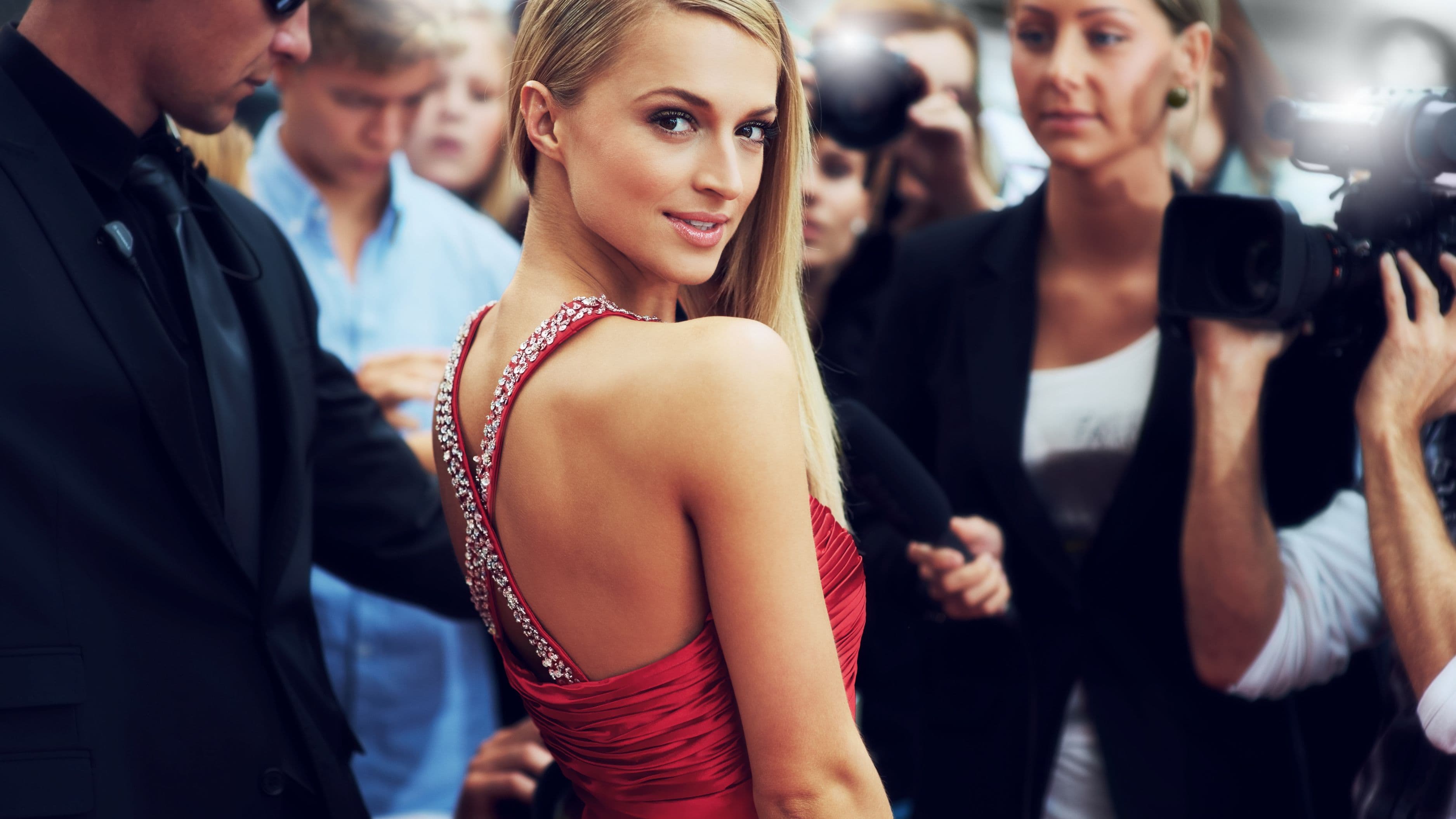
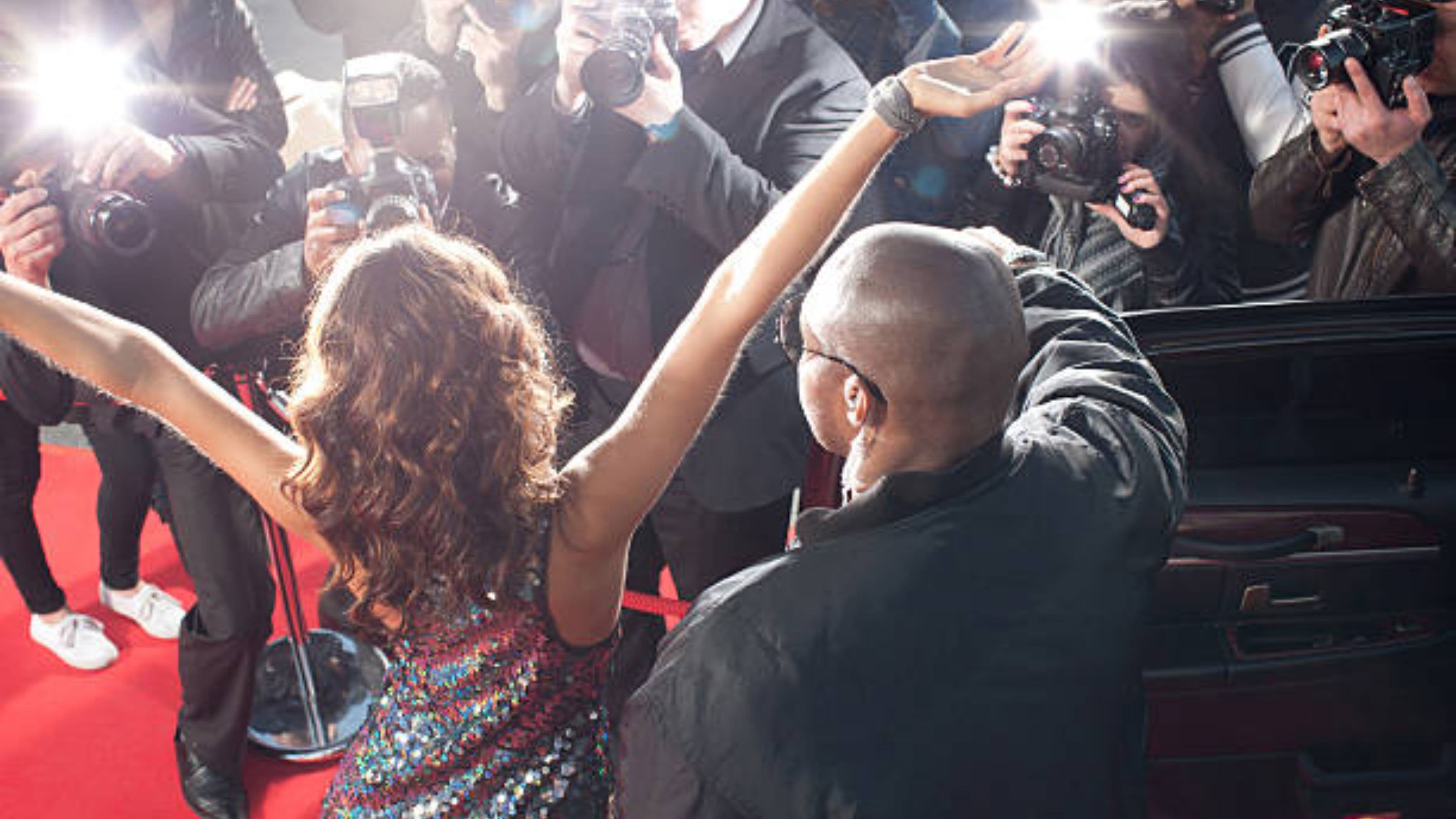
Part of what makes these moments so shareable is that the chaos isn't limited to everyday fans. Celebrities themselves have been photographed and reported on waiting for drops, name-checking their own excitement on social media, or being spotted among crowds at flagship store openings for major collaborations. This blurs the line between the people who create hype and the people who consume it, which is exactly what makes it such compelling pop culture content.
There's also a documented psychological pull behind scarcity marketing generally, a well-established concept referenced across marketing research, where limited availability increases perceived value and urgency regardless of a product's actual utility. Luxury brands and their celebrity collaborators understand this dynamic well, and the online camping and virtual queuing culture that's emerged is, in many ways, the direct and intended result of that strategy working as designed.
Notable Examples Worth Knowing
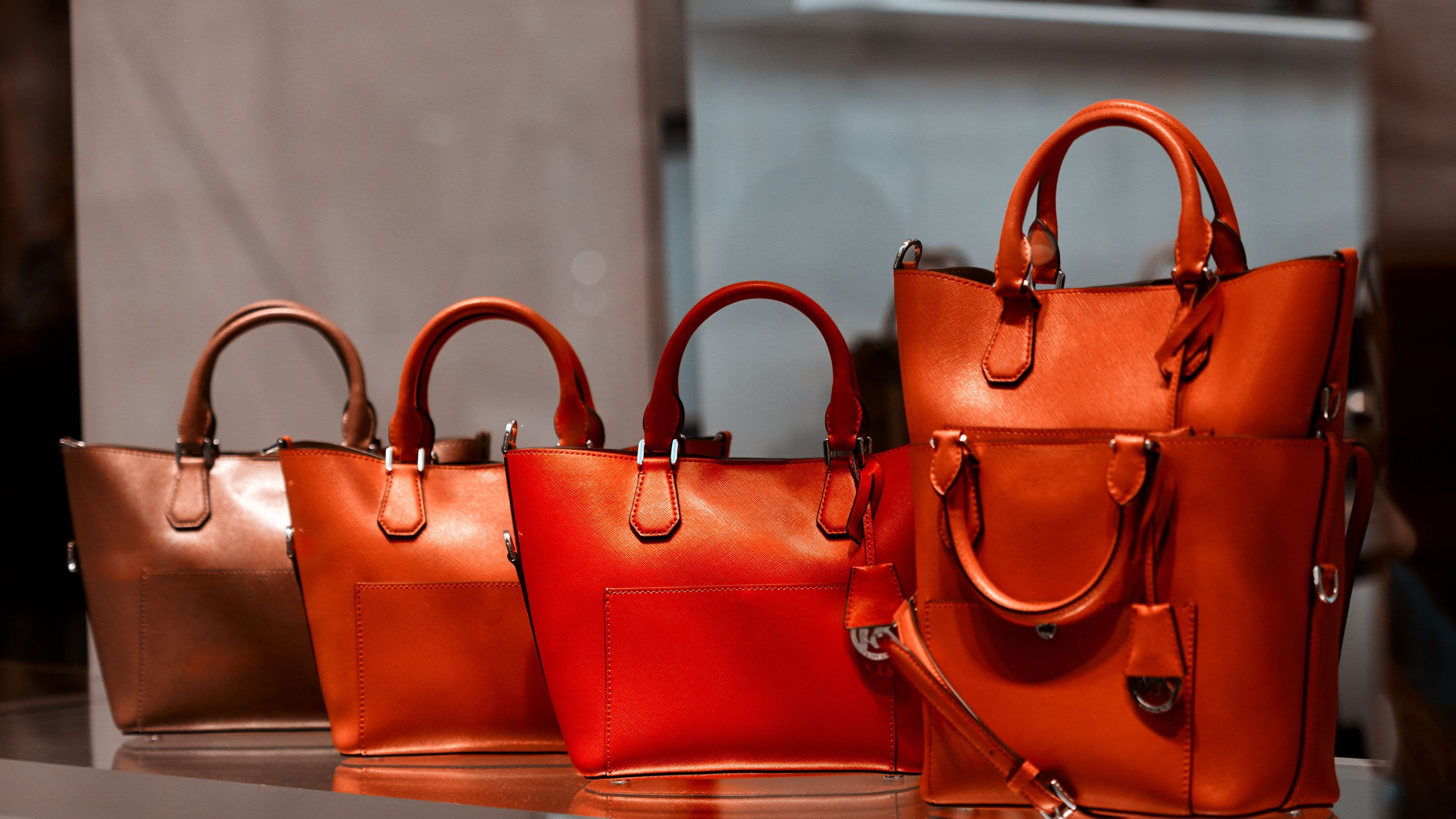
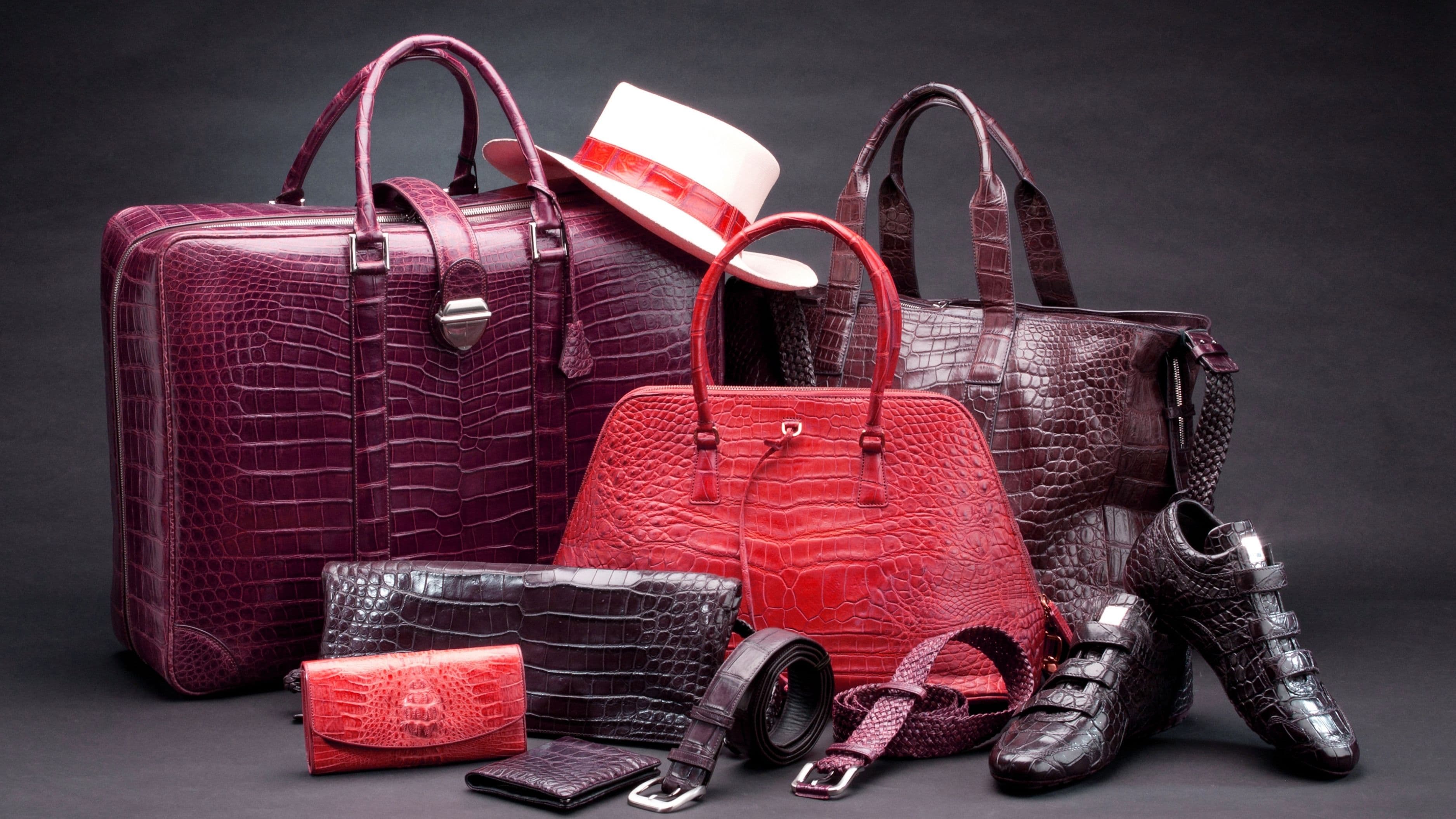
Birkin bags from Hermès have long been held up as one of the most extreme examples of engineered scarcity in luxury fashion, with waitlists and purchase requirements that have made simply being allowed to buy one a status symbol on its own, separate from the bag's price tag. This dynamic has made Birkin ownership, and the extraordinary lengths some buyers go to in order to secure one, a recurring subject of media coverage and pop culture commentary for years.
Supreme's collaborations, whether with luxury houses like Louis Vuitton or unexpected partners entirely outside fashion, have consistently generated lines outside physical stores that draw media coverage in their own right, along with online queues that have crashed retail websites during peak demand moments. These collaborations became such a reliable cultural moment that "drop culture" itself entered the broader pop culture vocabulary well beyond just sneakerheads and streetwear fans.
Why It Matters for Pop Culture
These moments matter beyond just retail because they show how celebrity culture, marketing strategy, and fan community have merged into a single, highly visible spectacle that plays out largely online now rather than exclusively in physical store lines. The camping and queuing culture that once required physically showing up somewhere has increasingly moved to digital queues, countdown timers, and coordinated social media campaigns, but the underlying emotional pull, wanting to be part of something scarce and culturally significant, remains exactly the same.
For fans, being part of a viral drop moment, successfully or not, has become its own form of social currency, generating content and conversation regardless of whether they actually secure the item. That's part of why these stories keep circulating and resonating, since the drama of the chase is often just as shareable as the product itself.
FAQ
Do celebrities actually wait in these queues themselves, or is it mostly hype? Both happen. Some celebrities have been documented and photographed genuinely participating in drop culture, while brands and PR teams also strategically amplify celebrity association with a release to drive broader public excitement.
Why do some drops sell out in seconds while others don't generate this level of hype? It typically comes down to a combination of factors: genuine scarcity, a strong existing brand or celebrity following, and effective pre-release marketing that builds anticipation before the actual launch.
Is the resale market part of why these drops feel so chaotic? Yes, resale demand often significantly exceeds the number of items actually available at retail, which intensifies both the initial rush to buy and the broader cultural conversation around a release afterward.
The specific brand, celebrity, or item driving this kind of frenzy will keep changing, but the underlying formula, scarcity plus star power plus a coordinated hype campaign, has proven remarkably consistent over the years. Understanding that pattern is a better long-term guide to pop culture's next viral drop than chasing any single moment.
📚 Sources
The New York Times – The Economics of Hype – https://www.nytimes.com/topic/subject/sneakers
Vogue Business – Understanding Hype Culture in Fashion – https://www.voguebusiness.com/consumers