Why Podcasting Became a Celebrity Factory
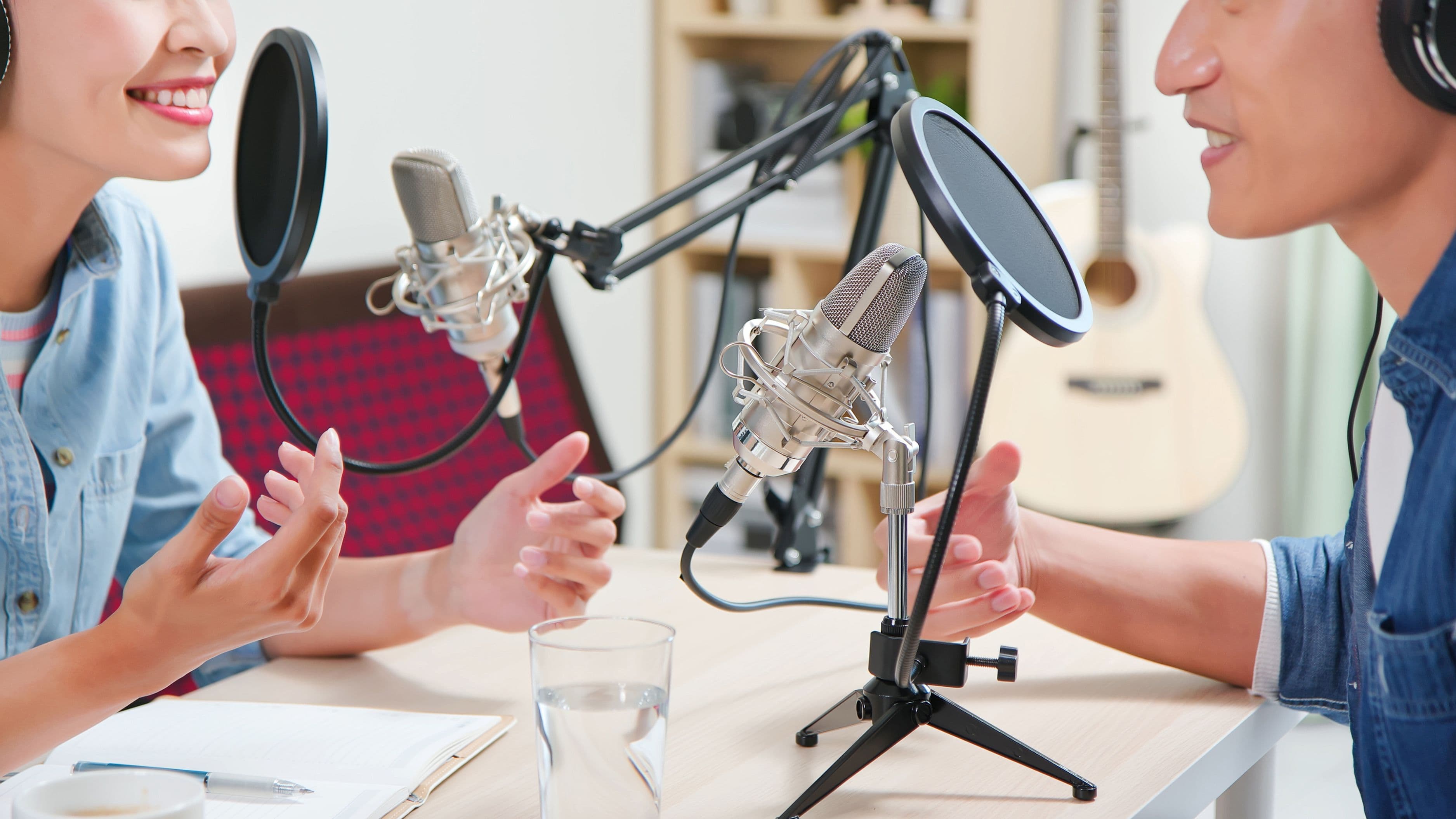
The shift happened gradually and then suddenly. For most of podcasting's early history, it was a medium for enthusiasts – true crime fans, comedy nerds, sports obsessives. The audiences were loyal but self-contained. What changed was scale, platform investment, and the realization that the long-form, conversational format was creating something that traditional media couldn't easily replicate: genuine intimacy between host and listener.
People who listen to podcasts regularly don't just consume them passively. They commute with a host in their ears, fold laundry with them, fall asleep to their voices. That daily, intimate relationship builds a sense of connection that's different from following someone on social media or watching a talk show. By the time a podcast hits a few million regular listeners, the host has effectively been a trusted presence in those people's lives for hundreds of hours. That's not audience reach – that's influence at a deeper level than most media formats achieve.
When Spotify and Amazon began writing nine-figure checks for podcast exclusivity deals, the industry recognized what the audience already knew. This wasn't niche media anymore.
The Joe Rogan Model – Volume, Consistency, and Controversy
Joe Rogan is the clearest example of podcasting's path to mainstream cultural impact, even if he's also the most polarizing. What he built with The Joe Rogan Experience wasn't built on a single moment or a viral clip. It was built on volume – thousands of hours of conversation over more than a decade, covering an enormous range of guests and topics, releasing consistently regardless of news cycles or cultural moments.
The JRE's audience grew because Rogan understood the medium's actual advantage: you don't need to be polished, you need to be present. The format allowed for conversations that went three hours without commercial breaks, where guests actually said something instead of delivering pre-packaged talking points, and where the host's genuine curiosity – rather than a producer's approved question list – drove the interview. That authenticity, even when rough, felt different from mainstream media and attracted an audience that was increasingly skeptical of it.
His Spotify deal, reported at approximately $200 million in 2020, confirmed what his numbers already showed – that he had built something with cultural reach that traditional media couldn't ignore. The controversies that followed, around COVID misinformation claims and other content decisions, also confirmed something else: that pop culture icon status comes with the same scrutiny that traditional celebrities face. He had crossed into a tier where what he said was considered consequential enough to spark national debates, advertiser campaigns, and artist boycotts. That's not podcast-level attention. That's cultural figure-level attention.
The Armchair Expert Model – Celebrity as Entry Point
Dax Shepard's Armchair Expert took a different path. Shepard was already a recognizable name from his acting work, which gave him an immediate advantage in booking the kind of guests that build credibility quickly. But what the show figured out – and what distinguishes it from a celebrity vanity project – is that the host's own openness became the content.
Shepard talks about his addiction recovery, his marriage to Kristen Bell, his insecurities, and his evolving understanding of psychology and therapy with a level of candor that makes the celebrity guests feel secondary to the actual conversation happening about being a human being. The audience didn't come to hear famous people promote their projects. They came because the show modeled a kind of honest, curious, fallible engagement with life that felt genuinely useful.
That combination – credibility through celebrity access, depth through personal vulnerability – created a loyal audience that followed the show through format changes, spin-offs, and the kind of long-term investment that transforms a podcast from entertainment into community. Armchair Expert cracked 20 million downloads per month at its peak, which is a number that most traditional media outlets would envy.
The Alex Cooper Model – Audience as Identity
Call Her Daddy started as a chaotic, explicitly edgy show about dating and sex aimed at young women, launched by Alex Cooper and Sofia Franklyn for Barstool Sports. When a very public falling-out with Barstool in 2020 threatened to end the show, something unexpected happened: the audience mobilized. Cooper retained the show name and the audience, striking a deal that reestablished her independence. Spotify subsequently acquired the show for a deal reportedly worth $60 million.
What made Cooper's trajectory different was how completely she understood her audience's identity. Call Her Daddy listeners didn't just like the show – they self-identified as "Daddy Gang," a community with its own lexicon, inside references, and shared sensibility. When the Barstool situation made headlines, the audience's loyalty was to Cooper personally, not to the platform she was on. That kind of audience ownership – where the listeners follow the creator rather than the platform – is the clearest signal that someone has crossed from content creator to cultural figure.
Since the Spotify deal, Cooper has evolved the show toward more mainstream celebrity interviews while retaining the irreverent, personal voice that built her audience. Her guest bookings – Taylor Swift gave Call Her Daddy a notable interview in 2023, a significant signal in itself – confirm that the show is operating in a tier where mainstream celebrities consider it a meaningful platform.
The Pivot Point: When Podcasting Fame Becomes Pop Culture Fame
Looking across these cases and others like them – Pod Save America's influence on political media, My Favorite Murder's role in building true crime into a genre with its own culture, Conan O'Brien's reinvention through his podcast after his TV career transition – a pattern emerges around what actually triggers the shift from podcast success to pop culture icon status.
It usually requires a moment that makes the mainstream media notice, which then introduces the podcast to a much wider audience than its regular listener base. For Rogan, it was the Spotify deal itself combined with the controversy that followed. For Cooper, it was the public dispute with Barstool that generated mainstream press coverage. For many political podcasters, a specific election cycle or breaking story gives them a platform moment that attracts listeners who stay.
The consistency of the fanbase before that moment is what determines whether the attention converts into lasting cultural presence. A podcast that builds a deeply loyal audience over years has something to show when the spotlight arrives. A show that goes viral once without that foundation tends to fade when the moment passes.
What It Means for Pop Culture More Broadly
The podcaster-to-icon pipeline is now established enough that it's changing how celebrity itself works. Traditional routes – TV, film, music – still produce celebrities, but the podcast route produces something different: figures with influence that's harder to cancel by changing a channel, because their relationship with their audience is personal in a way that parasocial relationships with TV hosts rarely are.
It also means that pop culture influence is increasingly decentralized. The podcasters who become cultural icons often do so from outside the traditional media system, without network executives deciding they're worth amplifying. That shift in where influence comes from – and how it's built – is still playing out, and the next generation of podcasters who make the leap probably haven't launched yet.
What's clear is that the formula, such as it is, requires more than a microphone and a following. It requires a genuine point of view, a format that creates real connection with an audience, and the patience to build something over years before any single moment makes it visible to everyone else.
📚 Sources
The New York Times – Spotify and Joe Rogan's $200 Million Deal: https://www.nytimes.com/2020/05/20/arts/joe-rogan-spotify.html
Variety – Alex Cooper and Spotify Deal: https://variety.com/2021/digital/news/call-her-daddy-alex-cooper-spotify-deal-1234984521/
Rolling Stone – Taylor Swift on Call Her Daddy: https://www.rollingstone.com/music/music-news/taylor-swift-call-her-daddy-alex-cooper-interview-1234838071/
The Atlantic – The Joe Rogan Effect on American Media: https://www.theatlantic.com/ideas/archive/2022/02/joe-rogan-spotify-neil-young/621435/
Variety – Armchair Expert Podcast Growth: https://variety.com/2021/digital/news/dax-shepard-armchair-expert-podcast-wondery-1235058261/