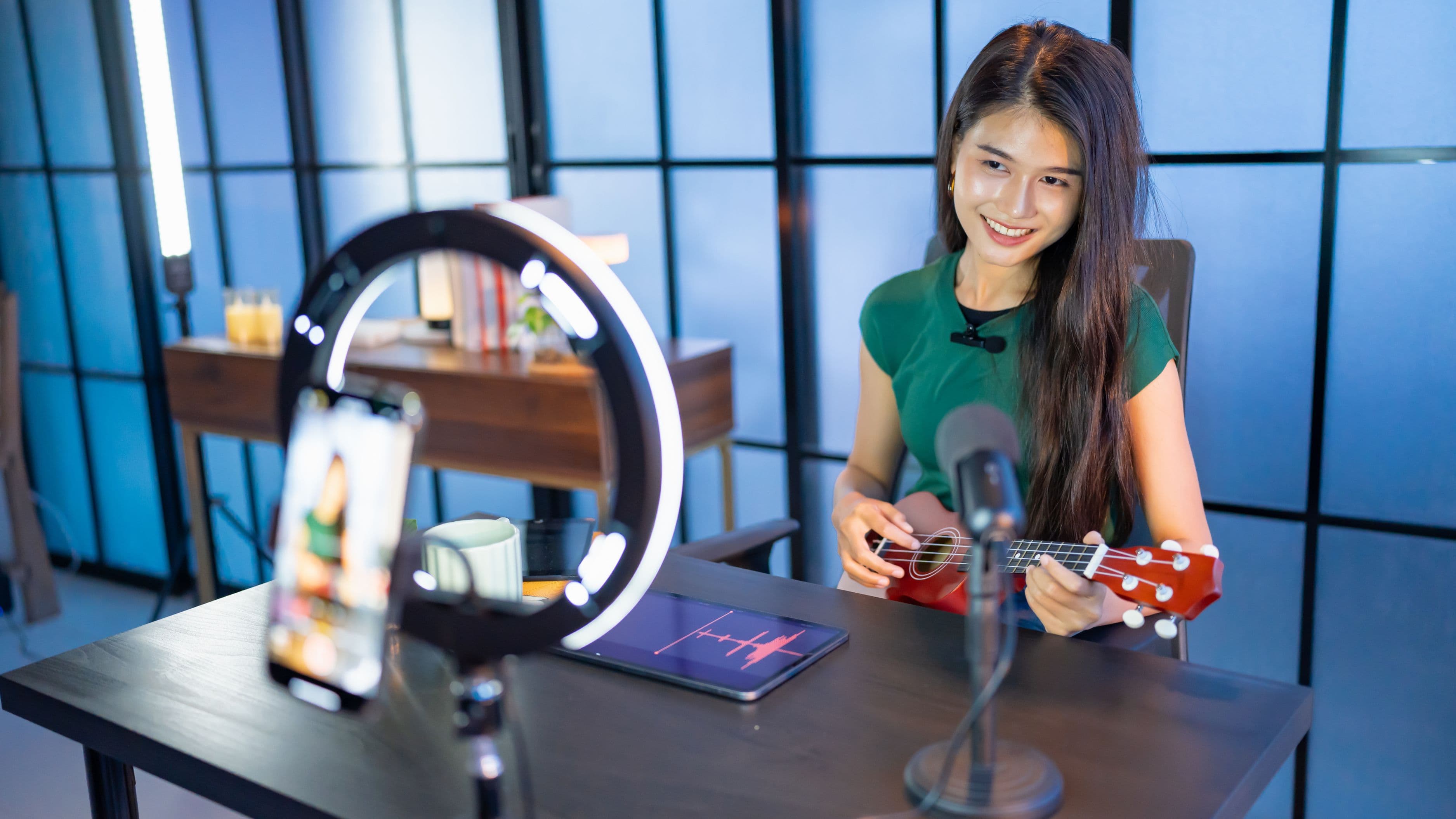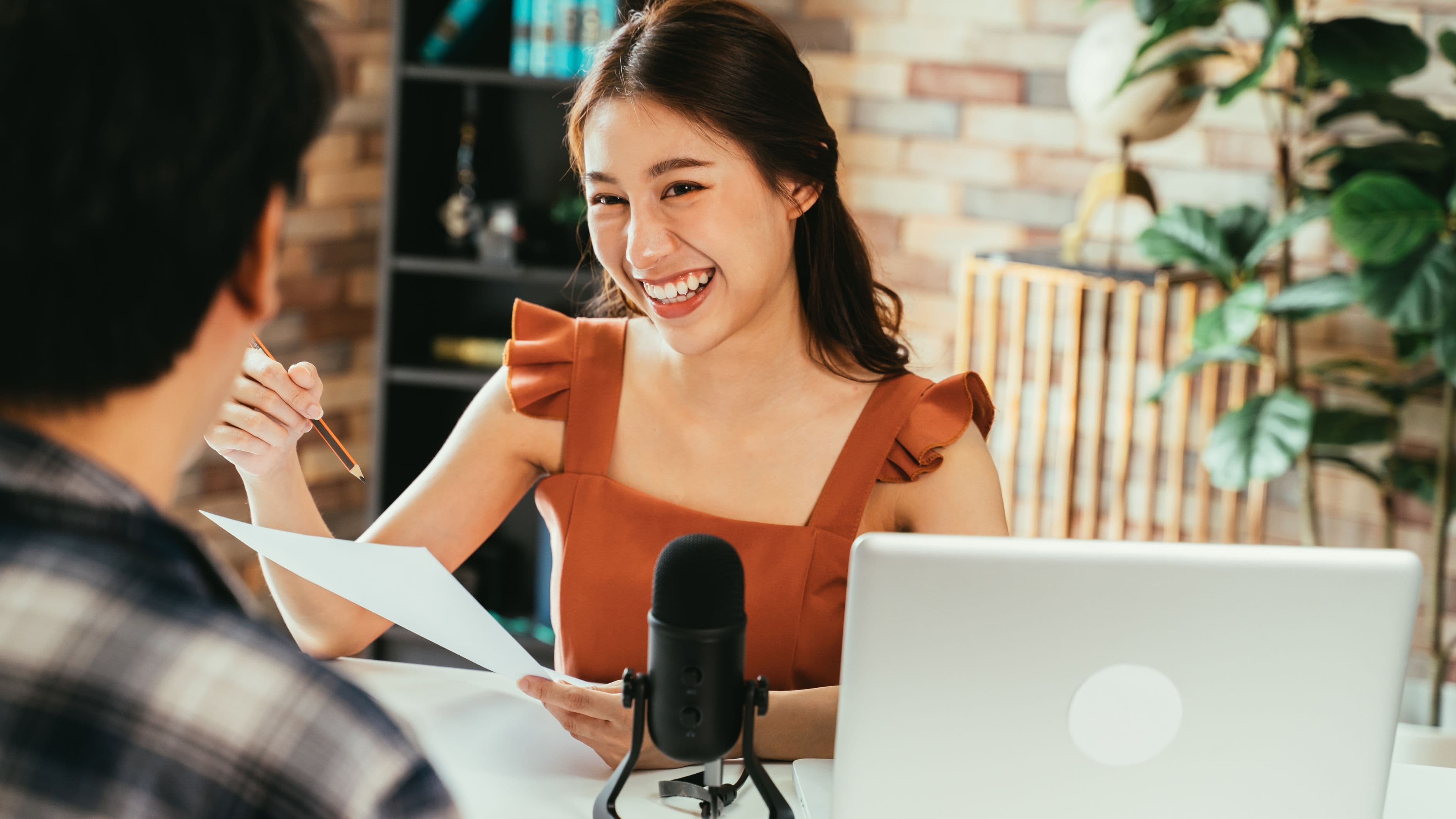
Podcasters aren't just content creators anymore. They're tastemakers, brand builders, political voices, and full-blown celebrities in their own right. The question isn't whether this shift is happening – it's how fast, and what it means for the entertainment landscape the rest of us grew up with.
From Niche Hobby to Cultural Force
Podcasting started as a scrappy, indie format. The early days were dominated by tech enthusiasts, comedians recording in spare bedrooms, and journalists experimenting outside traditional media. Audiences were small and devoted. Advertising revenue was minimal. Nobody was getting famous from it in any conventional sense.
That changed gradually, then very quickly. Serial's first season in 2014 is often cited as the cultural turning point – the true crime podcast that introduced tens of millions of people to the format and proved that audio storytelling could generate the same kind of watercooler conversation as prestige TV. After that, the format exploded. By the early 2020s, there were more than two million active podcasts globally, and the biggest ones were attracting listener counts that rivaled major television programs.
What shifted wasn't just the number of podcasts. It was who started making them, and what audiences were willing to give their most valuable resource – time – to. The average podcast episode runs between 45 minutes and two hours. People who listen regularly aren't passively consuming content the way they scroll social media. They're committing. And that level of sustained attention creates a kind of intimacy between host and listener that most media formats simply can't replicate.
The Deals That Made It Official
The moment podcasting became undeniably mainstream wasn't a cultural moment – it was a financial one. In 2020, Spotify signed an exclusive licensing deal with Joe Rogan's The Joe Rogan Experience reported to be worth over $100 million. It was the kind of number that made headlines far outside the podcasting world and sent a clear signal: this format was now serious business, and its biggest names were worth serious money.
Rogan wasn't the only one. Spotify went on to sign exclusive deals with high-profile creators including Alex Cooper of Call Her Daddy, a deal valued at around $60 million. Dax Shepard, Conan O'Brien, Trevor Noah, and a wave of other recognizable names either launched podcasts or used existing ones to dramatically expand their platforms and income. iHeartMedia, Amazon, and SiriusXM all made major acquisitions and talent investments in the same period, treating podcast hosts as assets worth competing for in the same way record labels once competed for musicians.
The business logic was straightforward. Podcast audiences are unusually loyal, unusually engaged, and unusually willing to follow a host's recommendations – whether that's a product, a book, a political position, or another show. Advertisers had noticed. Platforms had noticed. The only people who sometimes hadn't fully noticed were the podcasters themselves, some of whom went from recording in a closet to fielding eight-figure offers in the space of a few years.
The Fame Looks Different – But It's Still Fame
Traditional celebrity is built on visibility: red carpets, magazine covers, paparazzi photos, awards shows. Podcaster fame operates differently. Most podcast listeners have never seen their favorite hosts in a photo. Some don't even know what they look like. And yet the parasocial bond – the feeling of genuinely knowing someone because you've heard them talk unfiltered for hundreds of hours – can be more intense than what fans feel for actors or musicians they've followed for years.
This intimacy translates directly into cultural influence. When a podcaster recommends something – a book, a supplement, a restaurant, a perspective on current events – their audience takes it seriously in a way that traditional advertising has never been able to manufacture. It's not endorsement. It's more like a trusted friend weighing in, except that friend has five million listeners.
Hosts like Brené Brown, Glennon Doyle, and Mel Robbins have built genuinely massive personal brands through podcasting that extend into bestselling books, sold-out speaking tours, and television deals. The medium gave them a direct line to their audience that no publisher or network had to mediate, and they used it. On the entertainment side, hosts like SmartLess's trio – Jason Bateman, Sean Hayes, and Will Arnett – proved that traditional celebrity could migrate seamlessly into podcasting, while also demonstrating that the format could give even established names a new dimension of public persona.
Why Podcasting Creates a Different Kind of Star
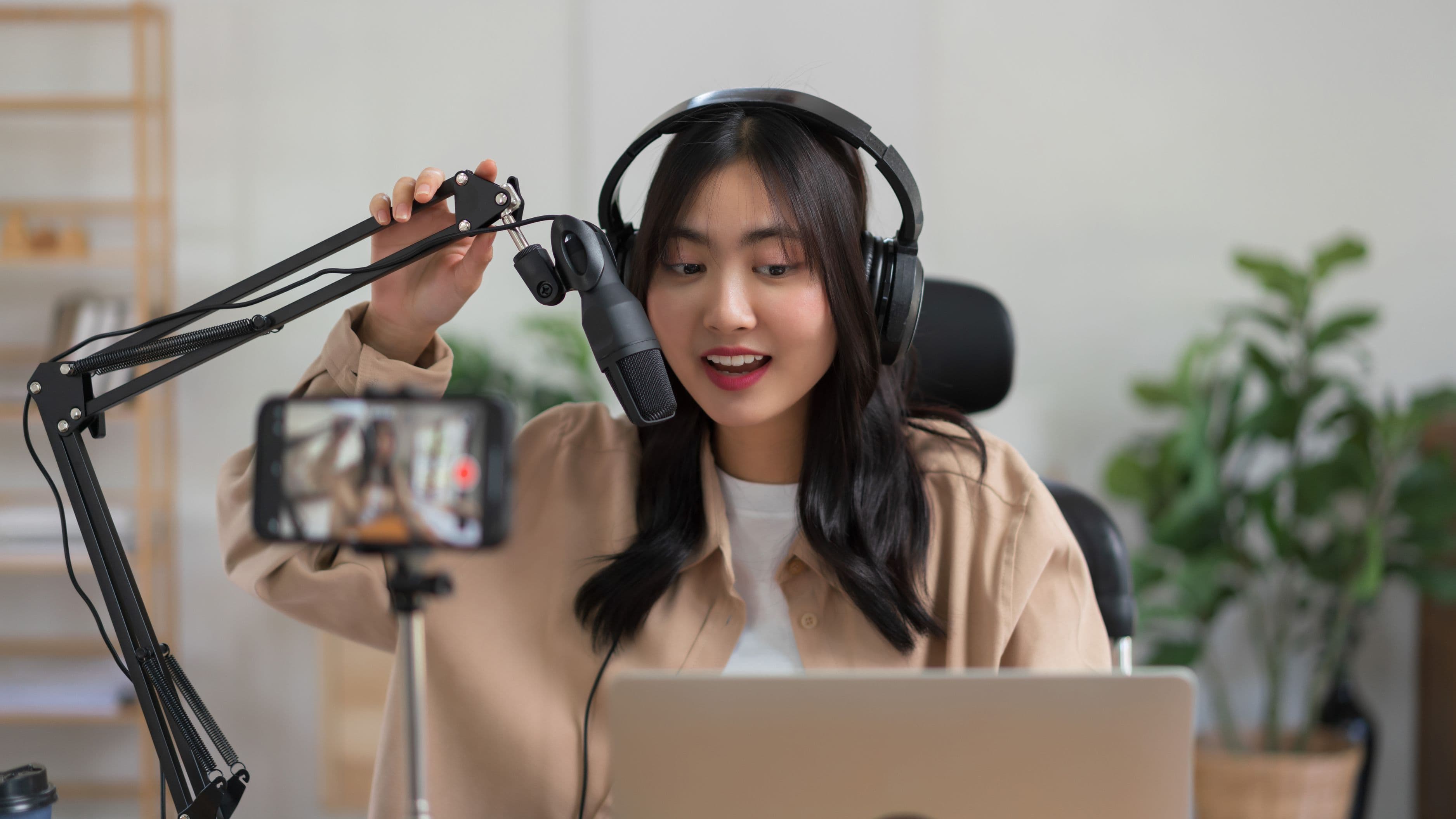
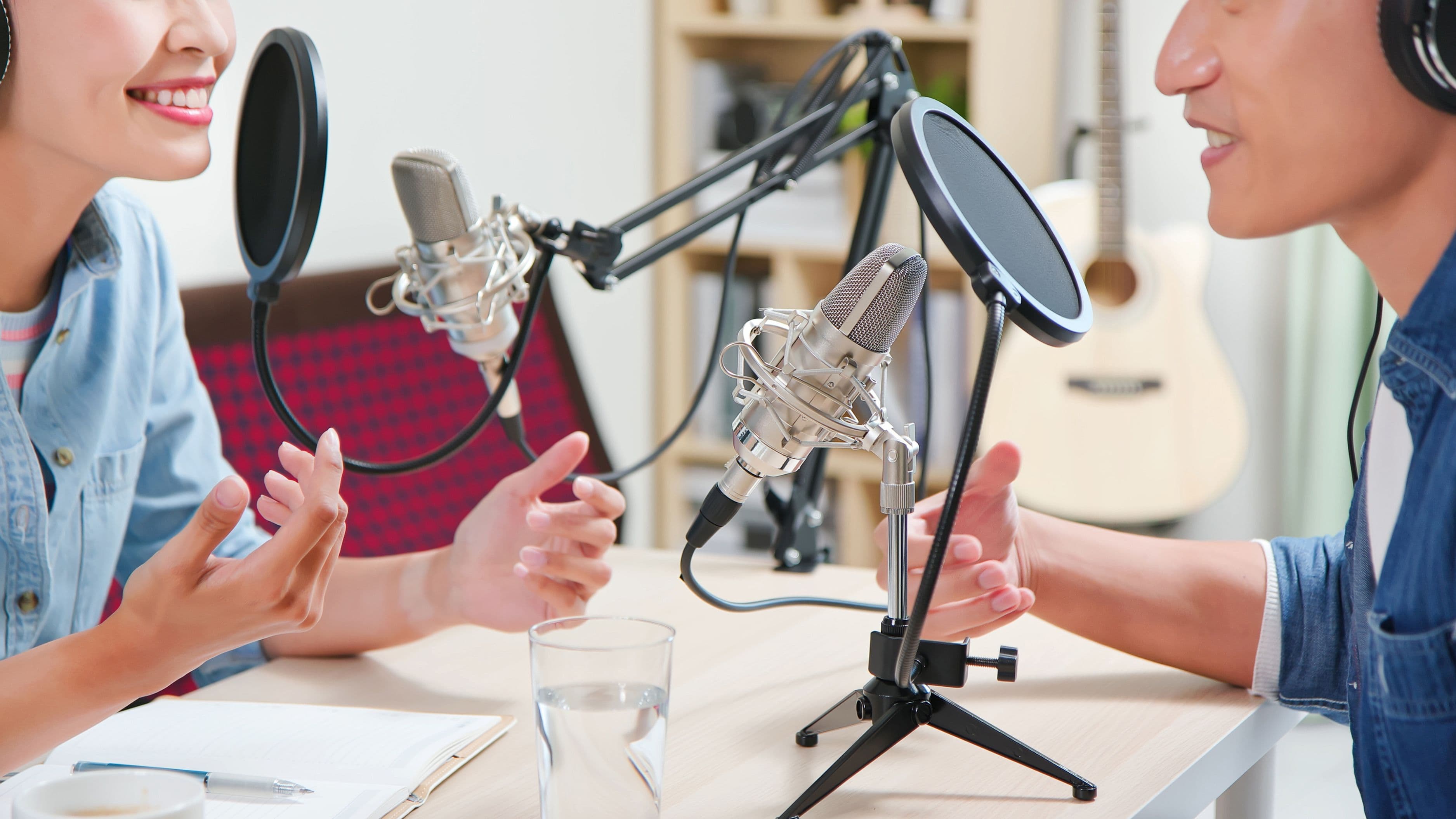
The celebrity machine has traditionally been controlled by gatekeepers: studios, record labels, talent agencies, major publications. Getting famous required getting through one of those doors. Podcasting largely bypassed all of them. The barrier to entry is a microphone and an internet connection. The ceiling, as it turns out, is remarkably high.
This changes what kind of person becomes famous. Podcasters tend to be known for their voice, their ideas, and their consistency rather than their looks or their luck in landing the right role. Their audiences grow slowly and organically – a year of weekly episodes before meaningful reach, then years more before real scale. That slow build creates loyalty that's different in texture from the kind generated by a viral moment or a studio marketing push. It's earned over hundreds of hours rather than given in a single news cycle.
It also means podcasters carry an unusual amount of trust. Survey data consistently shows that podcast listeners are more likely to act on host recommendations than they are to respond to traditional ads, and significantly more likely to remember and engage with the content. For brands, that's enormously valuable. For the hosts themselves, it means their platform extends well beyond audio – into book sales, merchandise, live events, consulting, and media deals that compound over time.
Where This Is All Heading
The podcasting world is now going through the same consolidation and professionalisation that music and television went through in earlier decades. The days of every big deal being exclusive to a single platform appear to be winding down – Spotify notably pulled back from some of its most expensive podcast exclusives as the economics of the model became harder to justify. What's replacing that is a more distributed model where the biggest podcasters own their IP, distribute widely, and monetise through a combination of advertising, subscriptions, live shows, and brand partnerships.
That model looks less like traditional media and more like what the biggest individual creators have built on YouTube and Substack – businesses built around a personal brand rather than a network or a studio. The people at the top of that model have achieved something that Hollywood has always sold but rarely delivered: a direct, unmediated relationship with an audience that's genuinely theirs.
That's what celebrity looks like now. It just comes with a microphone instead of a spotlight.
📚 Sources
The New York Times – Spotify's Joe Rogan Deal: The Inside Story (2020): https://www.nytimes.com/2020/05/20/business/media/spotify-joe-rogan-deal.html
The Wall Street Journal – Spotify Signs Alex Cooper of 'Call Her Daddy' to Exclusive Deal: https://www.wsj.com/articles/spotify-signs-call-her-daddy-host-alex-cooper-to-60-million-deal-11624467540
Edison Research – The Infinite Dial 2024: https://www.edisonresearch.com/the-infinite-dial-2024
Variety – How Podcasting Became a Billion-Dollar Business: https://variety.com/2021/digital/news/podcast-industry-billion-dollar-business-1234930607
The Atlantic – Why Podcast Listeners Are So Loyal: https://www.theatlantic.com/technology/archive/2021/11/podcast-listeners-loyal-advertising/620671
Pew Research Center – Audio and Podcasting Fact Sheet (2023): https://www.pewresearch.org/journalism/fact-sheet/audio-and-podcasting