There was a time when "celebrity power" mostly meant box office numbers, album sales, or magazine covers. These days, some of the most commercially powerful people in entertainment built their influence sitting in front of a microphone instead, and the numbers behind that shift are hard to ignore.
What's Happening
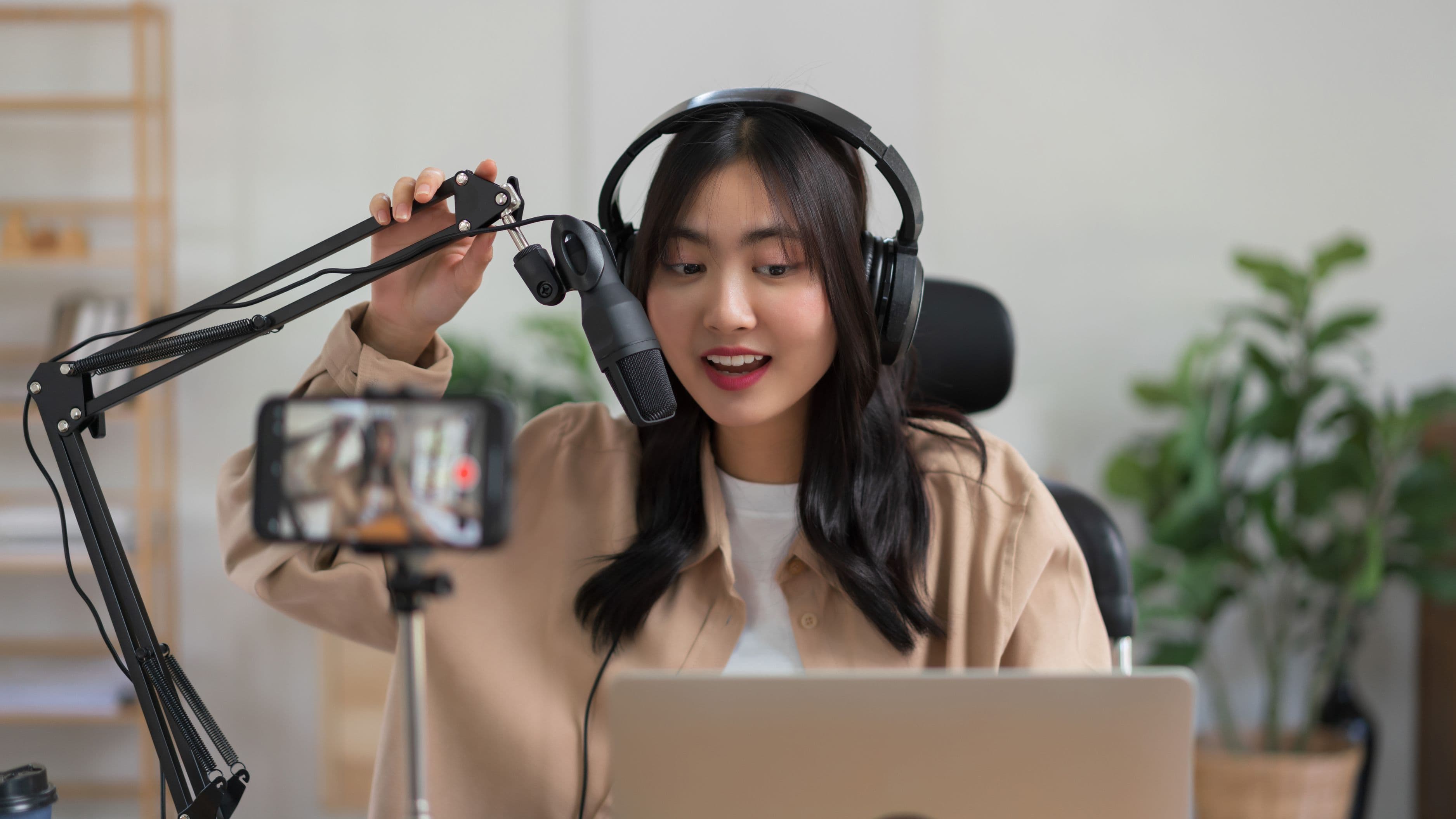
Podcasting has quietly become one of the most lucrative and influential formats in entertainment, and the people who've leaned into it early are now wielding a kind of direct-to-audience power that traditional celebrities built on studio deals and label contracts simply don't have in the same way. Joe Rogan's deal with Spotify, reported to be worth well over $200 million, remains one of the most cited examples of just how much value platforms now place on a single voice with a loyal, engaged audience. Alex Cooper's Call Her Daddy built enough of an independent following that she was able to negotiate a major deal with SiriusXM after leaving her original network, reportedly worth over $100 million, a move that would have been almost unheard of for a podcast host a decade earlier.
Why It Blew Up
The core reason podcasters have accumulated this kind of leverage comes down to direct audience ownership. A traditional actor or musician's audience is mediated by a studio, label, or network – the relationship exists through the machinery of a larger industry. A successful podcast host builds a direct, unmediated relationship with listeners who show up specifically for that person, often for hours at a time, which creates a depth of engagement and trust that translates directly into advertising value, negotiating leverage, and crossover appeal into other media.
That direct relationship also means podcasters aren't just competing with each other – they're competing with, and in some cases outperforming, traditional celebrity influence in areas like political discourse, product endorsements, and cultural conversation, precisely because listeners feel like they know the host in a way they rarely feel about a traditional celebrity encountered only through curated interviews and red carpet appearances.
Public Reaction
The shift hasn't been universally welcomed within traditional entertainment circles, where some have pushed back on the outsized influence of a format that operates with far less editorial oversight than traditional media. Fans of the format, on the other hand, frequently point to the format's authenticity and length as exactly what makes it more trustworthy than heavily produced traditional media, even as critics note that authenticity doesn't always mean accuracy.
Why People Care
This shift matters beyond just industry gossip because it reflects a genuine change in where cultural influence sits. Brands, political campaigns, and other public figures have increasingly prioritized podcast appearances specifically because of the audience depth and trust the format offers, a trend that's reshaped how public figures across entirely different industries think about where to spend their time and attention.
For fans, it also means the traditional path to celebrity – studio deals, label contracts, gatekept media access – is no longer the only route to genuine cultural power, which has opened the door for a much wider range of voices to build significant influence and financial success outside the traditional entertainment industry pipeline.
📚 Sources
The New York Times – reporting on Joe Rogan's Spotify deal – https://www.nytimes.com/2020/05/19/business/media/joe-rogan-spotify-podcast.html
Variety – reporting on Alex Cooper's SiriusXM deal – https://variety.com/2024/tv/news/call-her-daddy-alex-cooper-siriusxm-deal-1235920157/
Edison Research – podcast industry listenership and engagement data – https://www.edisonresearch.com/