What's Actually Shifting in Reality TV Formats
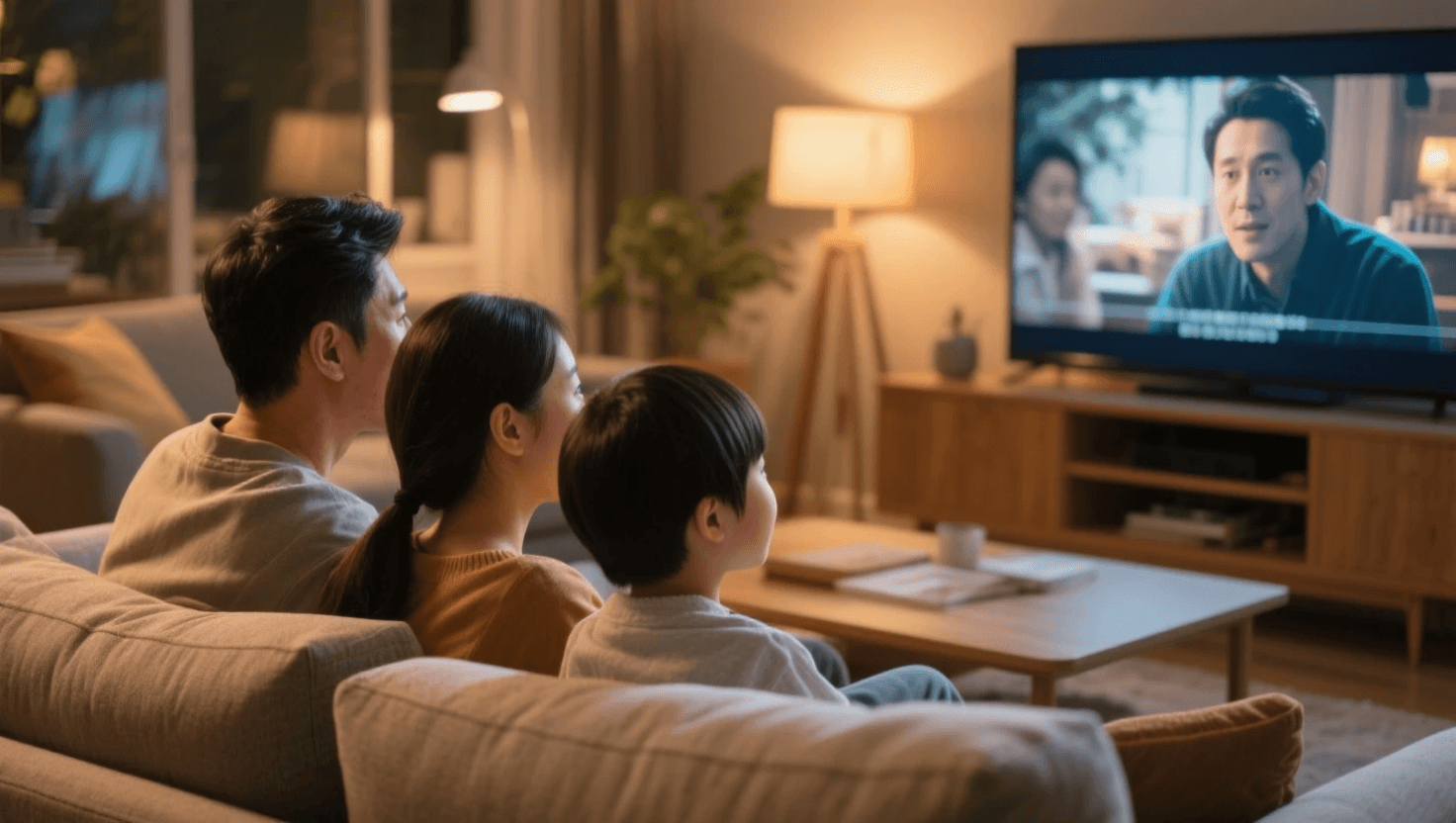
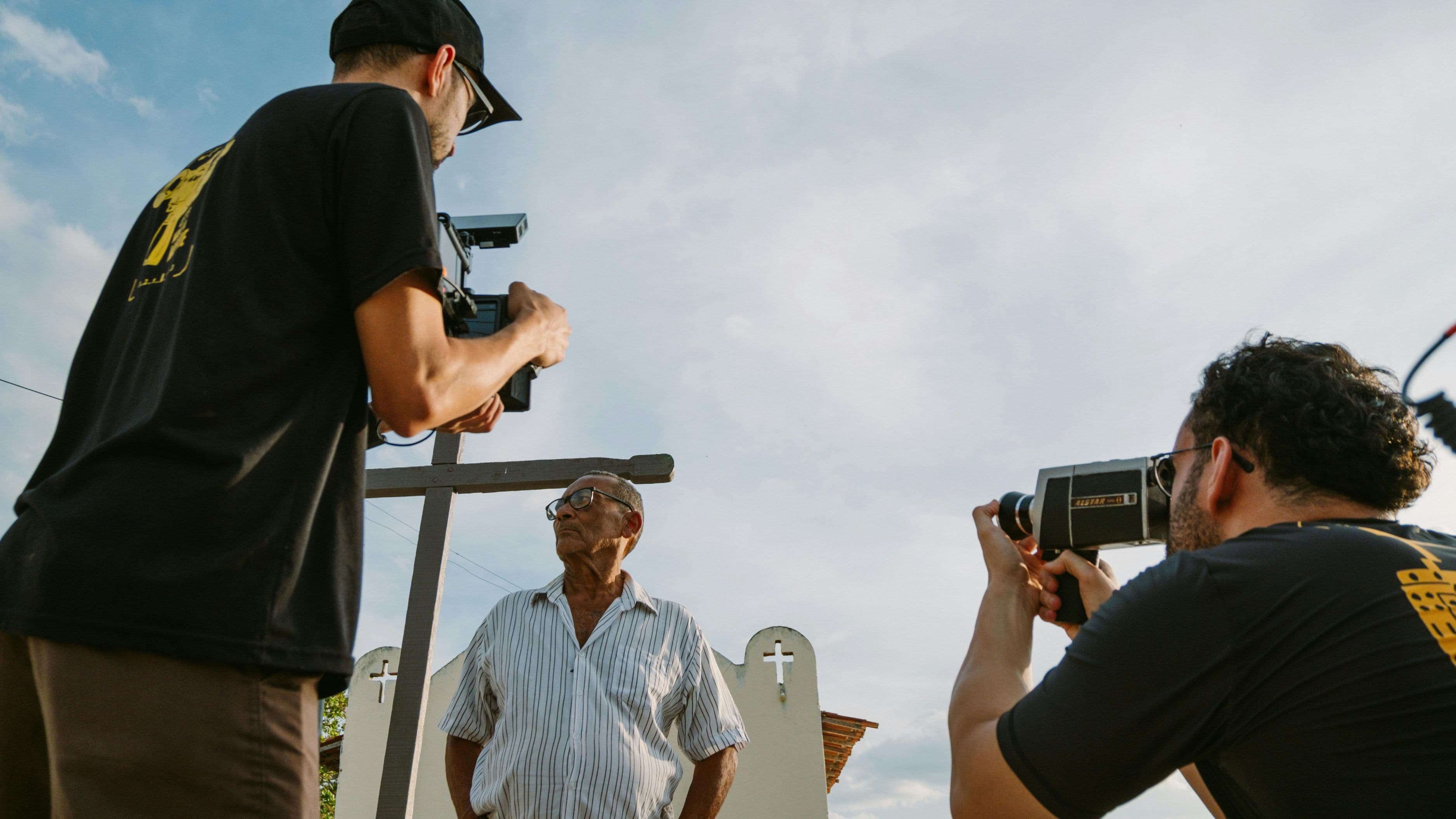
Reality television has gone through several identifiable format eras: the early observational documentary-style shows, the competition-elimination format that dominated for years, and more recently, a shift toward highly structured social experiment formats that blend competition, relationship dynamics, and audience interactivity in ways earlier formats didn't attempt. Understanding this shift explains why certain newer shows feel meaningfully different from the reality TV that came before them.
The Core Format Change: From Passive Viewing to Active Audience Participation
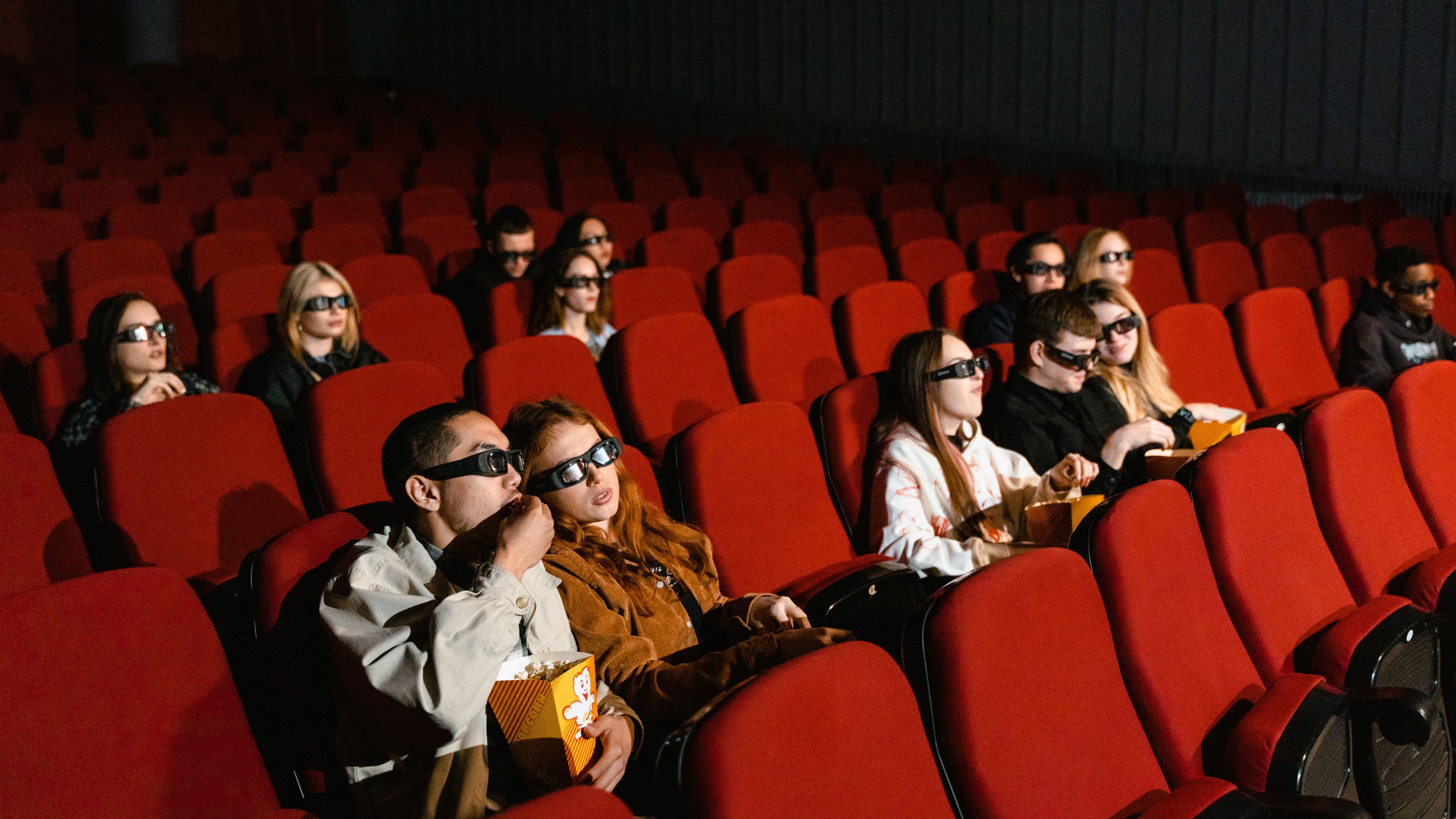
Real-time audience interaction is reshaping how shows are structured. Newer reality formats increasingly build audience voting, social media reaction, and even live viewer input directly into the show's structure, rather than treating the audience as a purely passive viewer base reacting after the fact. This changes the incentive structure for participants too, since a show built around real-time audience response encourages producers to feature moments and personalities that generate strong immediate reactions rather than optimizing purely for a slower-building overall narrative arc.
Shorter, more digestible episode structures built for clip-based social sharing. Many newer formats are structured with clear standalone moments within each episode specifically because individual clips circulating on social media have become as important, sometimes more important, than the full episode's live viewership for a show's overall cultural reach and audience growth.
Blending genres that used to stay separate. Competition formats increasingly incorporate relationship or social dynamics elements, and social experiment formats increasingly incorporate competitive elimination structures, creating hybrid formats that draw from multiple previously distinct reality TV traditions simultaneously rather than staying within a single format's established conventions.
Why This Matters for the Industry and for Viewers
This format evolution matters because it changes what actually makes a reality show successful in a media environment where social media reach and clip virality increasingly drive overall cultural relevance, sometimes more than traditional linear viewership numbers alone. Shows optimized for this new environment are built differently from the ground up, with producers making structural decisions specifically designed to generate shareable, standalone moments rather than purely serving a traditional broadcast viewing experience.
For viewers, this shift means the reality TV landscape increasingly rewards shows that create genuine, unpredictable human moments over heavily scripted-feeling "reality" content, since authentic, surprising reactions are exactly what tends to translate into the kind of viral clips that extend a show's reach well beyond its immediate broadcast audience.
What This Means for How Shows Get Made Going Forward
Expect continued experimentation with formats that build in real-time audience participation and interactivity, along with continued blending of previously distinct reality TV subgenres as producers chase the kind of format innovation that captures attention in an increasingly crowded and socially-driven media landscape. Shows that successfully innovate on format structure, rather than simply repeating a previously successful formula with new cast members, tend to be the ones that meaningfully shift industry conversation and attract copycat formats in their wake.
FAQ
Why do social media clips matter so much for reality shows now? Clips that circulate widely on social media often reach a far larger audience than a show's live broadcast viewership alone, making clip-worthy moments an increasingly central consideration in how shows are structured and produced.
Are hybrid reality formats, blending competition and social dynamics, more successful than traditional single-genre formats? Industry observers have noted growing audience appetite for hybrid formats, though success still depends heavily on execution, casting, and overall production quality rather than format innovation alone.
Is reality TV becoming more scripted or more authentic over time? This varies considerably by show and producer, and it remains a genuinely debated question within the industry, with some formats leaning toward more structured, producer-guided scenarios while others emphasize unscripted authenticity as their core differentiator.
📚 Sources
Variety, "How Reality TV Formats Are Evolving" – variety.com
The Hollywood Reporter, "The Business of Reality Television" – hollywoodreporter.com