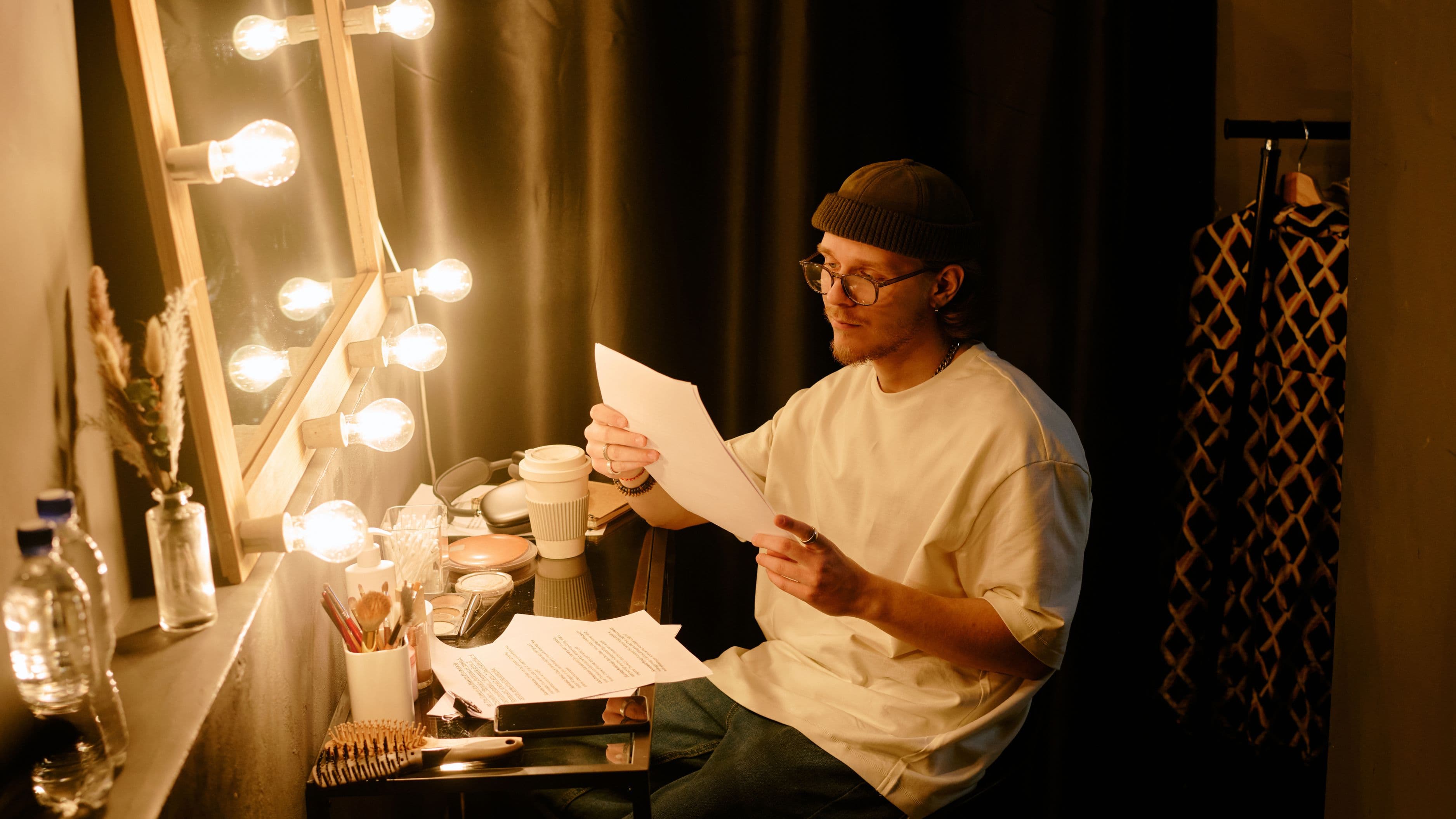
So let's break down what's actually going on. Almost no reality show hands actors a word-for-word script, but almost all of them are heavily produced. Here's how to tell the difference between genuine, manufactured, and everything in between – and why even your favorite "real" shows aren't quite as spontaneous as they look.
"Scripted" vs. "Produced": The Distinction That Matters
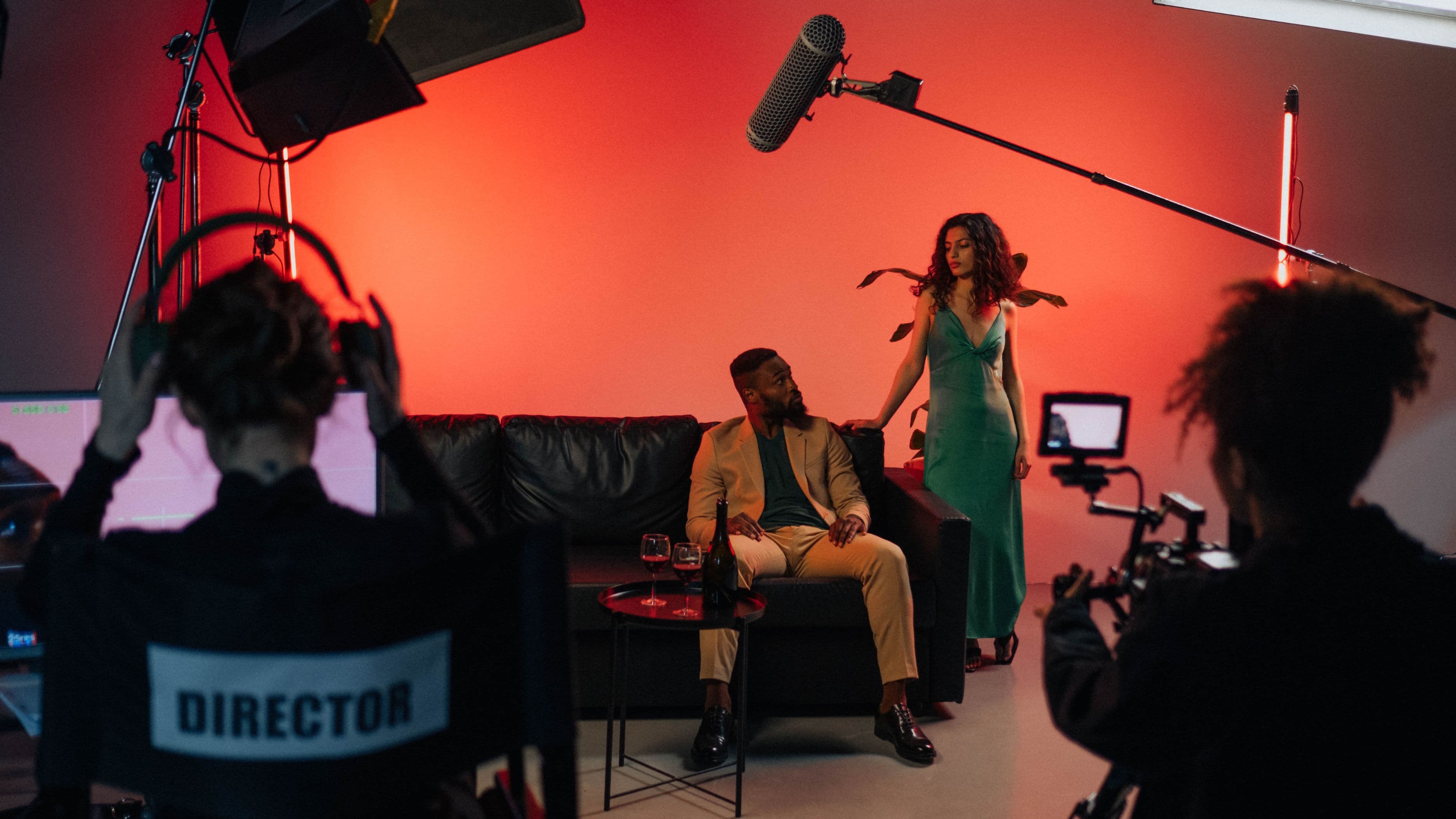
When people say a reality show is "scripted," they usually picture cast members reciting lines like in a sitcom. That's rarely how it works. What actually happens is production – a mix of techniques that shape unscripted footage into a story: producers prompting cast members toward topics, setting up situations, re-shooting moments that didn't land, and above all, editing hours of raw footage into a dramatic narrative.
This matters because it reframes the whole question. Most reality TV isn't lying to you with a script; it's curating reality with a heavy hand. A breakup that "just happened" might have been nudged along by producers asking pointed questions. A villain might be a perfectly normal person edited to look terrible. Understanding production is the key to reading any reality show clearly.
The Heavily Produced End of the Spectrum
At the most constructed end sit "structured reality" and "docusoap" shows – the ones following the glamorous lives of friends, families, or housemates. These are widely understood in the industry to involve significant production: scenes are often set up, conversations are sometimes restaged so cameras catch them properly, and storylines are shaped in the edit.
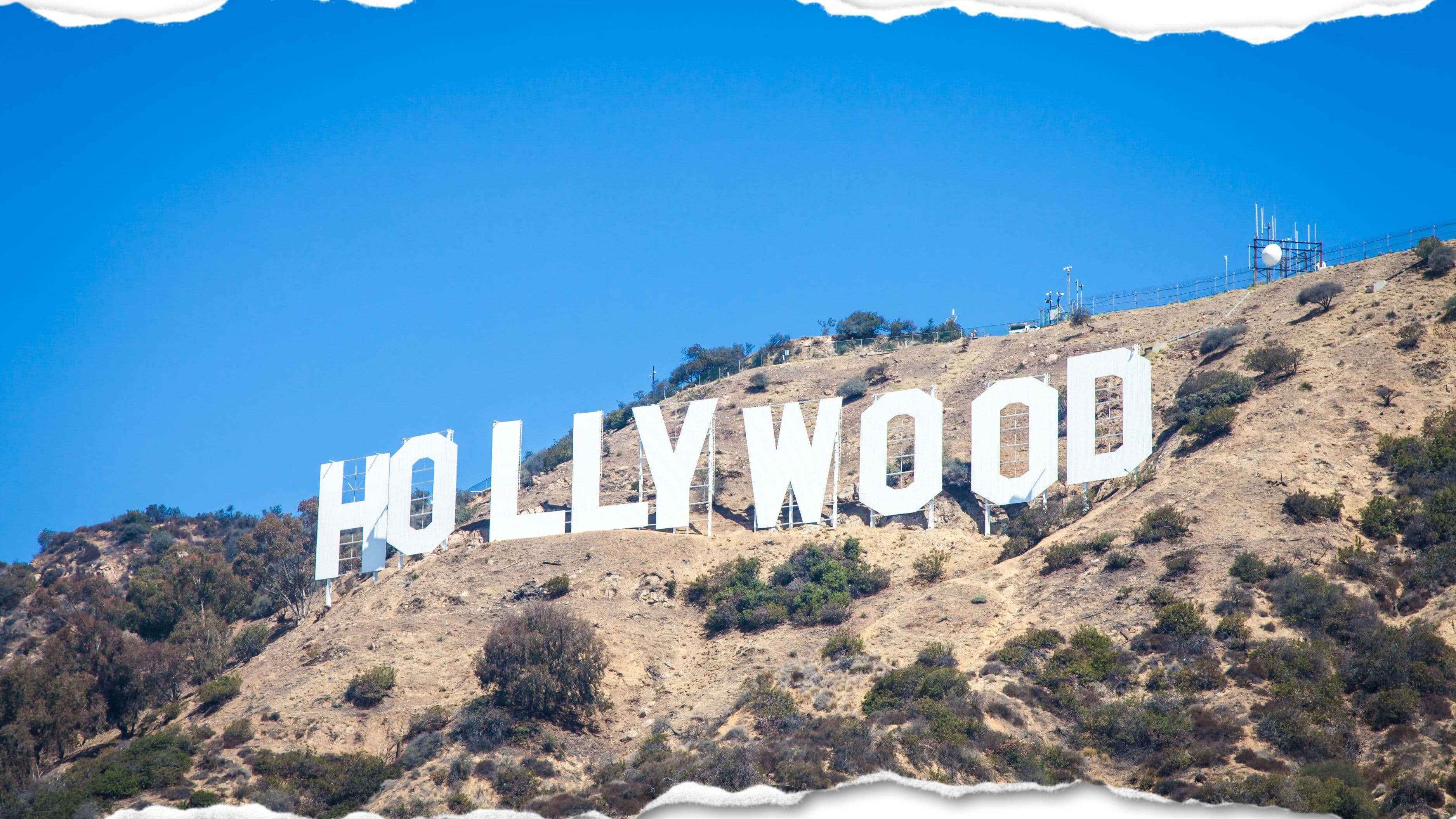
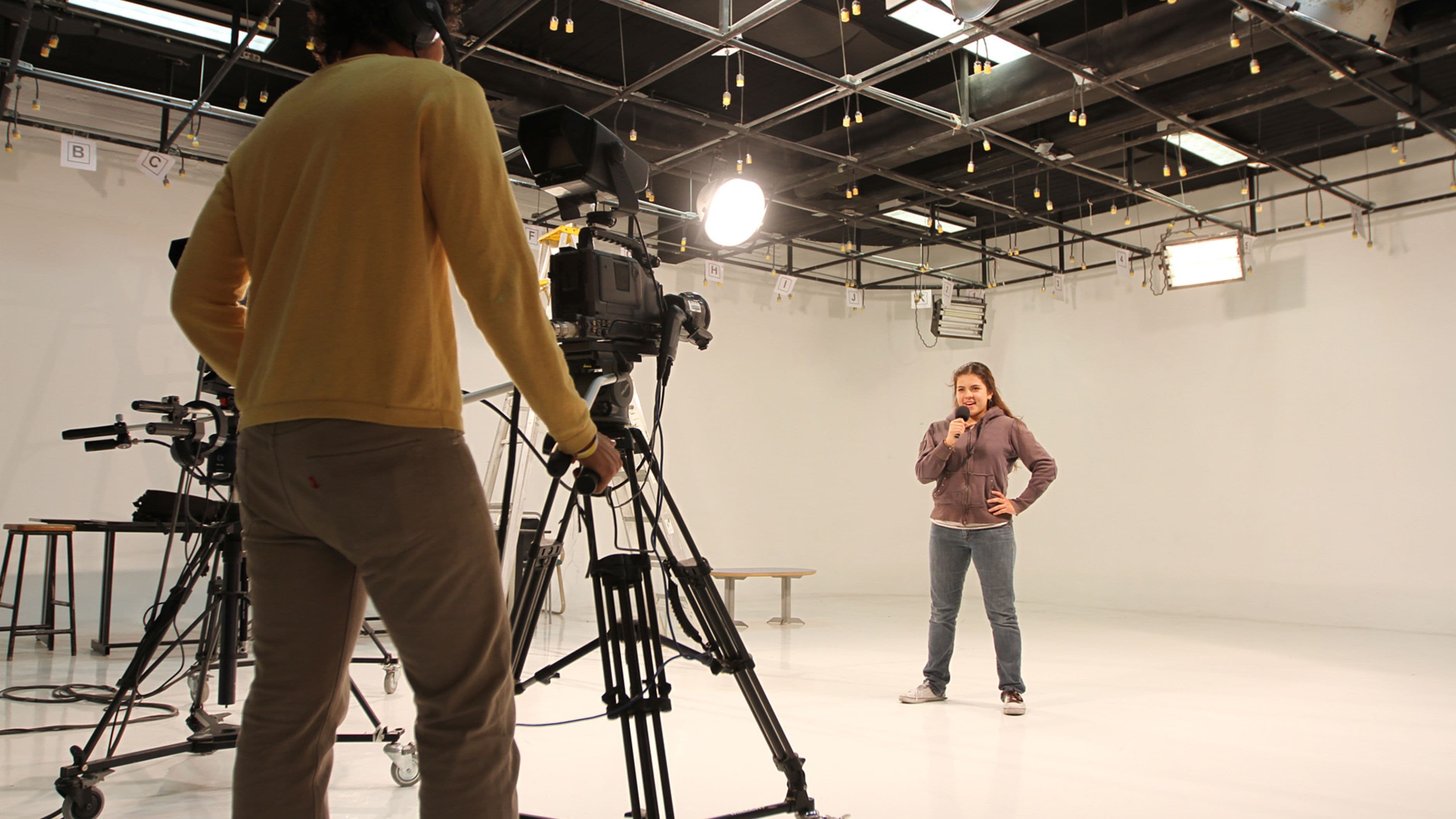
One of the most famous reveals came from MTV's The Hills, which in its 2010 series finale pulled the camera back to show a Hollywood soundstage behind its "real" Los Angeles backdrop – a wink acknowledging just how constructed the show had been. Cast members from various structured-reality shows have spoken in interviews over the years about retakes, producer prompting, and storylines that were guided rather than spontaneous. None of this means the people are actors reading lines; it means their real lives were packaged into entertainment.
The Manipulation-by-Editing Middle
A huge chunk of reality TV looks spontaneous but is shaped primarily through editing rather than staging. Dating shows, competition-with-drama formats, and "follow the cast" series rely on a toolbox of editing tricks that journalists and former participants have described many times.
These include selective editing (showing only the moments that fit a chosen storyline), and what's often called "frankenbiting" – splicing together words from different moments to create a sentence or reaction that was never said that way. Producers may also create situations likely to spark conflict, then let the cameras roll. The events are real-ish, but the version you see is a constructed narrative built from raw material. This is why a contestant can finish a season insisting "that's not who I am" – the edit told a story they didn't live.
The Genuinely Competitive Shows
Now the other side. Some reality formats have real, verifiable outcomes that can't simply be scripted, even though they're still produced for drama. Competition shows judged on actual skill – cooking, singing, dancing, design – have genuine results: a dish is really cooked, a performance really happens, and the winner generally earns it. Production shapes the surrounding drama and storytelling, but it can't fake who can actually cook or sing.
Game-based competition shows like Survivor or similar elimination formats also have real outcomes – the challenges happen, the votes are real, someone genuinely goes home. The narrative around those events is heavily edited, and producers absolutely shape how contestants are portrayed, but the core results aren't fabricated. These shows tend to sit at the "most real" end, with the caveat that "real outcomes" and "real, unedited people" are two different things – the competition is genuine, the character portrayals are produced.
How to Tell the Difference as a Viewer
A few practical tells help you read any reality show. If the outcome is based on a measurable skill or a real competition with stakes, the results are probably genuine even if the drama is amplified. If the show is built around relationships, lifestyles, and interpersonal conflict with no scored outcome, assume heavier production and editing.
Watch for suspiciously perfect camera coverage of "spontaneous" private moments, conversations that conveniently recap plot points, and reactions that don't quite match the scene – all hints of editing or restaging. And remember that confessional interviews (the to-camera segments) are often recorded after the fact, which lets producers shape how you interpret events you've just watched. None of this ruins the fun; it just helps you enjoy reality TV with your eyes open.
Why Shows Don't Always Admit It
If so much is produced, why isn't it obvious? Partly because the magic depends on the illusion of spontaneity – knowing the seams would break the spell. Many shows also use language carefully, describing themselves as "unscripted" (technically true, since there's no line-by-line script) while still being heavily produced. And cast members often sign agreements that limit what they can reveal about the process. The result is an industry that's honest in the narrow sense and misleading in the broad one, which is exactly why viewers stay curious about what's "real."
The Bottom Line
The reality about reality TV is that "scripted" is mostly a myth, but "spontaneous" is too. These shows sit on a spectrum: structured-reality and docusoaps are heavily staged and shaped, dating and drama formats are constructed largely through editing, and skill-based and game competitions have genuinely real outcomes wrapped in produced storytelling. The next time a reality moment feels too perfect, you'll know to ask the better question – not "is this scripted?" but "how was this produced?" That's the lens that makes watching reality TV more fun, not less.
📚 Sources
The New York Times – How Reality TV Gets Made (Production and Editing Practices): https://www.nytimes.com/topic/subject/reality-television
BBC – How 'Real' Is Reality Television?: https://www.bbc.com/culture/article/20200217-the-truth-about-reality-tv
Variety – Reality TV Coverage and Industry Reporting: https://variety.com/t/reality-tv/
Vulture – The Editing Tricks Behind Reality TV: https://www.vulture.com/tags/reality-tv/