Casting Is Where the Show Actually Gets Made
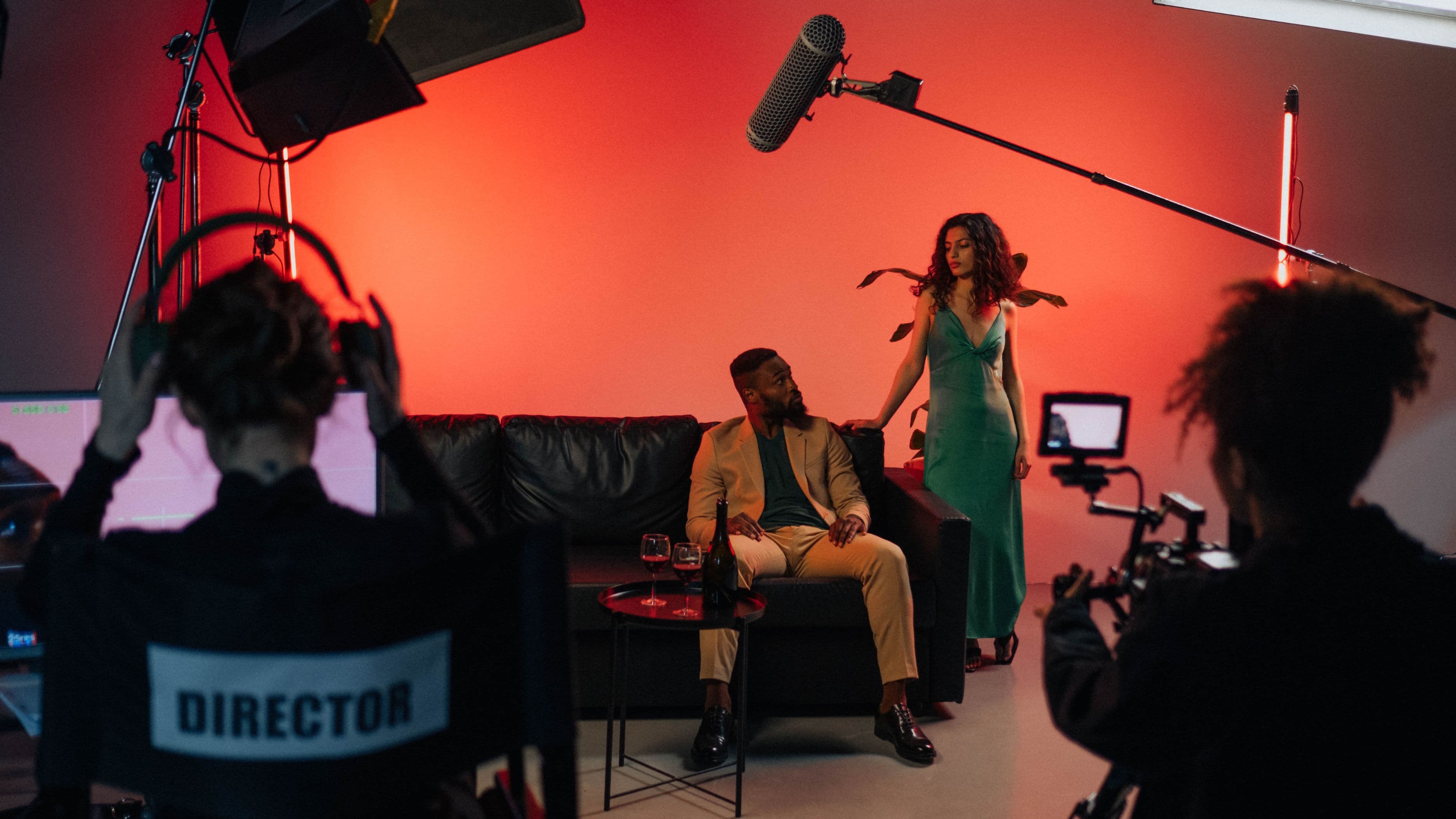
The conventional wisdom is that reality TV is unscripted, and technically that's true. The conversations aren't scripted. The outcomes (usually) aren't predetermined. But the conditions that produce the drama? Entirely constructed. Casting directors and showrunners aren't looking for interesting people – they're looking for specific types of interesting people who will create specific types of conflict with other specific types of interesting people. The drama doesn't happen by accident. It happens because producers spent weeks or months engineering the social chemistry that makes it inevitable.
Former reality TV producers have been increasingly candid about this in recent years. The casting brief for most competition and relationship shows operates less like a talent search and more like assembling a psychological pressure cooker. You need the self-confident one who will clash with the insecure one. You need the chaos agent. You need the person everyone roots for even when they shouldn't. The individual contestants matter less than how they'll interact with the other people in the room – and casting directors are reading for that dynamic in every interview.
The Rejections Nobody Talks About
For every person you see on screen, there are dozens who made it deep into the casting process and didn't get the call. Some of these rejection stories have become their own kind of entertainment, particularly when the rejected candidate went on to become famous anyway. The reality TV casting reject pipeline to legitimate celebrity is longer than most people realize. Several working actors, musicians, and influencers were passed over by reality shows that would have defined their public image in very different ways.
The reasons given for rejections are rarely honest and almost never useful to the person receiving them. "Not the right fit for this season" is the standard non-answer that could mean anything from "we already have someone exactly like you" to "our legal team flagged your background check" to "a producer just liked someone else better." The opacity is intentional – shows don't want rejected candidates creating negative press about the casting process, and keeping the reasons vague makes it harder to do that.
What's more interesting than the rejections themselves is the pattern they reveal. Reality TV casting has historically skewed toward people with strong social media followings, previous television experience, or existing public profiles – which means the genre that supposedly discovers "regular people" has quietly been doing something much more calculated for a long time. The explosion of influencer culture has accelerated this trend significantly. It's no coincidence that cast reveals now routinely feature people with hundreds of thousands of existing followers.
When Casting Goes Wrong On Camera
Sometimes the casting drama doesn't stay behind the scenes. A handful of high-profile situations have put the casting process itself into public conversation in ways producers clearly didn't intend.
The franchise that's generated the most casting controversy in recent memory is The Bachelor and Bachelorette universe. Between social media archaeology unearthing old posts from newly announced cast members before filming even begins, contestants using the casting process to build brand partnerships before their episodes air, and the occasional revelation that someone was pursuing the show while in an undisclosed relationship, the gap between "person selected by producers" and "person genuinely seeking love" has become a running joke even among the show's most devoted fans. Producers have addressed some of this publicly and ignored most of it privately.
Survivor has had its own casting controversies over the years, most notably around how certain contestants were recruited rather than applying through the standard process. The show has always maintained a mix of application-selected and producer-recruited players, but when a recruited player wins – particularly one with an existing profile that suggests they were always going to be featured prominently – it tends to generate conversation about how level the playing field really is.
The Real Housewives franchise, which is now spread across enough cities that each show has effectively developed its own casting subculture, has seen several situations where cast members have revealed the full scope of their pre-show relationship with producers. The line between "someone production discovered" and "someone who aggressively campaigned for a spot" is blurrier than the shows typically acknowledge.
The Industry Insiders Leaking What They Know
One of the reasons casting drama has become such a prominent topic recently is that former cast members and behind-the-scenes staff have been much more willing to talk than they used to be. The "reality TV villain edit" conversation has been going on for years, but the specifics – which interviews were selectively cut, what producers allegedly suggested to contestants, how certain storylines were constructed through editing choices – are getting aired in more detail on podcasts, social media, and tell-all interviews than ever before.
Mike Fleiss, the creator of The Bachelor, has been the subject of ongoing controversy that extends well beyond casting decisions. Former producers and staff have given accounts of the show's production culture that range from uncomfortable to genuinely troubling. The franchise has taken steps to visibly reform, including adding a therapist on set and updating casting criteria around diversity, but the scrutiny has created a level of public awareness about production practices that didn't exist five years ago.
The Real Housewives franchise has its own version of this in Andy Cohen, whose dual role as both a producer and on-screen personality puts him in an unusual position when cast members go public with grievances about how they were treated or edited. Several former Housewives have been notably candid about the gap between how their stories were pitched to them during casting and how they actually played out on screen.
Why This All Actually Matters
It would be easy to treat casting drama as just another flavor of reality TV gossip – and honestly, a lot of it is. But there's a more substantive version of this conversation about what reality TV casting actually represents in the broader entertainment landscape. These shows have significant cultural influence. They shape conversations about relationships, competition, success, and what kinds of people get to be visible and aspirational in popular culture. Who gets cast, who gets the villain edit, who gets the redemption arc – these aren't random outcomes. They're decisions made by a small group of producers, many of whom are making them with very specific ideas about narrative and audience in mind.
The increasing transparency about how casting works is, in a weird way, a good thing for audiences. It doesn't mean the shows are less entertaining – if anything, knowing the mechanics makes the watching richer, because you can see the casting strategy playing out in real time. But it does change the relationship between audience and content. You're not watching "real people" in the way the genre always implied. You're watching a carefully selected group of performers who agreed to participate in a constructed social experiment, edited by a team of professionals to tell a specific kind of story. That's still entertaining. It's just honest about what it actually is.
📚 Sources
The New York Times – How The Bachelor changed reality TV casting: https://www.nytimes.com/2020/03/04/arts/television/bachelor-franchise-diversity.html
Vulture – A brief history of reality TV casting controversies: https://www.vulture.com/article/reality-tv-casting-history.html
The Hollywood Reporter – Reality TV and the influencer casting pipeline: https://www.hollywoodreporter.com/tv/tv-news/reality-tv-influencers-casting-1234788
Variety – Behind the scenes of reality TV production and casting: https://variety.com/2021/tv/news/reality-tv-diversity-casting-1234887123/