Why Reality TV Storylines Feel Scripted
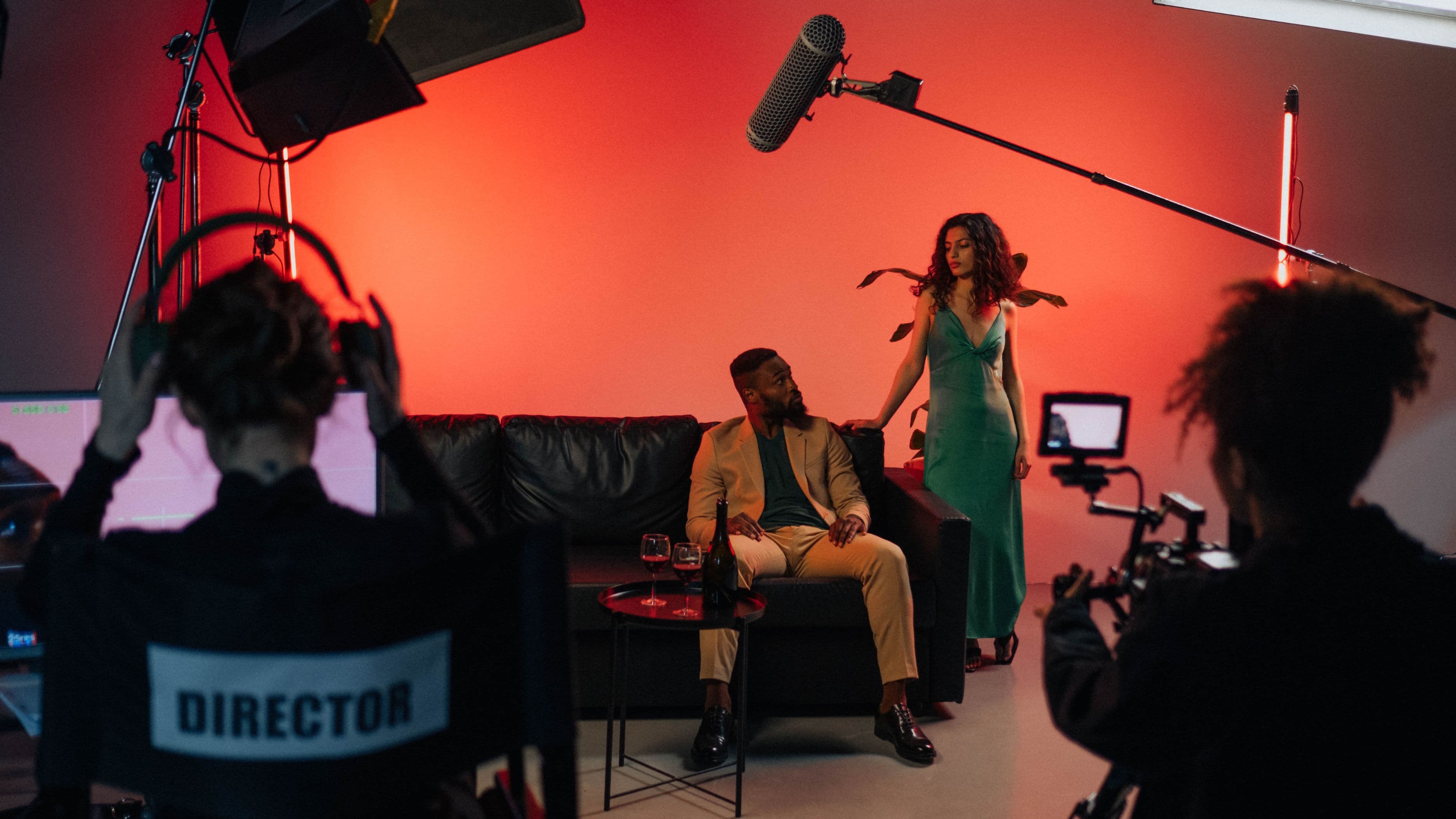
Reality TV sits in a strange middle ground. The people are real and the emotions often are too, but the final product is heavily shaped by producers and editors. Hundreds of hours of footage are cut down into tight episodes with clear heroes, villains, and cliffhangers. That process can turn ordinary moments into dramatic arcs.
Most viewers understand this on some level. What makes a storyline feel "too good to be true" is when the structure becomes so neat, so perfectly timed, that it starts to resemble scripted television.
The Moment That Pulled Back the Curtain
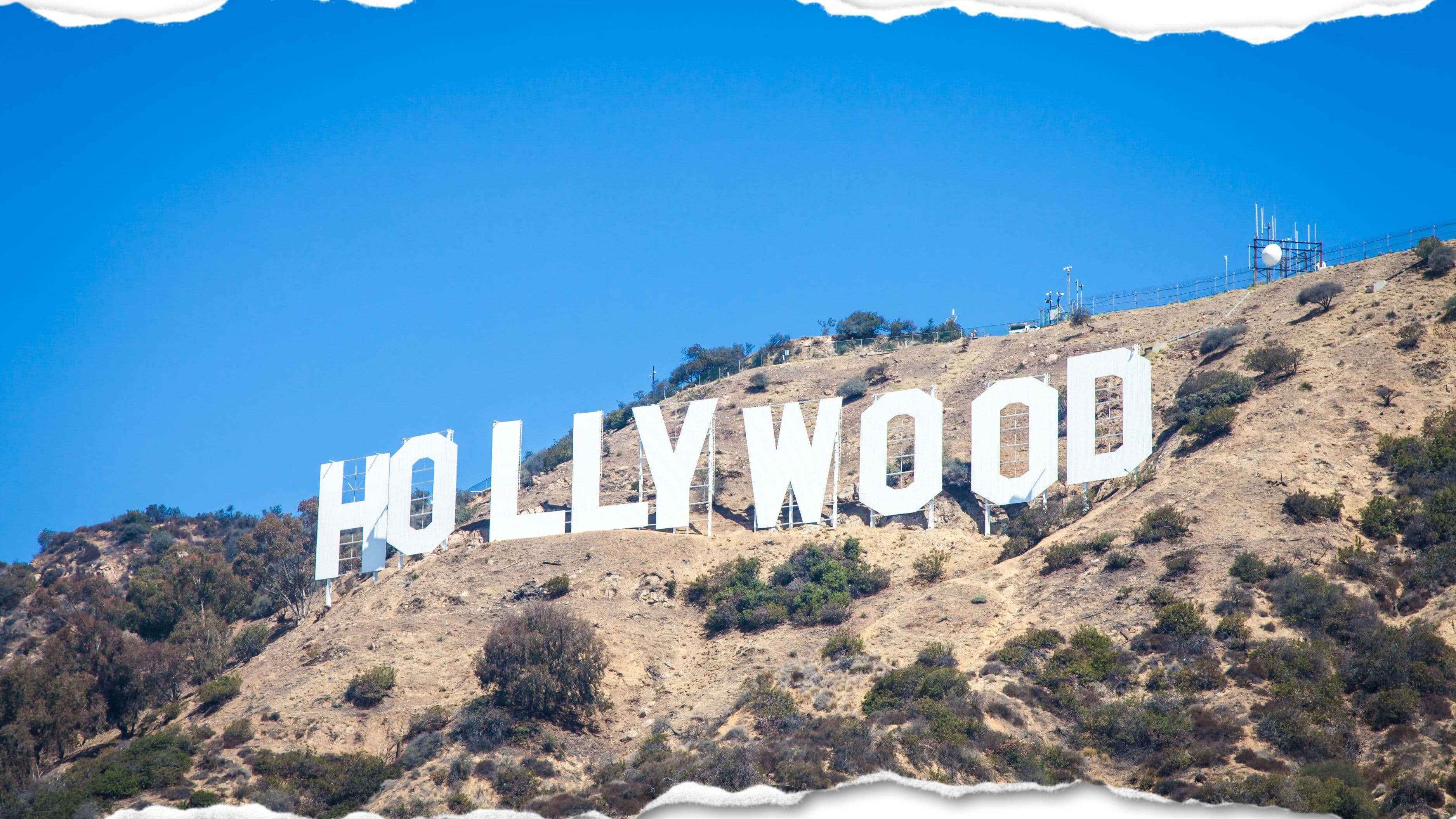
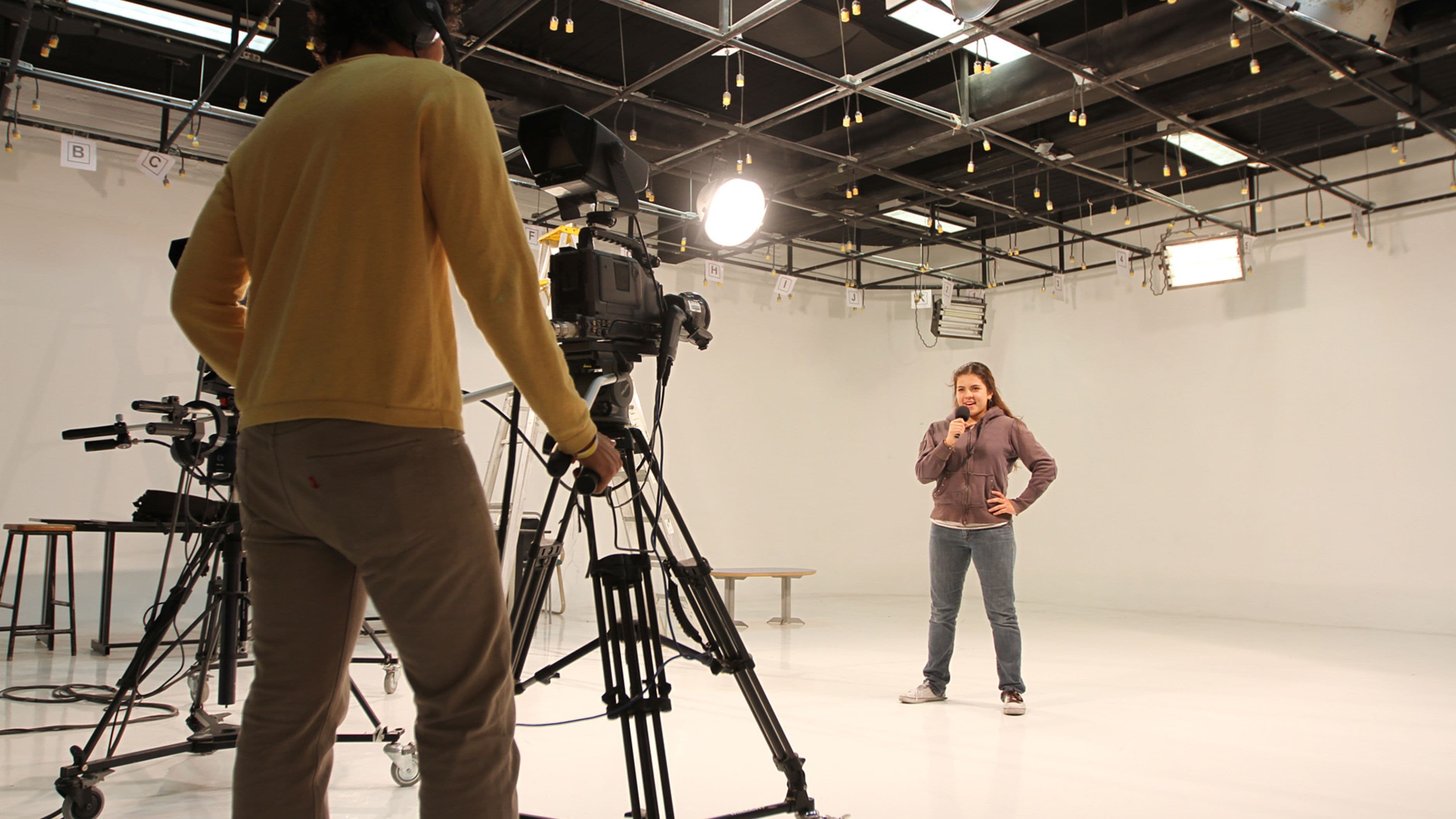
One of the most talked-about examples came at the end of MTV's The Hills in 2010. In the final scene, the camera pulled back to reveal that the Hollywood backdrop behind a goodbye moment was actually a studio set. It was a deliberate wink that confirmed what many fans had long suspected: at least some of what they'd been watching was staged.
That ending didn't ruin the show for fans. If anything, it became part of its legacy, and it sparked years of conversation about how much of reality TV is truly unscripted.
How Storylines Get Shaped
Producer-driven scenarios
Producers often set up situations designed to create tension, like putting rivals at the same dinner table or planning a trip where conflict is likely. The reactions may be genuine, but the setup isn't accidental.
Strategic editing
Editors decide which moments make the cut and in what order. A single eye roll can be placed after a completely different comment, changing its meaning. Music cues, reaction shots, and pacing all guide how you interpret a scene.
"Frankenbiting"
Frankenbiting is a term used in the TV industry for stitching together pieces of dialogue recorded at different times to create a sentence someone never said in one go. It's one reason a line can sound too perfect to be spontaneous.
Character edits
Cast members often talk about getting a "villain edit" or a "hero edit," where footage is selected to fit a particular role. Someone who seemed calm on set might look chaotic on screen if their dramatic moments are emphasized.
Signs a Storyline Might Be Too Good to Be True
The timing is suspiciously perfect. Major conflicts erupt right before a finale, reunion, or new season.
Conversations happen with cameras perfectly placed. If a "surprise" confrontation is captured from multiple flattering angles, it may have been planned.
Dialogue sounds rehearsed. Lines that explain the backstory clearly for viewers often come from producer prompting.
Cast members later dispute the edit. Many reality stars have said in interviews or on podcasts that their storylines were exaggerated, though these accounts should be viewed as individual perspectives.
Continuity slips. Changing outfits, hairstyles, or backgrounds within a single "conversation" can hint that scenes were filmed at different times.
Why Fans Care So Much
Reality TV invites a different kind of emotional investment than scripted shows. Viewers feel like they're getting to know real people, so when a storyline seems fake, it can feel like a betrayal. At the same time, many fans enjoy the drama precisely because it's heightened, and debating what's real is part of the fun.
Online communities have turned this into a sport. Fans analyze clips, compare social media posts with filming dates, and trade theories about what really happened behind the scenes. Sometimes they're right, and sometimes speculation spirals far beyond the facts.
The Real Stakes for Cast Members
Behind the entertainment, there are real people dealing with real consequences. Cast members can face intense online backlash based on edited portrayals, and some have spoken publicly about the pressure and mental health toll of being cast as a villain. It's a useful reminder to keep criticism focused on what's shown on screen rather than attacking people personally.
What It Means for the Industry
As audiences become more media-savvy, some shows lean into transparency, showing producers or acknowledging the format openly. Others double down on dramatic editing because it keeps ratings and social buzz high. Either way, the conversation about authenticity has become part of the reality TV experience itself.
How to Watch Smarter
The best way to enjoy reality TV is to treat it as entertainment built from real moments, not a documentary. Notice how editing shapes what you feel, take unverified gossip with a grain of salt, and look for official interviews or statements before believing viral claims about cast members.
The Takeaway
The reality TV storyline that seems too good, or too bad, to be true often has a simple explanation: it's been shaped by producers and editors to tell the most compelling story possible. From The Hills pulling back to reveal its set to the ongoing debates about villain edits and frankenbites, fans have learned to question what they see. That skepticism doesn't have to ruin the fun. It just makes you a sharper viewer.
📚 Sources
Encyclopaedia Britannica – "Reality television": https://www.britannica.com/art/reality-television
Encyclopaedia Britannica – "MTV": https://www.britannica.com/topic/MTV