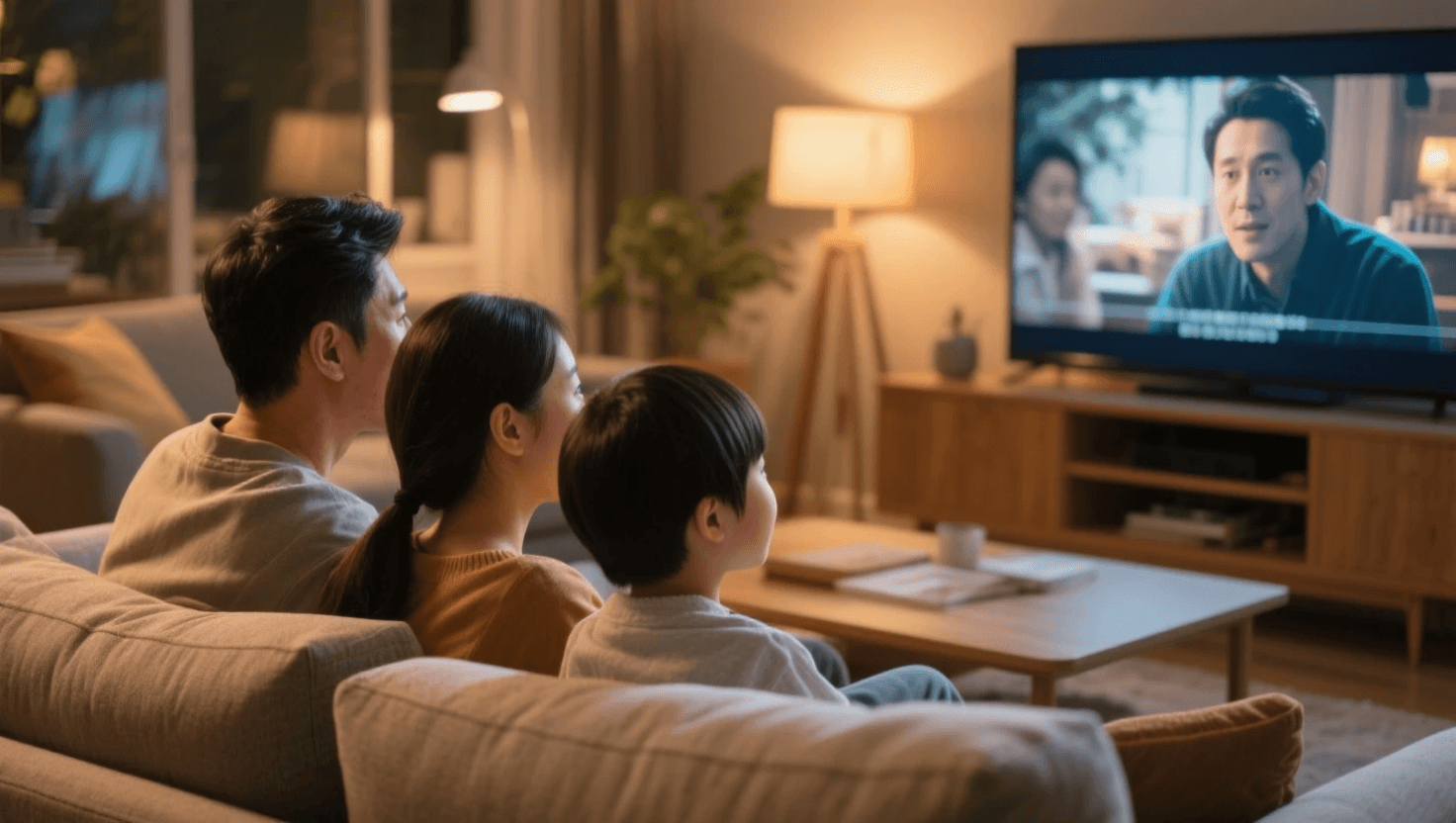
So what actually makes someone bail after episode one? And which shows have become known for exactly this kind of quiet mass abandonment? Let's get into it.
The One-Episode Drop Is More Common Than You Think
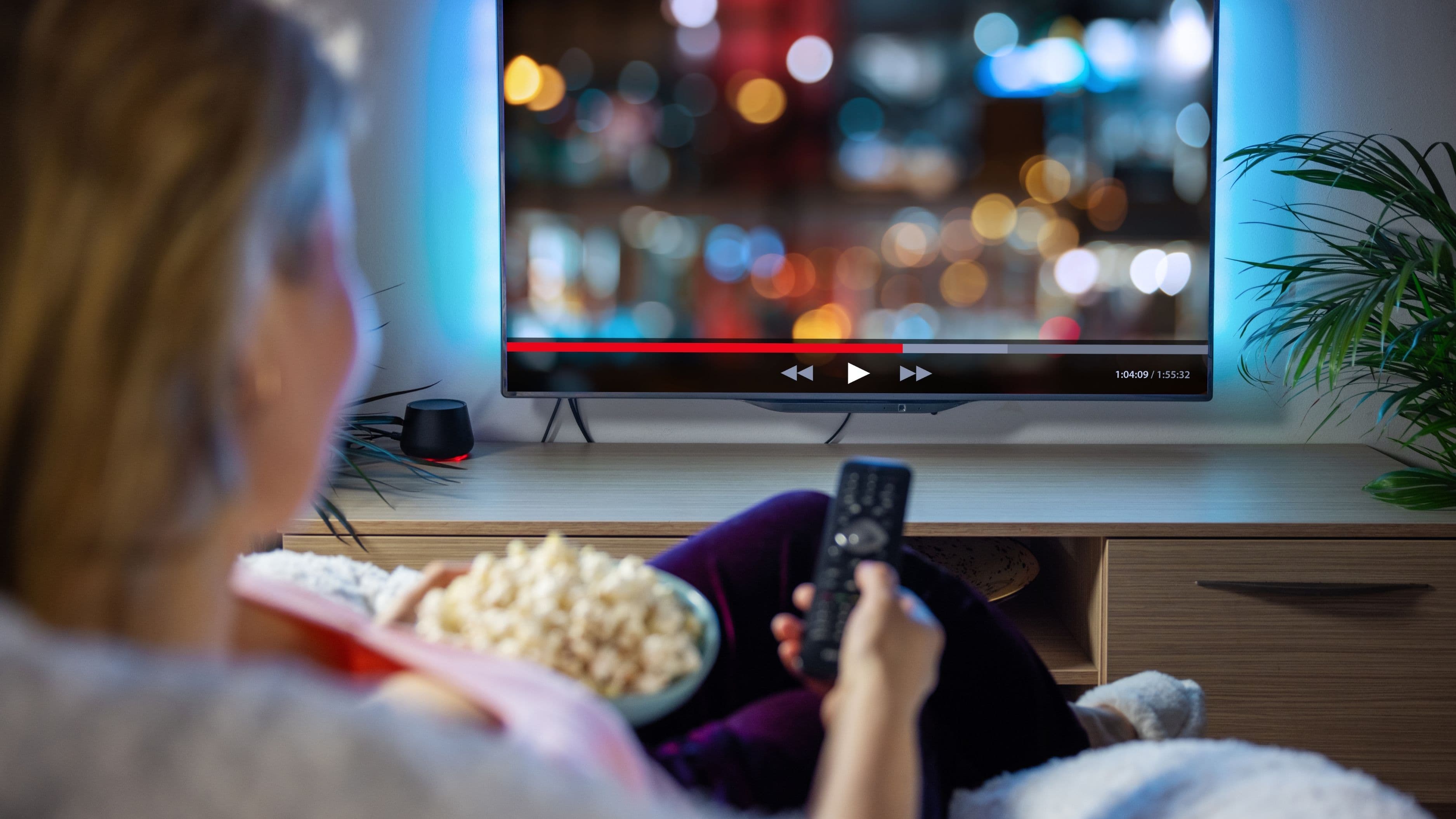
Streaming platforms know a lot about viewing behavior, but they're careful about what they share publicly. What leaks out through industry reporting and occasional data disclosures tells a consistent story: completion rates for many original series are shockingly low, and the biggest drop-off point is almost always between episode one and episode two. Not at the midpoint of a season. Not at episode five when a show starts to drag. Right there at the first transition.
Nielsen's streaming data and research from firms like Parrot Analytics have shown repeatedly that most people who start a streaming series never finish it, and a substantial portion don't make it past the premiere. The reasons vary – sometimes it's a pacing problem, sometimes it's a tone mismatch, sometimes it's that the show simply didn't deliver on what the marketing promised. But the pattern is consistent enough that streaming executives have a specific phrase for it internally: the "cold open cliff," the moment after episode one ends where viewers decide whether there's any reason to come back.
When the Premise Was Better Than the Show
One of the most reliable drivers of first-episode abandonment is the gap between concept and execution. A show can have a genuinely fascinating premise that makes it must-watch based on the trailer, and then deliver an opening episode that's so slow, so muddled, or so tonally inconsistent that people feel the air go out of it immediately.
This pattern showed up visibly with several high-concept streaming originals over the past few years. Shows built around intricate world-building often front-load their first episode with so much exposition that the actual drama gets buried. Viewers who tuned in wanting tension and story end up getting forty minutes of setup that answers every question except "why should I care about any of these people?" When a first episode feels more like a pilot for a show that might get good rather than the actual show, abandonment follows naturally.
The marketing-reality gap makes this worse. When a trailer is cut from the best thirty seconds of a season to make the show look propulsive and sharp, and the actual first episode is two paces slower than the highlight reel suggested, the disappointment is immediate and hard to recover from. Viewers who feel misled by a trailer are less patient with a slow build than viewers who knew what they were signing up for.
The "Too Dark, Too Fast" Problem
Another distinct category of first-episode abandonment involves shows that opened with extreme content – graphic violence, trauma, or disturbing material – without giving audiences enough emotional anchoring to process it alongside something they actually wanted to engage with. There's nothing inherently wrong with dark content in a premiere, but there's a meaningful difference between darkness that serves character and story and darkness that's deployed primarily to signal seriousness or grab attention.
Several high-profile streaming dramas in recent years leaned so heavily on brutal opening scenes that viewers who might have eventually become fans checked out before the show had a chance to earn their trust. When the first impression a show makes is "this is going to be relentlessly bleak," audiences who aren't specifically seeking that experience will take the exit. The shows that navigate this best tend to give viewers something – a relationship, a question, a moment of dark humor or unexpected warmth – that makes the darkness feel purposeful rather than gratuitous.
This is a well-documented enough phenomenon that some showrunners and network executives talk openly about it in press interviews. Opening your show with something that immediately alienates a portion of your potential audience is a real strategic miscalculation, even if the content is artistically justified within the context of the full season.
Pilot Problems: When the Show Finds Its Footing Too Late
Some shows are genuinely great by episode three or four but require real patience to get there. This is a structural problem that streaming has made both better and worse simultaneously. Binge-release models mean all episodes are available at once, which means dedicated viewers can push through a slow first episode knowing the payoff is immediately accessible. But the same model means there's no appointment viewing pressure, no reason to return next week out of habit – viewers have to actively choose to come back, which is a higher bar than showing up because it's Thursday night and the show is just on.
Shows that became known for difficult first episodes but genuine long-term quality represent a specific type of streaming abandonment that's worth separating from straightforward quality problems. When the issue isn't that the show is bad but that it starts slowly and requires investment before it delivers, the abandonment is more about the lack of patience that on-demand viewing creates. There's always something else available immediately. Asking an audience to trust that it gets better requires a kind of brand credibility that new shows simply haven't had time to build.
Critically praised shows have been unusually candid about this in the streaming era. There have been multiple cases where creators and stars publicly encouraged people who bounced after the first episode to give it another try – itself a telling indicator of how common and visible first-episode abandonment has become as a phenomenon.
The Unfair Advantage of the Second Season
One pattern that's emerged specifically in streaming is that some shows get significantly more viewers in their second season than their first – not because the show dramatically improved, but because the ambient conversation about the show built up between seasons to the point where people who skipped it initially felt like they were missing something. When a show becomes a cultural reference point through social media discussion, memes, and word of mouth, it creates a retroactive pull that convinces people to go back and start from episode one.
This means first-episode abandonment isn't always permanent. Some of the shows most associated with early drop-off have found second-life audiences who came in through the back door of cultural saturation and then became the show's most enthusiastic advocates. Streaming platforms know this, which is why they keep renewing shows with mediocre initial completion rates if the conversation around them is strong enough. Engagement that looks like abandonment in the short term sometimes converts to loyal viewership after the social consensus has crystallized.
Why the First Ten Minutes Matter More Than the Rest of the Episode
Streaming analytics have been consistent enough on this point that it's essentially industry consensus now: the decision about whether to continue watching is often made in the first ten minutes of a show, not at the end of episode one. Viewers who aren't hooked by the cold open and the initial setup are more likely to tab over to their phone, half-watch the rest of the episode, and never come back than they are to give the full forty-five minutes their full attention.
This has pushed showrunners toward opening episodes that front-load the most compelling material rather than building toward it – cold opens designed to create immediate questions, first scenes that establish tone and character with maximum efficiency, and structure that avoids the expository slow-build that used to be acceptable in network television. The first episode of a streaming show now has to do more storytelling work faster than television pilot conventions previously required, and the shows that don't make that adjustment are the ones generating the abandonment numbers.
The irony is that this has also produced a new kind of fatigue – the over-engineered pilot that's so calculated to be immediately gripping that it feels hollow. When every element is optimized for the first ten minutes and the rest of the season is operating in a lower gear, audiences often sense the gear shift and disengage even when they couldn't exactly articulate why.
What Actually Keeps People Watching
The shows with the highest completion rates in the streaming era share some consistent qualities that are worth noting. Strong character establishment in the first episode – not necessarily likeable characters, but characters who are specific and interesting enough that viewers want to know what happens to them – is the most reliable predictor of continued viewing. Shows where episode one ends with a genuine question you want answered have significantly better retention than shows where episode one ends with a situation resolved.
Tonal consistency matters enormously. When a show knows exactly what it is and what it's trying to do, that confidence transmits to viewers who can feel themselves orienting to the show's world. The shows people abandon most often tend to be ones where the first episode is trying to figure out what the show is even going for – comedy or drama, prestige or pulp, character study or plot machine.
And increasingly, the shows that hold audiences are the ones where the world-building feels rewarding rather than obligatory. When the details of a fictional world are interesting in themselves – not just scaffolding for the plot but genuinely fascinating elements of the setting, the rules, the history – audiences come back partly because they want to spend more time in that world, not just because they want to know what happens next.
FAQ
Do streaming platforms actually track when people stop watching? Yes, in significant detail. Platforms like Netflix, HBO Max, and Amazon track viewing behavior at the scene and even timestamp level, and use that data to inform decisions about renewals, marketing, and how future shows are structured. The specific data is proprietary and rarely published, but the industry reporting around it is extensive.
Has any show recovered from being widely abandoned after episode one? Yes, several. Shows that built strong critical and social media followings over time have brought back audiences who initially bounced. The key factor is usually whether the show maintains enough conversation that casual viewers feel compelled to try again. A vocal minority of enthusiastic fans can sustain a show's cultural presence long enough for re-engagement to happen.
Are first-episode problems usually fixed in later seasons? Sometimes. When a showrunner is aware of what caused early abandonment – a pacing issue, a tonal inconsistency, a misleading marketing frame – subsequent seasons can course-correct. Other times the first-episode problem reflects something more fundamental about the show's creative DNA that doesn't change. It varies significantly by show.
Why do some slow-burn shows succeed despite difficult first episodes? Usually because word-of-mouth from viewers who pushed through creates enough trust among second-wave audiences to give them the patience the early adopters had to find on their own. Social proof that the show gets better is a meaningful reassurance that changes viewing behavior.
Do shorter first episodes help with completion rates? Generally yes. Industry data consistently shows that episode length is correlated with drop-off rates, and streaming originals that run to 70+ minute episodes for a pilot ask more from new viewers than shorter entries do. The trend toward tighter, shorter episodes in prestige streaming is partly an aesthetic choice and partly a response to completion data.
📚 Sources
The Hollywood Reporter – Streaming Completion Rates and Viewing Behavior – https://www.hollywoodreporter.com/business/digital/streaming-completion-rates-1235292765/
Variety – Netflix Viewership Data and Audience Engagement – https://variety.com/2023/digital/news/netflix-viewership-data-hours-viewed-1235693786/
Parrot Analytics – Understanding Streaming Audience Demand – https://www.parrotanalytics.com/insights/
Nielsen – The Gauge: Monthly Streaming Snapshot – https://www.nielsen.com/insights/2024/the-gauge-february-2024/
Vulture – Why People Quit Shows After One Episode – https://www.vulture.com/article/why-do-people-quit-shows-streaming.html
IndieWire – The Streaming Pilot Problem – https://www.indiewire.com/features/general/streaming-pilot-problem-first-episode-abandonment-1234856432/
🔍 Explore Related Topics
Why streaming completion rates are so low