The trends shaping celebrity culture on TikTok right now are specific, recognizable, and spreading fast. Here's what's dominating everyone's feed – and why it keeps working.
The "Unfiltered" Celebrity Moment
The era of the perfectly curated celebrity social media post is fading fast, and TikTok is the main reason. What drives engagement in 2025–2026 isn't the polished, PR-approved content that still dominates Instagram. It's the opposite – the raw, unscripted, occasionally awkward moment that makes a megastar look like an actual human being.
The format is everywhere. A Grammy-winning artist films themselves crying in the car after a hard week. A Hollywood actor answers fan questions while eating takeout in a hotel room. A supermodel posts a makeup-free morning video that gets ten times the engagement of their editorial shoots. The comments fill up with variations of "this is why I love them" – and that reaction is the whole point.
This trend taps into something real about how audiences relate to fame right now. There's a widespread fatigue with aspirational, unreachable celebrity presentation, and TikTok's algorithm rewards content that generates emotional response over content that looks expensive. The celebrities who've figured this out – and there are many – are seeing deeper fan loyalty and stronger engagement numbers as a result.
The challenge is that "unfiltered" has become its own performance. Audiences are increasingly sophisticated about distinguishing genuine vulnerability from calculated relatability, and the celebrities who get called out for staging their "candid" moments tend to take a credibility hit that's hard to recover from. The trend rewards authenticity but punishes the imitation of it.
Celebrity Duets and Collaborations With Creators
One of the most interesting celebrity TikTok trends isn't celebrity-generated content at all – it's celebrities jumping into creator content through the duet and stitch features. A creator posts a cover of a song, and the original artist stitches it with a reaction. A fan does a dance challenge and the choreographer duets it. A comedian does an impression and the subject duets back in character.
These interactions generate enormous reach because they combine the celebrity's audience with the creator's audience in a single piece of content that both communities want to share. For the celebrity, it demonstrates self-awareness and a willingness to engage with fan culture rather than just broadcast to it. For the creator, it's a credibility moment that can reshape their career trajectory overnight.
The celebrities who do this best treat it as genuine engagement rather than a promotional stunt. When an artist randomly duets a fan's cover at 2am because they genuinely liked it, the spontaneity reads clearly and the response is proportional. When a PR team schedules a "spontaneous" celebrity reaction to a fan video as part of a promotional campaign, it usually reads that way too – and the audience notices.
This trend has also produced a genuinely new category of celebrity: the creator-turned-celebrity-collaborator whose TikTok presence opened doors to mainstream industry relationships. The lines between "creator" and "celebrity" are blurring in ways that are reshaping the entertainment industry more broadly.
The Celebrity "Get Ready With Me"
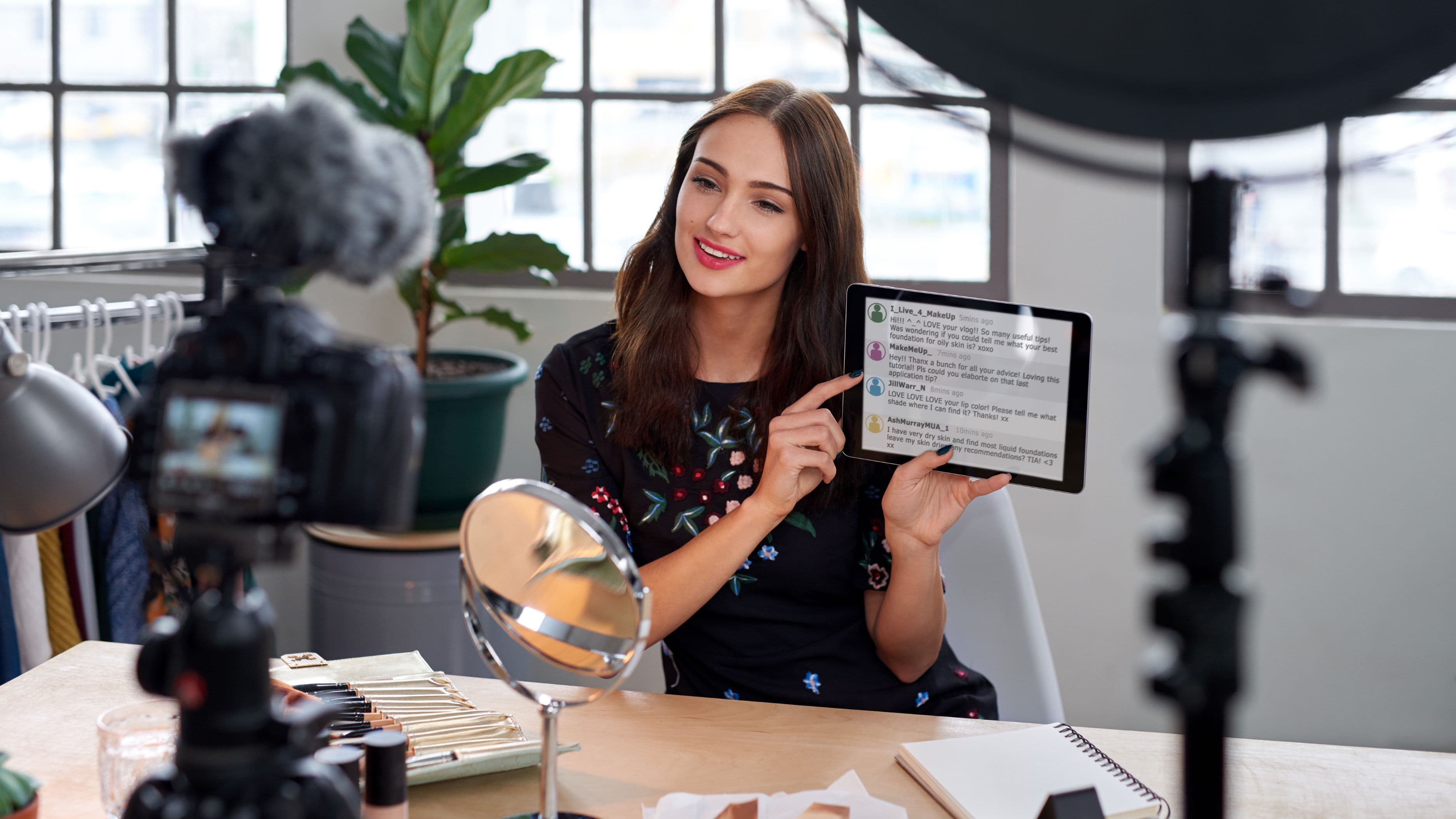
GRWM (Get Ready With Me) content has been a TikTok format for years, but its migration into A-list celebrity territory is relatively recent and shows no signs of slowing down. Celebrities filming themselves getting ready for events, awards shows, tours, and even just regular days have discovered that this format generates a specific type of engagement that other content doesn't.
Part of what makes celebrity GRWM content work is access. Watching a major artist get their hair and makeup done for a Met Gala appearance, or seeing an actor get into character on a film set, provides behind-the-scenes visibility that used to require a documentary deal. The format packages that access into a casual, digestible video that feels personal even when the production value is high.
The beauty and fashion industries have noticed. Celebrity GRWM content has become a primary vehicle for product placement and brand partnership, with the format's intimate feel making product mentions land more softly than traditional advertising. A celebrity mentioning a specific foundation while doing their makeup in a casual "this is literally what I use" context reaches audiences differently than a formatted ad. The FTC's disclosure requirements apply regardless of the format, but the conversational nature of GRWM content makes disclosures feel less intrusive than in other advertising contexts.
The most watched celebrity GRWM videos tend to be the ones where something genuine happens during filming – an honest reflection on fame, a funny wardrobe malfunction, an unplanned moment that shifts the tone. The format rewards spontaneity within structure, which is a balance the best celebrity creators have found.
Trend Participation – Celebrities Doing the Dances and Sounds
The democratizing logic of TikTok is most visible when celebrities participate in the same trends as everyone else. When a 30-year-industry-veteran actor does the same trending audio as millions of teenagers, something interesting happens culturally – the shared reference collapses the distance between fame and audience in a way that other media forms struggle to achieve.
Celebrity participation in trending sounds and dances functions differently depending on how it's done. Celebrities who lean in with genuine enthusiasm and a light touch tend to generate warmth and viral reach. Celebrities who participate stiffly or visibly against their inclination generate cringe content – which also goes viral, but for different reasons. Both outcomes are ultimately engagement, which is perhaps why PR teams rarely discourage their clients from trend participation even when the execution is questionable.
The trends that get the most celebrity participation tend to be the ones with the lowest barrier to entry – simple audio swaps, reaction formats, and text-on-screen confessions rather than technically demanding dances. The "put a finger down" format, "things I've never done" admissions, and reaction-to-old-photo trends all see heavy celebrity participation because the format is simple enough to execute without rehearsal and personal enough to feel genuine.
The more interesting celebrity trend participation happens when a star takes the format and does something unexpected with it – subverting the expected ending, adding a layer of self-awareness, or using the framework to reveal something they've been wanting to say. Those videos tend to outperform straightforward participation significantly.
Celebrity Drama Playing Out in Real Time
TikTok's comment sections and duet features have turned celebrity drama into a participatory sport, and the platform's algorithm is extremely good at surfacing conflict-adjacent content to engaged audiences. The result is a new pattern in celebrity news cycles: events that previously would have played out across weeks of tabloid coverage now unfold in hours through a combination of original posts, response videos, fan analysis, and creator commentary.
The Drake and Kendrick Lamar beef of 2024 was arguably the first major celebrity conflict to play out primarily on streaming and short-form video rather than through traditional media. The back-and-forth was documented, analyzed, and debated on TikTok in near real time, with creator commentary generating as much engagement as the primary content itself. The format that emerged – creators doing timestamped breakdowns of each development as it happened – has become a template for how celebrity drama is processed on the platform.
What's notable about this trend is how it has elevated a new class of commentary creators who specialize in celebrity and entertainment analysis. Accounts that built audiences explaining celebrity drama have in some cases become celebrity-adjacent themselves, with their reactions and commentary anticipated as part of the drama cycle rather than separate from it.
The speed of this cycle also changes the incentives for celebrities in disputes. The audience reward for a well-timed, well-crafted response drops significantly after 48 hours. This has produced a faster, more reactive celebrity public discourse – whether that's better or worse for everyone involved is a legitimate question that different people answer differently.
The Comeback Arc
TikTok has become the primary venue for celebrity rehabilitation, and the comeback arc has become one of its most recognizable narrative formats. A celebrity who has been out of the public conversation for years – whether from a career slow period, a public controversy, or simply a change in cultural attention – releases a TikTok that goes viral, and suddenly they're everywhere again.
The format that's worked best for comebacks is typically one that shows self-awareness about the absence. A celebrity who acknowledges they've been gone, makes a joke about it, or references something from their earlier era in a way that demonstrates they understand their own cultural position tends to land better than one who simply reappears as if no time has passed. The audience's response to genuine self-awareness is consistent and forgiving.
Several celebrities who were considered largely irrelevant by mainstream media have rebuilt genuine cultural presence through consistent, personality-driven TikTok content that reminded audiences what they liked about them in the first place. The platform's recommendation algorithm helps – you don't need to already follow someone to see their content, which means a single viral video can reintroduce a celebrity to an audience that had simply moved on rather than actively turned against them.
The comeback arc also works for celebrities introducing themselves to a younger audience that didn't grow up with their earlier work. A legacy artist who makes TikTok content that's genuinely engaging to Gen Z viewers can cross demographic lines that are very difficult to cross through traditional media – the algorithm serves content based on what people actually watch, not what fits existing category assumptions.
FAQ
Why do celebrities invest so much effort in TikTok specifically? TikTok's algorithm surfaces content based on engagement rather than follower count, which means a single piece of content can reach millions of people who don't follow the account that posted it. For celebrities managing their own cultural presence, this represents a reach mechanism that other platforms don't provide at the same scale. A well-performing TikTok video can generate more genuine new audience engagement than a billboard campaign.
Are celebrity TikTok accounts actually run by the celebrities themselves? It varies considerably. Some celebrities manage their own accounts entirely and the casual, unpolished feel reflects that. Others work with social media teams who produce content in the celebrity's voice. The most effective celebrity TikTok presences – regardless of how the content is produced – have a consistent personality that feels authentic to the celebrity's actual public persona. Audiences are reasonably good at detecting when the voice behind an account doesn't match the person.
Do celebrity TikTok trends affect their careers in measurable ways? Yes, significantly. Catalog streaming numbers for older artists regularly spike after TikTok virality. Actors who build genuine TikTok followings have measurable advantages in project announcements and casting conversations. The platform has demonstrated enough career impact that talent agencies, management companies, and studios now treat TikTok strategy as a core part of celebrity career management rather than an optional extra.
What happens to celebrities who avoid TikTok entirely? Celebrities who choose not to participate directly on TikTok still appear on the platform through fan content, news coverage, and creator commentary. The question is whether they have a voice in how that presence is shaped. Stars who opt out entirely cede that shaping to others – fans, critics, and commentators who may or may not represent them accurately. Many celebrities who initially avoided TikTok have joined specifically to have some control over their presence on a platform where they were already being discussed.
The shift TikTok has created in celebrity culture isn't really about any single trend. It's about the underlying change in what audiences want from famous people – more access, more personality, more evidence of actual humanity. The trends that keep performing well are the ones that deliver those things in genuinely engaging formats. The celebrities who've figured that out are building relationships with audiences that look different from traditional fandom, and in many cases, more durable.
📚 Sources
TikTok Creator Economy and Celebrity Engagement – TikTok Newsroom: https://newsroom.tiktok.com/en-us/tiktok-creator-economy
FTC Endorsement Guidelines for Social Media – Federal Trade Commission: https://www.ftc.gov/business-guidance/resources/ftc-endorsement-guides-what-people-are-asking
How TikTok's Algorithm Works – Hootsuite: https://blog.hootsuite.com/tiktok-algorithm
Drake vs Kendrick Lamar Beef Timeline – Rolling Stone: https://www.rollingstone.com/music/music-features
Celebrity Social Media Strategy and Career Impact – Variety: https://variety.com/v/digital
TikTok and Music Streaming Impact – Billboard: https://www.billboard.com/pro/tiktok-music-streaming-impact-data