Why Old Footage Is More Accessible Than Ever
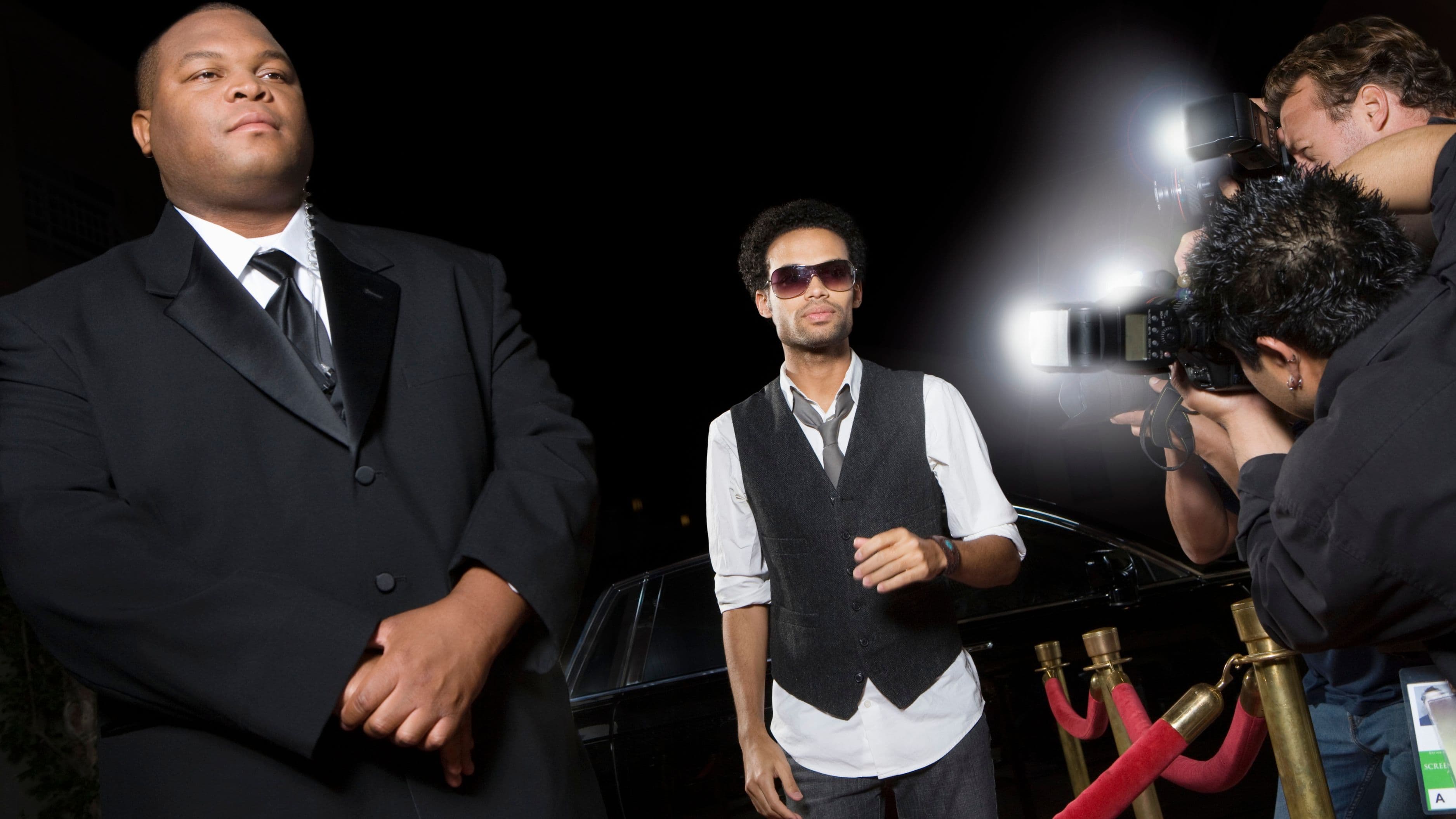
Unlike older platforms that buried content behind time-based feeds, TikTok's recommendation algorithm surfaces content based on engagement patterns rather than recency. This means a ten-year-old clip has just as much theoretical chance of appearing on someone's For You page as something posted an hour ago, provided it's getting engagement. Combine that with how easy it's become to clip, re-upload, and caption old footage from YouTube archives, old talk show appearances, or paparazzi footage, and you get a constant supply of old material re-entering circulation with fresh context attached by whoever reposts it.
This is fundamentally different from how virality worked on earlier platforms, where a post's relevance faded quickly once it scrolled past the top of a chronological feed. On TikTok, a clip's "age" in terms of when it was originally filmed is almost irrelevant to whether it can go viral today.
The Role of Recontextualization
A clip resurfacing rarely happens in a vacuum – it's usually paired with new context that makes it newly relevant or newly controversial. A comment that seemed unremarkable a decade ago can read very differently against today's cultural conversation, and it's this recontextualization, more than the original clip itself, that usually drives the viral spread. Someone captions an old clip with a modern framing – "did anyone else notice this at the time?" – and that framing does as much work in shaping the story as the footage itself.
This is part of why old clips often generate more intense reactions than they did originally: audiences aren't just reacting to the clip in isolation, they're reacting to the gap between how it was received at the time and how it reads now.
Why Sound and Remix Culture Accelerate the Spread
TikTok's audio-driven remix culture plays a specific role in accelerating how these old clips spread. Once a clip's audio gets pulled and used as a trending sound, it becomes attached to hundreds or thousands of other videos referencing, reacting to, or parodying the original moment, which massively multiplies its reach beyond the original repost. A single old interview clip can spawn a wave of reaction videos, duets, and stitches, each surfacing the original context to a new audience that may never have seen the source material otherwise.
This compounding effect is a big part of why a resurfaced clip can go from a niche repost to a dominant topic of conversation within a day or two – the remix mechanics turn a single piece of old footage into an entire ecosystem of related content, each version reintroducing the original to people who missed the first wave.
Why This Cycle Keeps Repeating
The underlying conditions that make this possible – a massive archive of easily clippable old footage, an algorithm indifferent to a clip's original posting date, and a remix culture that multiplies reach through sound and stitching – aren't going anywhere. That means the pattern of decade-old clips resurfacing as fresh controversy or fresh appreciation is likely to remain a recurring feature of internet culture rather than a passing trend tied to any one platform era.
For public figures, this creates an ongoing and somewhat unpredictable exposure: something said or done years ago, largely forgotten, can resurface and become newly significant based entirely on how today's audience chooses to reinterpret it, independent of any new action on the person's part.
📚 Sources
Pew Research Center – "How Americans Get News on Social Media" – https://www.pewresearch.org/journalism/
TikTok Newsroom – "How TikTok recommends content" – https://newsroom.tiktok.com/