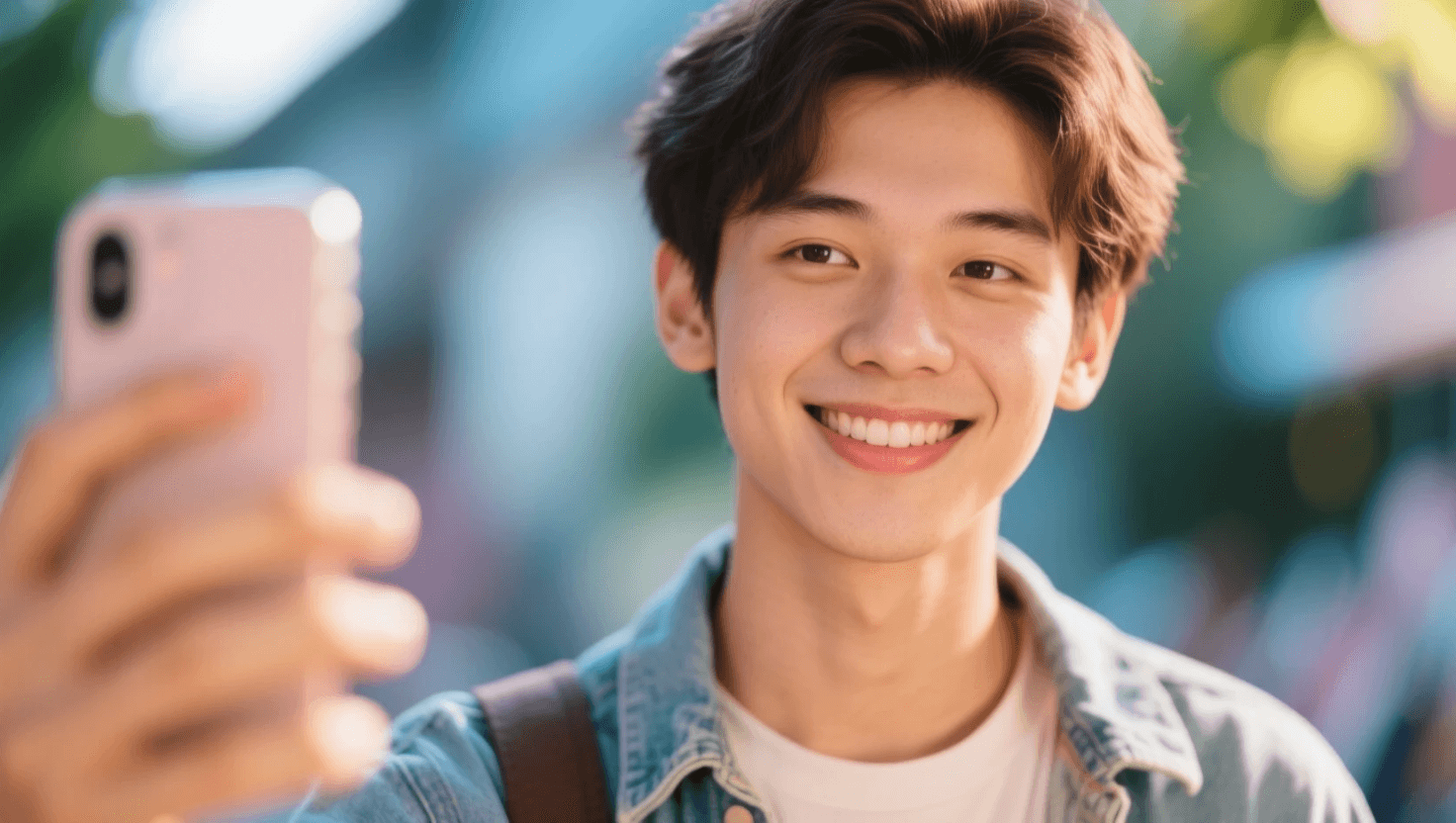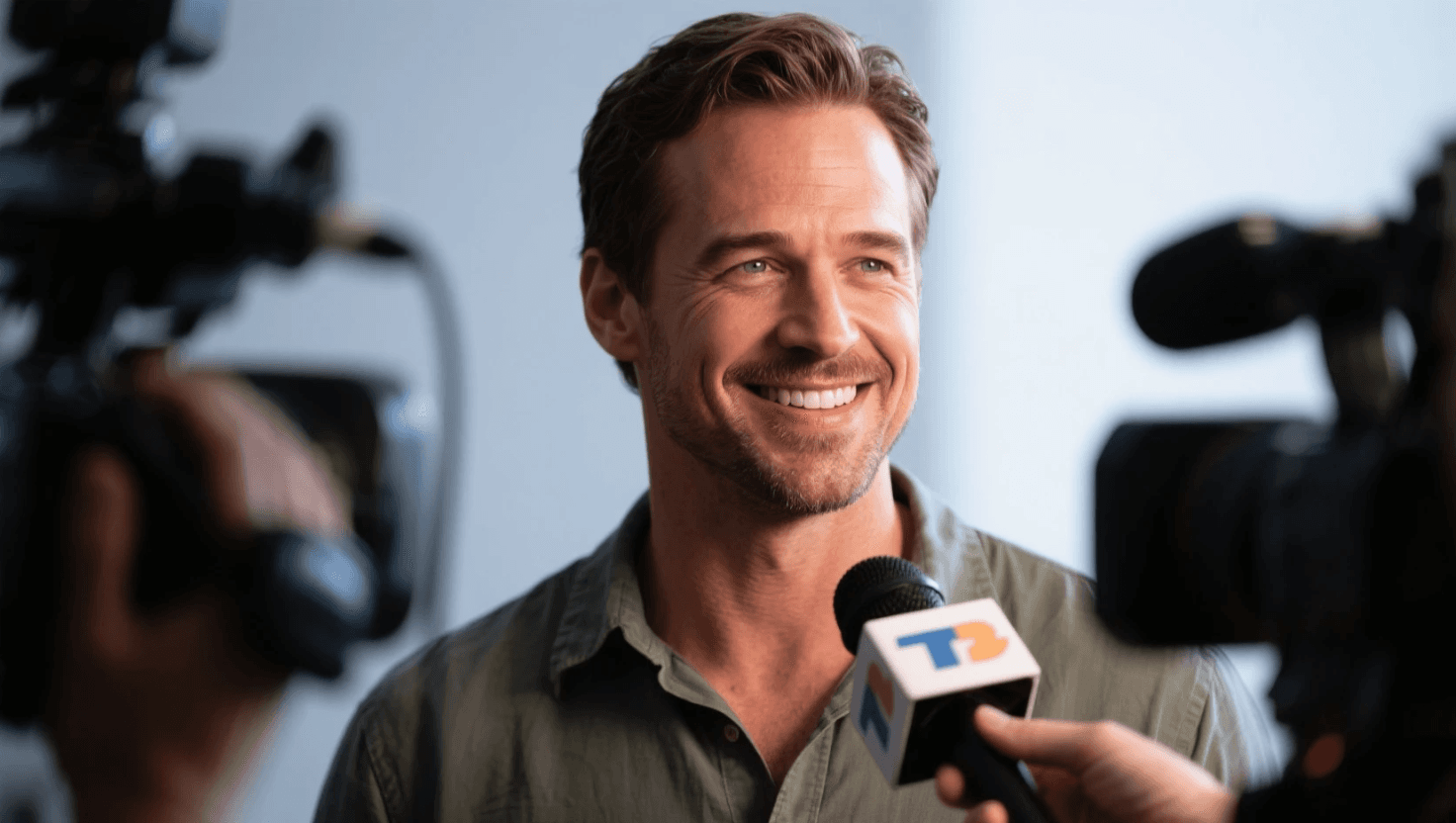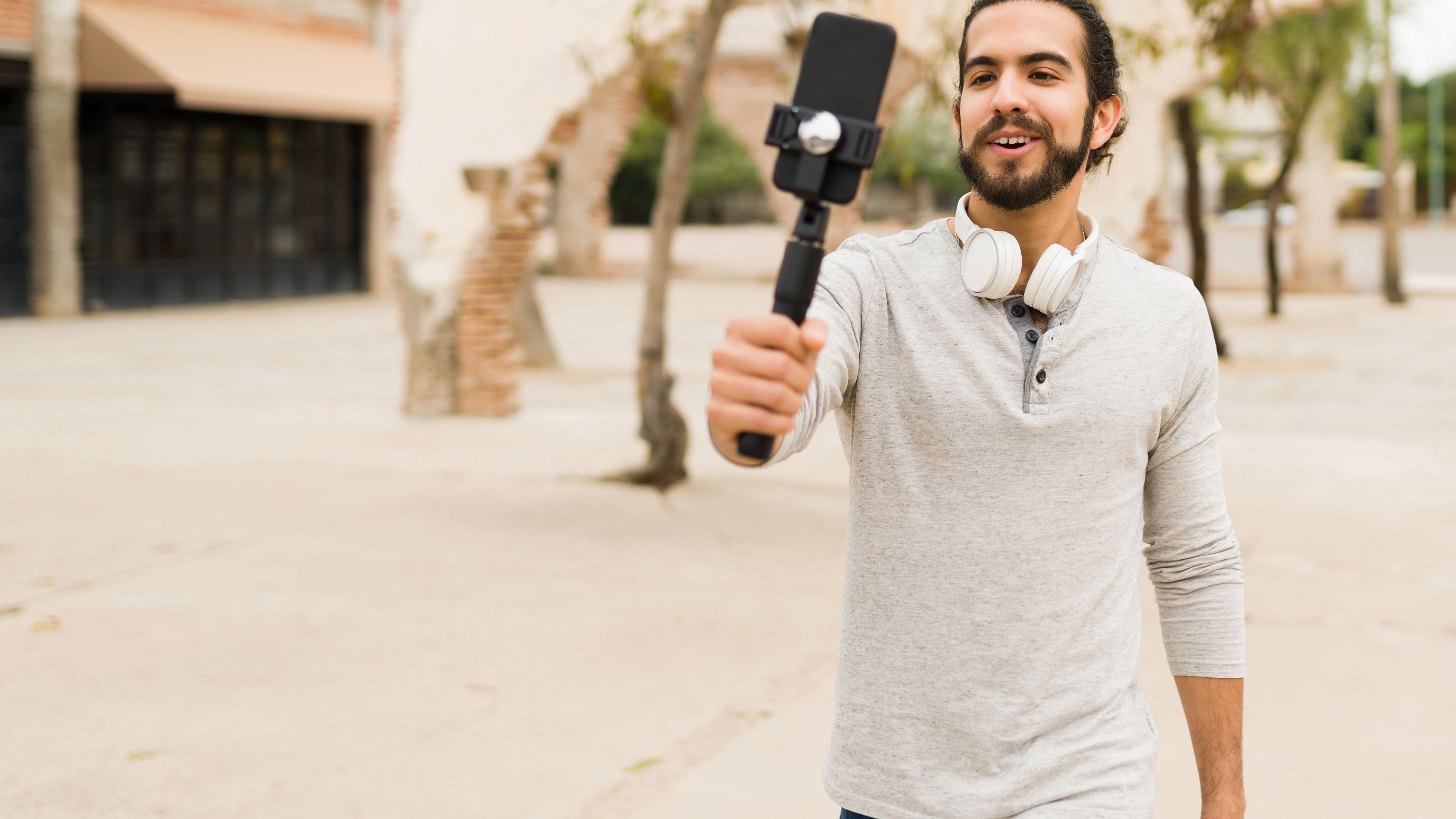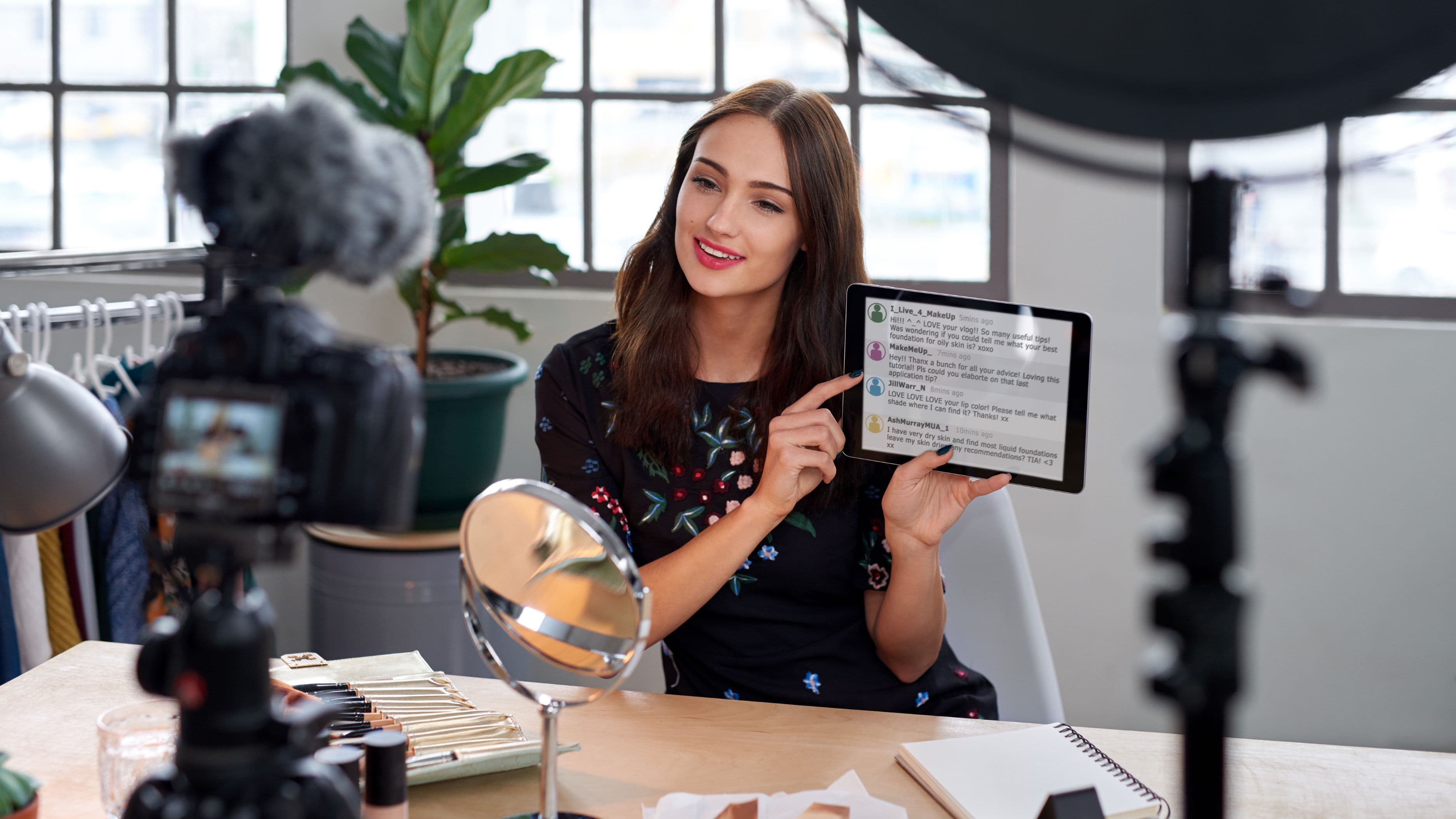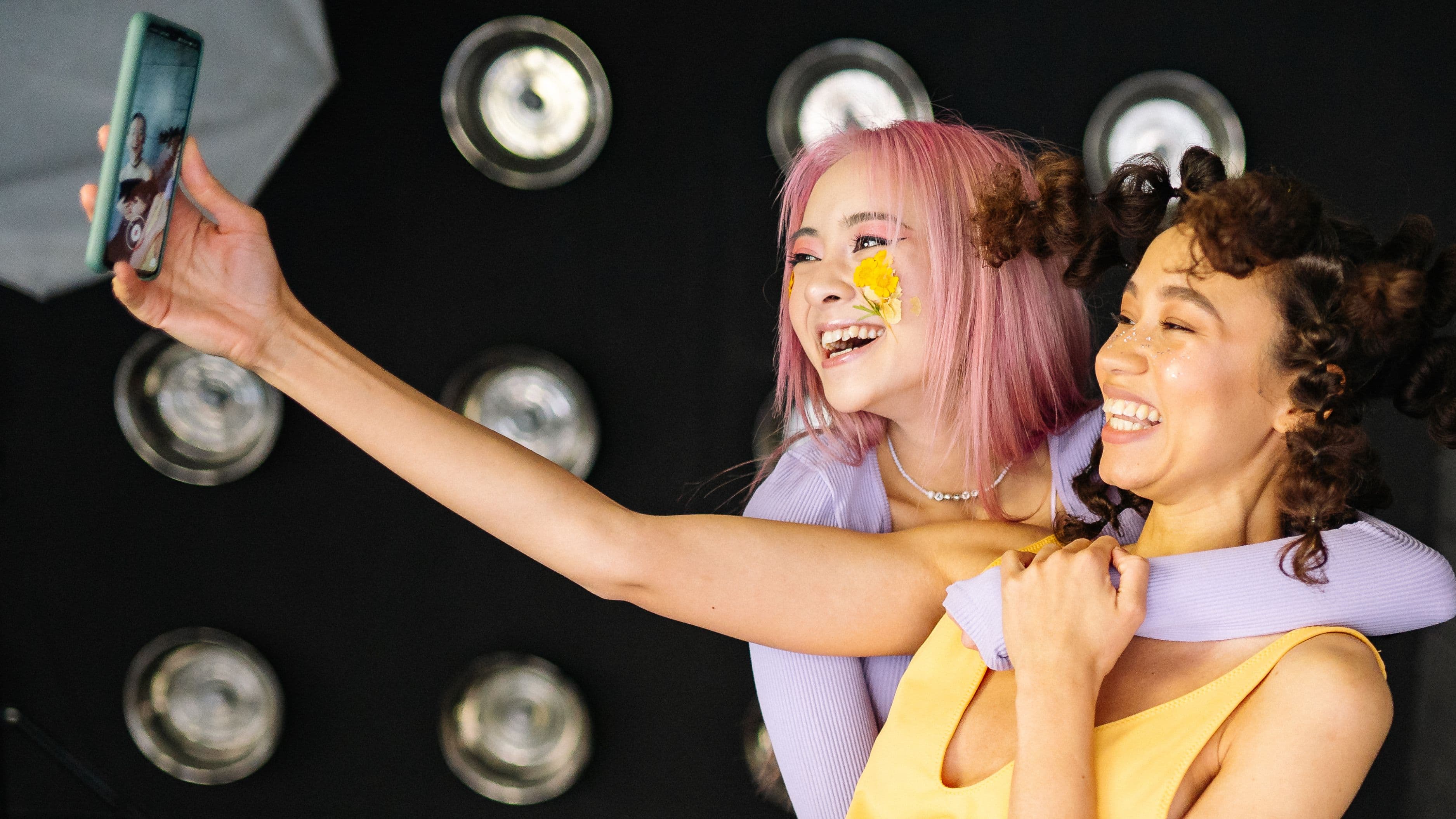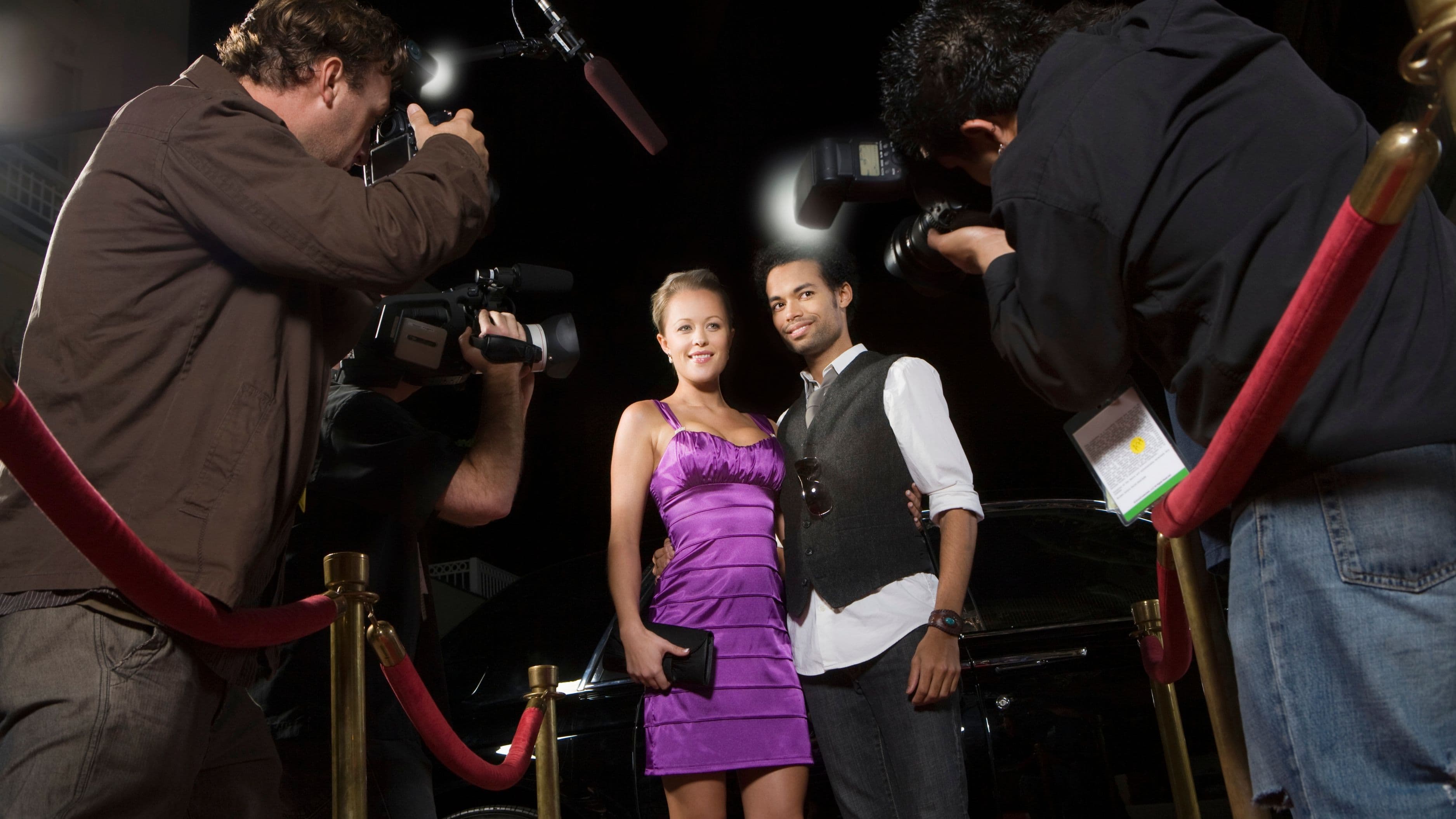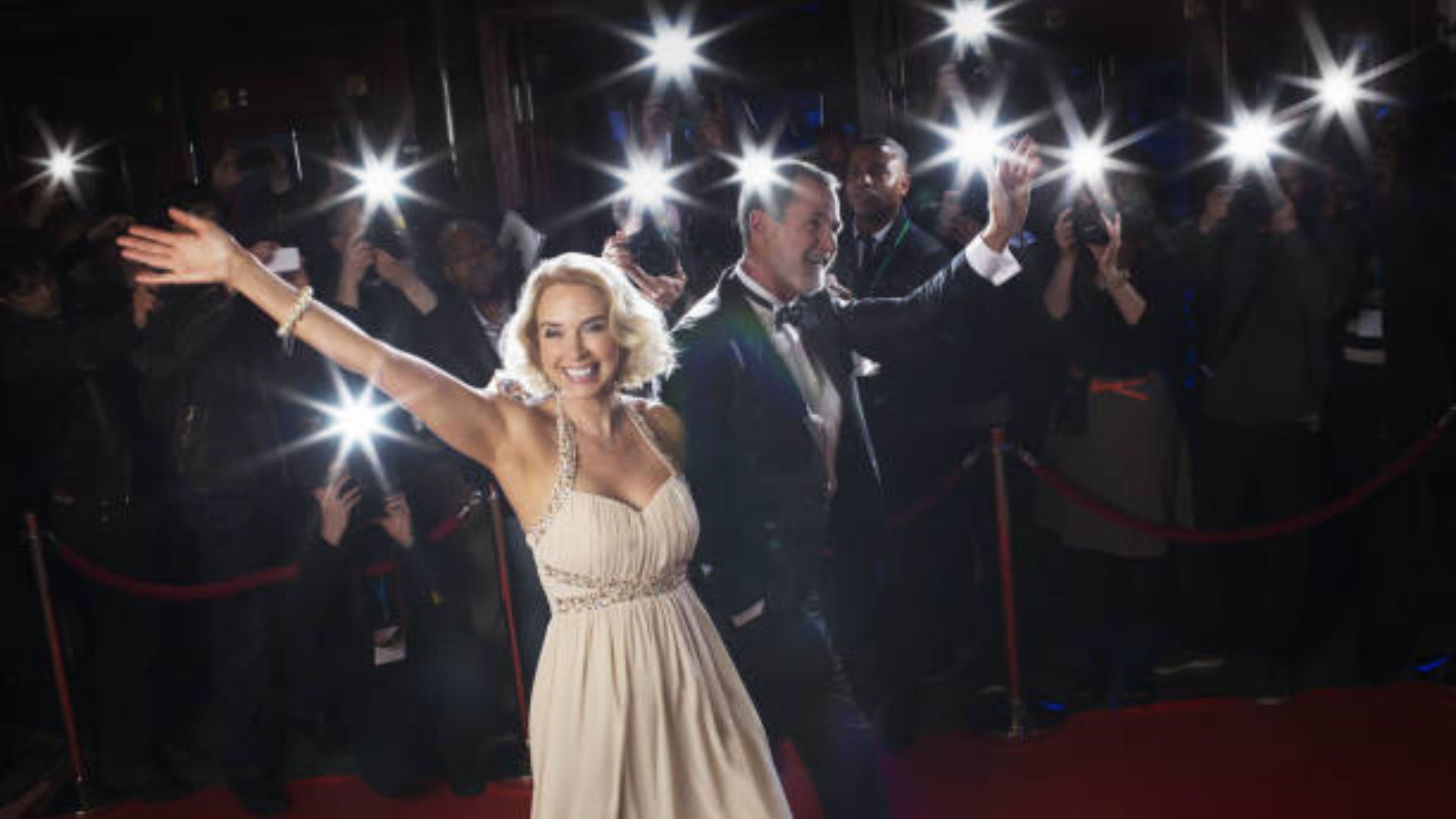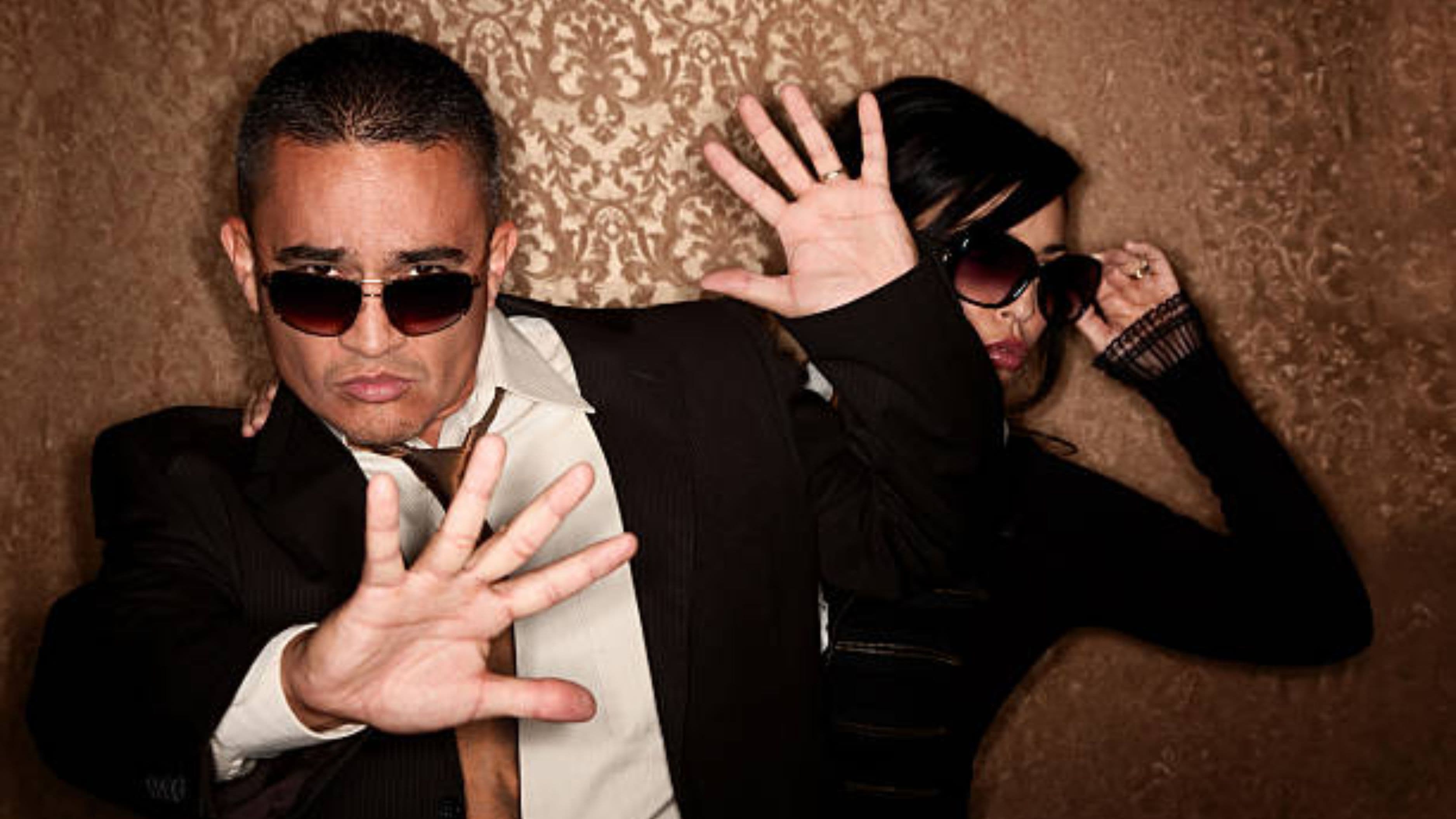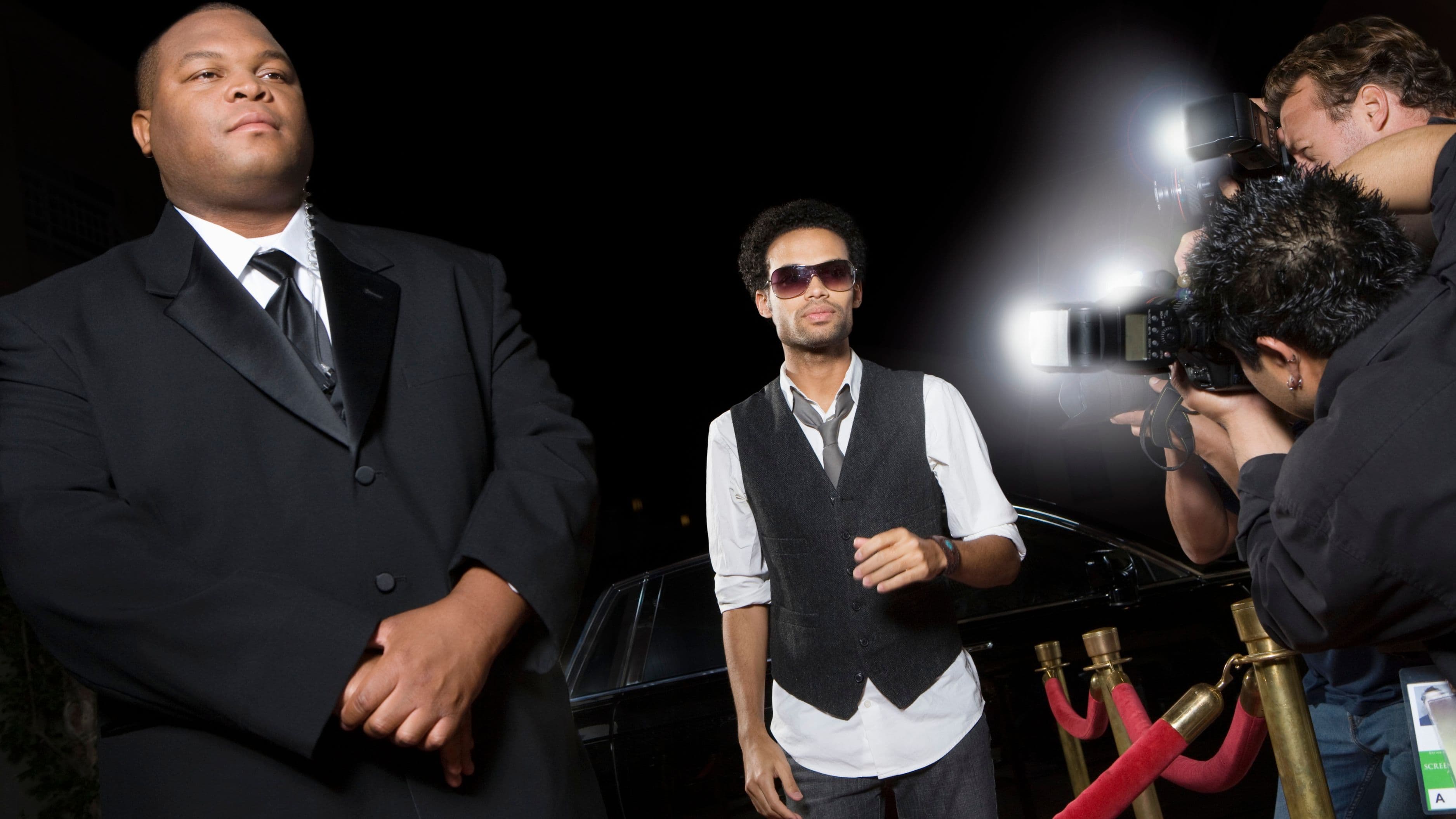
For years, Instagram was simply where celebrities lived online, curated grids, polished red carpet photo dumps, the occasional staged "candid." TikTok changed that calculus considerably, and the two platforms now serve genuinely different purposes in a celebrity's overall media strategy, rather than one simply replacing the other.
Instagram Still Wins for Brand and Aesthetic Control
Instagram remains the platform where celebrities maintain the most curated, polished version of their public image. The grid format, combined with Stories for more casual, ephemeral content, gives celebrities a way to carefully manage exactly what permanent, searchable content represents their brand, useful for maintaining partnerships with fashion and beauty brands, announcing projects with polished promotional material, and generally controlling the more "official" version of their public persona.
This matters specifically for celebrities whose income and brand deals depend heavily on maintaining a specific, marketable aesthetic, fashion, beauty, and lifestyle-adjacent public figures in particular tend to lean more heavily into Instagram's strengths as a controlled, visually polished platform.
TikTok Wins for Genuine Relatability and Virality
TikTok's format and algorithm reward something Instagram's more curated culture historically discouraged: looking unpolished, being genuinely funny or self-deprecating, and participating in trends and formats that don't center around looking flawless. Celebrities who've found real success on TikTok specifically tend to be the ones willing to poke fun at themselves, participate in trending sounds and formats, and show a more unguarded, spontaneous side than their Instagram presence typically allows.
This has created a genuinely different kind of celebrity-fan relationship, one that feels more peer-like and less like observing a carefully managed brand, which resonates strongly with younger audiences who've grown increasingly skeptical of obviously staged, overly polished celebrity content.
Why Some Celebrities Struggle to Translate Between the Two
Not every celebrity successfully adapts their existing public persona to TikTok's specific format and culture. Public figures whose brand is built heavily around aspiration, luxury, and polish sometimes struggle to translate that same persona into TikTok's more casual, self-deprecating format without it feeling forced or inauthentic to the platform's actual culture, since TikTok users tend to respond negatively to content that reads as an obvious, poorly executed attempt to seem "relatable" without genuine investment in the platform's specific tone.
This has led some celebrities to maintain a genuinely different public voice across the two platforms rather than simply cross-posting identical content, recognizing that success on TikTok specifically requires understanding and participating in its particular culture rather than treating it as just another distribution channel for the same Instagram-style content.
The Business Impact of Platform Choice
Brand partnerships and sponsorship deals increasingly reflect this platform divide, with beauty and fashion brands often still prioritizing Instagram for polished campaign content, while brands targeting younger demographics or wanting a more organic, less overtly promotional feel increasingly seek out TikTok-specific partnerships built around the platform's native content style rather than repurposed Instagram-style advertising.
This has created genuine incentive for celebrities to build authentic competence on both platforms rather than treating one as clearly more valuable, since each serves distinctly different audience expectations and partnership opportunities.
What This Means for How Fans Experience Celebrity Culture
The net effect of this platform divide is that fans following a specific celebrity across both platforms often get a genuinely more complete, multidimensional picture than they would have gotten from a single-platform celebrity presence in the pre-TikTok era. The polished Instagram version and the looser, more spontaneous TikTok version aren't necessarily contradictory, they represent different facets of a public figure's persona that platform culture and format specifically encourage or discourage.
FAQ
Do celebrities generally prefer one platform over the other? It varies considerably by individual celebrity and their specific brand and audience; there's no universal preference, since the platforms serve genuinely different strategic purposes.
Is it harder for older, more established celebrities to succeed on TikTok? Not inherently due to age, but it does require a genuine willingness to adapt to TikTok's specific culture and format, which not every established celebrity brand translates naturally into.
Are brand deals more lucrative on one platform versus the other? This depends heavily on the specific brand's target audience and campaign goals; both platforms attract substantial sponsorship interest, just often for different types of campaigns and target
demographics.
📚 Sources
Pew Research Center – Social Media Use and Platform Demographics: https://www.pewresearch.org/topic/internet-technology/social-media/
Variety – Celebrity Social Media Strategy Coverage: https://variety.com/