It's one of the most reliable cycles in modern pop culture. And whether you're firmly on a side or completely baffled by the whole thing, it's worth understanding why these clips hit the way they do – and what they actually reveal about how we relate to celebrities in 2026.
Why These Clips Go Viral So Fast
A lot of content goes viral, but celebrity behavior clips have a specific formula. They tend to capture something that looks real in a world of heavily managed public images. Most celebrity content is produced, filtered, and strategically released. A candid clip – especially one that looks like it was never meant to be seen – feels like you're getting an unguarded glimpse of who this person actually is. That's irresistible.
There's also the argument element. Content that provokes disagreement spreads faster than content that gets universal agreement, and celebrity behavior clips are almost designed to divide. One person watching sees entitlement. Another sees a star protecting their privacy under relentless public pressure. Neither interpretation is entirely wrong, which keeps the conversation going far longer than a simple news story would. Social media algorithms amplify things that generate comments and engagement, and few topics generate more heated comments than whether a specific famous person was behaving badly.
The parasocial dimension matters too. Millions of people feel a personal connection to major celebrities – they've followed their work, their social media, their interviews, and their personal milestones for years. When something feels off about that person's behavior, it lands differently than if it were a stranger. It feels like a betrayal of something, even if you've never been in the same room as them.
The Behavior That Gets People Talking
Not all celebrity clips go viral equally. The ones that generate the most sustained argument tend to involve a specific type of situation: a moment where the line between a celebrity's right to privacy and their relationship with the public feels genuinely contested.
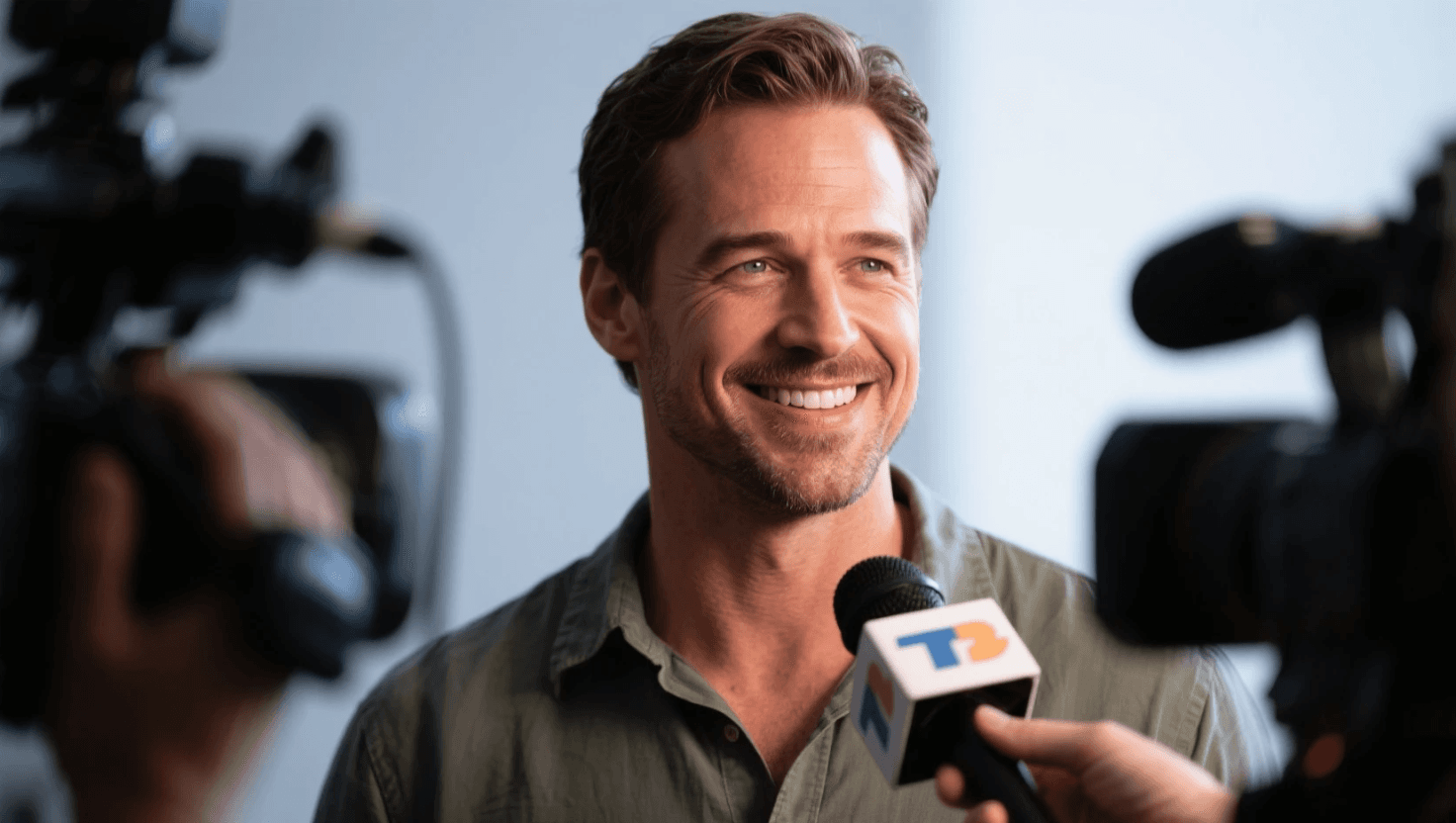
A star brushing past a fan's request for a photo doesn't spread as far as a star who visibly snaps at someone or makes a cutting remark on camera. An awkward interview moment gets more traction than a polished one going slightly wrong. The clips that really catch fire are usually ones where reasonable people could genuinely see the behavior two different ways – not the obvious cases of someone being blatantly awful, but the messy middle ground where context is unclear and interpretation fills the gap.
That ambiguity is the engine. If everyone immediately agreed on what happened and what it meant, the clip would peak and fade quickly. When the clip is genuinely debatable – and most of the ones that blow up are – it stays in circulation as new people discover it and form their own opinions.
The Two Sides, Explained
There's a pattern to how the debate plays out once one of these clips takes off, and it's worth naming directly.
The "they were wrong" camp tends to focus on the power differential between celebrities and the public. The argument goes: you've built your career and your wealth on public attention. You've benefited enormously from the fans who show up, stream your work, and keep you relevant. Being visibly dismissive or unkind in a public moment – even a brief, unguarded one – is a betrayal of the implicit social contract that comes with fame. Celebrities chose public life. That comes with obligations.
The "leave them alone" camp pushes back on what they see as an impossible standard. The argument here is that celebrities are human beings entitled to bad days, private moments, and boundaries – and that the expectation that every celebrity must be perfectly gracious in every single public interaction is both unrealistic and unfair. The fact that someone is famous doesn't make every moment of their life public property. The person filming and posting the clip is often just as much the story as the celebrity's reaction to being filmed.
Both of these positions have merit, which is exactly why these arguments don't resolve neatly and why they keep repeating with each new clip.
What It Reveals About Celebrity Culture Right Now
The frequency and intensity of these viral behavior moments says something real about where celebrity culture is in 2026. The relationship between famous people and the public has always involved tension, but social media has compressed and amplified it in ways that have no real historical precedent.
Every celebrity is now expected to maintain a constant, accessible, apparently authentic digital presence – a stream of posts, stories, and updates that makes fans feel close. That proximity creates an expectation of access that simply didn't exist in the same way before. When a celebrity who seems available and relatable online appears cold or guarded in a real-world interaction, the gap between the persona and the person feels jarring. The clip captures that gap and broadcasts it instantly.
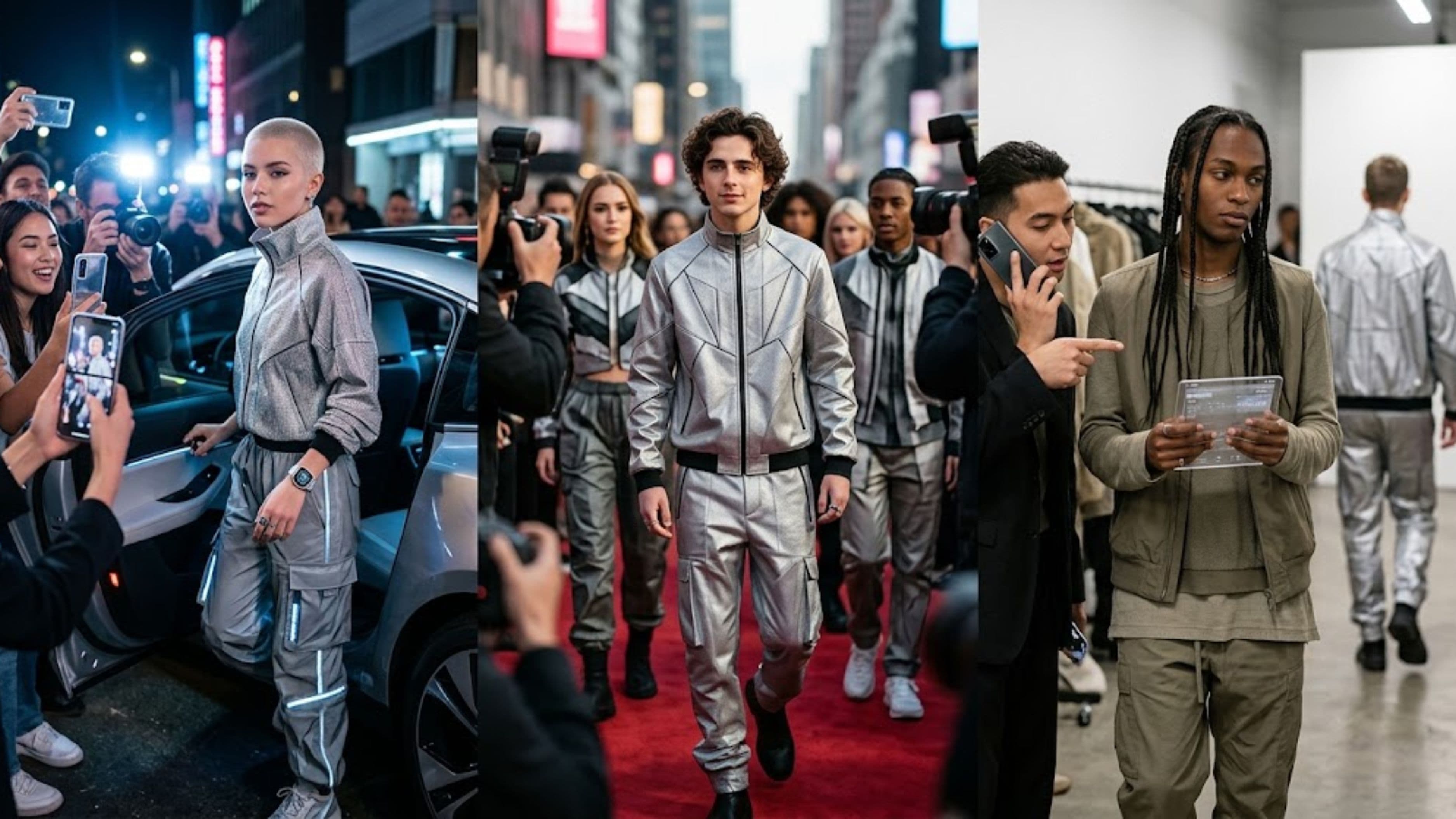
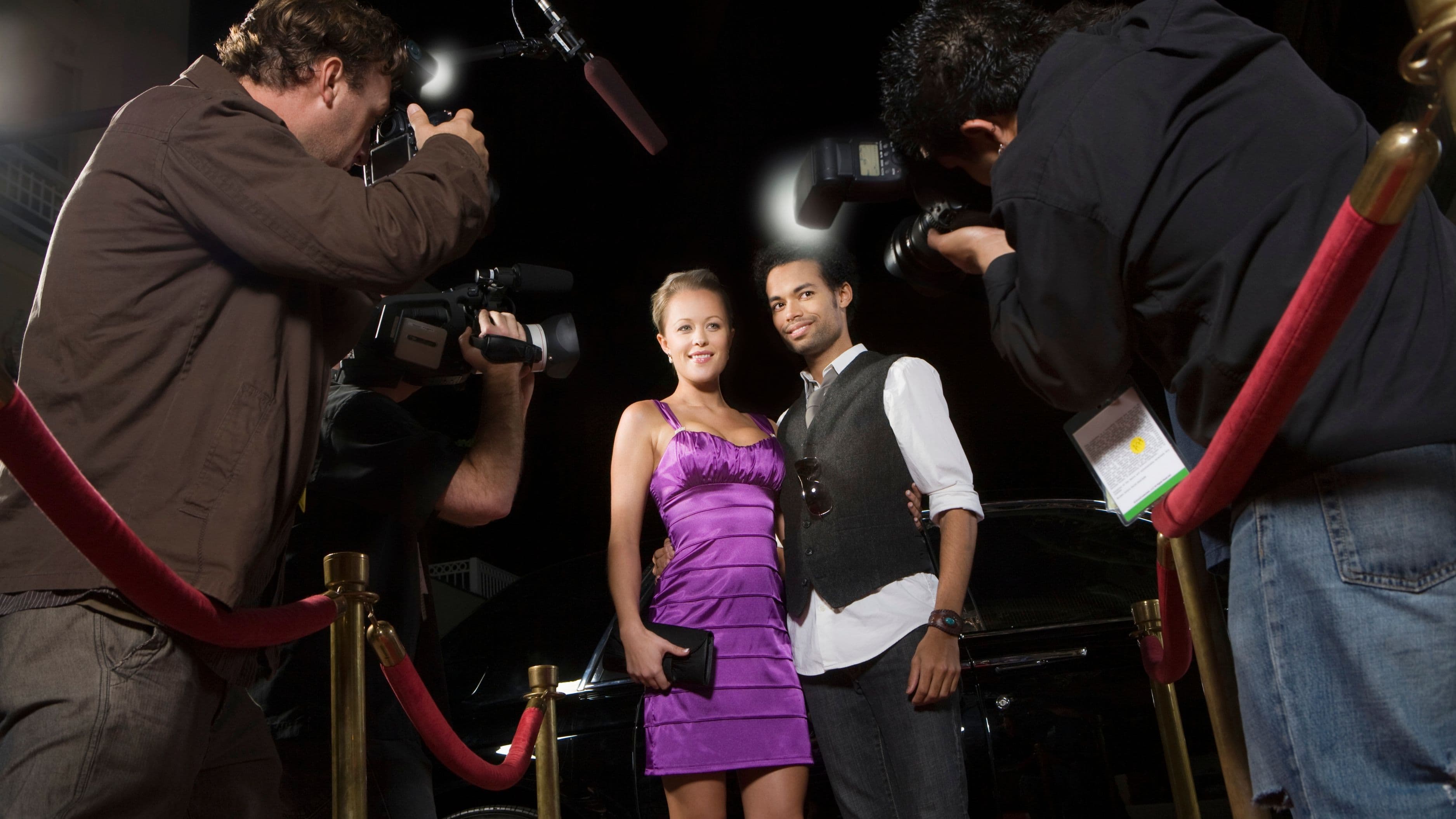
There's also the fact that anyone can be a distributor now. Historically, a candid moment that caught a star in an unflattering light might have made it into a tabloid if a paparazzi was there. Today, every person at a restaurant, airport, or event is potentially recording. Celebrities are under more observation than at any previous point in history, in more informal and unguarded contexts than traditional media ever captured. The number of potentially viral moments has multiplied dramatically, which means these cycles happen more often.
Why Fans Care So Much
It would be easy to dismiss the passion around these arguments as frivolous, but that undersells what's actually happening. For a lot of people, the way a celebrity behaves in an unscripted moment tells them something they want to know: is this person I've been rooting for and spending money on actually a decent human being when nobody's managing the PR?
That question matters in a culture where celebrities have become more than entertainers. They're role models, style influencers, political voices, and sometimes genuinely important cultural figures. When someone occupies that much space in public life, it's reasonable to have opinions about their character – not just their craft. The debates around these clips, however messy, are really debates about what we expect from people who hold that level of public influence.
The other element is community. Arguing about a celebrity clip is a form of collective sense-making. You see what other people think, you discover your own position, and you find out which of your friends see the world the same way you do. It's pop culture as social bonding, which is why the conversations feel so charged and why they're not going anywhere.
The Takeaway
These clips keep going viral because they touch something genuine: the complicated, evolving contract between celebrities and the people who follow them. There's no clean resolution to the tension between a public figure's right to a private human moment and the public's sense that access and accountability come with the territory of fame. That unresolved tension is exactly what keeps these arguments alive for days and what makes the next clip, when it comes, just as compelling as the last one.
The debate probably won't change the celebrity's behavior. It won't change how fans feel. But for the window it's open, it gives everyone a chance to say what they actually think about fame, power, and what we owe each other – which turns out to be a conversation a lot of people really want to have.
📚 Sources
The Atlantic – The Problem With Celebrity Parasocial Relationships: https://www.theatlantic.com/health/archive/2019/04/parasocial-relationships-celebrities/587258/
Pew Research Center – Social Media and the News 2023: https://www.pewresearch.org/journalism/2023/09/27/how-americans-get-news-on-tiktok-instagram-youtube-and-snapchat/
Harvard Business Review – Why We Can't Stop Talking About Celebrity Behavior: https://hbr.org/2022/09/the-psychology-of-celebrity-worship
Vox – The Parasocial Relationships That Define Modern Fame: https://www.vox.com/culture/22385181/parasocial-relationships-celebrities-twitch-youtube
The Guardian – How Social Media Changed the Way We Judge Celebrities: https://www.theguardian.com/culture/2021/oct/15/social-media-celebrity-culture-accountability