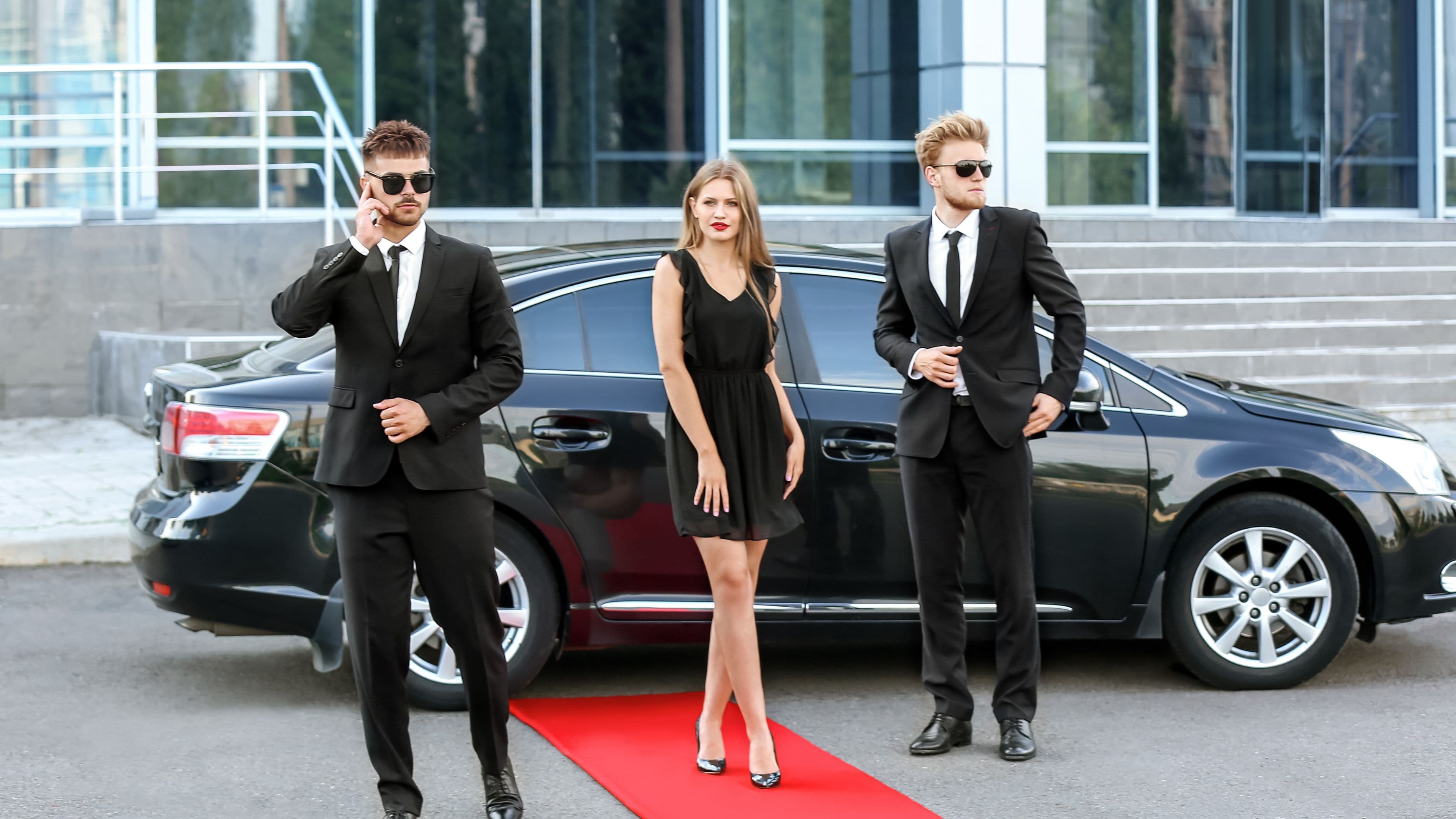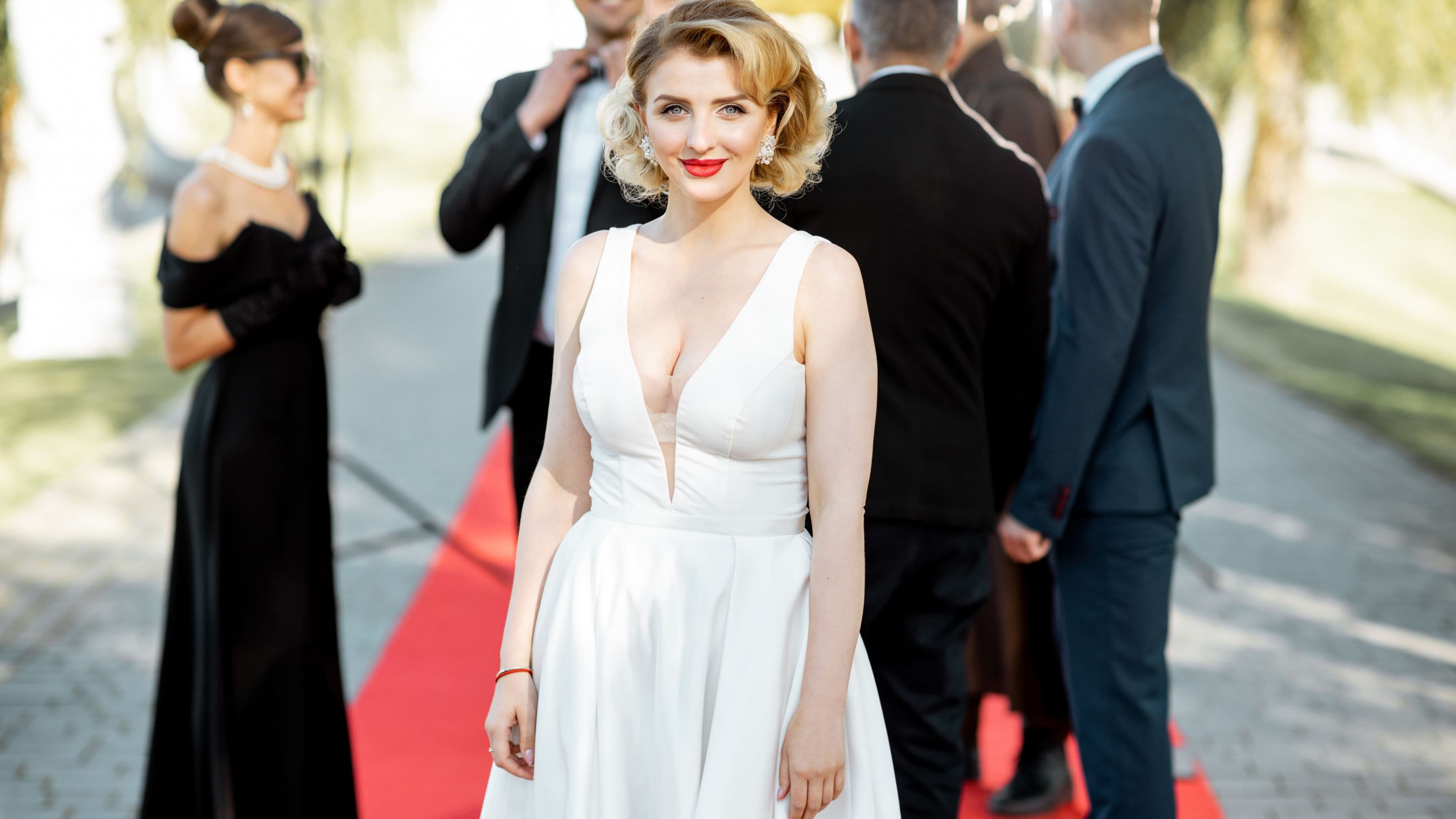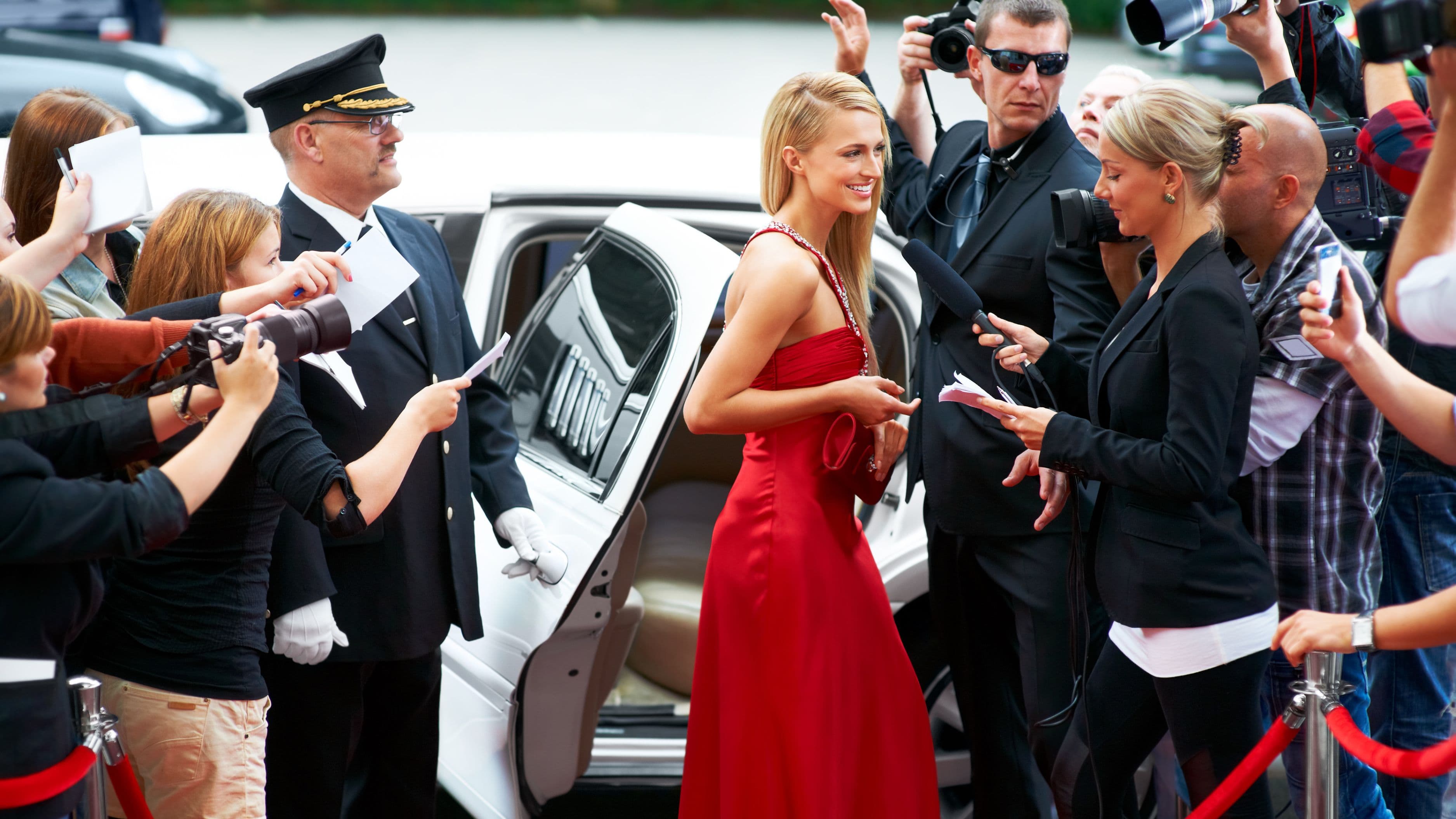
It's not always about the dress being the most beautiful one on the carpet. In fact, some of the most talked-about red carpet moments in recent memory weren't conventionally beautiful at all. The formula for a viral red carpet moment is more specific – and more interesting – than simply "look great in an expensive gown."
It Has to Say Something
The looks that travel furthest are the ones that communicate something beyond "I am wearing a nice outfit." A red carpet look becomes a cultural moment when it carries a message – about identity, about defiance, about humor, about power, or about a specific cultural context that resonates with a large audience.
Björk's swan dress at the 2001 Oscars is the example that comes up most often, and for good reason. It wasn't a mistake or a style miss – it was a fully coherent artistic statement from an artist whose entire identity was built on surrealism and provocation. The dress made sense for Björk in a way it would have made no sense for anyone else, and that specificity is part of what made it unforgettable. The look said something true about who she was.
Political and cultural statements have produced some of the most widely discussed red carpet moments in recent years. The Time's Up black dress coordinated action at the 2018 Golden Globes turned an entire red carpet into a unified statement rather than a collection of individual fashion choices. The power of that moment was in the collective – individual looks that might have been notable became part of something that read as a movement. Any look that connects to something people already care about beyond fashion has a much higher ceiling for cultural reach.
Surprise Is the Engine
Fashion familiarity is the enemy of virality. When a celebrity wears exactly what everyone expected them to wear, styled exactly the way their team has styled them before, with the designer everyone already knew they'd be wearing – it might look wonderful, but it doesn't spread. There's nothing for people to react to.
The looks that take over the internet almost always contain at least one element of genuine surprise. That surprise can come from the designer choice – an A-list celebrity choosing an emerging or unexpected designer over the established houses they normally work with. It can come from the silhouette or construction – something genuinely unusual in how the garment is built or how it moves. It can come from the styling context – wearing something that challenges expectations about what that specific person should look like on a red carpet.
Rihanna's 2015 Met Gala look – the Guo Pei yellow fur-trimmed gown that became its own meme and spawned a generation of "pizza rolls" jokes – is the textbook example of surprise working in a very specific way. The look was maximalist in a way that felt genuinely unexpected at a Gala that had trended toward sleek and minimalist. The reaction was polarized, which meant everyone had an opinion, which meant everyone was talking about it. Polarization is not a bug in the viral formula – it's often a feature.
The Photographer Moment Matters
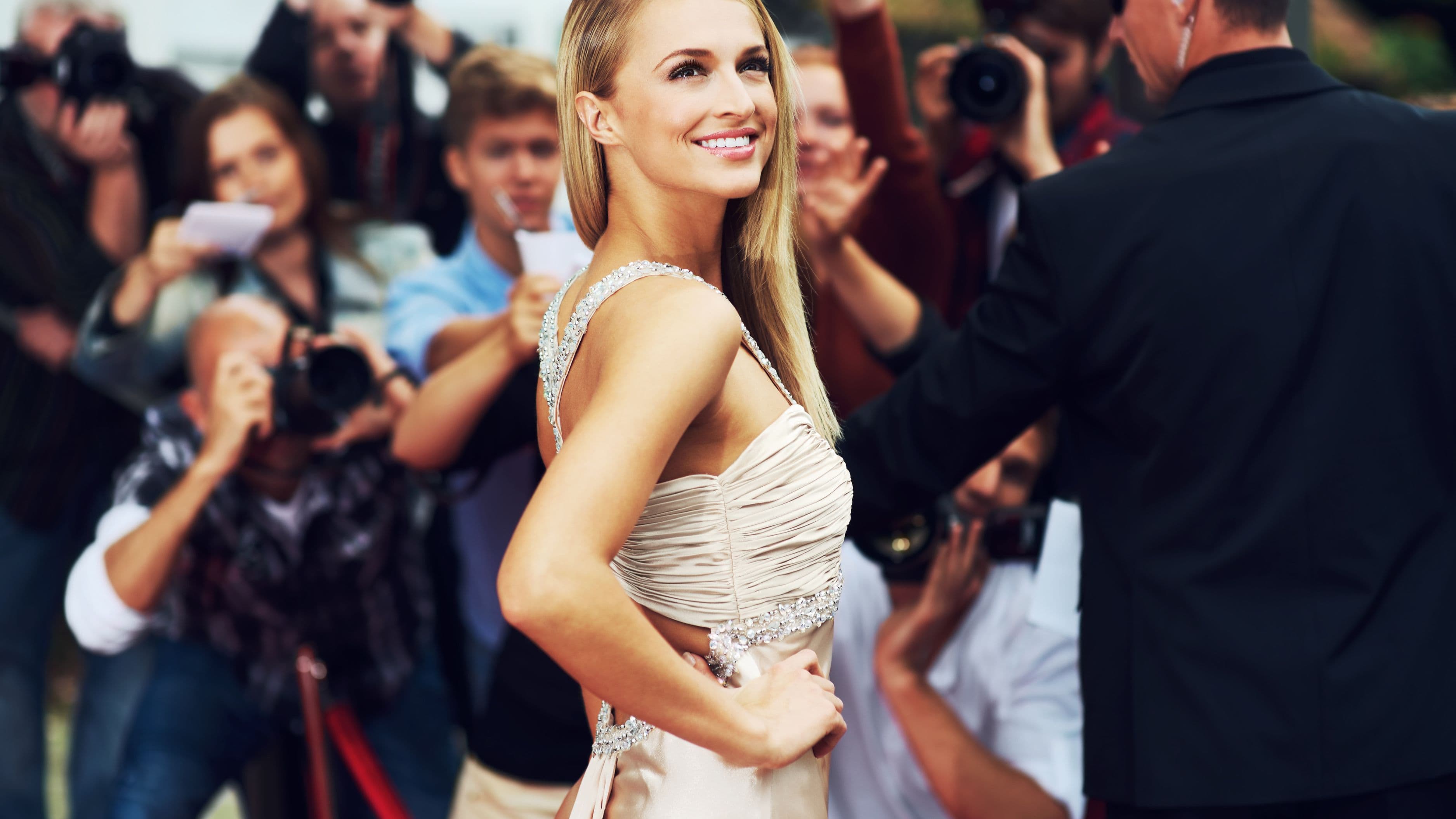
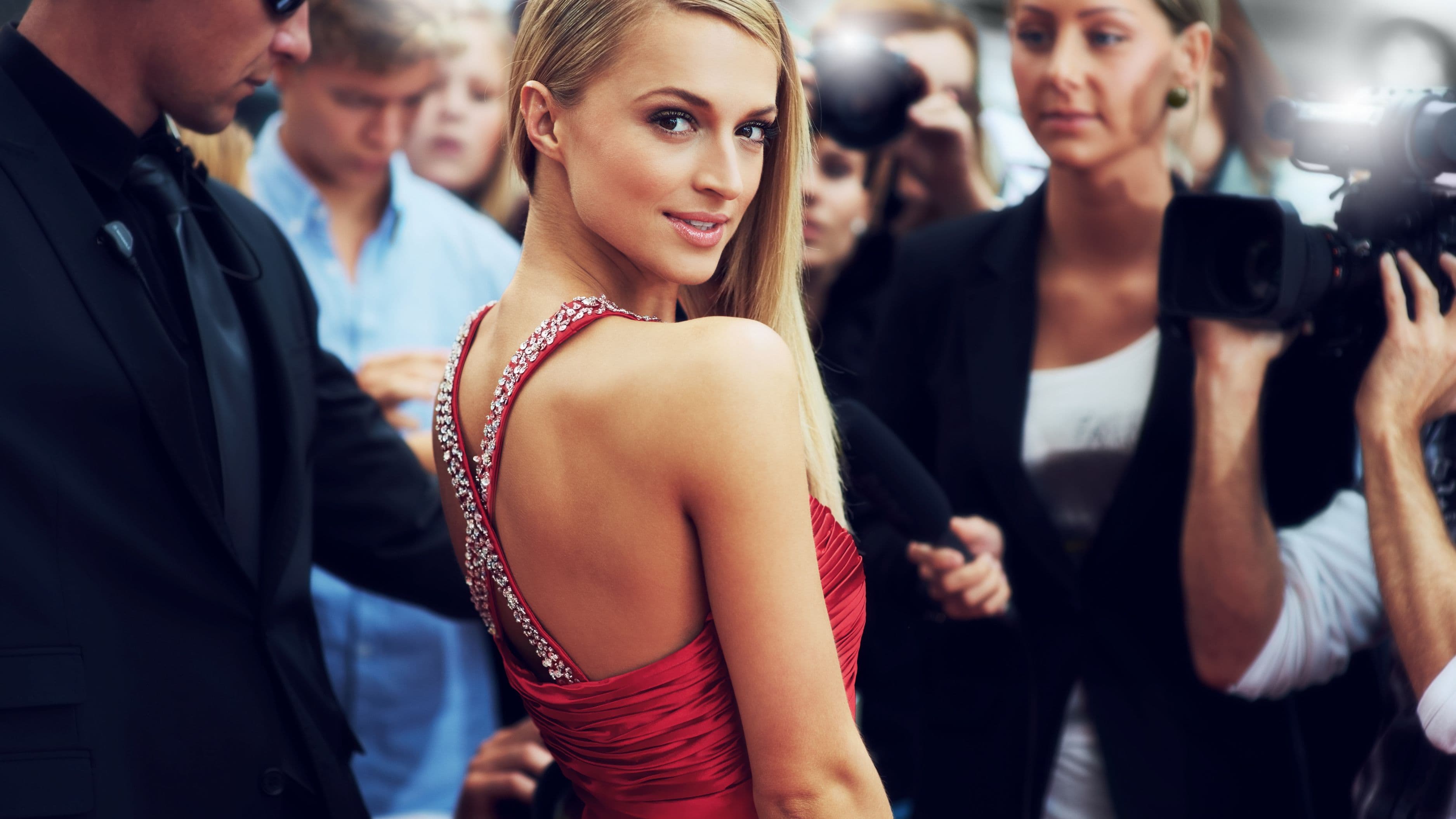
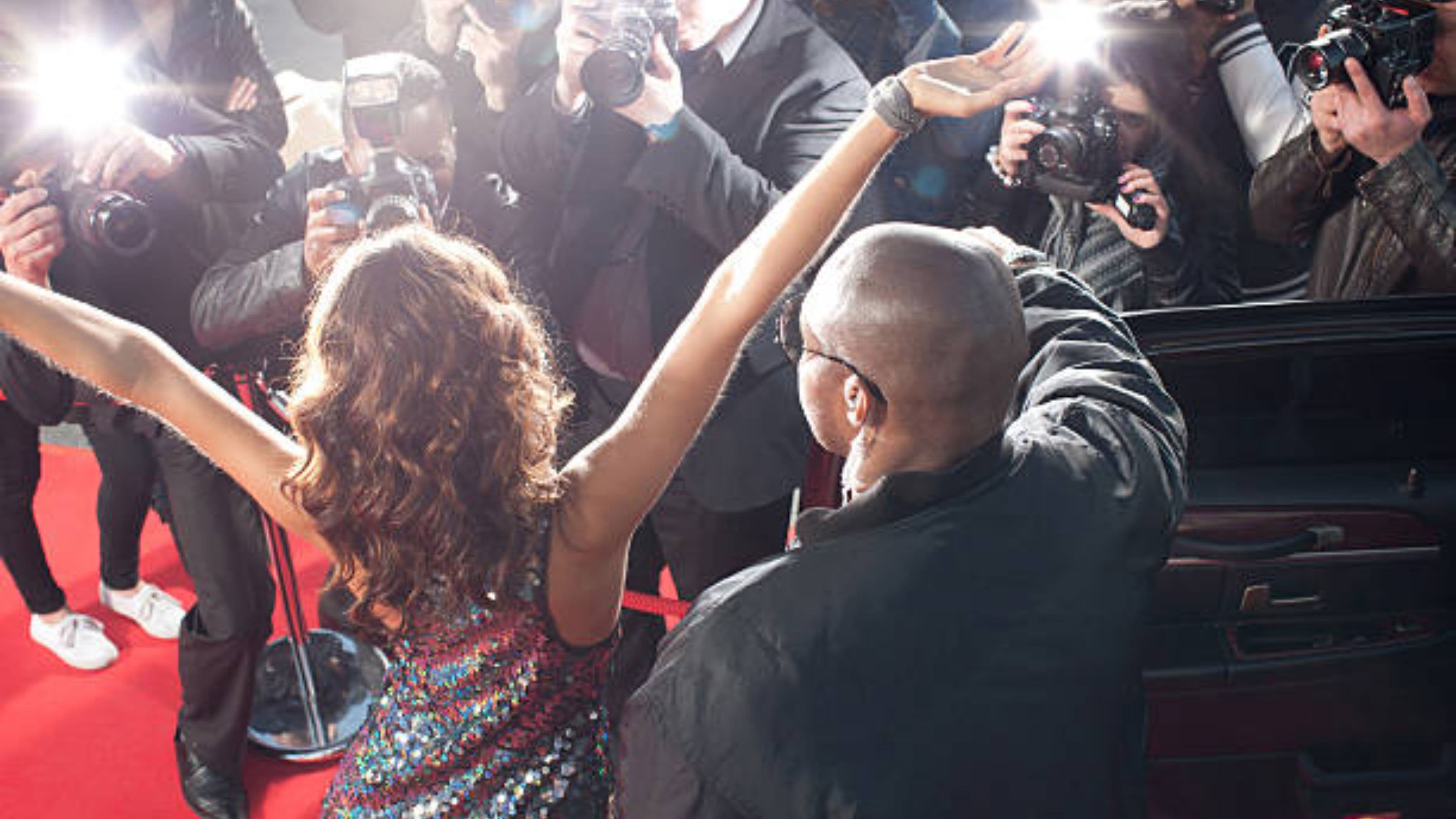
A look that doesn't photograph well doesn't go viral, regardless of how extraordinary it is in person. Red carpet fashion is ultimately a photography medium – it lives or dies on how it reads in a still image, how it moves in a video clip, and how it crops on a phone screen. Designers and stylists who work the red carpet regularly understand this deeply; the looks that fail are often ones where the construction or material doesn't translate to camera.
Movement matters enormously. A gown with a dramatic train, an architectural silhouette, or fabric that catches light in an unusual way gives photographers more to work with and gives the resulting images more visual energy. The most circulated red carpet photos are usually ones where something is happening – a cape billowing, a train extending, a structural element that creates visual tension. Static beauty photographs well but doesn't always create the image that gets shared a thousand times.
Color plays a role that's easy to underestimate. Against the standard backdrop of a sponsored red carpet, certain colors simply photograph with more impact. A bold single color that creates strong contrast with the background or with surrounding looks creates a more arresting image than something more complex that reads as visual noise at distance. Some of the most circulated red carpet looks are memorable partly because the color itself was so precisely right for the context.
The Cultural Timing Has to Land
Context is everything. A look that would have been ignored in one cultural moment can become an icon in another. The looks that resonate most deeply tend to arrive at a moment when people are already primed to receive them – when there's a conversation already happening that the look speaks to, or when the cultural appetite for exactly what the look is offering is at its highest.
The Met Gala is the clearest annual example of timing-dependent virality. The theme creates a specific framework that every look is evaluated against, which means there's a built-in conversation about interpretation and execution. The looks that take over the conversation aren't always the most faithful interpretations of the theme – sometimes the most talked-about look is the one that interprets the theme most creatively, most unexpectedly, or most personally. The theme gives people a lens to evaluate and debate, which is precisely the kind of engagement that drives sharing.
Award show timing also matters at a macro level. Looks at ceremonies where anticipation is highest – the Oscars, the Grammys, the Met Gala – have a larger built-in audience for virality than looks at smaller events, simply because more people are watching, photographing, and immediately posting. The same look at a smaller ceremony would have a fraction of the reach.
The Celebrity Themselves Have to Be in the Conversation
This one is uncomfortable but true: a significant portion of what makes a red carpet look go viral has nothing to do with the look itself and everything to do with who's wearing it. A celebrity who is already at the center of public attention – for a recent project, a personal story, a cultural moment, or a controversy – brings an existing audience to every red carpet appearance. Anything they wear arrives pre-loaded with interest.
This is why the same dress on two different celebrities could produce completely different levels of cultural traction. The outfit is one variable; the celebrity's current position in the public consciousness is another, and it's often the more powerful one. Stylists who work with celebrities understand this – they think about the look not in isolation but as part of a larger narrative about who their client is and what story is being told about them right now.
First appearances carry disproportionate weight. A celebrity's first red carpet after a major life event – a comeback, a breakup, a directorial debut, a public reinvention – is watched more closely and discussed more intensely than appearances that feel routine. The look worn in that moment has an unusually large cultural stage, and the ones that use that stage deliberately are the ones that tend to become the enduring images.
The Meme Potential Is Real
It sounds reductive, but meme-ability is a legitimate dimension of red carpet virality that the most talked-about looks often have in common. A look that lends itself to parody, reference, or creative reinterpretation has a much longer digital life than one that is simply beautiful. The Björk swan dress has been meme-d for over two decades. Lady Gaga's 2010 VMAs meat dress immediately spawned a generation of references and recreations. These looks weren't accidentally meme-able – they contained visual elements that were unusual enough to invite reinterpretation.
The looks that become shorthand in cultural conversation – that you can reference with a single image or a brief description and people immediately know what you mean – have almost always passed through a meme phase. That phase is what converts a well-photographed outfit into a genuine cultural reference point.
The Looks That Defined the Conversation – A Brief Retrospective
Without fabricating reactions or misrepresenting specific events, a few documented looks stand as benchmarks for what the viral formula looks like in practice. Jennifer Lopez's green Versace dress at the 2000 Grammys – a look so widely searched that it reportedly contributed to the creation of Google Images. Lupita Nyong'o's pale blue Prada gown at the 2014 Oscars, which combined impeccable timing (her historic win that year), a surprising color choice, and strong photography into a look still referenced in fashion conversations a decade later. Billy Porter's tuxedo gown at the 2019 Oscars, which used the surprise formula with extraordinary precision – taking a recognizable formal garment and recontextualizing it in a way that said something clear and powerful about identity.
Each of these looks had something to say, contained genuine surprise, photographed beautifully, landed at the right cultural moment, and was worn by someone already deeply in the public conversation. That convergence is what the formula, when it works, looks like.
FAQ
Is it possible for a look to go viral for the wrong reasons? Absolutely – and some of the most widely circulated red carpet images are ones that generated critical rather than admiring reactions. A look that photographs unusually, reads differently on camera than intended, or doesn't land the way the stylist hoped can still go viral, and sometimes more durably than a universally praised look. The engagement drives the reach regardless of whether the reaction is positive.
Do celebrities choose their own red carpet looks? It varies significantly. Some celebrities are deeply involved in the styling process and have strong creative input into what they wear. Others work with a stylist who makes most of the substantive decisions. For major events like the Met Gala, the look is often the result of a close collaboration between the celebrity, a stylist, and the designer – sometimes developed over months.
Why do some obviously beautiful looks get ignored? Because beauty alone isn't the formula. A look can be exquisitely crafted, perfectly fitted, and worn with complete confidence and still not generate cultural traction if it doesn't contain surprise, doesn't say something, doesn't arrive at a moment of cultural readiness, or isn't worn by someone who is currently at the center of attention. The formula requires multiple elements to be present simultaneously.
Has social media changed what makes a look go viral? Dramatically. The speed of virality has increased enormously – a look can be circulating worldwide within minutes of the first photos appearing. Social media has also expanded the definition of the audience that determines what "goes viral" – fashion editors and industry insiders still matter, but a look can bypass traditional fashion press entirely and go viral through fan accounts, meme pages, and general entertainment communities. That democratization has changed which looks travel furthest.
What's the role of the designer in a viral moment? The designer benefits significantly from a viral red carpet moment – the exposure for emerging designers can be genuinely career-defining. For established houses, a memorable moment reinforces the brand's cultural relevance. This is why designers compete intensely for dressing celebrities at high-profile events, and why the relationship between stylists, celebrities, and designers is one of the most carefully managed in the entertainment industry.
📚 Sources
Vogue – The Most Iconic Red Carpet Dresses of All Time: https://www.vogue.com/article/most-iconic-red-carpet-dresses
Harper's Bazaar – Red Carpet Fashion History and Cultural Impact: https://www.harpersbazaar.com/fashion/red-carpet/
The Cut – Why Red Carpet Moments Go Viral: https://www.thecut.com/fashion/red-carpet
CNN Style – The Most Talked-About Met Gala Looks: https://edition.cnn.com/style/met-gala-best-looks